
Waterproof SPF Lip Balm: What That Claim Really Means
You've probably seen SPF lip balm labeled "waterproof" at some point. It sounds like the obvious choice for beach and pool use — your lips stay in the water, the protection stays on, problem solved. The reality is more complicated, and understanding it changes how you approach lip protection in water environments.
The FDA's Position on 'Waterproof' | What 'Water Resistant' Actually Means | Why Lips and Water Are Particularly Complex | What Happens to SPF Film During Swimming | The Correct Protocol | Evaluating Products: What to Look For | FAQ
The FDA’s Position on ‘Waterproof’ Sunscreen
Since 2013, the FDA has prohibited sunscreen products from being labeled "waterproof" or "sweatproof." This reflects a substantive finding that these claims are misleading to consumers: no sunscreen or SPF product maintains 100% of its labeled protection through water immersion. All sunscreens lose protection when wet. Using the word "waterproof" implies a level of durability that does not exist and leads consumers to skip reapplication — exactly when reapplication is most needed.
ALLOWED: "Water Resistant (40 minutes)" or "Water Resistant (80 minutes)" — these indicate the product maintained its labeled SPF through the specified minutes of water immersion testing.
PROHIBITED: "Waterproof" — implies protection is maintained indefinitely through water contact, which is false.
PROHIBITED: "Sweatproof" — implies complete protection through sweating, which is also false.
Lip balm products still labeled "waterproof" either pre-date the 2013 regulation, are non-compliant with FDA guidelines, or are marketed outside the US.
What ‘Water Resistant (80 Minutes)’ Actually Means
- The 80-minute test involves subjects immersing the tested area in water for 4 × 20-minute periods with brief exits between them.
- After 80 minutes of this water immersion protocol, the product is retested for SPF. It must still achieve its labeled SPF level to receive the 80-minute water resistant rating.
- This test measures continuous immersion, not the intermittent in-and-out beach swimming pattern that most people actually use.
Why Lips and Water Are Particularly Complex
- Continuous saliva exposure: lips are in near-continuous contact with saliva from the inside. Saliva erodes the lip balm film from the interior lip surface simultaneously with water eroding it from the exterior.
- Lip movement in water: swimming involves breathing patterns that create lip movement — exhaling through the mouth, taking breath strokes — that mechanically disrupts the lip balm film far more than the passive immersion of an arm or leg.
- Small application area: minor erosion of the film affects a higher percentage of the total surface on lips than the same erosion on a larger body surface.
What Actually Happens to SPF Film During Swimming
| Scenario | SPF Film Status | Reapplication Needed? |
|---|---|---|
| Applying before swimming | Film established; ~15-min bind time ideal | No — apply 15+ min before water entry |
| During swimming (0–20 min) | Film partially intact; erosion occurring | After exiting |
| After one swim | Film significantly reduced | Yes — immediately upon exit |
| After multiple swims | Film largely depleted | Yes — after every exit |
The correct protocol: apply SPF 45 lip balm before entering the water, and reapply after every exit. Not after a certain number of minutes — after every swim. This simple rule provides reliable protection regardless of the water resistance rating of the product.
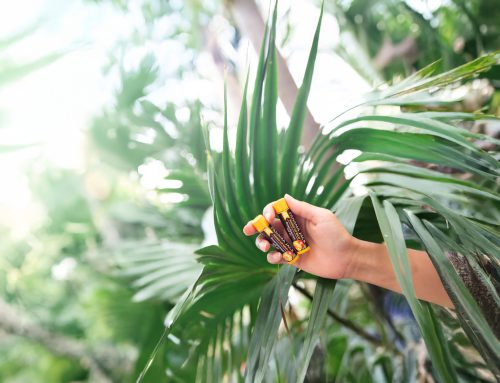
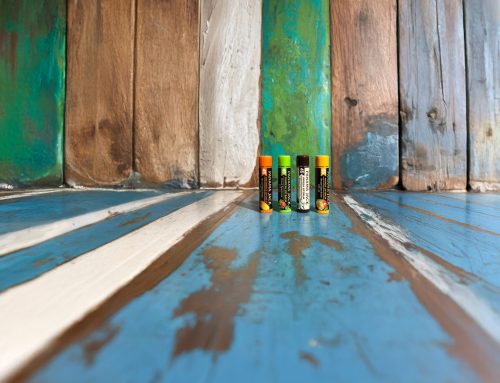
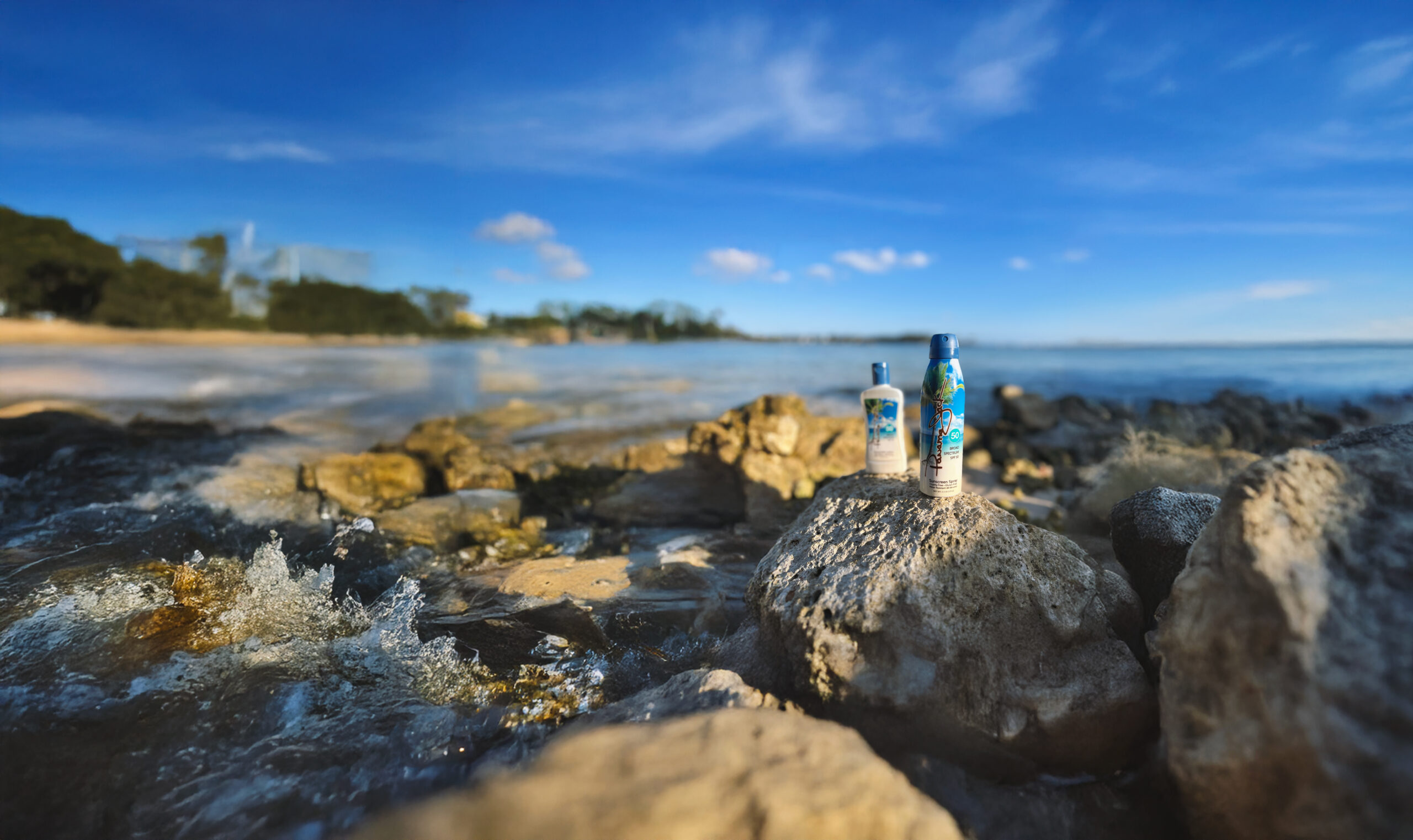
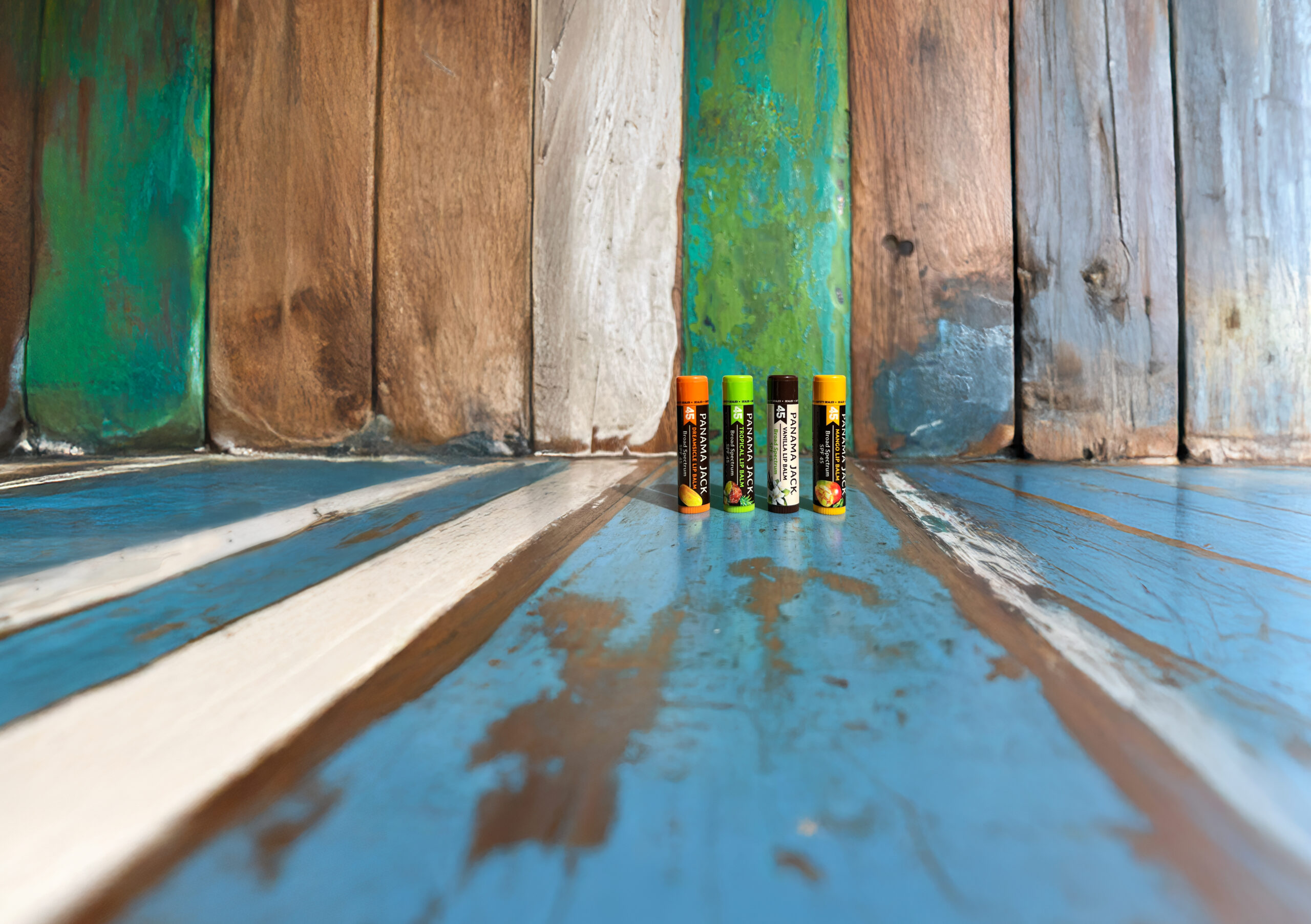
Panama Jack SPF 45 Lip Balm — apply before every swim entry; reapply after every exit. The protocol beats any label claim. Available on Amazon.
Shop Panama Jack SPF 45 on Amazon →
Frequently Asked Questions
If lip balm isn’t waterproof, what’s the point for swimming?
The point is the protection you get before entering the water and between swim entries. Water-resistant SPF lip balm provides meaningful protection during the intervals between swims. The protocol (apply before entry, reapply after exit) provides continuous protection across a swim day.
Does lip balm come off in chlorinated pool water faster than in ocean water?
Some evidence suggests chlorinated water is more effective at breaking down the wax and oil components of lip balm than salt water. The practical protocol (reapply after every exit) is the same regardless.
What about SPF lip balm in a hot tub?
Hot water significantly accelerates lip balm film degradation — heat softens the wax and continuous water immersion erodes the softened film rapidly. SPF protection should be assumed absent after any hot tub use; reapply upon exiting.
- When to Reapply SPF Lip Balm: After Eating, Swimming, and More
- 7 Sunscreen Myths It's Time to Stop Believing
- Best SPF Lip Balm for Athletes: Protection That Holds Up Through Sweat