Beeswax vs Carnauba Wax in Lip Balm: How the Base Affects Protection
The ingredient list on a lip balm tube is dominated by names that sound like a chemistry exam. But the wax compounds at the top of that list — beeswax, carnauba wax, candelilla wax — are doing more work than most people realize. They determine texture, how long the product stays on your lips, how well it works in heat, and how effectively the SPF filter actives do their job.
What the Wax Base Actually Does | Beeswax: The Traditional Foundation | Carnauba Wax: The Performance Upgrade | Wax Melting Points Compared | How Wax Type Affects SPF | Reading a Lip Balm Ingredient Label | FAQ
What the Wax Base Actually Does in SPF Lip Balm
- Film formation: the wax creates a continuous, adherent film on the lip surface. UV filter actives need this film to stay distributed evenly across lip tissue. Without a stable wax matrix, UV filters would clump, gap, or migrate off the lip surface rather than maintaining the even coverage that achieves the labeled SPF.
- Barrier protection: the wax film creates a physical moisture barrier that reduces transepidermal water loss. Lips don't have sebaceous glands, so they rely entirely on applied barrier products for moisture protection.
- Temperature stability: the melting point of the wax determines how well the product performs in heat. A lip balm that melts at 35°C fails at beach temperatures. Wax selection determines whether your lip balm is a liquid in your car's cupholder or a stable stick after a day at the beach.
Beeswax: The Traditional Lip Balm Foundation
- Melting point: beeswax melts at approximately 62–65°C (144–149°F), well above the temperatures lip balm encounters in everyday use. This stability means a beeswax-based lip balm maintains its stick form on the beach and in a hot car.
- Skin affinity: beeswax has natural affinity for human skin — it's a lipid-based material that integrates well with the skin's lipid structure, creating an effective moisture barrier.
- UV filter distribution: the semi-crystalline structure of beeswax distributes and holds UV filter actives in suspension effectively, keeping them evenly dispersed from tube to lips.
Carnauba Wax: The Performance Upgrade
Carnauba wax (Copernicia Cerifera Wax) is derived from the leaves of the carnauba palm native to northeastern Brazil. It has the highest melting point of any natural wax used in cosmetics:
| Wax Type | Melting Point | Origin | Primary Function |
|---|---|---|---|
| Beeswax | 62–65°C (144–149°F) | Honeybee | Film formation; skin affinity; UV filter distribution |
| Carnauba Wax | 82–86°C (180–187°F) | Brazilian carnauba palm | High-temp stability; hardening agent; glossy finish |
| Candelilla Wax | 68–73°C (154–163°F) | Candelilla plant (Mexico) | Vegan beeswax alternative; film formation; barrier |
Carnauba wax is typically used as a hardening agent alongside other waxes. Its extremely high melting point makes it the key ingredient for beach-condition stability — SPF lip balm formulas for high-temperature environments include carnauba wax specifically to prevent the formula from softening in summer conditions.
How Wax Type Directly Affects SPF Performance
- Even UV filter distribution: UV filter actives need to be uniformly distributed across the lip surface to achieve the labeled SPF level. Waxes with better UV filter solubility produce more uniform distribution. Poor distribution creates protection gaps.
- Adhesion under conditions: the wax must maintain its adherence to lip tissue during outdoor activity. A formula that slides off lips under activity conditions loses its protective layer regardless of its labeled SPF.
- Barrier synergy: the wax provides the physical barrier against moisture loss while the UV filters provide the UV barrier. A high-quality wax ensures both barriers are maintained simultaneously.
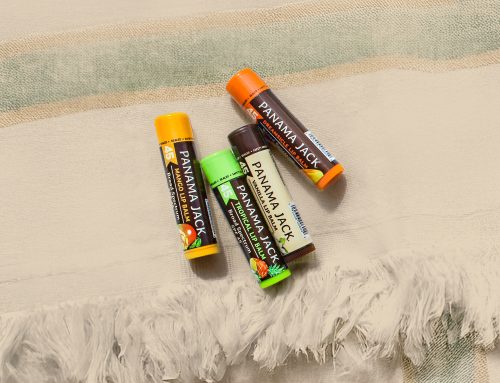
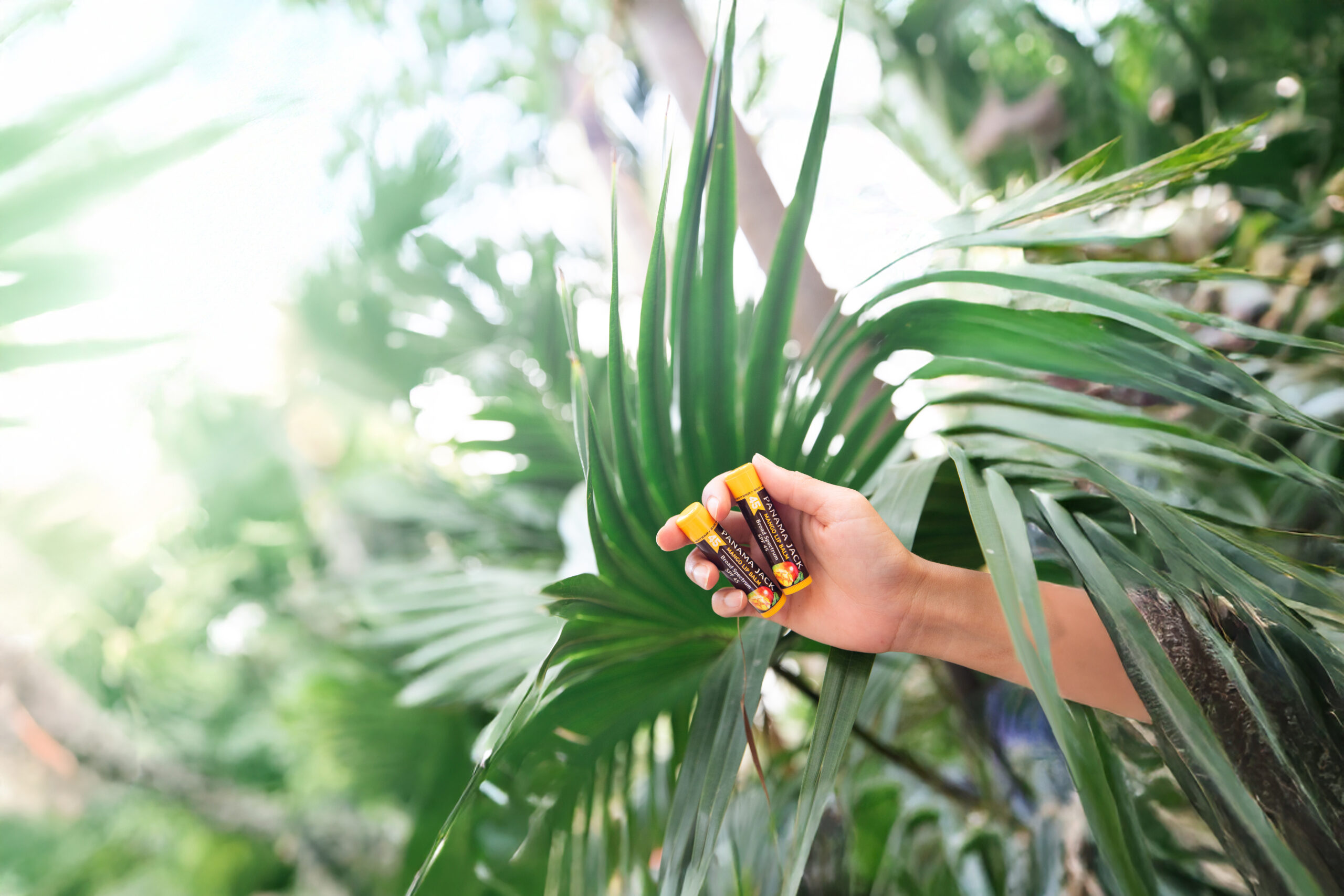
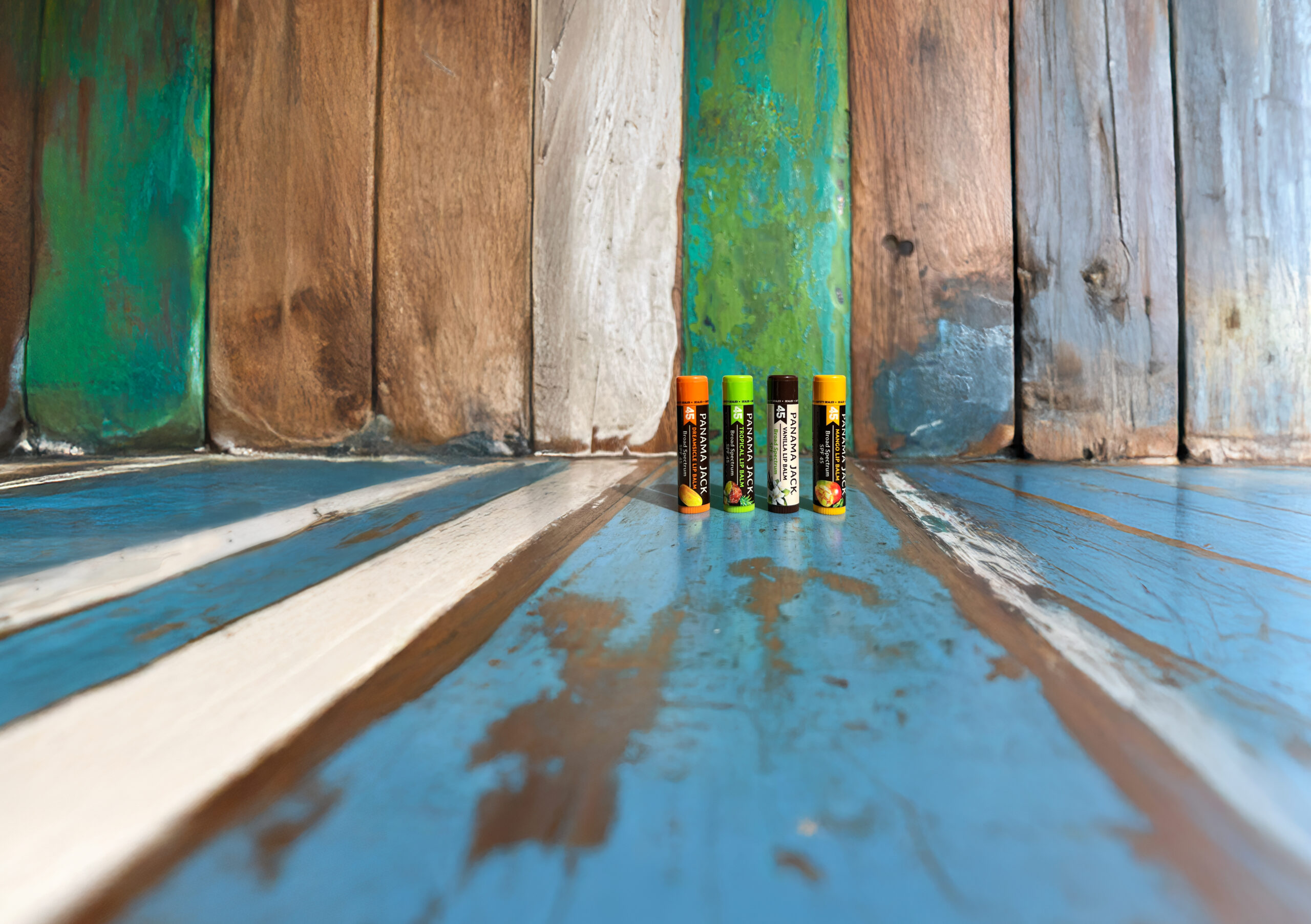
Panama Jack SPF 45 Lip Balm — formulated with a beach-condition wax matrix that maintains protection through heat, humidity, and active outdoor use. Available on Amazon.
Shop Panama Jack SPF 45 on Amazon →
Active Ingredients (listed first): the UV filter compounds — these determine SPF.
Inactive Ingredients (listed after): in descending order of concentration. The first few ingredients after the actives are typically the wax base and primary emollients — the highest-concentration components.
What to look for: a quality SPF lip balm will have beeswax, carnauba wax, or candelilla wax near the top of the inactive ingredients list.
Frequently Asked Questions
Is beeswax or carnauba wax better for lip balm?
Neither is universally better — they serve different functions. Beeswax provides excellent skin affinity and comfortable texture. Carnauba wax provides superior heat stability and is typically used as a hardening agent alongside beeswax. The best SPF lip balm formulas for outdoor and beach use often use both in combination.
Is carnauba wax vegan?
Yes — carnauba wax is plant-derived, from the leaves of the Brazilian carnauba palm. It's the primary vegan-friendly alternative to beeswax in lip balm formulas.
Does the wax base affect how often I need to reapply?
Indirectly, yes. A wax base with better adhesion and heat stability maintains its film on lips longer. However, reapplication every 2 hours is still required regardless of wax quality — eating, drinking, and UV-driven degradation require fresh application on schedule.