Key Ingredients in After-Sun Products and What They Do for Your Skin
You spent the day in the sun. You applied your SPF, wore your hat, and had a great time. Now you're back at the hotel or home, and your skin feels tight, warm, and thirsty in a way that regular moisturizer doesn't quite address.
That's where after-sun products earn their place in your routine — but only if you understand what's actually inside them. The shelves are full of products with the words 'after sun' on the label, but their ingredient lists range from genuinely restorative to essentially glorified body lotion with a beach-scented fragrance.
This guide breaks down the key ingredients that actually do something for sun-exposed skin, what each one contributes, and why after-sun care is a step too important to skip.
| Table of Contents
1. Why Your Skin Needs After-Sun Care | 2. The Heavy Hitters: Top 10 Active Ingredients | 3. Ingredients to Avoid | 4. Gel vs Lotion vs Spray | 5. Building Your After-Sun Routine | 6. FAQ |
Why Your Skin Needs After-Sun Care at All
Sun exposure — even without a visible burn — stresses your skin in measurable ways. UV radiation triggers an inflammatory response, depletes antioxidant reserves, damages the skin's moisture barrier, accelerates cell turnover in ways that can lead to peeling, and reduces collagen synthesis over time.
After-sun products address three core needs simultaneously: cooling and calming the inflammatory response, restoring hydration to a barrier that's been taxed all day, and delivering antioxidants to help neutralize the oxidative damage UV causes at the cellular level.
Think of after-sun care not as a luxury but as the recovery phase of your sun protection strategy — the thing that helps undo what made it through your SPF.
The Key Ingredients That Actually Work
1. Aloe Vera (Aloe Barbadensis Leaf Juice)
The most recognizable after-sun ingredient for good reason. Aloe vera provides rapid surface cooling through its high water content, delivers anti-inflammatory compounds including acemannan and aloesin, and forms a light film on skin that temporarily reduces transepidermal water loss. It also has mild analgesic (pain-numbing) properties that explain why it feels so immediately soothing on a burn.
Look for aloe vera listed as one of the first three ingredients — not buried deep in the formula where it's essentially a trace amount for marketing purposes.
2. Lidocaine
Found in specialized after-sun products designed for genuine sunburn pain relief, lidocaine is a topical anesthetic that blocks nerve signal transmission in the upper layers of skin. It doesn't heal the burn — it numbs the discomfort while healing occurs. Especially useful for moderate burns where the sting is interfering with sleep or comfort.
3. Allantoin
A cell-proliferating agent derived from comfrey plant extract (or synthesized), allantoin actively supports skin cell regeneration and has documented anti-irritant properties. It helps soothe inflamed skin and speeds the shedding of damaged cells — making it particularly valuable for post-sun peeling prevention.
4. Panthenol (Provitamin B5)
One of the most clinically well-supported skin repair ingredients available. Panthenol penetrates the dermis and converts to pantothenic acid, which is involved in cellular metabolism and tissue repair. It's deeply hydrating, anti-inflammatory, and promotes epidermal regeneration. Look for it in the top five ingredients of any after-sun lotion claiming reparative effects.
5. Tocopherol (Vitamin E)
A fat-soluble antioxidant that neutralizes UV-induced free radicals and helps strengthen the skin barrier. UV exposure rapidly depletes the skin's natural vitamin E reserves — after-sun products containing tocopherol help replenish what the day took away.
6. Niacinamide (Vitamin B3)
A multitasking ingredient with impressive after-sun credentials: it reduces UV-induced redness, inhibits melanin transfer (helping prevent the post-sun dark spots that result from inflammation), and reinforces the skin's ceramide barrier. Particularly valuable in after-sun formulas designed for the face.
7. Hyaluronic Acid
A humectant that can hold up to 1,000 times its weight in water. After a full day in the sun and salt air, skin is significantly dehydrated at a deep level. Hyaluronic acid draws moisture from the surrounding environment into the dermis, delivering a level of rehydration that surface-level emollients simply cannot match.
8. Centella Asiatica (Cica)
A botanical extract with strong wound-healing and anti-inflammatory properties. Centella asiatica supports collagen synthesis, calms redness, and helps skin recover from UV-induced micro-damage. Its surge in popularity in K-beauty formulations has brought it into mainstream after-sun care.
9. Cucumber Extract
Rich in naturally occurring antioxidants and silica, cucumber extract provides a cooling, calming effect and helps reduce puffiness and redness in sun-exposed skin. It's also extremely gentle — making it a good option for sensitive post-sun skin.
10. Dimethicone and Glycerin
Often overlooked in discussions of active repair ingredients, these two emollients and humectants form the delivery base of most after-sun lotions. Dimethicone creates a protective film that reduces water loss; glycerin draws moisture from the environment. Without a solid base, even the best active ingredients above can't do their job effectively.
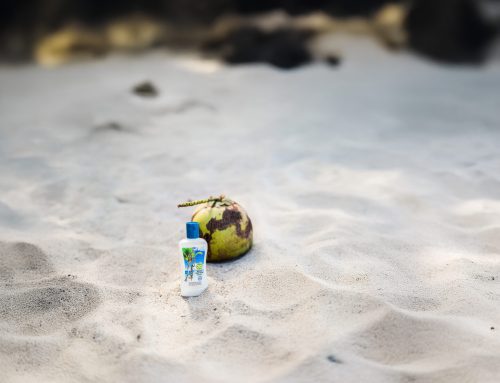
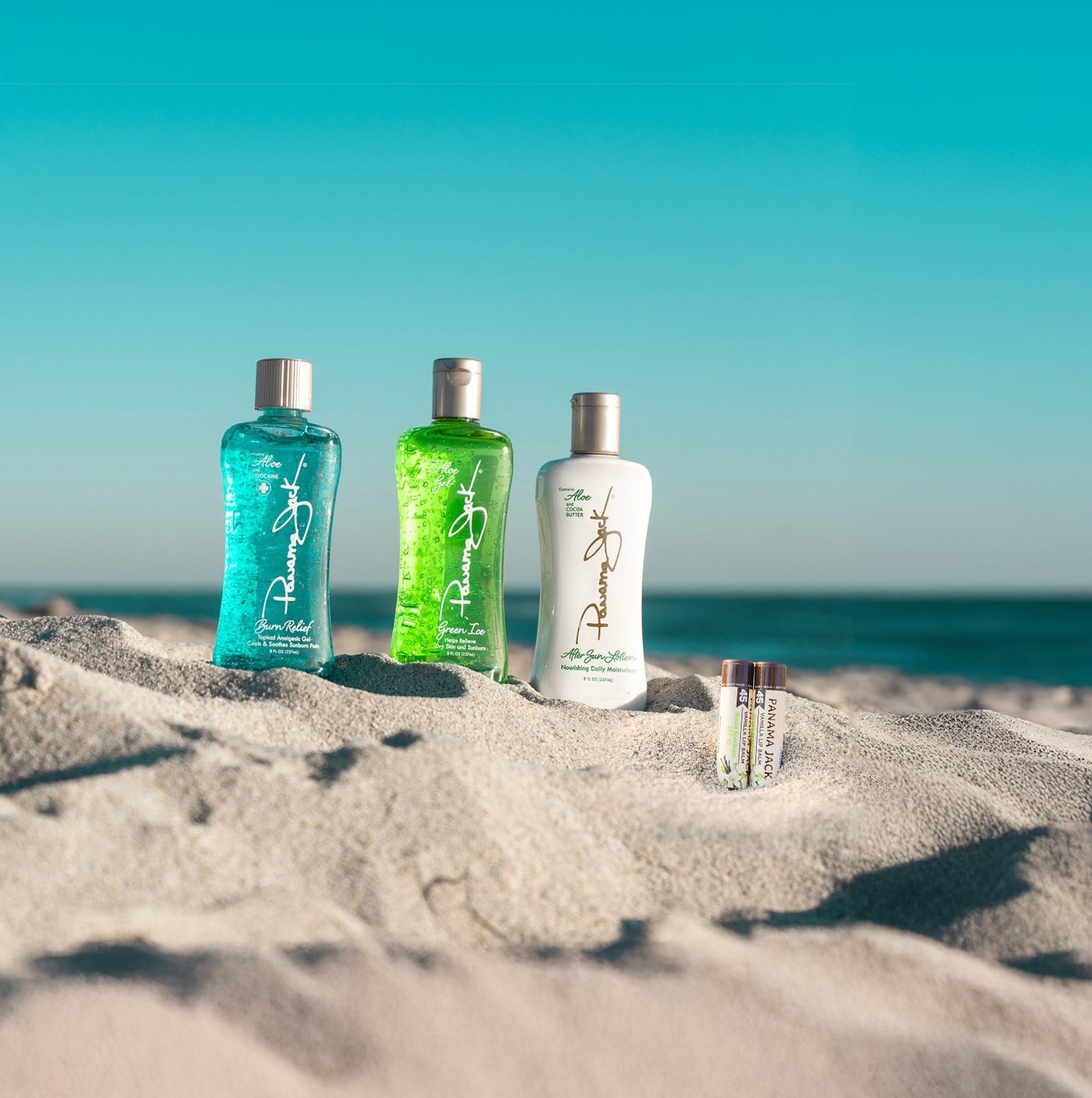
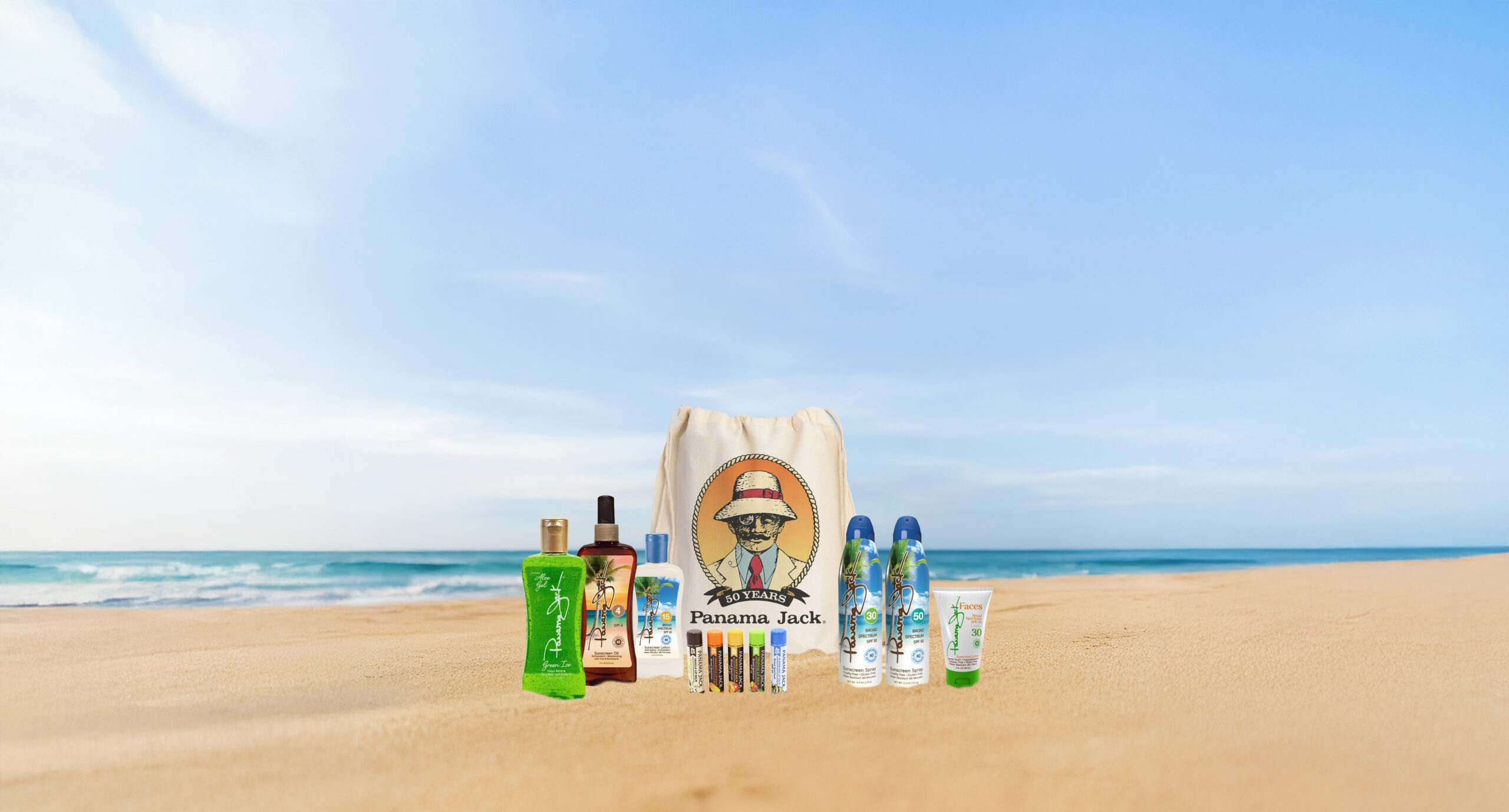
| Panama Jack's After-Sun Lotion combines aloe vera, panthenol, and vitamin E in a formula designed for beach-intensity sun exposure. After a long day out, this is the recovery step your skin needs. Shop on Amazon with same-day delivery options.
See Panama Jack After-Sun Lotion on Amazon → |
Ingredients to Watch Out For
Not everything on an after-sun label belongs there. A few things to avoid in your post-sun products:
- High-fragrance formulas: Fragrance chemicals — even natural botanical ones — can be irritating on UV-compromised skin. After a sun-heavy day, your skin's barrier is weaker than usual and more prone to sensitization.
- Alcohol (SD Alcohol or Ethanol high on the list): While alcohol provides an immediate cooling sensation, it actively dehydrates skin and disrupts barrier function — the exact opposite of what you need post-sun.
- Synthetic dyes: No functional benefit and potential for irritation on reactive post-sun skin.
- Menthol in high concentrations: A small amount delivers pleasant cooling; too much creates vasodilation that can actually worsen redness.
Gel vs Lotion vs Spray: Which After-Sun Format Is Right?
After-sun products come in three main formats, each with a distinct use case:
| After-Sun Gel
Best for: Genuine sunburn, immediate cooling relief, oily skin types. Aloe-based gels absorb quickly and don't feel heavy on overheated skin. The first-choice format when you have actual burn pain. |
| After-Sun Lotion
Best for: General daily post-sun recovery, normal-to-dry skin, extended use over days after initial sun exposure. Delivers more concentrated moisturizing ingredients and longer-lasting hydration than gel. The best everyday after-sun format. |
| After-Sun Spray
Best for: Backs and hard-to-reach areas, sensitive post-burn skin that can't tolerate touch, kids who protest being rubbed down. Less control over volume applied but the gentlest application method for sore skin. |
| Frequently Asked Questions |
| Q: How soon after sun exposure should you apply after-sun product?
A: As soon as possible after coming indoors — ideally within 30 minutes. The inflammatory response begins immediately following UV exposure, and getting cooling, anti-inflammatory ingredients on skin early can meaningfully reduce the severity of redness and discomfort. |
| Q: Can you use regular moisturizer instead of after-sun lotion?
A: A good regular moisturizer is better than nothing, but after-sun formulas are specifically designed to address the particular demands of UV-stressed skin — the combination of anti-inflammatory, barrier-repair, and antioxidant ingredients is not standard in everyday moisturizers. |
| Q: How many times should you apply after-sun lotion?
A: Apply immediately after sun exposure, and then again before bed. For moderate sunburn, reapply every 4–6 hours for the first day. Keep applying for 2–3 days post-exposure even after redness subsides — UV damage continues to develop in skin cells for 24–48 hours after exposure. |
| Q: Does aloe vera out of the plant work as well as bottled gel?
A: Fresh aloe from the plant leaf is highly effective for cooling and immediate relief. However, it lacks the additional active ingredients (panthenol, vitamin E, allantoin) found in well-formulated after-sun gels. Both have a place — fresh aloe is a great first response; a quality after-sun product is the better long-term recovery tool. |
| Q: Is Panama Jack's after-sun lotion suitable for the face?
A: Yes — Panama Jack's after-sun formula is gentle enough for facial use. For the face, apply a smaller amount and avoid the eye area. If you have sensitive or acne-prone facial skin, a separate lightweight after-sun face gel may provide better targeted results. |
| Conclusion
The best after-sun product is the one with a genuinely active ingredient list — not just a pleasant scent and aqua as ingredient #1. Look for aloe vera, panthenol, vitamin E, and hyaluronic acid near the top of the label. Panama Jack's after-sun lotion and aloe vera gel are formulated with post-beach skin in mind. Find both on Amazon and make after-sun care the non-negotiable final step in every sunny day. |
📚 Related Reading
|