
7 Sunscreen Myths It’s Time to Stop Believing
Sunscreen is the most evidence-backed skin health intervention available over the counter — and also one of the most myth-laden. The myths don't come from nowhere: most are based on partial truths, outdated formulations, or genuine limitations of older products that have been addressed in modern sunscreens. But they persist, and they lead to real behavior changes that reduce protection when it matters most.
Here are the 7 most consequential sunscreen myths, what people believe, and what the evidence actually says.
Myth 1: Higher SPF Means Proportionally More Protection | Myth 2: One Application Lasts All Day | Myth 3: Dark Skin Doesn't Need Sunscreen | Myth 4: Car Windows Block UV | Myth 5: Clouds Block UV | Myth 6: Sunscreen Causes Vitamin D Deficiency | Myth 7: Natural Sunscreens Are Always Safer
Myth 1: Higher SPF Means Proportionally More Protection
The Reality: SPF numbers express UV filtering on an inverse scale, not a linear one. SPF 30 filters 96.7% of UVB; SPF 50 filters 98%; SPF 100 filters 99%. The "twice as much SPF" between 50 and 100 buys only 1 additional percentage point of UVB filtering.
The meaningful SPF jumps are from no SPF → SPF 15 (93.3% filtering) → SPF 30 (96.7%) → SPF 50 (98%). Beyond SPF 50, the incremental protection gains are small.
Myth 2: A Single Morning Sunscreen Application Lasts All Day
The Reality: sunscreen degrades through UV exposure, oxidation, sweat, and physical removal. The FDA's standard for sunscreen effectiveness testing assumes reapplication every 80 minutes during outdoor activity. An SPF 50 sunscreen applied at 7 AM provides very limited remaining protection by 10 AM without reapplication — exactly when UV index is reaching its daily peak.
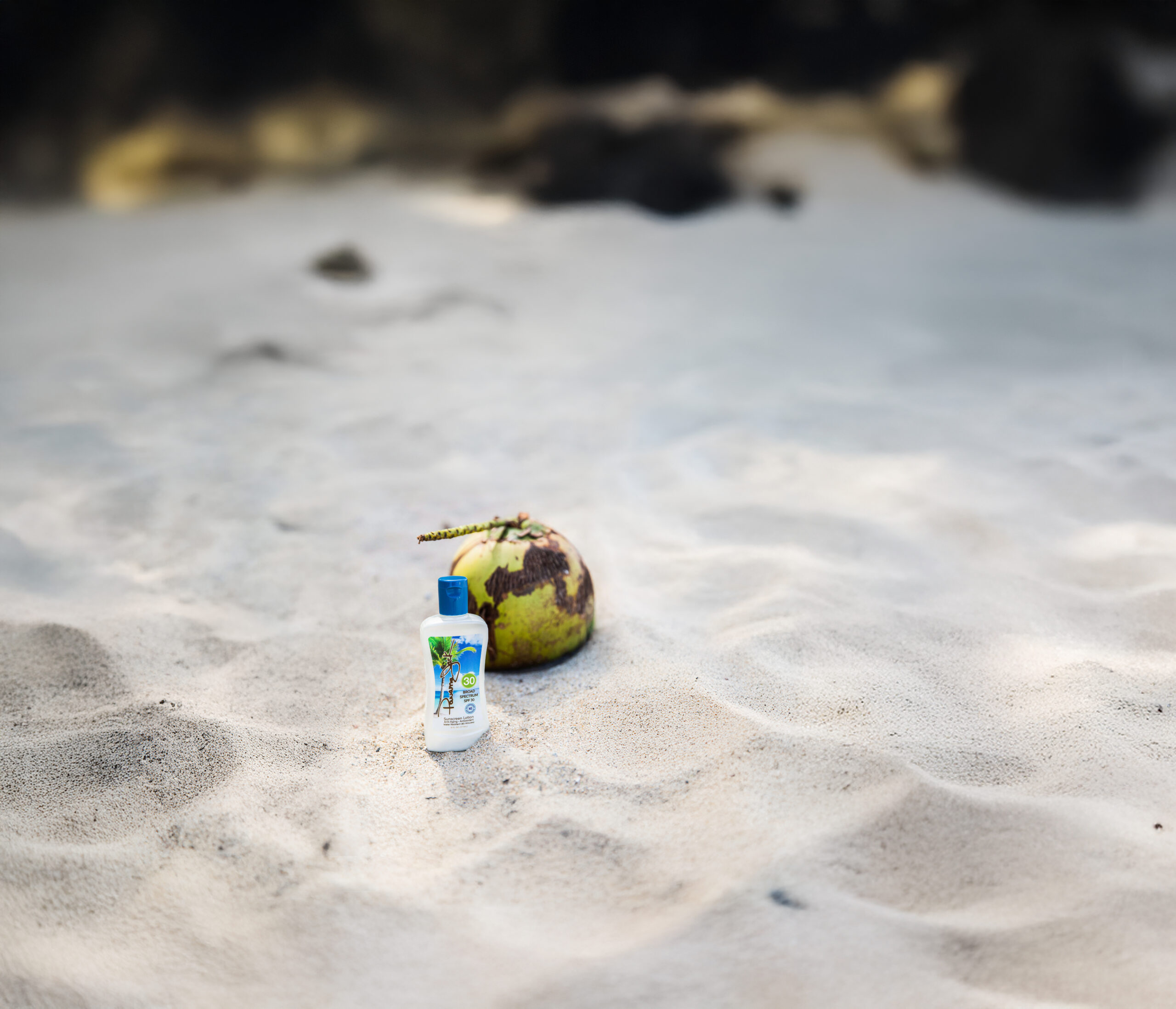
Panama Jack Continuous Spray SPF 30 — the fastest reapplication format for the 80-minute interval. Available on Amazon.
Myth 3: People With Dark Skin Don’t Need Sunscreen
The Reality: melanin does provide some UV protection — Fitzpatrick skin type VI (very dark skin) has an estimated natural SPF equivalent of approximately 13.4 compared to approximately 3.4 for very fair skin. But SPF 13 is well below the dermatological recommendation of SPF 30+ for all skin types during outdoor activity. Additionally, skin cancer in darker skin types is diagnosed at later stages on average — partly because this myth delays screening.
Myth 4: Car Windows Block UV
The Reality: windshields block most UVB but allow substantial UVA transmission. Side windows are typically tempered glass that blocks UVB but allows 70–80% of UVA to pass through. Studies of truck drivers show significantly higher rates of UV-related skin changes on the driver's left side — the pattern of long-term UVA exposure through the side window.
Myth 5: Clouds Block UV
The Reality: clouds block approximately 20–40% of UV radiation, but 60–80% passes through cloud cover. On a heavily overcast day, UV index may be reduced from 10 to 6–7 — still well above the level that warrants no protection. Additionally, cloud edges can reflect UV and actually amplify UV at ground level compared to direct sun.
Myth 6: Sunscreen Causes Vitamin D Deficiency
The Reality: the evidence that practical sunscreen use causes vitamin D deficiency is weak. Studies consistently show that people who report using sunscreen do not have lower vitamin D levels than people who don't — primarily because real-world sunscreen application is never complete enough to block the UV that drives vitamin D synthesis. Even at SPF 30 (96.7% UVB filtering), the remaining 3.3% of UV reaching the skin during normal outdoor activity is sufficient for vitamin D synthesis.
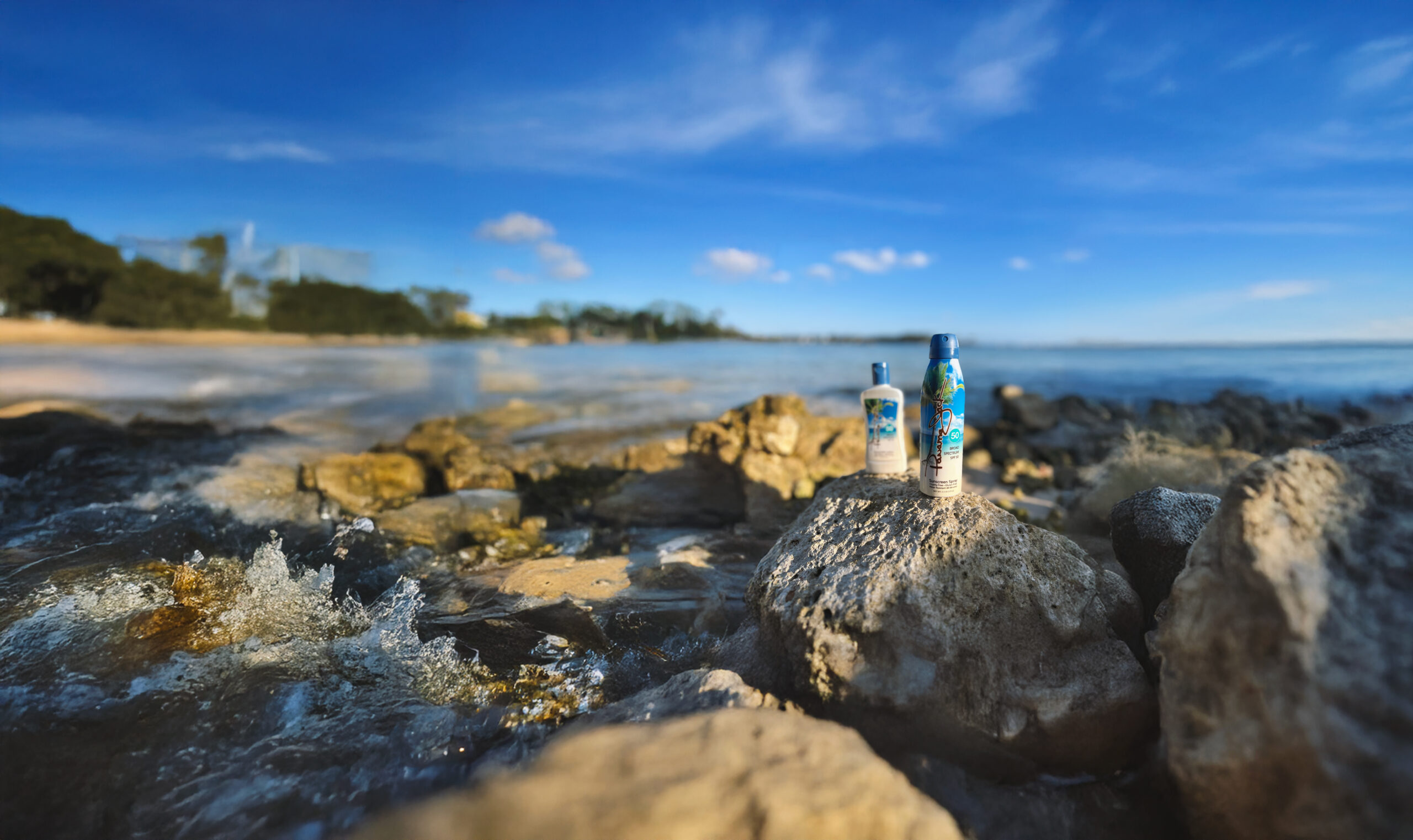
Panama Jack SPF 50 — maximum beach-day protection without meaningful vitamin D impact. Available on Amazon.
Shop Panama Jack SPF 50 on Amazon →
Myth 7: “Natural” Sunscreens Are Always Safer Than Chemical Sunscreens
The Reality: "natural" and "safe" are not synonyms. Mineral sunscreens (zinc oxide, titanium dioxide) have excellent safety profiles and are FDA-classified as GRASE — a meaningful regulatory endorsement. But "natural" as a category includes many ingredients with poor safety profiles. The accurate framing: zinc oxide and titanium dioxide have better documented safety profiles than most chemical UV filter actives, particularly regarding skin penetration. But the advantage is specific to these two actives, not to the category of "natural" sunscreens broadly.
Frequently Asked Questions
How much does SPF 50 actually protect more than SPF 30?
SPF 30 filters 96.7% of UVB; SPF 50 filters 98%. The difference is 1.3 percentage points, which means approximately 40% less UV reaches skin with SPF 50 compared to SPF 30. For beach days and extended outdoor use, this is a meaningful difference worth the upgrade.
Can you get sunburned in winter?
Yes — UV radiation is present year-round, though at lower intensity than summer peak. At higher altitudes (skiing, snowboarding), UV index is amplified by approximately 10–12% per 1,000 meters and by up to 80% reflection from snow. Winter sports require SPF 50 specifically because of this amplification effect.
Is reef-safe the same as mineral sunscreen?
"Reef-safe" is an unregulated marketing term. Mineral sunscreen (zinc oxide or titanium dioxide as UV filter actives) is Hawaii Act 104 compliant — a specific legal standard. Any sunscreen can be labeled "reef-safe" regardless of its ingredients. Always check Active Ingredients to verify compliance.
- The Science of Sun Damage: What UV Actually Does to Your Skin Over Time
- What SPF Should You Use? A Complete Guide to Sun Protection Factor
- Best Mineral Sunscreen 2026: Zinc and Titanium Formulas Ranked