Beach Shade Structures: Tents, Umbrellas, and Canopies Reviewed
Choosing among shade structures beach visitors rely on can make or break your day on the sand. Tents, umbrellas and canopies all block sun, but they differ in wind performance, setup time and coverage, so the right pick depends on your group and your beach.
1. Why Shade Matters
2. Beach Umbrellas
3. Pop Up Tents
4. Canopies and Cabanas
5. Shade Structures Beach Buying Guide
6. Setup and Wind Safety
7. Match Your Shade to Your Trip
8. Frequently Asked Questions
Why Shade Matters
Shade lowers heat, cuts UV exposure and gives kids and adults a place to rest. It is not a replacement for sunscreen, because sand and water reflect UV back at you, but it dramatically reduces the dose. Combine shade with a hat, sunglasses and broad spectrum SPF 30 or higher for the best protection.
Beach Umbrellas
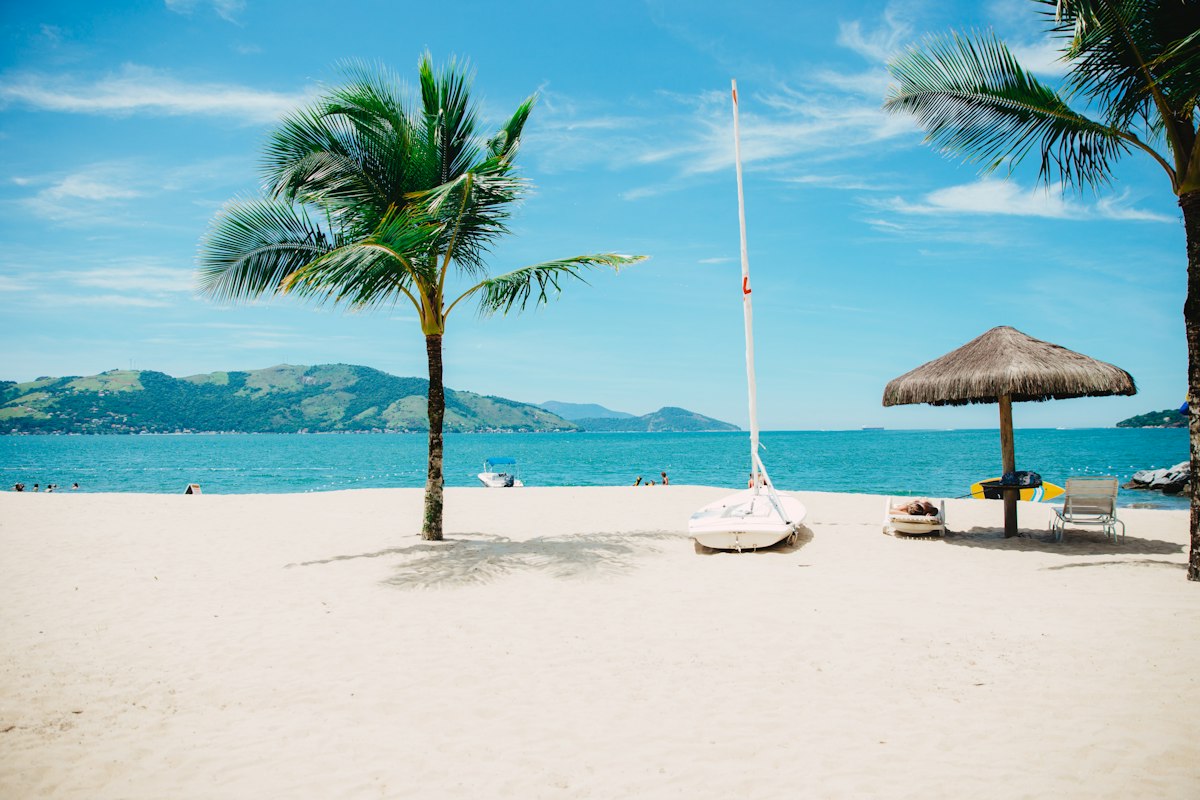
Umbrellas are light, affordable and quick to set up. Look for a vented canopy that lets wind pass through, a sand anchor or screw style base and a tilting pole to follow the sun. Their weakness is limited coverage, since two adults and a cooler can outgrow one umbrella quickly. Choose a wider canopy of seven to nine feet for families.
Pop Up Tents
Pop up tents offer a sheltered space with walls on three sides, which helps with wind, privacy and napping babies. Choose UPF 50 plus fabric, mesh windows for airflow and sand pockets to anchor the base. They are heavier to carry than umbrellas, and some beaches restrict tent sizes, so check local rules first.
Pair your shade with sun care and a hat for full coverage.
Canopies and Cabanas
Canopies and cabanas cover the largest area, making them ideal for groups, parties and long stays. Frames of steel or aluminum with adjustable legs are common. Setup takes longer, wind can lift them if they are not well anchored, and some beaches ban them. Weigh the roominess against the effort of carrying and anchoring.
Shade Structures Beach Buying Guide
- Group size: Match the footprint to the number of people and coolers
- Wind: Choose vented tops and strong anchors for breezy coasts
- Weight and carry: Look for a carry bag with a shoulder strap
- UPF rating: Aim for UPF 50 plus fabric
- Rules: Check beach regulations on size and style
The CDC notes that shade is one of the simplest ways to reduce sun exposure.
Setup and Wind Safety
Set up above the high tide line and on firm sand. Bury umbrella poles at least a foot deep, and angle the canopy into the wind so it does not lift like a sail. Weigh down tent and canopy legs with sand bags, not just stakes. Take structures down in strong gusts or when thunder approaches, since flying umbrellas injure beachgoers every year. Rinse metal parts with fresh water after each trip to prevent rust, and let fabric dry fully before storing. Check poles, seams and zippers at the start of every season so surprises do not appear on your first beach day.
Match Your Shade to Your Trip
The best setup depends on how you spend your day. For a quick two hour visit with a partner, a light umbrella is plenty. For a family with a baby or toddler, a pop up tent gives a protected nap spot and blocks wind. For a birthday, reunion or long weekend, a large canopy gives room for chairs, tables and coolers. Many regular beachgoers own two options, a small umbrella for easy days and a larger tent for big outings. Think about how far you must carry gear from the car, since a heavy tent can turn a short walk into a chore. Test your shade at home first, so assembly at the beach takes minutes instead of an hour.
Frequently Asked Questions
Which is best for a family with a baby? A pop up tent with UPF 50 plus fabric and mesh windows.
Do I still need sunscreen in the shade? Yes, because reflected UV reaches you.
How do I stop my umbrella blowing away? Bury the pole deeply, use a sand anchor and tilt into the wind.