Vitamin E in SPF Lip Balm: What It Does and Why It Matters
Vitamin E appears on the ingredient list of most quality SPF lip balms — typically listed as tocopherol or tocopheryl acetate. It's an ingredient people recognize as beneficial, but most users don't know exactly what it's doing in a lip care formula, how it interacts with the UV filter actives, or why its presence makes the product more effective than SPF alone.
What Vitamin E Is | How UV Creates Oxidative Stress | Vitamin E's Specific Mechanism | The SPF + Antioxidant Combination | The Photostabilization Effect | How to Identify It on a Label | FAQ
What Vitamin E Is and Why It’s in Skin Care
Vitamin E is a fat-soluble vitamin and one of the most well-studied antioxidants in the skin care literature. "Vitamin E" refers to a family of related compounds; tocopherol (specifically alpha-tocopherol) is the most biologically active form and the most commonly used in cosmetic formulations. In skin care, it serves multiple functions: antioxidant (neutralizing free radicals), emollient (conditioning and softening skin), barrier support (strengthening the lipid barrier), and wound healing support. In SPF lip balm specifically, all four functions are relevant.
How UV Creates Oxidative Stress — The Problem Vitamin E Addresses
UV radiation damages skin through two parallel pathways. The first — direct DNA damage from UVB — is addressed by the UV filter actives (the SPF component). The second pathway is oxidative stress:
- UVA photons penetrate the dermis and are absorbed by chromophores in skin tissue.
- This absorption generates reactive oxygen species (ROS) — unstable molecules with an unpaired electron, commonly called free radicals.
- Free radicals attack adjacent molecules — collagen fibers, elastin, lipid membranes, DNA — in a chain reaction that continues even after UV exposure ends.
- The cumulative result is collagen breakdown, elastin degradation, lipid peroxidation of cell membranes, and visible photoaging.
SPF filter actives block the UVB that causes direct DNA damage, but they don't fully address the UVA-driven oxidative stress pathway. That's where vitamin E enters the formula.
Vitamin E’s Specific Mechanism: Interrupting the Free Radical Chain
- Lipid peroxidation: the wax and oil components of the lip's surface are lipid-based. Free radicals attack these lipid structures readily. Vitamin E's fat-soluble character places it in the same lipid environment where these reactions occur — exactly where it's needed.
- Collagen protection: the dermis of lip skin contains collagen and elastin that provide structural support. Oxidative stress degrades these structural proteins. Vitamin E's antioxidant action protects these structures during UV exposure.
- Membrane protection: the cell membranes of lip skin cells are lipid-based and vulnerable to free radical attack. Vitamin E, incorporated into cell membranes in normal metabolic processing, provides in-situ antioxidant protection.
An important and underappreciated fact: UV oxidative damage continues after you leave the sun. The free radicals generated by UVA exposure during a beach day continue to react with lip skin tissue for hours after the UV exposure has ended — sometimes called "dark UV damage." Vitamin E in a lip balm applied both during and after sun exposure provides antioxidant protection that addresses this extended damage window.
The SPF + Antioxidant Combination: Greater Than Either Alone
- UV filter actives block UV before it reaches skin tissue — preventing both direct DNA damage and the UV dose that initiates oxidative stress.
- Vitamin E neutralizes the free radicals generated by the UV that does reach skin tissue despite the SPF filter.
No UV filter is 100% effective. SPF 45 blocks 97.8% of UVB, meaning 2.2% reaches lip tissue. The antioxidant component addresses the damage from the UV that passes through — providing a second layer of protection that the UV filter actives cannot.
The Photostabilization Effect
Vitamin E has a secondary benefit in SPF formulas separate from its antioxidant role: it acts as a photostabilizer for certain UV filter actives, particularly avobenzone. Avobenzone is a broad-spectrum UVA filter that degrades under UV exposure — it absorbs UV to provide protection but is broken down in the process. Vitamin E slows this degradation, extending the effective UVA filtering capacity during the 2-hour outdoor application interval.
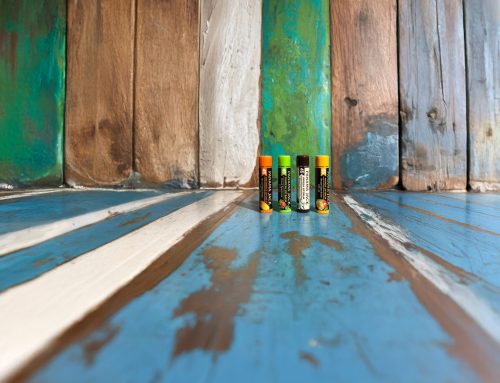
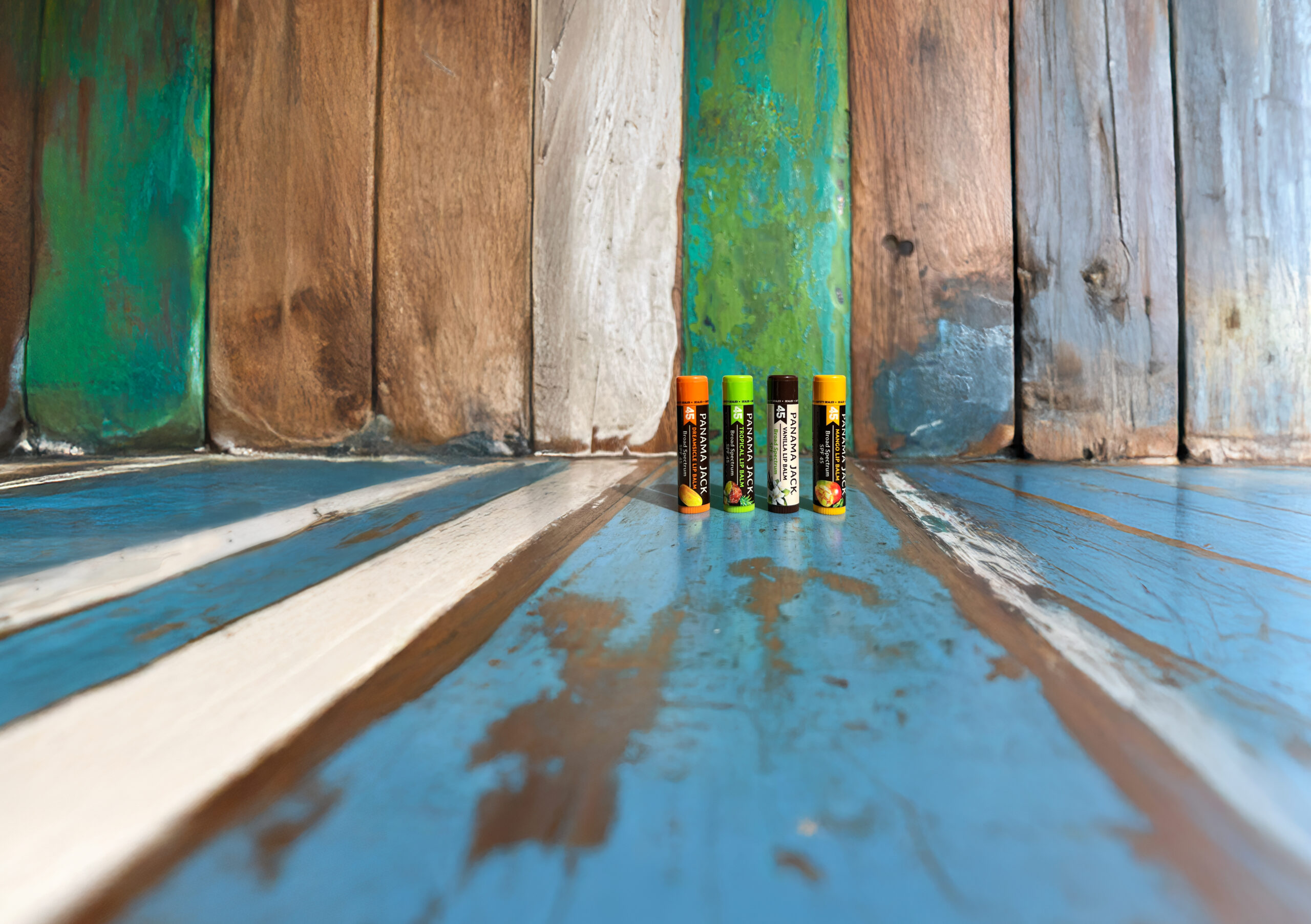
Panama Jack SPF 45 Lip Balm — UV filter actives plus vitamin E for protection and antioxidant defense together. All five flavors on Amazon.
Shop Panama Jack SPF 45 on Amazon →
Frequently Asked Questions
Is tocopheryl acetate the same as vitamin E?
Tocopheryl acetate is a more stable esterified form of alpha-tocopherol (vitamin E). It converts to active alpha-tocopherol through enzymatic activity in skin tissue. It's used in cosmetics because it's more stable during formulation and storage. Both are appropriate sources of vitamin E activity in lip balm.
Does vitamin E help repair sunburned lips?
Yes — the antioxidant action of vitamin E helps neutralize the oxidative stress that continues after UV exposure. Applying vitamin E-containing lip balm after sun exposure addresses the extended free radical damage window. Combine with aloe vera gel for complete post-sun lip care.
How can I tell if my lip balm has enough vitamin E?
Vitamin E should appear in the first half of the inactive ingredients list for meaningful concentration. Its listed names are tocopherol, tocopheryl acetate, or vitamin E. Products that list it near the very end of a long ingredient list may have it at insufficient concentrations to provide meaningful antioxidant activity.
- Beeswax vs Carnauba Wax in Lip Balm: How the Base Affects Protection
- Lip Moisturizer With SPF: How to Keep Lips Plump and Protected
- The Science of Sun Damage: What UV Actually Does to Your Skin Over Time