
Tropical Flavored SPF Lip Balm: Fun and Functional Sun Care
There's a serious case to be made for tropical flavored SPF lip balm as one of the most effective sun protection delivery vehicles available — and the argument isn't about ingredients. It's about behavior. The formula that gets applied and reapplied consistently throughout a beach day is the formula that actually protects lips. And for a significant portion of the lip balm-using population, tropical is the flavor that achieves that compliance.
The Compliance Science of Flavor | What 'Tropical' Flavor Actually Is | Tropical vs Mango vs Dreamsicle | Why Tropical Works for Kids | The Same SPF 45 Inside Every Formula | When to Reach for Tropical | FAQ
The Compliance Science of Flavor in SPF Products
Sun protection compliance research consistently demonstrates that sensory experience drives adherence. Products that provide a pleasant sensory reward are used more consistently and reapplied more frequently than functionally equivalent products with less appealing sensory profiles.
For lip balm specifically, the compliance pathway is direct: the flavor creates a positive sensory reinforcement loop. The experience of applying a tropical-flavored lip balm is pleasant → the behavior gets reinforced → the behavior is repeated at the frequency that UV protection requires.
The average beach day should involve 3–5 lip balm reapplications: initial application at home, after the first swim, after lunch, after the afternoon swim, and before leaving the beach. Research on actual beach-day sun protection behavior shows that most users perform 1–2 reapplications rather than the required 3–5. Flavor-driven compliance doesn't eliminate this gap, but it meaningfully narrows it — users who enjoy the sensory experience of their lip balm are significantly more likely to reach the 3–4 application target.
What ‘Tropical’ Flavor Actually Is
- Primary notes: a combination of pineapple, coconut, and passionfruit flavor compounds creates the bright, citrus-adjacent tropical character.
- Coconut component: coconut flavor notes are central to most tropical formulations — both for their own sensory character and for their resonance with the beach and sun care context. The association between coconut scent/flavor and beach sun care is deeply culturally embedded from decades of coconut-oil tanning products.
- Sweetness balance: deliberately set to be pleasant without being cloying — noticeable during application, not persistent through the mouth-breathing of a beach day.
Tropical vs Mango vs Dreamsicle: Understanding the Range
| Flavor | Profile | Best Use Case |
|---|---|---|
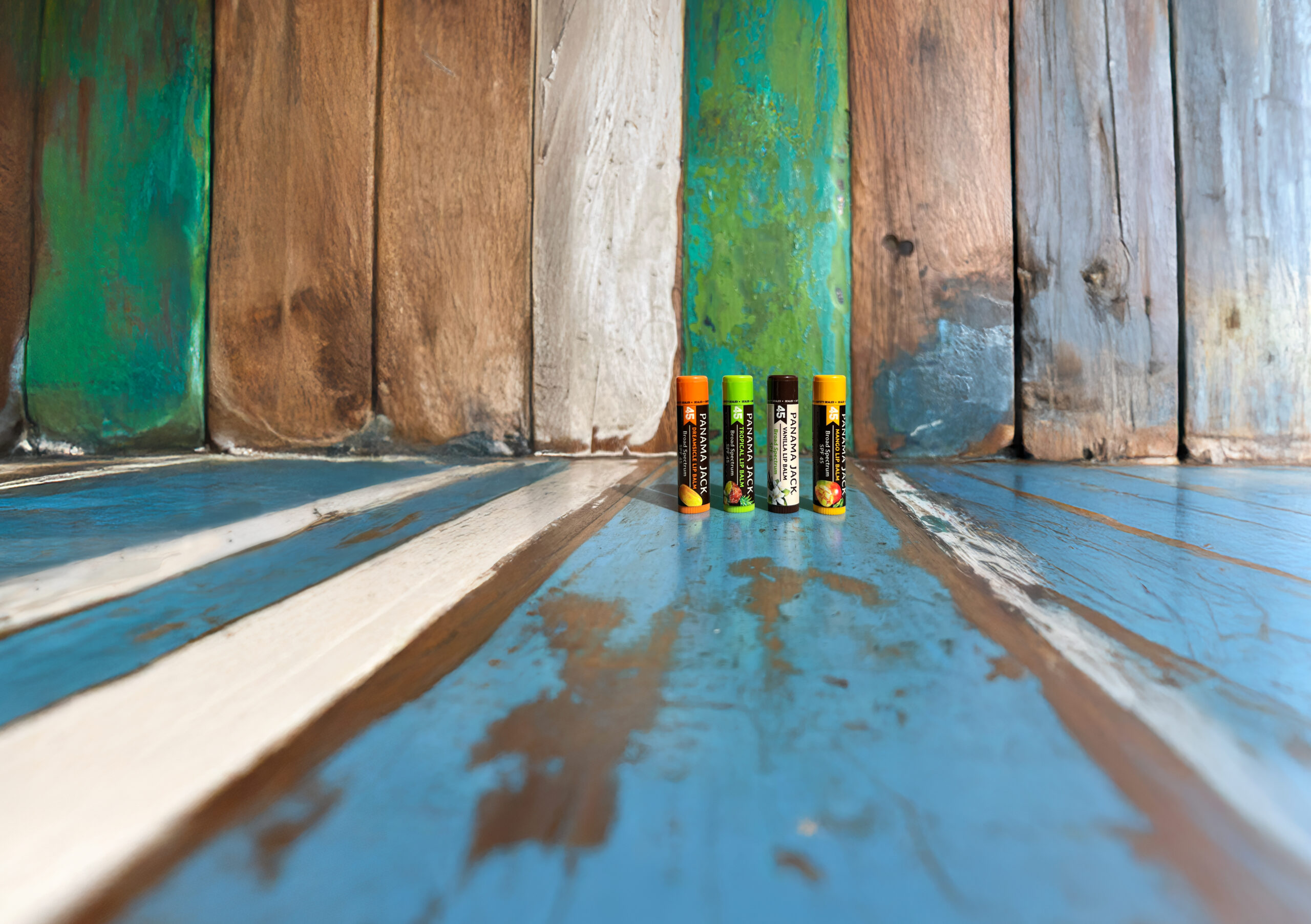
| Tropical | Bright, multifruit, coconut-forward | Beach days; children; high-compliance summer use |
| Mango | Sweet, distinctive, single-fruit focus | Children; users who want a clear reapplication signal |
| Dreamsicle | Orange cream — nostalgic, familiar | Adults; everyday summer use; nostalgic appeal |
| Vanilla | Warm, subtle, seasonally neutral | Year-round everyday; conservative contexts |
| Flavorless | Zero flavor presence | Athletes; sensitive skin; clinical contexts |
Why Tropical Works Especially Well for Children
- Positive flavor association: children who enjoy the taste of their lip balm approach it voluntarily rather than needing to be reminded. A tropical-flavored lip balm becomes a treat rather than a chore.
- Control and agency: offering a choice between Tropical and Mango gives children a sense of ownership over their sun protection routine.
- The visible sensory cue: the shine and tactile presence of lip balm fades visibly; children notice this and respond to the reapplication cue more readily when the product has a flavor they enjoy.
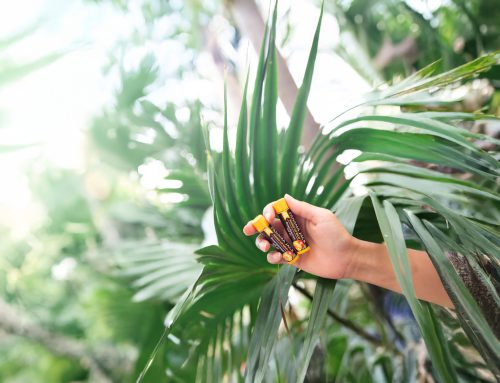
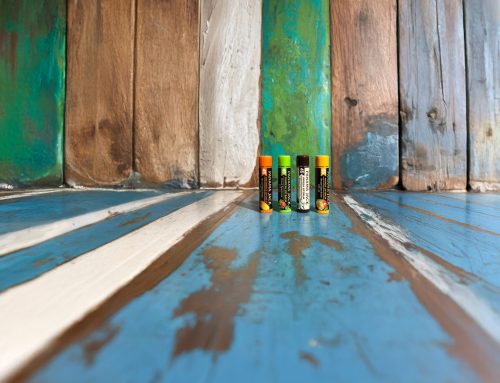
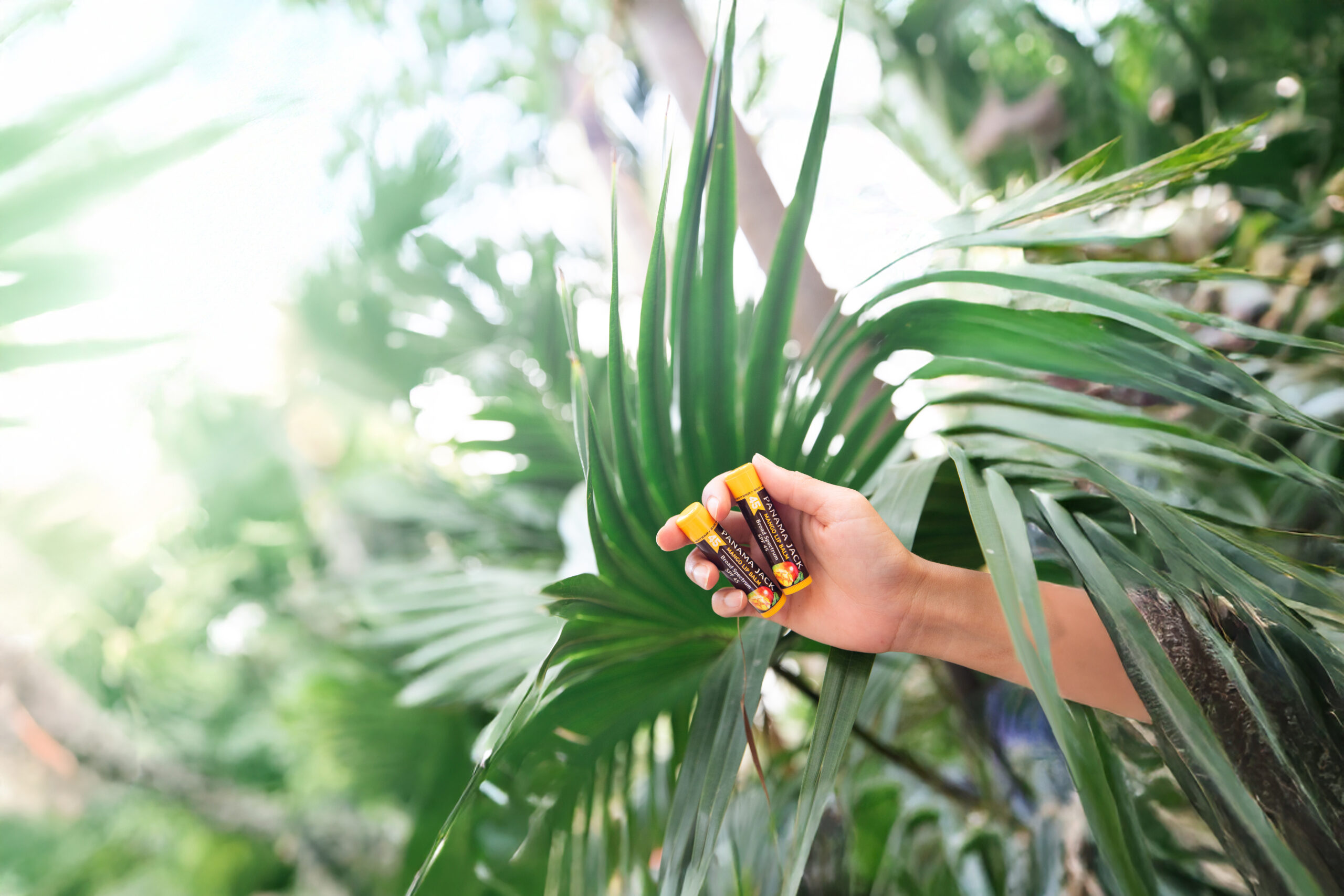
Panama Jack Tropical SPF 45 Lip Balm — the beach-compliance champion for adults and kids. Same SPF 45 protection as every other formula in the range. Available on Amazon.
The Same SPF 45 Inside Every Flavor
The UV filter actives in Panama Jack's Tropical SPF 45 lip balm are identical to those in the Dreamsicle, Mango, Vanilla, and Flavorless formulas. The flavor compounds are in the inactive ingredient list — they do not affect the concentration or performance of the UV filter actives.
The protection is not diluted by fun. SPF 45 Tropical filters 97.8% of UVB — the same as SPF 45 Vanilla, the same as SPF 45 Flavorless. If tropical flavor makes you or your children more likely to reapply on the beach, then the Tropical formula is delivering better real-world lip UV protection than an unflavored alternative used less consistently. That's not marketing; it's applied behavioral science.
Panama Jack SPF 45 Multi-Pack — all five flavors, same SPF 45. Stock the beach bag with Tropical for the kids, your flavor of choice for yourself. Available on Amazon.
Frequently Asked Questions
Does the tropical flavor fade and leave lips unprotected?
The flavor experience fades as it's tasted and metabolized; the UV filter film on the lip surface continues providing protection until physically removed by eating, drinking, swimming, or wiping. Fading flavor is a reapplication signal, not evidence that protection has ended.
Is tropical lip balm appropriate for everyday use year-round?
Absolutely — the beach association is cultural, not functional. Some users find tropical flavor bright and summery for daily wear year-round; others find it better suited to outdoor and vacation contexts. There's no functional reason it can't be used year-round.
What age is Panama Jack SPF 45 appropriate for children?
Panama Jack SPF 45 lip balm is appropriate for use by children. Apply as part of the same sun protection routine as body sunscreen; reapply every 60–90 minutes and after any eating, drinking, or swimming.