
SPF Lip Balm for Skiing: Why High-Altitude Sun Is Harder on Lips
Skiing is one of the highest UV-exposure activities most recreational participants encounter — not because it's particularly sunny at ski resorts, but because the combination of altitude UV amplification and snow reflection creates UV intensity levels that can exceed a clear summer beach day at sea level. And because cold, wind, and dry mountain air simultaneously strip moisture from lip skin, the conditions are uniquely damaging.
The UV Science of High Altitude | Snow Reflection: The Most Missed Factor | Cold + Wind: Compounding Damage | Why Lip Balm Wears Off Faster at Altitude | The Chairlift Protocol | Product Specs for Mountain Use | FAQ
The UV Science of High Altitude
| Elevation | UV Index Increase vs Sea Level | Effect on Lip UV Exposure |
|---|---|---|
| Sea level (reference) | 0% | Baseline |
| 1,000m (3,300 ft) | ~10% higher | Marginal increase |
| 2,000m (6,600 ft) | ~20% higher | Significant — common mid-resort elevation |
| 3,000m (9,800 ft) | ~30% higher | Very significant — common summit elevation |
| 3,500m+ (11,500 ft+) | ~35%+ higher | High-altitude resorts: major amplification |
A typical North American ski resort operates between 2,000m and 3,500m elevation. On a clear bluebird ski day at 3,000m, UV intensity is approximately 30% higher than the same clear day at sea level — a meaningfully higher UV dose for every hour on the mountain.
Snow Reflection: The Factor That Makes Skiing More UV-Intensive Than the Beach
Sand reflects approximately 17% of UV back upward. Water reflects approximately 10%. Snow reflects up to 80%. At a ski resort on a clear day, your lips are receiving UV from above (direct solar) and UV reflected upward from the snow surface below. Your lower lip specifically — which faces directly into the snow surface — receives the highest reflected UV dose. This combination explains why unprotected lips burn during skiing with a speed that surprises most skiers.
Cold + Wind: The Compounding Lip Damage at Ski Resorts
- Cold air dehydration: every breath of sub-zero mountain air that contacts lip skin evaporates moisture directly from the lip surface. Over a full ski day, this moisture loss is substantial.
- Wind-driven moisture stripping: the wind chill factor at ski speeds (typically 20–50 km/h) creates high evaporative conditions that accelerate both moisture loss and lip balm removal.
- Balaclava and neck gaiter friction: face coverings that contact the lips during skiing mechanically remove lip balm during use.
Why Lip Balm Wears Off Faster at Altitude
The effective protection window is approximately 45–60 minutes during active skiing, rather than the 2-hour standard for still outdoor conditions:
- Wind speed during ski runs removes the lip balm film from the lip surface.
- Exhalation during heavy aerobic skiing produces humid air that contacts the lip surface and emulsifies the wax film over time.
- Cold temperatures can make the wax film more brittle and less adherent.
The Chairlift Protocol: The Reapplication System That Actually Works
The natural pause of the chairlift ride is the most practical reapplication point during a ski day:
- Consistent timing: every run ends with a chairlift ride — a guaranteed pause that doesn't require extra time.
- Accessible position: on the chairlift, gloves can be easily removed and the lip balm stick reached from a jacket pocket.
- Wind protection: the lower relative speed on the chairlift provides better application conditions than during a ski run.
The chairlift protocol: every time you get on the lift, apply Panama Jack SPF 45 to lips, ears, nose bridge, and any other exposed facial skin. One consistent habit covers the entire mountain day.
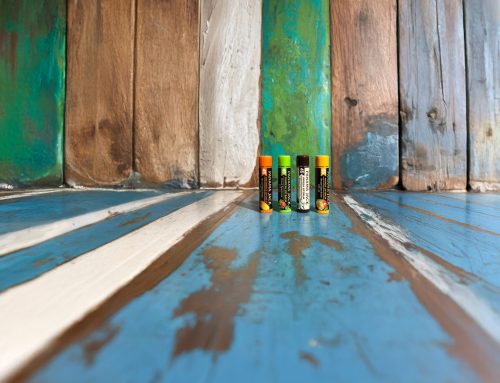
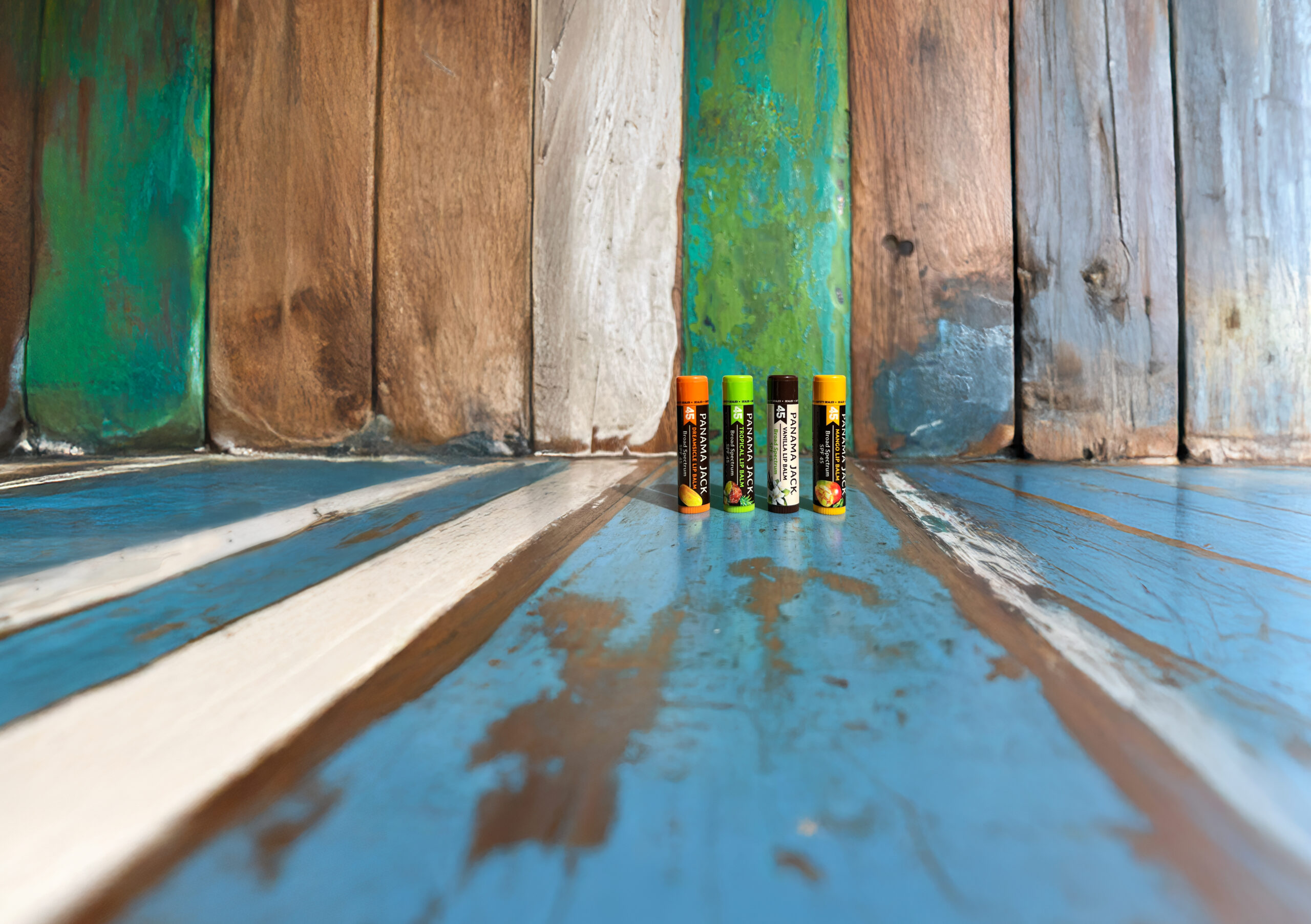
Panama Jack SPF 45 Flavorless — the sensory-neutral choice for high-intensity mountain breathing. Available on Amazon.
Frequently Asked Questions
Is SPF 50 necessary for skiing?
SPF 50 is recommended for elevations above 3,000m and during spring skiing when UV index values peak. At lower-elevation resorts and on overcast days, SPF 45 provides excellent protection. Given the extended UV exposure of a full ski day, having the higher-SPF option for high-elevation conditions is worth it.
Should I apply lip balm before or after putting on a helmet?
Before — apply to lips, cheeks, nose, and ears before putting on any helmet, face shield, goggles, or balaclava. Getting lip balm on after the helmet is secured is difficult and results in missed areas.
Can I apply lip balm over chapped lips from previous ski days?
Yes — Panama Jack SPF 45 can be applied over mildly chapped lips and will provide both UV protection and moisture conditioning. For more severely cracked lips, allow a day of healing with a simple occlusive lip treatment before returning to SPF lip balm.
- Best SPF Lip Balm for Athletes: Protection That Holds Up Through Sweat
- Why Men Should Use SPF Lip Balm (And Why Most Don't)
- What Makes SPF 45 Lip Balm Different From SPF 30 or 50?