
Mango Lip Balm Ingredients: Why Tropical Extracts Work for Lip Care
Mango flavor in lip balm isn't just a pleasant sensory choice — mango-derived compounds have documented properties specifically relevant to lip care. Understanding what's in a mango SPF lip balm, and why tropical fruit extracts show up in quality formulations, gives you a clearer picture of how a product that tastes good can also work better.
What Mango Extract Actually Is | Mango Butter: The Functional Ingredient | The Compliance Science of Mango Flavor | Mango vs Other Tropical Emollients | FAQ
What Mango Extract Actually Is
The term "mango" covers two separate ingredient categories in lip balm formulations — mango butter and mango flavoring — and they serve completely different purposes:
| Ingredient | Source | Function in Lip Balm |
|---|---|---|
| Mango Butter (Mangifera indica Seed Butter) | Cold-pressed from mango seed | Emollient; barrier support; rich in oleic acid |
| Mango Flavor / Fragrance | Natural or nature-identical flavor compounds | Sensory experience; compliance driver |
| Mango Seed Oil | Extracted from mango seed | Antioxidant; emollient; skin conditioning |
Mango Butter: The Functional Ingredient
- Fatty acid composition: mango butter is particularly rich in oleic acid (omega-9), stearic acid, and palmitic acid. These fatty acids mirror the composition of the skin's natural lipid barrier, giving mango butter exceptional skin affinity and integration with lip tissue.
- Emollient action: mango butter melts at slightly above body temperature, transitioning from solid to semi-liquid on contact with warm lip tissue. This phase transition delivers emollient fatty acids directly to the lip surface in a highly bioavailable form.
- Antioxidant content: mango butter contains tocotrienols (a form of vitamin E) and mangiferin, a xanthone with documented antioxidant and anti-inflammatory properties that contribute to the formula's overall antioxidant activity.
- Moisture sealing: the occlusive properties of mango butter complement the wax matrix by sealing moisture into lip tissue, reducing transepidermal water loss during outdoor exposure.
The Compliance Science of Mango Flavor
Beyond the functional ingredients, the mango flavor experience is a genuine sun protection tool — not merely a cosmetic feature:
- Strong flavor signal: mango has one of the most recognizable and distinctive flavor profiles of any tropical fruit. This distinctiveness creates a clear sensory cue — when the mango character fades, the signal to reapply is unmistakable.
- Positive association: the mango flavor creates a positive sensory experience that reinforces reapplication behavior. Users who look forward to the flavor are more likely to reapply voluntarily at the intervals UV protection requires.
- Children's compliance: among Panama Jack's five flavors, Mango is particularly effective for children. The bright, sweet, recognizable character drives voluntary reapplication that makes SPF protection real.
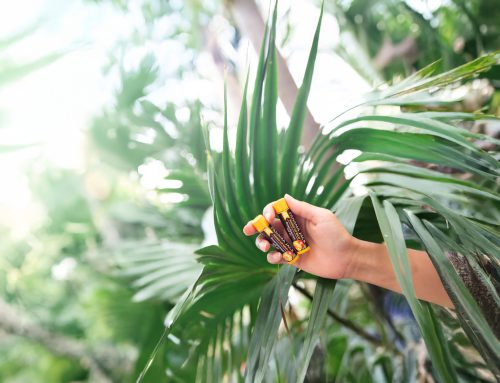
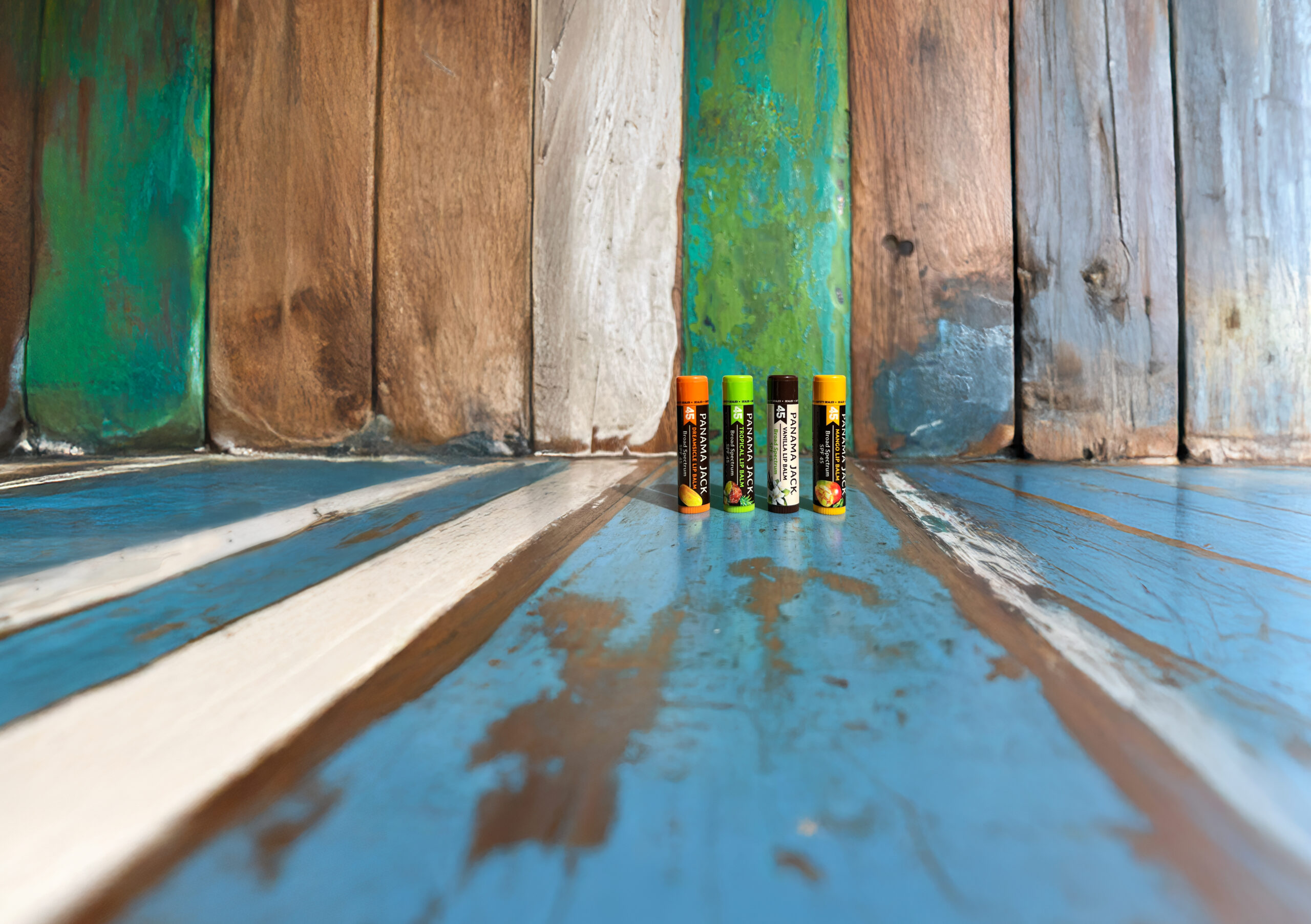
Panama Jack Mango SPF 45 Lip Balm — mango butter conditioning plus 97.8% UVB filtering. Available on Amazon.
Mango vs Other Tropical Emollients
| Ingredient | Oleic Acid % | Key Benefit |
|---|---|---|
| Mango Butter | 38–55% | High skin affinity; phase-change delivery; antioxidant co-factors |
| Shea Butter | 45–55% | Rich emollient; documented anti-inflammatory activity |
| Coconut Oil | 6–8% oleic | Medium-chain fatty acids; rapid absorption |
Mango butter's combination of high oleic acid content, skin-temperature phase transition, and antioxidant co-factors makes it one of the most effective emollient choices specifically for lip care. It provides superior skin conditioning while the mango flavor drives the compliance behavior that turns SPF protection from theoretical to real.
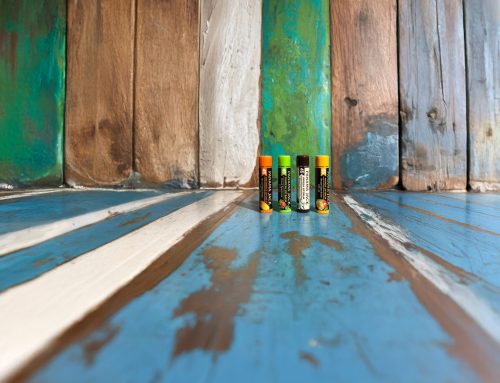
Panama Jack SPF 45 Multi-Pack — all five flavors, same SPF 45 outdoor protection. Available on Amazon.
Frequently Asked Questions
Does mango in lip balm provide SPF protection?
No — mango-derived ingredients contribute emollient and antioxidant properties but do not provide UV filtering. SPF comes entirely from the UV filter actives listed under Active Ingredients on the label. Panama Jack Mango SPF 45 achieves its protection through those filter actives; the mango components enhance the formula's skin conditioning.
Is mango butter the same as mango oil?
No — mango butter is cold-pressed from the mango seed and is semi-solid at room temperature. Mango seed oil is typically the liquid fraction of the same extraction. Both are used in lip balm formulations; the butter form is more commonly used as it contributes to the formula's physical structure alongside the wax base.
Why does mango flavor drive reapplication better than some other flavors?
Mango's distinctive, recognizable flavor profile creates a strong sensory signal that's immediately noticeable and clearly identifiable when it fades. This makes it one of the most effective natural reapplication cues among commonly used lip balm flavors — particularly for children, who respond strongly to the bright, sweet character.