Can Your Lips Get Sunburned? Yes — Here’s What to Do About It
The short answer is yes — and your lips are more vulnerable to sunburn than almost any other skin on your body. Most people don't think about sunburned lips because the symptoms are easy to confuse with ordinary dryness or chapping. But the cause, the mechanism, and the appropriate response are all very different.
Why Lips Burn So Easily | What Lip Sunburn Looks and Feels Like | Lip Sunburn vs Regular Chapping | The Cumulative Damage Risk | Treatment Protocol | Prevention Strategy | FAQ
Why Lips Are the Most UV-Vulnerable Skin on Your Face
- No melanin: lip skin contains no melanocytes — the cells responsible for melanin production that provides some natural UV protection to the rest of your skin. Without melanin, there is zero natural UV defense. Every UV photon that reaches lip tissue is either filtered by applied SPF or causing damage.
- No sebaceous glands: the rest of your facial skin is partially protected by the natural oils produced by sebaceous glands. Lips have no sebaceous glands — no natural oil film.
- Thin epidermis: lip skin's outer layer is significantly thinner than surrounding facial skin, meaning UV radiation reaches the living cells in the dermis with less filtering.
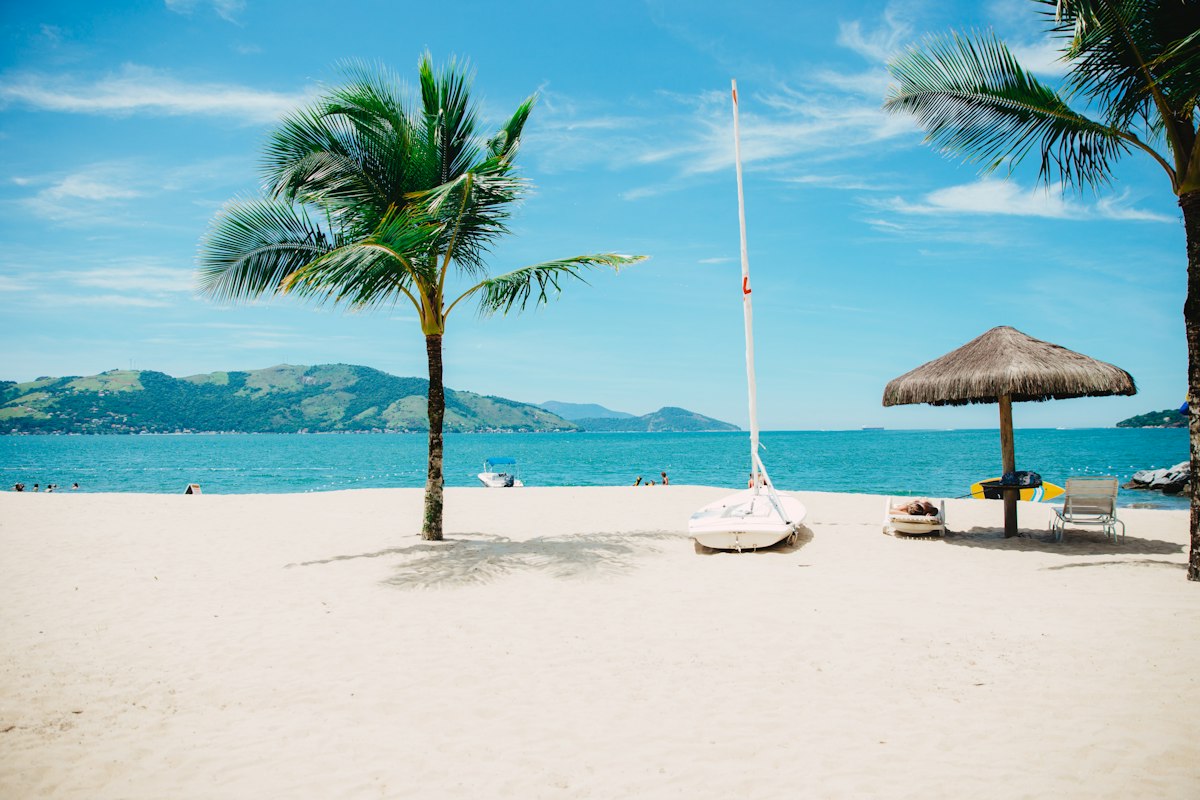
An unprotected beach day — 4 to 6 hours of direct sun exposure — delivers a significant UV dose to lip tissue. Sand reflects approximately 17% of UV back upward. Water reflects approximately 10% upward. Snow reflects up to 80%. At the beach, your lips are receiving both direct UV from above and reflected UV from below — two simultaneous exposure sources on the most UV-vulnerable skin on your face.
What Lip Sunburn Looks and Feels Like
| Stage | Timing | Symptoms | Action Required |
|---|---|---|---|
| Early (mild) | 2–6 hrs post-exposure | Tightness, slight tenderness, beginning dryness | Begin soothing treatment; avoid re-exposure |
| Moderate | 6–24 hrs post-exposure | Visible redness (particularly lower lip), swelling | Active treatment; pain management if needed |
| Peeling stage | 24–72 hrs post-exposure | Skin peeling and flaking; increased dryness | Moisture-focused treatment; do not peel manually |
| Resolution | 3–7 days | Symptoms resolve; new skin exposed | Resume full SPF lip protection |
The lower lip is more frequently and severely sunburned than the upper lip because its angle faces directly toward the sky. When you're looking forward, your lower lip is perpendicular to overhead UV — this geometry means the lower lip receives significantly higher UV exposure throughout the day.
Lip Sunburn vs Regular Chapping: How to Tell the Difference
- Timing and exposure history: if symptoms develop or worsen after outdoor UV exposure, UV is the likely cause. Chapping from dryness develops gradually over days, not acutely within hours of sun exposure.
- Pain quality: lip sunburn involves distinct tenderness and heat that regular dryness doesn't produce. The lips may feel hot to the touch.
- Swelling: UV-burned lips often show some degree of swelling, particularly of the lower lip. Dehydration-related chapping does not typically cause visible swelling.
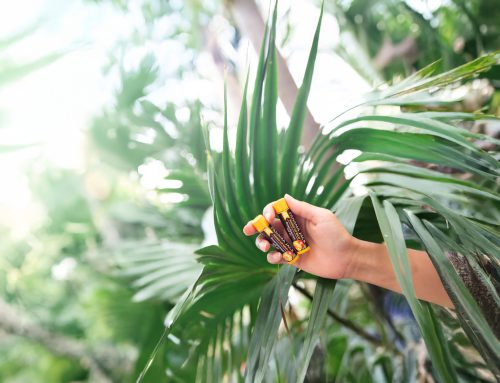
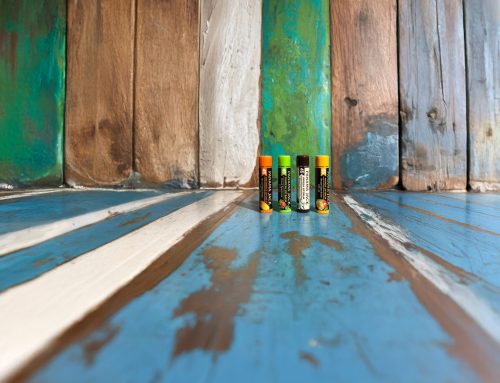
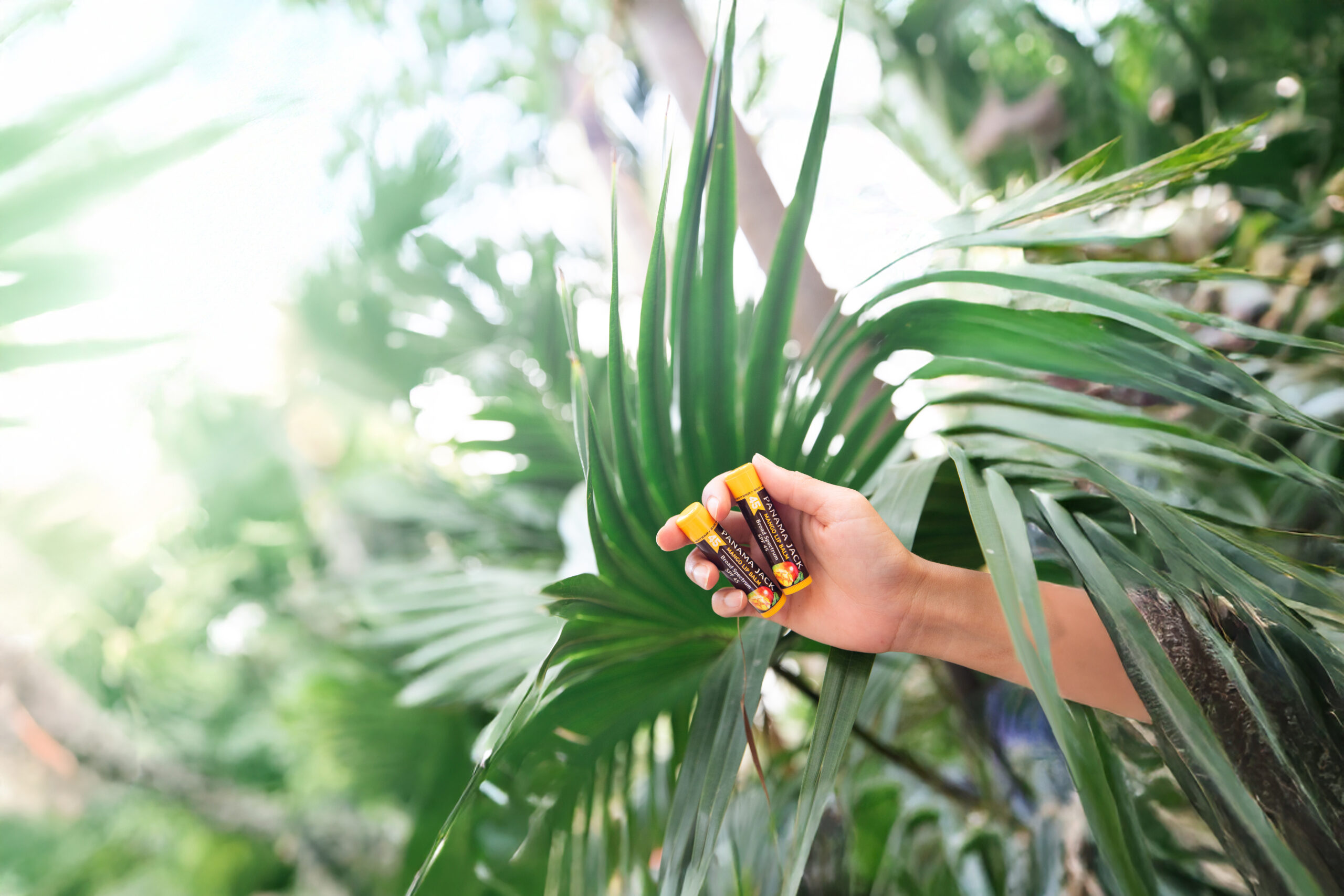
Panama Jack SPF 45 Lip Balm — the prevention that makes this post unnecessary. Apply before every sun exposure. Available on Amazon.
Shop Panama Jack SPF 45 on Amazon →
Treatment Protocol for Sunburned Lips
- Get out of the sun immediately: continued UV exposure on burned lip tissue accelerates damage.
- Cool the area gently: apply a cool (not cold) damp cloth. Do not apply ice directly to sunburned lip tissue.
- Apply aloe vera gel: pure aloe vera gel provides anti-inflammatory compounds that reduce inflammation. Apply generously and allow to dry on the surface.
- Keep lips moisturized: apply a fragrance-free lip balm every 30–60 minutes throughout the day following the burn.
- Do not peel flaking skin: allow peeling to occur naturally to protect the healing tissue beneath.
- Resume SPF lip protection: once the acute burn phase resolves (typically 3–5 days), resume full SPF 45 protection at every outdoor exposure.
Prevention: The Strategy That Actually Matters
- Apply Panama Jack SPF 45 before going outside — not when you arrive at the beach. Chemical UV filters need 15–20 minutes to bind to lip tissue before providing full protection.
- Reapply every 2 hours during outdoor activity, and immediately after every meal, drink, or swim.
- Carry a stick at all times during outdoor season. The most common failure point is not having the product accessible when reapplication is needed.
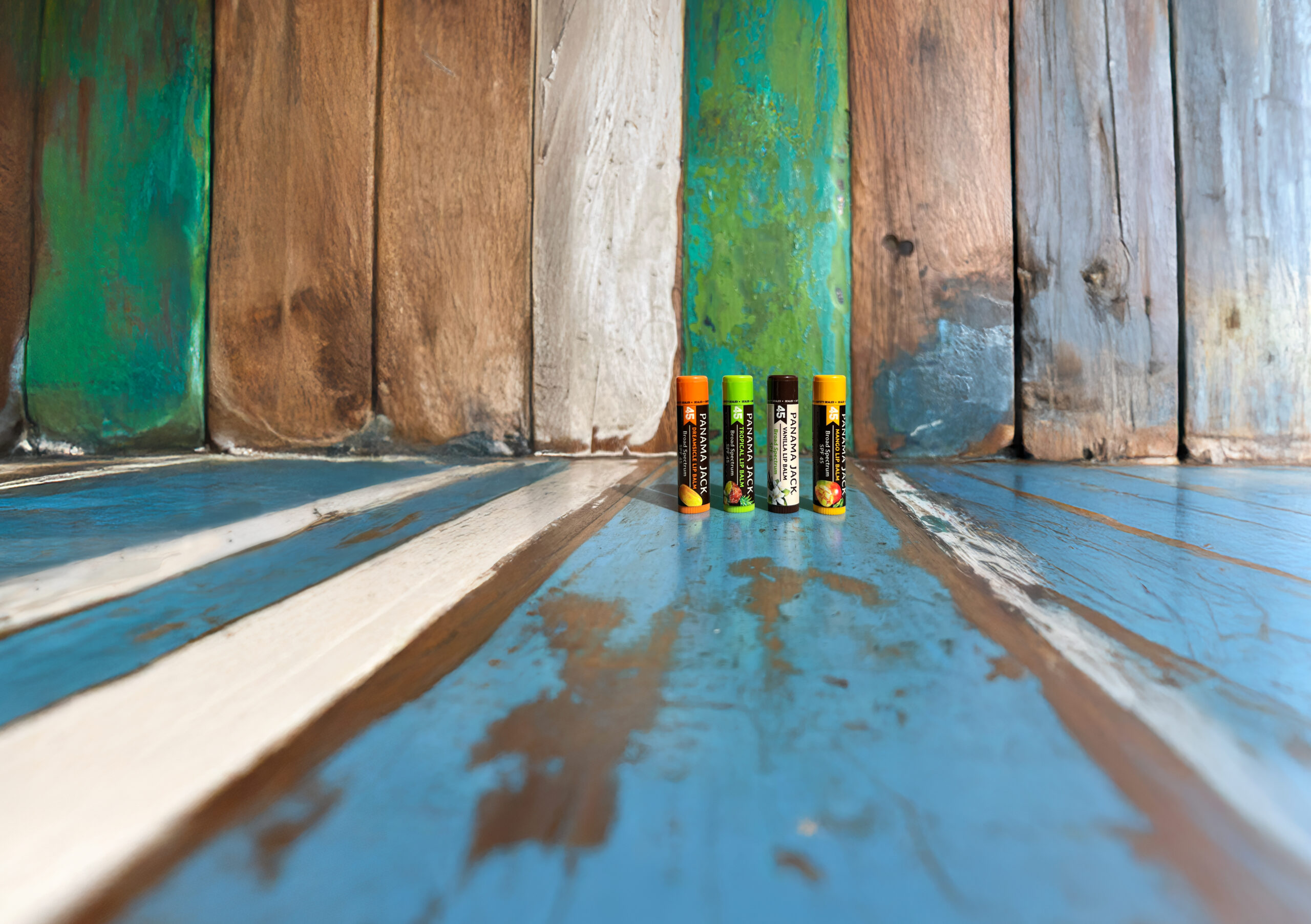
Panama Jack SPF 45 Multi-Pack — prevent lip sunburn at the source. Five flavors, one protection level. Available on Amazon.
Frequently Asked Questions
How long does a lip sunburn take to heal?
Mild lip sunburn typically resolves in 3–5 days with proper moisture and avoiding re-exposure. Moderate burns with visible swelling and peeling may take 7–10 days. Severe burns warrant medical attention.
Does lip sunscreen really work?
Yes — when applied correctly and reapplied on schedule. SPF 45 filters 97.8% of UVB. Common failure modes: applying too little, not applying far enough before sun exposure, and not reapplying after eating, drinking, or swimming.
- When to Reapply SPF Lip Balm: After Eating, Swimming, and More
- Lip Moisturizer With SPF: How to Keep Lips Plump and Protected
- Best Aloe Vera Gel for Sunburn: Cooling Recovery Formulas Ranked for 2026