
Choosing the Right Hat Color: What Goes With What
Hat color is a decision most people make on gut feeling — and most of the time, gut feeling is enough. But understanding the underlying logic of hat color coordination makes every hat decision more reliable and reduces the risk of a hat that fights with every outfit rather than completing any.
The Three Hat Color Zones | Neutral Colors: Why They Dominate | Coordinating With Skin Tone | Matching Hat to Outfit | Hat Band as Wild Card | Common Mistakes | FAQ
The Three Hat Color Zones
- Neutral zone: natural straw (cream/ivory), white, tan, caramel, black, grey, navy. Coordinate with almost any outfit and are safe in virtually any context.
- Warm earth zone: terracotta, rust, olive, warm brown. Coordinate with warm-toned outfits and skin tones; create visual tension with cool grey or blue palettes.
- Accent/statement zone: bright colors, pastels, patterned bands. Function as statement pieces — the rest of the outfit should be quieter.
Neutral Hat Colors: Why They Dominate
| Neutral Color | Works Best With | Notes |
|---|---|---|
| Natural straw (cream/ivory) | Almost everything; white, navy, earth tones | Most versatile single hat color available |
| White | Bold colors; navy; black; pastels | Crisp; can show dirt more than natural straw |
| Tan / caramel | Earth tones; warm whites; olive; terracotta | Excellent for warm skin tones |
| Navy | White; denim; nautical palette; light pastels | Coastal-appropriate; excellent for beach settings |
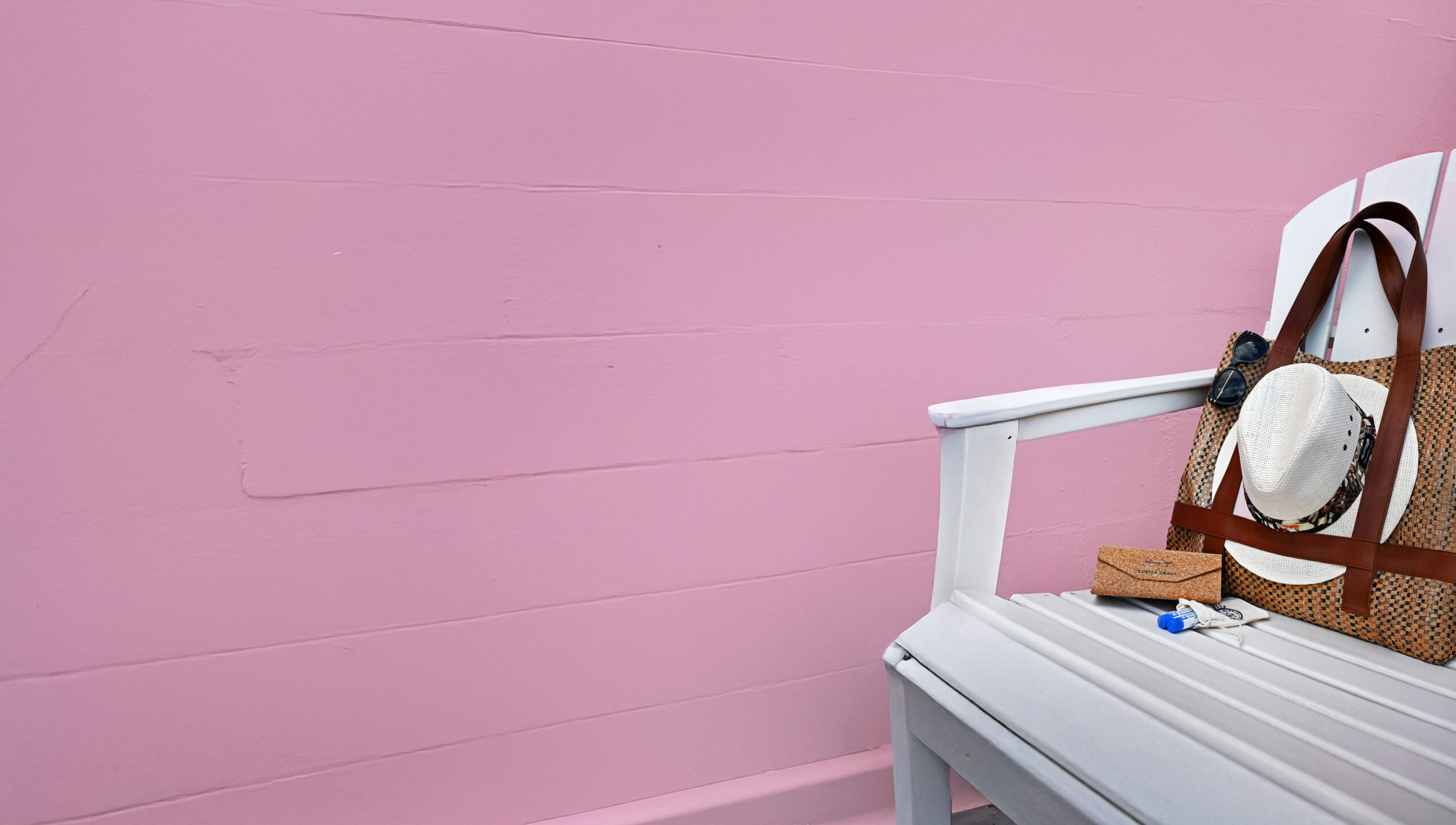
Panama Jack Natural Straw Hats — the most versatile hat color for every skin tone. Available on Amazon.
Coordinating With Skin Tone
- Warm skin tones (yellow, olive, golden undertone): warm hat colors (natural straw, tan, caramel, terracotta) are particularly flattering — they don't create color contrast with skin.
- Cool skin tones (pink, blue undertone): white and light grey-beige hats are more harmonious.
- Deep skin tones: the contrast of a white or natural straw hat against deep skin is striking and tends to be visually powerful.
Matching Hat Color to Outfit
The simplest rule: the hat should complement the outfit's dominant color, not match it exactly. Exact matching reads as costume; complementing reads as intentional.
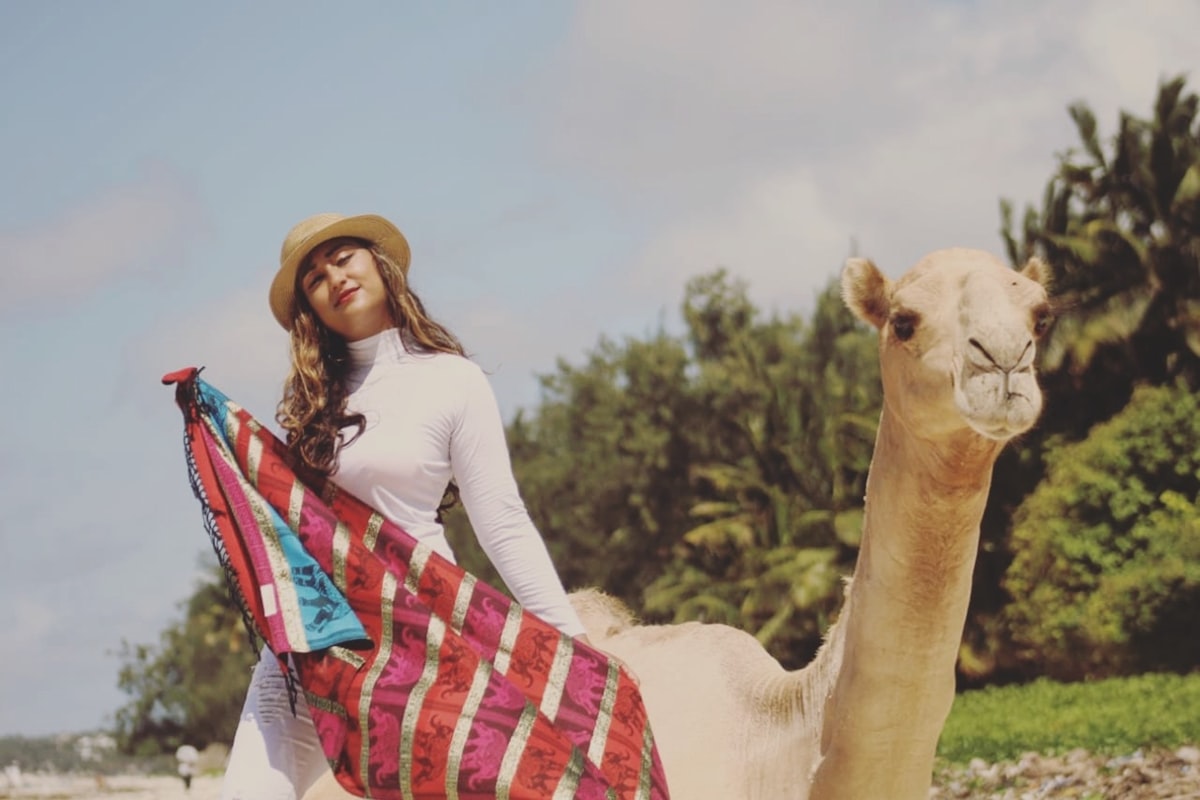
- Natural straw + white outfit: timeless. The slight cream warmth of natural straw creates subtle interest against bright white.
- Natural straw + navy outfit: one of the strongest summer combinations. Warm straw against cool navy is visually clear and seasonally appropriate.
- White hat + bold color outfit: the white hat is neutral enough to let the outfit's color lead.
Hat Band Color as the Wild Card
The hat band is the easiest place to add color to a natural straw hat. A classic black grosgrain band is the most versatile; a navy band coordinates with nautical palettes; a tan or natural band recedes. This is where color personality can enter without changing the hat's neutral-zone body color.
Panama Jack Hat Collection — natural straw in the most versatile color palette for summer. Available on Amazon.
Common Color Mistakes
- Two competing statement colors: a bold outfit with a bold hat creates visual noise rather than interest.
- Cool hat on warm outfit: grey or lavender hat with terracotta outfit creates visual tension. Match temperature zones.
- Perfect matching: hat color that exactly matches one outfit element reads as "too coordinated."
Frequently Asked Questions
What hat color is most versatile?
Natural straw cream/ivory is the single most versatile hat color — warm enough to coordinate with earth tones, neutral enough to work with navy, white, and virtually every other color. It is the default color of quality Panama and straw hats for exactly this reason.
Does hat color affect sun protection?
Yes, slightly — lighter colors reflect more solar radiation than darker colors, keeping the hat interior cooler. This is why natural straw and white hats remain the traditional choice for outdoor sun protection.
- Men's Sun Hat Buying Guide 2026: Every Style, Every Activity Covered
- How to Build a Complete Beach Outfit Around Your Hat
- Panama Jack Hats for Women: Styles, Sizing, and How to Wear Them