
Real vs Fake Panama Hats: How to Spot an Authentic Hat
Here's the first thing to know about Panama hats: the authentic ones are not from Panama. They never have been. The finest Panama hats in the world are hand-woven in Ecuador — specifically in the provinces of Azuay and Manabí — from the fibers of the toquilla palm plant. The Panama name came from the hat's popularity in the 19th century among workers building the Panama Canal and the travelers who passed through the country to reach California during the Gold Rush.
That geographic confusion has persisted for over 150 years, and it's partly responsible for one of the most common hat-buying mistakes people make: purchasing something marketed as a 'Panama hat' that is, in fact, a mass-produced straw imitation with none of the craftsmanship, durability, or provenance of the real thing.
This guide gives you the tools to tell the difference — whether you're shopping in a market in Quito, a boutique in New York, or browsing Amazon at 11pm.
- What Makes a Panama Hat Authentic
- The Toquilla Straw Test
- Weave Quality and Grades
- How Fakes Differ
- Spotting Quality When Shopping Online
- Price as a Quality Signal
- FAQ
What Actually Makes a Panama Hat ‘Authentic’
A genuine Panama hat must meet three criteria:
- It is woven by hand from toquilla straw (Carludovica palmata), a palm-like plant native to Ecuador.
- It is produced using traditional techniques passed down through generations of Ecuadorian weavers — a craft UNESCO listed as Intangible Cultural Heritage of Humanity in 2012.
- The weaving process is carried out by skilled artisans, not machines. The finest hats can take weeks or even months to complete.
- None of these criteria mention Panama. That's the first sign of how misleading the name has always been.
The Toquilla Straw Test
Toquilla straw is the defining material of a genuine Panama hat, and it has distinctive properties that distinguish it from cheaper alternatives:
Color
Natural toquilla straw is ivory to pale cream in color with a very slight greenish undertone when freshly harvested, transitioning to a warm natural white as it ages. It has an organic variation in tone — real toquilla straw never looks perfectly uniform or artificially bleached. Fakes made from synthetic materials or treated grasses often appear uniformly bright white, yellowish, or have a plastic-like sheen.
Texture
When you run your finger along authentic toquilla straw weave, it feels smooth and slightly silky — not scratchy or rough. The fibers themselves are fine and close in feel to a high-quality natural textile. Cheap imitations made from seagrass, synthetic raffia, or paper straw have a noticeably coarser, drier, or more fibrous texture.
Flexibility
One of toquilla straw's most remarkable properties is its flexibility. A high-quality Panama hat can be rolled up tightly enough to fit through a ring and then unrolled without a crease — a trait no paper, plastic, or coarse grass hat can replicate. Authentic toquilla straw bends without cracking or fracturing at the weave.
Understanding Panama Hat Grades
Panama hats are graded based on the fineness of the weave — the number of weaves per linear inch. The grading system runs roughly from Grade 3 (entry-level, casual quality) to Grade 30+ (Montecristi superfino, the finest hat in the world at $10,000+).
Grade 3–5: Entry-level, visible weave lines, suitable for everyday casual wear. Grade 6–8: Good quality, clean weave, appropriate for most buyers. Grade 9–12: Fine weave, excellent craftsmanship, premium quality. Grade 14+: Collector/investment quality, nearly imperceptible individual weave lines, artisan-signed. Montecristi Superfino (Grade 20–30+): Museum-grade. Each hat takes weeks to months to complete.
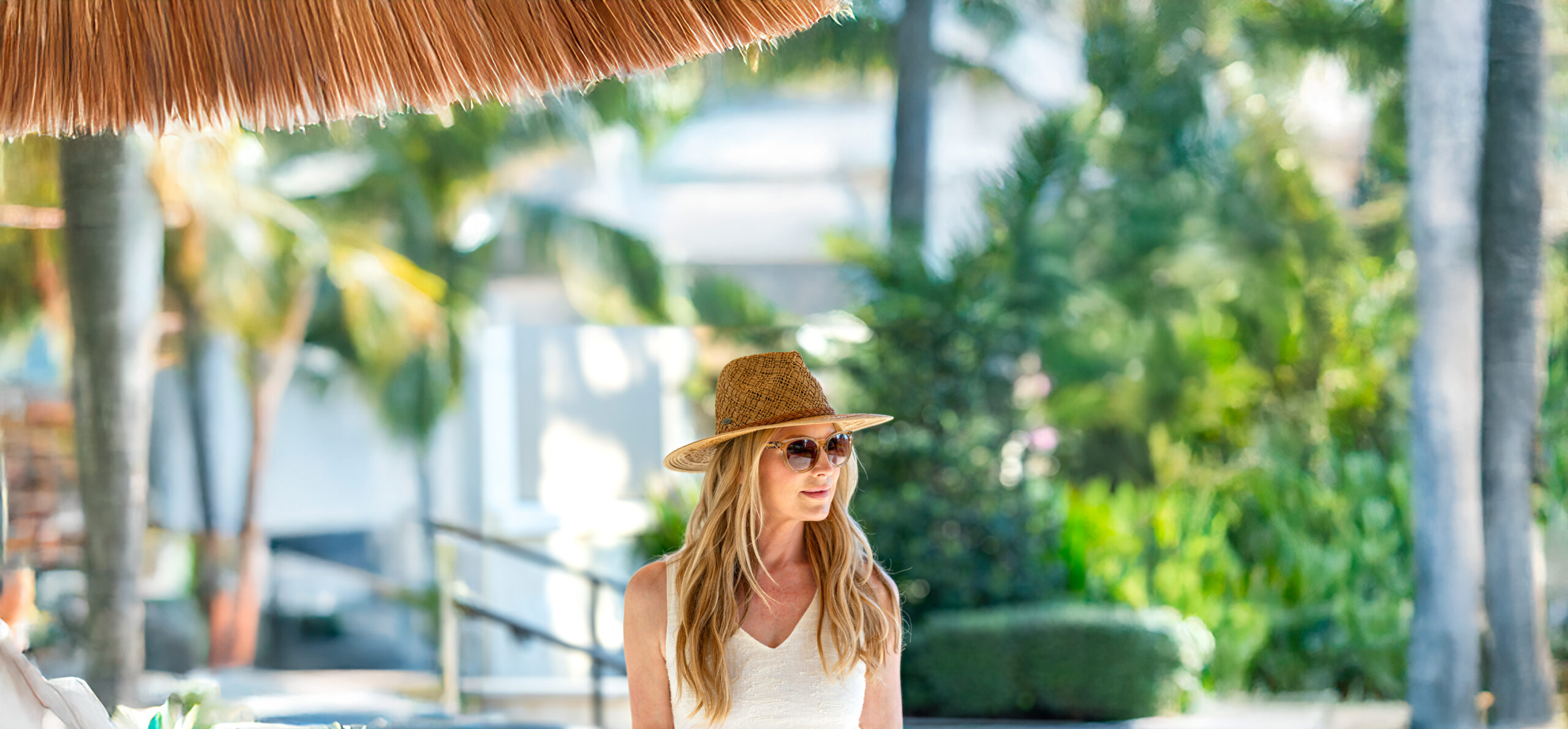
How to Identify a Fake Panama Hat
Here are the most common tells of an inauthentic hat:
- Machine-made weave: Real Panama hats are hand-woven and display slight variations in weave density and pattern. A perfectly uniform, machine-regular weave is a red flag.
- Synthetic straw feel: If the material feels stiff, plasticky, or rough against your palm, it is not toquilla straw. Cheap imports often use paper, seagrass, synthetic raffia, or polyester-based materials.
- Cracking when flexed: Authentic toquilla straw does not crack or splinter when gently flexed. If the brim cracks, it is not the real material.
- Very low price point: A genuine hand-woven Panama hat starts at around $50–80 for Grade 3–5 quality. Anything under $30 labeled 'authentic Panama hat' is not.
- 'Made in China' label on an unqualified product: Not all hats made in China are fake, but a hat labeled 'authentic Panama' that's also labeled 'Made in China' is almost certainly not toquilla straw.
- No weave information: Legitimate Panama hat sellers can tell you the grade, weaving region, and material. Vague descriptions are a warning sign.
Shop Panama Jack Hats on Amazon →
How to Evaluate Quality When Shopping Online
Online shopping for Panama hats requires extra diligence since you can't touch the material. Here's how to protect yourself:
- Read the product description for material specification — look for 'toquilla straw' or 'Ecuadorian straw' explicitly stated.
- Check customer photos in reviews — user-submitted images are more honest than product photography about the actual texture and color.
- Look at the review count and recency. Well-established products with hundreds of verified reviews from real buyers are far more reliable.
Check the seller's return policy. Legitimate quality hat sellers offer returns. A no-return policy on a 'premium' product is a red flag.
Search for the brand name independently — is there a brand history, a story, a real place of origin mentioned?
Price as a Quality Signal
A genuinely hand-woven toquilla straw hat cannot be produced cheaply. The labor involved is significant — Grade 6 hats take a skilled weaver 10–14 hours; Grade 10 hats take 30+ hours; Montecristi superfinos can take 6 months or more. This is skilled artisan labor, not factory production.
That said, price alone is not a guarantee of authenticity — plenty of hats are overpriced for what they are. But a very low price is a near-certain signal of either non-toquilla materials, machine production, or both.
Frequently Asked Questions
Q: Are all Panama hats made in Ecuador?
A: Authentic Panama hats are traditionally made in Ecuador using toquilla straw. Many hats sold as 'Panama hats' are actually made in other countries from different materials — these are stylistically similar but not technically authentic toquilla straw Panama hats.
Q: What is the best Panama hat grade for everyday wear?
A: A Grade 6–8 Panama hat provides an excellent balance of quality, durability, and price for everyday use. You'll get a noticeably superior hat to entry-level grades, with a clean weave and a lifespan of many years with proper care.
Q: Can you wash a genuine Panama hat?
A: Do not submerge or machine wash a toquilla straw Panama hat. Spot clean with a slightly damp cloth, allow to dry naturally away from direct heat, and store on a hat form or in a box to maintain the crown shape.
Q: Does Panama Jack make authentic Panama hats?
A: Panama Jack's hat collection celebrates the iconic Panama hat aesthetic — offering quality straw hat styles built for beach and outdoor wear. Check the product listing on Amazon for specific material descriptions and customer reviews on each style.
Q: How do I know if my online Panama hat purchase was authentic?
A: Check the material listing explicitly for toquilla straw and Ecuadorian origin. Examine customer photos in reviews. When in doubt, contact the seller directly and ask for the material certification and weaving origin.
Conclusion
The world's finest hat has the world's most confusing name — and that confusion has spawned a global market of imitations. Genuine toquilla straw Panama hats are flexible, silky, hand-woven works of craftsmanship that last for decades with proper care. When shopping online, prioritize transparency of materials, verified reviews, and a price point that reflects the labor involved. And for beach-ready hat style that delivers proven quality at every price point, Panama Jack's straw hat collection on Amazon is the place to start.
Related Reading
- How Panama Hats Are Made: Inside the Ancient Craft of Montecristi
- Panama Hat Grades Explained: From Grade 1 to Grade 40
- Best Panama Hats on Amazon 2026: A Complete Buyer's Guide