
Do Hats Damage Your Hair? The Truth About Hat Hair
The claim that hats damage hair or cause hair loss has been circulating for decades. Like most persistent hair myths, it contains a kernel of truth embedded in significant exaggeration. The accurate answer: hats rarely damage hair in normal use.
The Short Answer | Does Hat-Wearing Cause Hair Loss? | Traction Alopecia: The Real Risk | Hat Hair Explained | Scalp Health Under a Hat | How to Prevent Hair Problems | FAQ
The Short Answer
Wearing a properly fitted hat in normal outdoor use does not damage hair or cause hair loss. The main hair issues associated with hat-wearing are: temporary hat hair (mechanical flattening, fully reversible), and — in rare cases of very tight, very frequent wear over extended periods — potential contribution to traction-related hair stress.
Does Hat-Wearing Cause Hair Loss?
No — not in the direct sense most people fear. Hair loss is primarily determined by genetics, hormones, and certain medical conditions. Wearing a hat does not block oxygen to the hair follicle (follicles receive nutrients from blood flow, not surface air), does not prevent sebum from reaching the scalp, and does not cause androgenic alopecia. Men predisposed to pattern hair loss may wear hats more to conceal thinning hair — creating a correlational appearance of hats causing hair loss, without a causal mechanism.
Traction Alopecia: The Real Risk
Traction alopecia is hair loss caused by sustained mechanical tension on the hair shaft and follicle. It is associated with tight hairstyles (braids, ponytails, extensions) worn chronically. A very tight hat worn for extended periods could theoretically contribute to traction-related stress — but this requires a hat considerably tighter than properly fitted headwear, worn for many hours daily over months. A properly fitted hat exerts no meaningful traction force on the hair.
Hat Hair: What It Is and What It Isn’t
Hat hair is the temporary mechanical deformation of the hair shaft caused by the sweatband pressing against the hair during wear. It is:
- Fully reversible: resolves within minutes to hours after removing the hat.
- Not damaging: the hair shaft is not broken — it is temporarily compressed.
- Managed by style: wearing a hat over already-styled hair creates less hat hair than over unstyled hair.
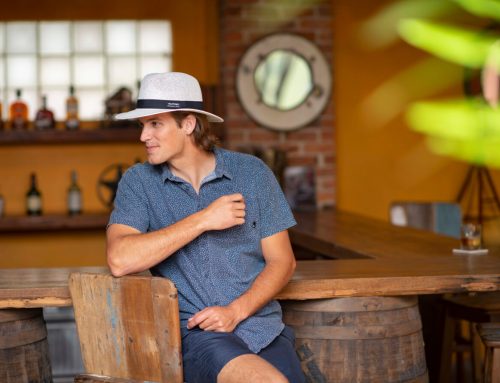
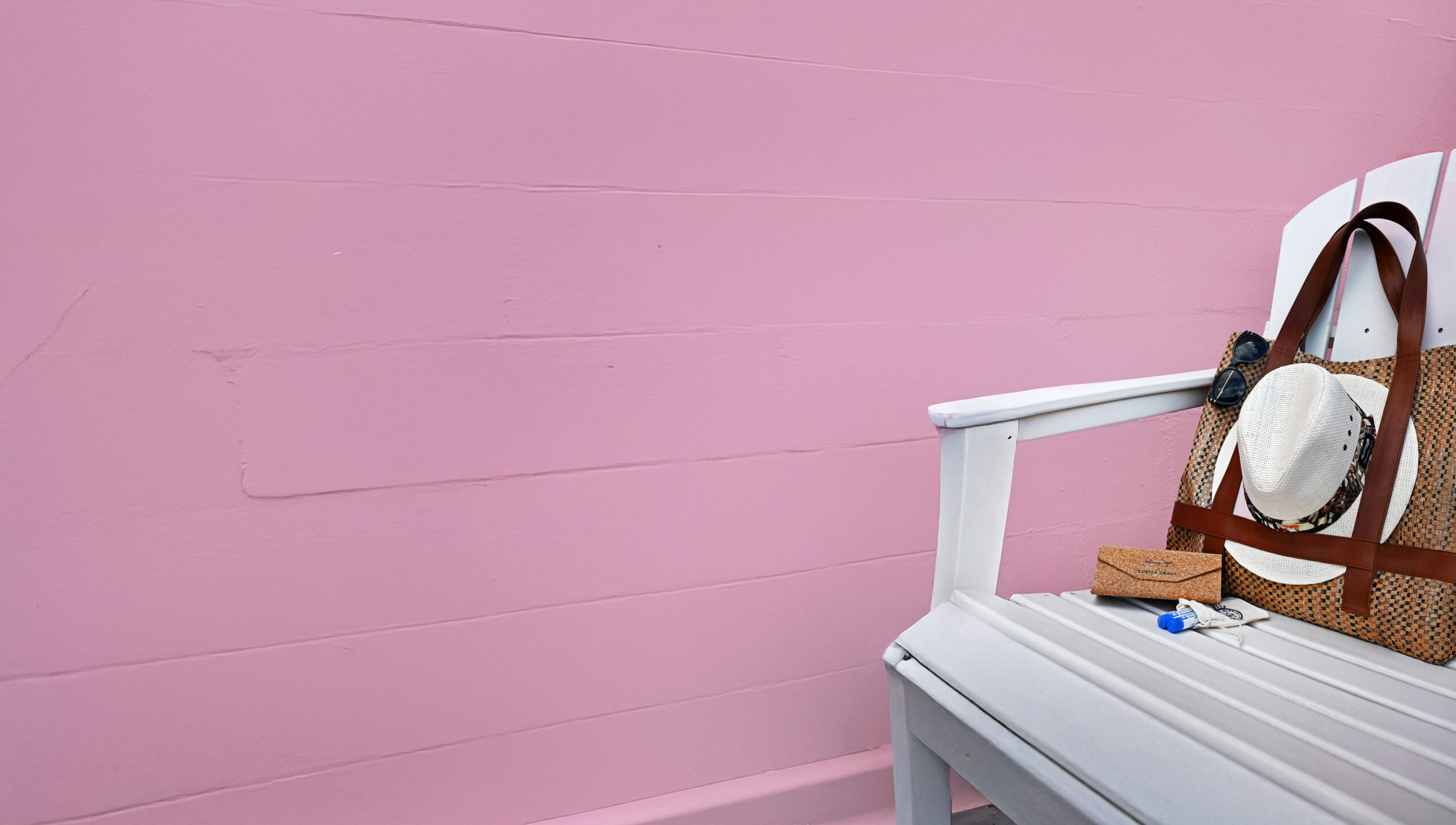
Panama Jack Wide-Brim Hats — natural straw construction, breathable sweatband. Available on Amazon.
How to Prevent Hair Problems
- Proper fit: a hat that fits correctly exerts no meaningful tension on hair.
- Natural materials: natural straw sweatbands breathe and wick better than synthetic alternatives.
- Style before hatting: run a comb through hair in the direction you want it to fall before putting on the hat.
- Regular washing: both the sweatband (vinegar solution every 3–5 uses) and your hair (normal schedule).
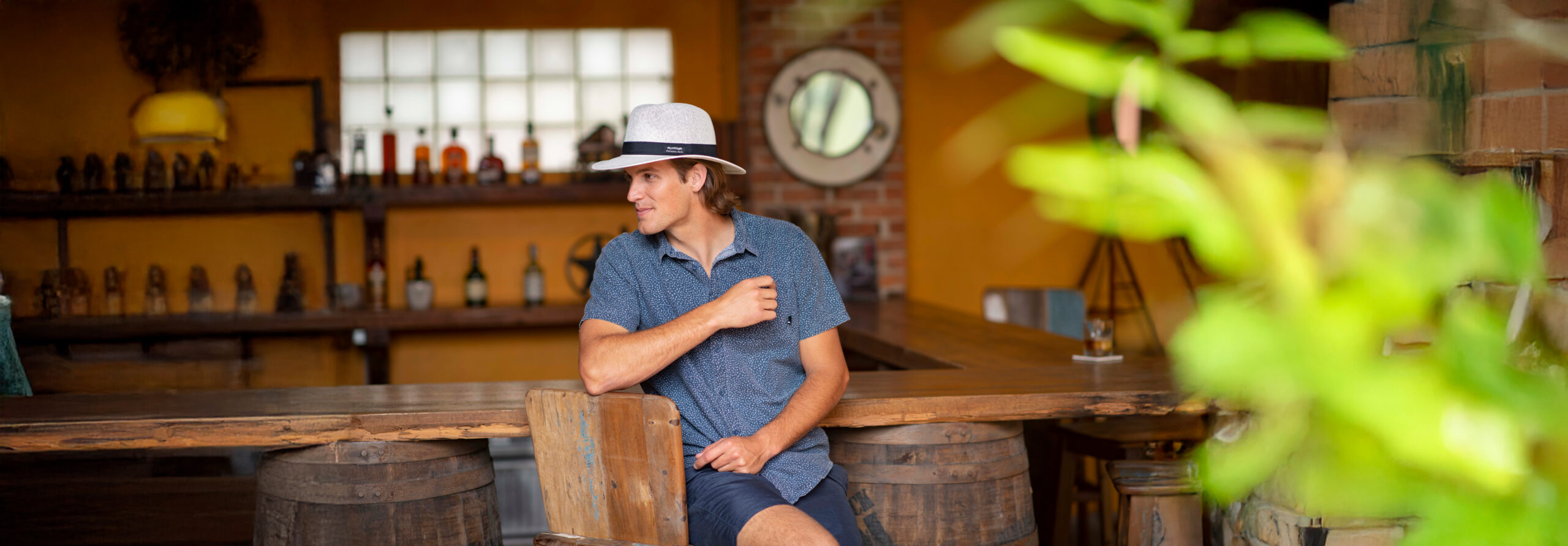
Panama Jack Hat Collection — properly fitted natural straw for comfortable daily outdoor wear. Available on Amazon.
Frequently Asked Questions
Can wearing a hat every day cause hair loss?
Not from a properly fitted hat in normal use. Daily hat use does not cause androgenic or traction alopecia when the hat fits correctly and isn't excessively tight.
Is there a hairstyle that works better with a hat?
Shorter styles create less hat hair. For longer styles, styling the hair before putting on the hat (in the direction you want it to fall) significantly reduces hat hair compared to wearing a hat over unstyled hair.
- How to Clean, Shape, and Store Every Type of Sun Hat
- Adding a Sun Hat to Your Morning Routine: The Easy Style Habit
- How to Measure Your Head for the Perfect Hat Size