
A Brief History of the Fedora: From Opera Stage to Beach Icon
Few hats have had a more complicated cultural journey than the fedora. It has been the symbol of 1930s prohibition gangsters, the signature accessory of mid-century masculinity, an ironic hipster signifier in the early 2000s, and — arriving at the present moment — a genuine beach and resort style staple worn by people who would never describe themselves as hat people.
1882: The Opera Stage
The fedora is named after the 1882 play "Fédora" by Victorien Sardou, in which the lead character — Princess Fédora Romazova — wore a center-creased, soft-brimmed hat that became fashionable among women in the audience. The style spread quickly through women's fashion in the 1890s, worn as a feminist symbol by women's rights advocates who appreciated its association with the strong female lead character.
By the early 1900s, the style had crossed gender lines and been adopted by men — first in Europe, then in America — where it quickly became associated with urban masculinity, political authority, and professional achievement.
1920s–1940s: The Golden Era of the Men’s Fedora
The interwar period was the fedora's cultural peak. Every man of standing — from presidents to mobsters to movie stars — wore a fedora as the default outdoor hat. Humphrey Bogart, Cary Grant, and Fred Astaire all helped cement the association between fedoras and a specific kind of effortless masculine elegance.
The prohibition era gave the fedora its harder edge — the same hat that made businessmen look distinguished made gangsters look formidable. The fedora became the hat of men who operated in the complicated margins of American life as much as in its center.
1950s–1960s: The Fedora Starts to Fade
John F. Kennedy's inauguration in 1961 — at which he notably did not wear a hat despite it being one of the coldest days in Washington history — is frequently cited as the moment that killed the men's hat industry. The bareheaded look of JFK signaled youth, modernity, and a departure from formality. The fedora retreated from mainstream fashion into occupational niches through the 1960s.

1981: Indiana Jones and the Straw Revolution
Harrison Ford's 1981 portrayal of Indiana Jones was one of the most influential hat advertisements in cinema history. The battered, adventurous fedora worn by Jones — chosen by costume designer Deborah Nadoolman — communicated both function and romance. The film single-handedly rehabilitated the fedora's image and, perhaps more importantly, introduced the concept of the fedora as an outdoor, active-use hat — opening the door to the straw fedora as beach wear.
The Straw Fedora and Beach Culture
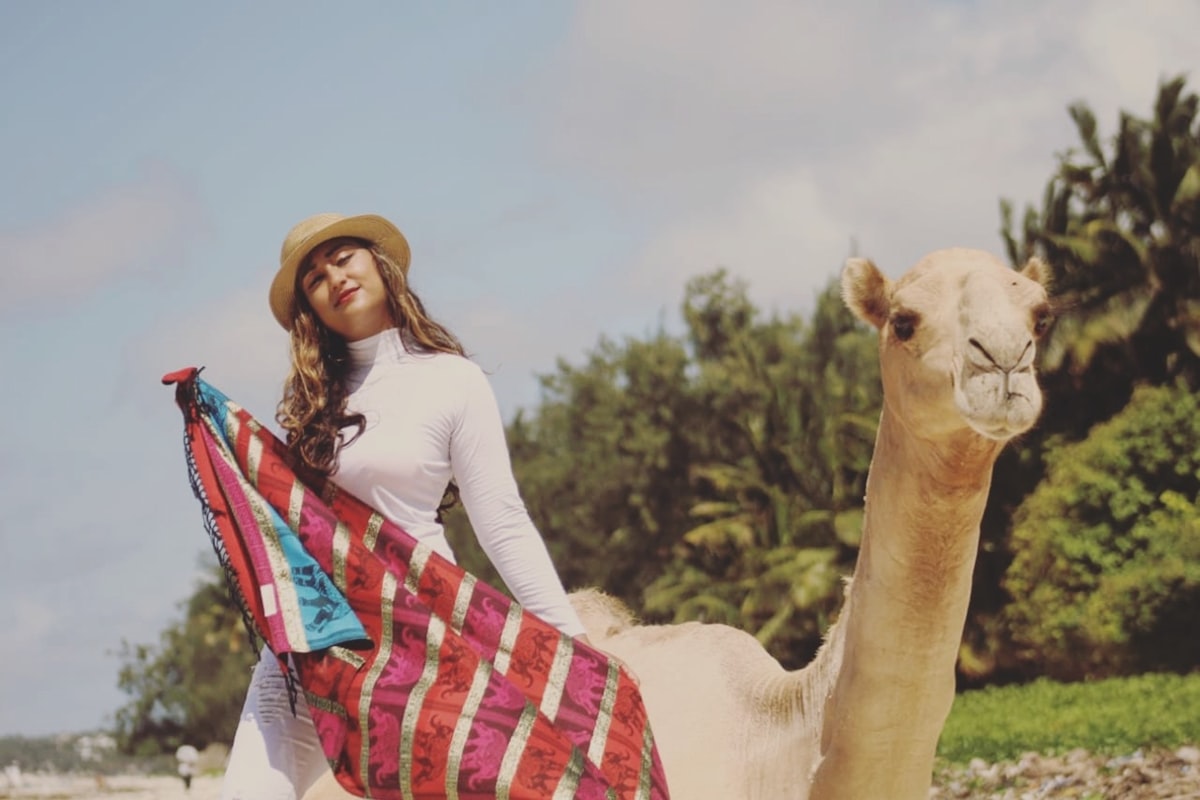
The straw fedora's adoption as beach and resort wear developed through the 1970s and 1980s as natural fiber hats gained popularity in outdoor and leisure contexts. Panama straw and toquilla weave fedoras provided the same classic silhouette as felt versions in a material suited to heat and humidity. Panama Jack's adoption of the straw fedora aesthetic was both a style decision and a functional one — the wide brim and structured crown provide genuine facial sun coverage.
Panama Jack's straw fedora collection — classic beach-ready styles in natural straw and bleached finishes — is available on Amazon. The modern iteration of one of the longest-running style stories in hat history.
2026: The Fedora’s Current Moment
The straw fedora sits in an interesting position in 2026 beach culture. It has survived the ironic hipster phase of the 2000s and landed in a moment of genuine appreciation — particularly in beach and outdoor contexts where the style's practicality justifies its presence without requiring cultural justification. Men in straw fedoras on beaches in 2026 are not making a statement. They are wearing a hat that works, that has worked for a very long time, and that requires no explanation.
Frequently Asked Questions
What is the difference between a fedora and a Panama hat?
A fedora is a hat style characterized by a longitudinal crease along the crown and a brim that can be snapped or bent. A Panama hat is a type of hat made from toquilla straw in Ecuador. Panama hats are often styled as fedoras — but the terms refer to different attributes (construction style vs material origin).
Are straw fedoras appropriate for beach wear?
Absolutely — the straw fedora is one of the most appropriate beach hats a man or woman can wear. The brim provides meaningful UV shade, the straw construction allows airflow, and the style transitions easily from beach to boardwalk to casual dining without requiring a wardrobe change.