
After-Sun Lotion: Why It’s the Most Underrated Step in Your Sun Routine
Ask a roomful of people about their sun care routine and you'll get detailed answers about which SPF they use and how often they reapply. Ask them what they do after the beach and most will say: shower, maybe some regular moisturizer, move on.
That gap — between careful preparation for the beach and minimal attention to recovery from it — is where a significant portion of cumulative UV damage accumulates quietly over a lifetime. After-sun lotion is the most underrated product in the sun care category.
What Actually Happens to Your Skin After Sun Exposure
The beach day ends. The UV source is removed. Most people assume the sun's work on their skin is done. It isn't. UV radiation triggers a complex biological cascade that continues for 24–48 hours after exposure ends:
- Inflammatory response: UVB triggers erythema through prostaglandin synthesis — a process active and escalating for 6–12 hours after exposure. Your skin isn't done getting red just because you left the beach.
- Oxidative stress: UV generates reactive oxygen species in skin cells that damage DNA, cell membranes, and collagen structures. This process continues well after UV exposure stops.
- Moisture barrier disruption: UV degrades the lipid matrix that holds the skin's moisture barrier together. The "tight, dry" feeling after a beach day is this barrier in a compromised state.
Why Regular Moisturizer Isn’t the Same as After-Sun Lotion
| Regular Moisturizer | After-Sun Lotion |
|---|---|
| Maintains normal hydration | Restores depleted hydration |
| Emollient base + humectants | Anti-inflammatory actives + emollients + antioxidants |
| No specific UV damage response | Targets UV-induced oxidative stress and inflammation |
| No aloe vera or allantoin typically | Aloe vera, allantoin, centella asiatica commonly included |
| No cell repair support typically | Panthenol (B5) for cellular repair |
The Specific Benefits of After-Sun Lotion
Reduces Peeling
Post-sun peeling is the result of your skin shedding UV-damaged cells. After-sun formulas containing allantoin and panthenol support a more orderly cell renewal process that significantly reduces the severity and duration of peeling.
Reduces Redness Duration
The anti-inflammatory compounds in quality after-sun lotions — particularly aloe vera's active compound aloesin — shorten the duration of visible post-sun redness. Skin treated with aloe vera-based products shows measurably faster redness resolution than untreated skin in controlled studies.
Prevents Hyperpigmentation
Niacinamide and aloesin, found in quality after-sun formulas, inhibit tyrosinase activity — the enzyme that drives melanin overproduction — reducing the likelihood of long-term dark spot development from acute sun exposure.
Accelerates Recovery for Repeat Exposure
For regular beachgoers, after-sun lotion is an investment in how your skin handles the next day's UV exposure, not just the current day's recovery. Skin properly restored overnight is better positioned to manage UV damage the following day.

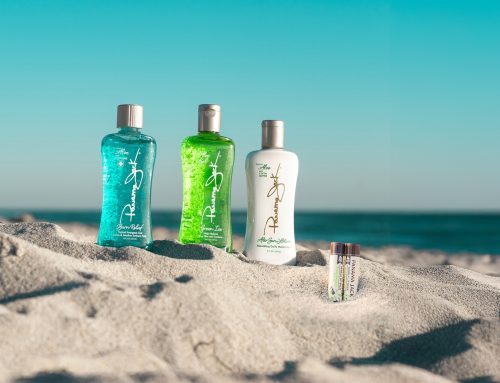
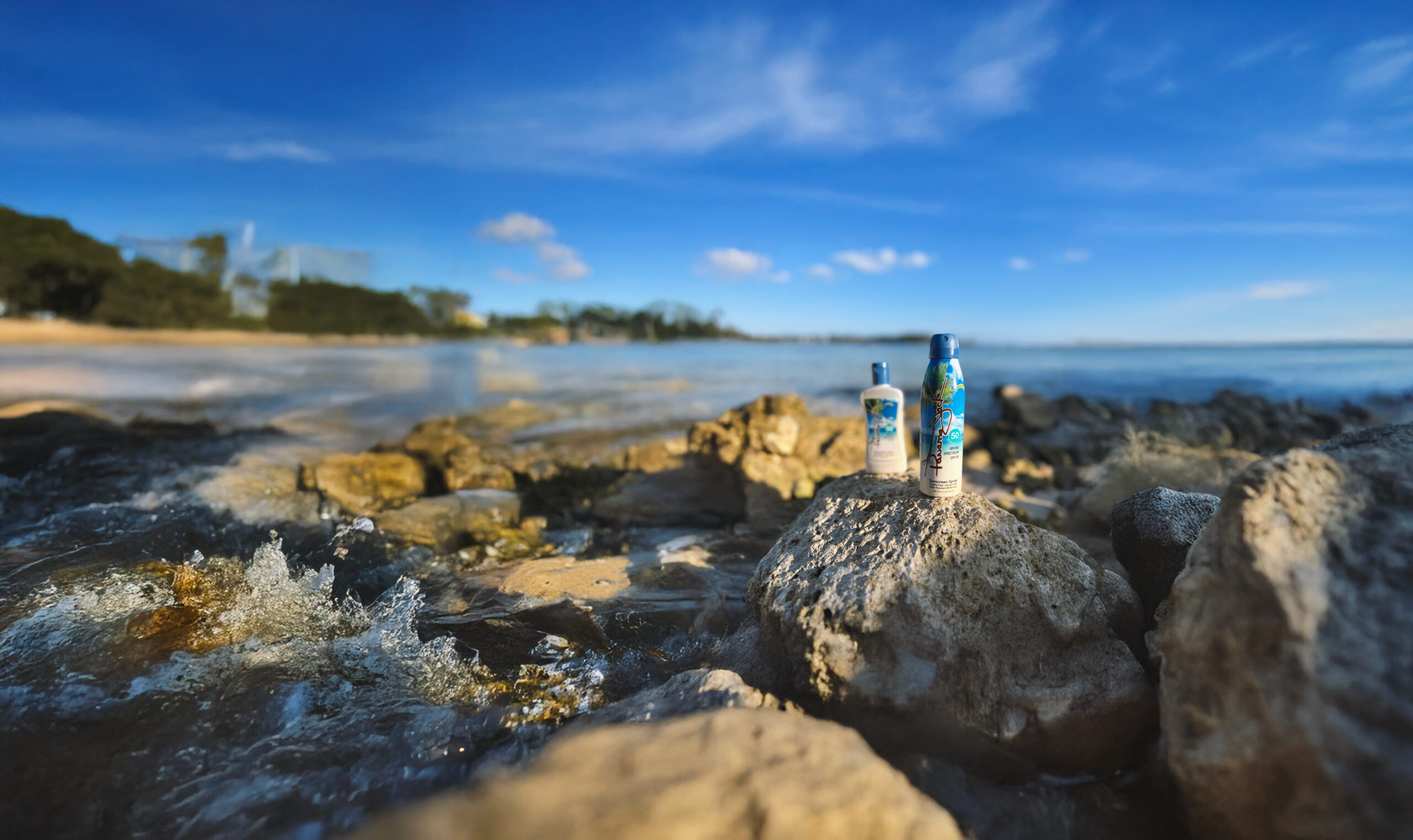
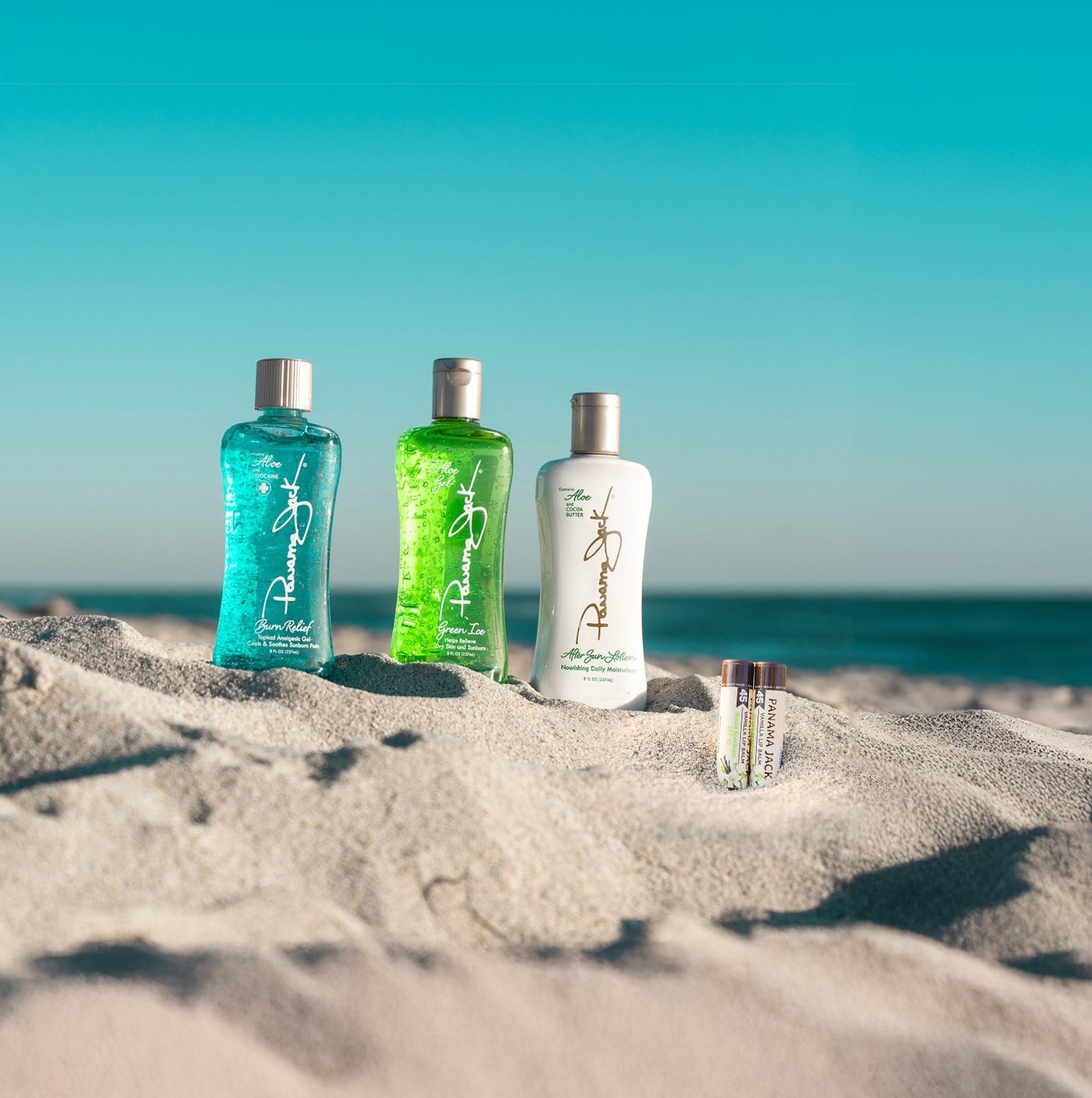
Panama Jack After-Sun Lotion — formulated with aloe vera, panthenol, and vitamin E for the specific demands of post-beach skin recovery. Available on Amazon.
What to Look for in an After-Sun Lotion Formula
- Aloe vera (Aloe Barbadensis Leaf Juice) in the first three ingredients — not buried as a trace component
- Panthenol (Provitamin B5) — for cellular repair and moisture retention
- Vitamin E (Tocopherol) — antioxidant that addresses UV-induced free radical damage
- Allantoin — cell proliferation support and anti-irritant
- No alcohol high in the list — alcohol dehydrates skin and disrupts barrier function
How and When to Apply After-Sun Lotion
Timing: The optimal first application is within 30–60 minutes of coming indoors from sun exposure. A second application before bed maximizes the overnight recovery window.
Amount: Use enough to cover all sun-exposed areas with a thin but visible film. For a full body beach day, this typically means 5–8ml per major body area.
Order: If using both aloe gel and lotion, apply gel first, allow 5–10 minutes for full absorption, then apply lotion. Apply to slightly damp skin for better absorption of water-phase ingredients.
Frequently Asked Questions
Can after-sun lotion prevent a sunburn from getting worse?
Yes — applying after-sun lotion in the early hours after UV exposure can meaningfully reduce the peak severity of a burn by interrupting the inflammatory cascade before it reaches its maximum. It won't reverse UV damage that has already occurred, but it limits the secondary inflammatory amplification.
Is after-sun lotion necessary if I didn’t get burned?
Yes. UV exposure causes oxidative stress, moisture barrier disruption, and inflammatory signaling even in the absence of visible burns. Regular after-sun lotion use on non-burn days supports long-term skin resilience and reduces the cumulative impact of sub-burn UV exposure over a summer.
How long does after-sun lotion take to absorb?
Most after-sun lotions absorb in 5–10 minutes, leaving minimal residue. If a lotion feels heavy or doesn't absorb within this window, it may contain a higher than ideal concentration of occlusive ingredients which can trap heat in still-inflamed skin.