Best SPF 15 Sunscreen for Everyday Use: Lightweight Daily Protection
SPF 15 sunscreen occupies a specific and legitimate niche: daily incidental exposure protection for people who aren't spending meaningful time outdoors. The person who commutes by car, works indoors, and takes a 10-minute lunchtime walk receives a meaningfully different UV dose than a person spending 4 hours at the beach.
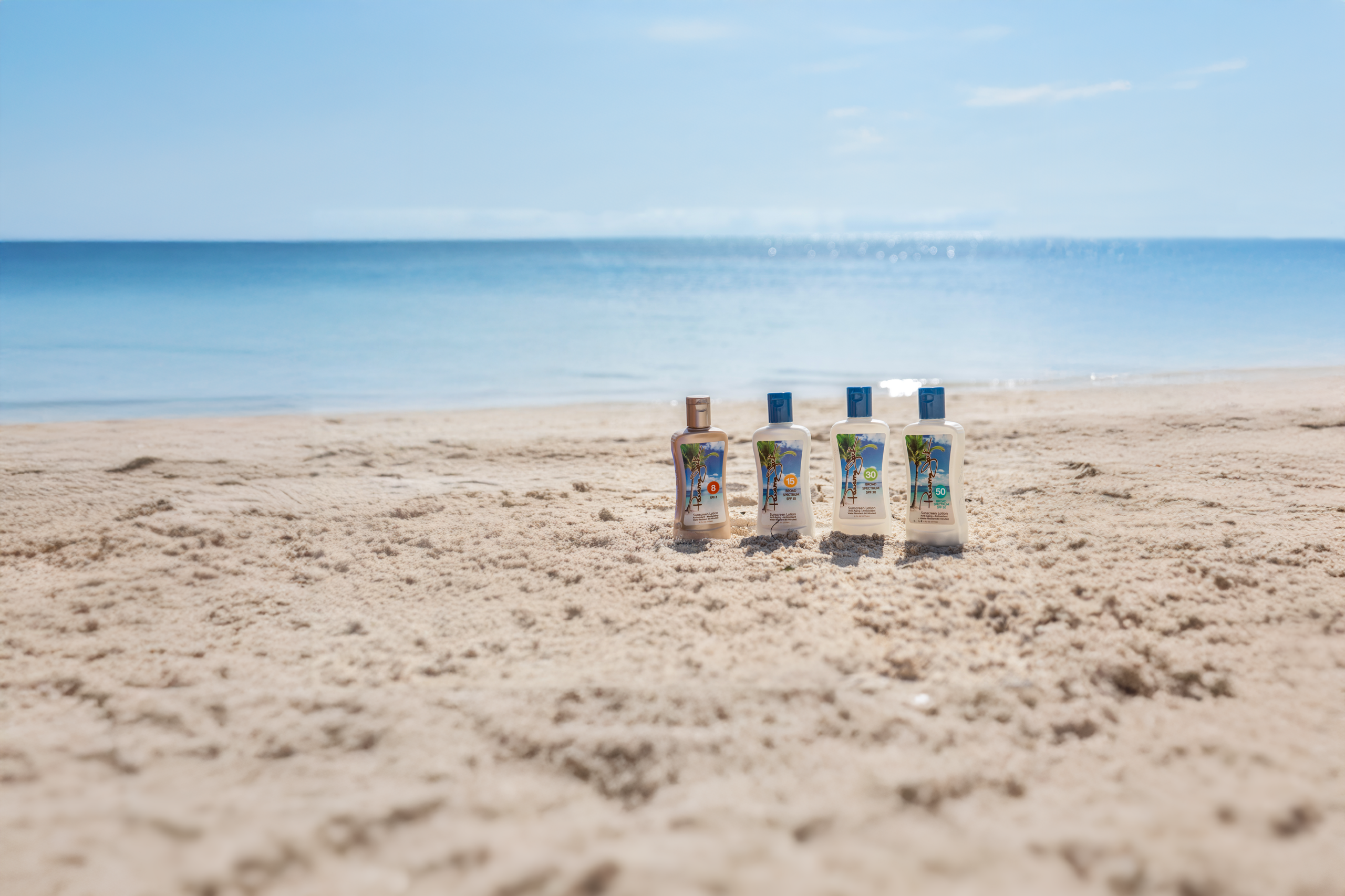
SPF 15 filters 93.3% of UVB radiation, allowing 6.7% through to the skin. SPF 30 filters 96.7% (3.3% through). SPF 50 filters 98% (2% through). For daily incidental use — a few minutes of exposure while commuting or walking — SPF 15 provides adequate day-to-day protection. For any sustained outdoor activity, the gap between SPF 15 and SPF 50 represents a meaningful cumulative UV dose difference over a full season.
When SPF 15 Is Appropriate vs When It Isn’t
| Exposure Type | SPF 15 Adequate? | Recommended SPF |
|---|---|---|
| Commute by car | Yes — minimal UV through glass | SPF 15–30 |
| Office work, occasional outdoor breaks | Yes — brief incidental exposure | SPF 15–30 |
| Outdoor dining (1+ hours) | No — sustained direct exposure | SPF 30 minimum |
| Beach or pool day | No — significant high-UV exposure | SPF 50 required |
Best Everyday Daily Sunscreen: The Recommended Upgrade
SPF 30 | Broad Spectrum | Lightweight | Everyday Formula
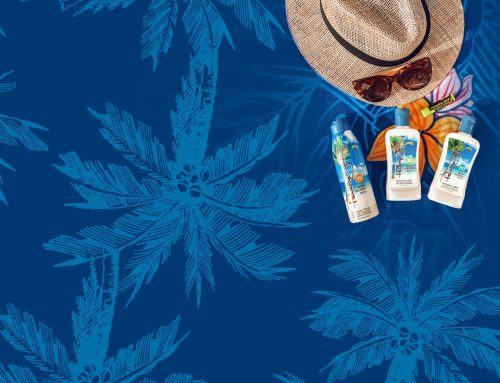
For most people's actual daily sun exposure pattern — which typically includes more outdoor time than commute-only implies — Panama Jack's SPF 30 is the recommended daily upgrade from SPF 15. The marginal texture difference between SPF 15 and SPF 30 is negligible in modern formulations, while the protection difference (93.3% vs 96.7% UVB filtering) is meaningful for anyone spending 30+ minutes outdoors daily.
Frequently Asked Questions
Is SPF 15 enough for daily use?
SPF 15 is adequate for genuinely incidental daily sun exposure — brief commutes, indoor work environments. For anyone spending 30+ minutes outdoors regularly, SPF 30 is the recommended minimum. For beach, pool, or sustained outdoor activity, SPF 50 is the appropriate choice.
Does SPF 15 protect against UVA as well as UVB?
Only if the product is labeled broad spectrum. The SPF number refers specifically to UVB filtering. Always look for "broad spectrum" on any sunscreen label regardless of SPF level.
Should I use SPF 15 in winter?
For outdoor winter activities, SPF 30+ is recommended — UV index in winter is lower but not negligible, and snow reflection can amplify UV exposure. For purely indoor winter days, SPF 15 in a daily moisturizer provides baseline protection.