
Is Using Lip Balm Too Often Bad for Your Lips? The Truth
The "lip balm addiction" claim has been circulating for decades: you use lip balm, your lips become dependent, you need it more and more, and eventually your lips can't produce moisture on their own. It's a compelling story. It's also not how lips work.
The 'Addiction' Myth: What Science Says | Why Lips Can't Become Dependent | What Actually Drives Frequent Reapplication | When Frequent Use Is a Problem | The Opposite Risk: Using Too Little | Signs of Product vs Frequency Problem | FAQ
The ‘Addiction’ Myth: What the Science Actually Says
Lip skin has no sebaceous glands. It produces no natural oils. It contains no melanin. These are fixed anatomical facts. No amount of lip balm use will reduce glands that don't exist or eliminate melanocytes that aren't there. Lip skin's dependence on external products for moisture and UV protection is a structural reality, not something caused by lip balm use.
The mechanism required for genuine "lip balm dependency" — where lip balm causes lips to reduce their own moisture-producing capacity — cannot happen because lip skin has no such capacity to reduce. The lips were always dependent on external moisture support; lip balm use reveals this dependence, it doesn't create it.
When lip balm users feel like they need to reapply frequently, one of several things is happening:
1. The product is working correctly — the moisture barrier evaporates or wears off, and lips need it reapplied. This is normal and appropriate.
2. The product contains a mild irritant (fragrance, menthol, camphor, salicylic acid) that makes lips feel tingly or artificially dry after wearing off. This is a product selection problem, not a frequency problem.
3. The environment is particularly drying (low humidity, cold, wind, air conditioning) and lips genuinely need more frequent moisture support.
When Frequent Lip Balm Use IS Actually a Problem
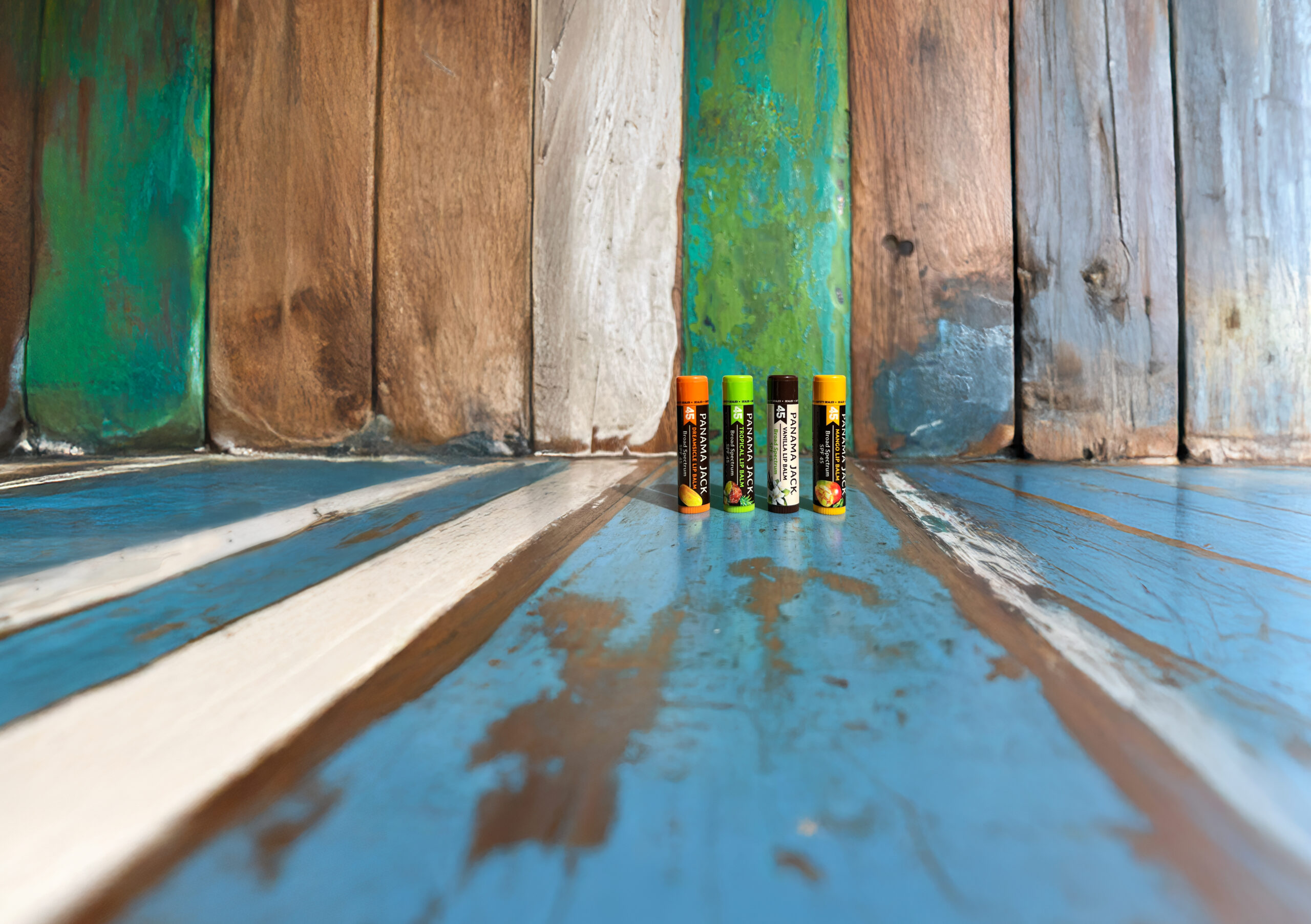
- Irritant contact dermatitis: some lip balm formulas contain ingredients that irritate lip skin on contact. Menthol, camphor, phenol, and certain fragrances can cause irritation in sensitive users. If your lips feel worse after applying lip balm, try a simpler, fragrance-free formula like Panama Jack Flavorless SPF 45.
- Licking lips instead of reapplying: saliva contains enzymes that irritate lip skin; the temporary moisture evaporates quickly and takes existing lip moisture with it. Increasing SPF lip balm application frequency and keeping a stick accessible is the appropriate response.
The Opposite Risk: Using SPF Lip Balm Too Little
| Scenario | Appropriate Frequency | Risk of Under-Use |
|---|---|---|
| Daily indoor use | 2–4 times/day as needed | Low UV risk; mainly moisture |
| Outdoor walking/errands | Every 2 hours minimum | Moderate UV exposure; reapplication needed |
| Beach day (4–8 hours) | Every 2 hours + after every swim/meal | High UV exposure; frequent reapplication essential |
| Snow sports | Every 45–60 min; after every run | Very high UV; most under-served use case |
For SPF lip balm specifically, the question is not "am I applying too often" — the answer is almost never yes. The relevant question is "am I applying often enough to maintain continuous UV protection?" The risk runs strongly toward under-use, not over-use.
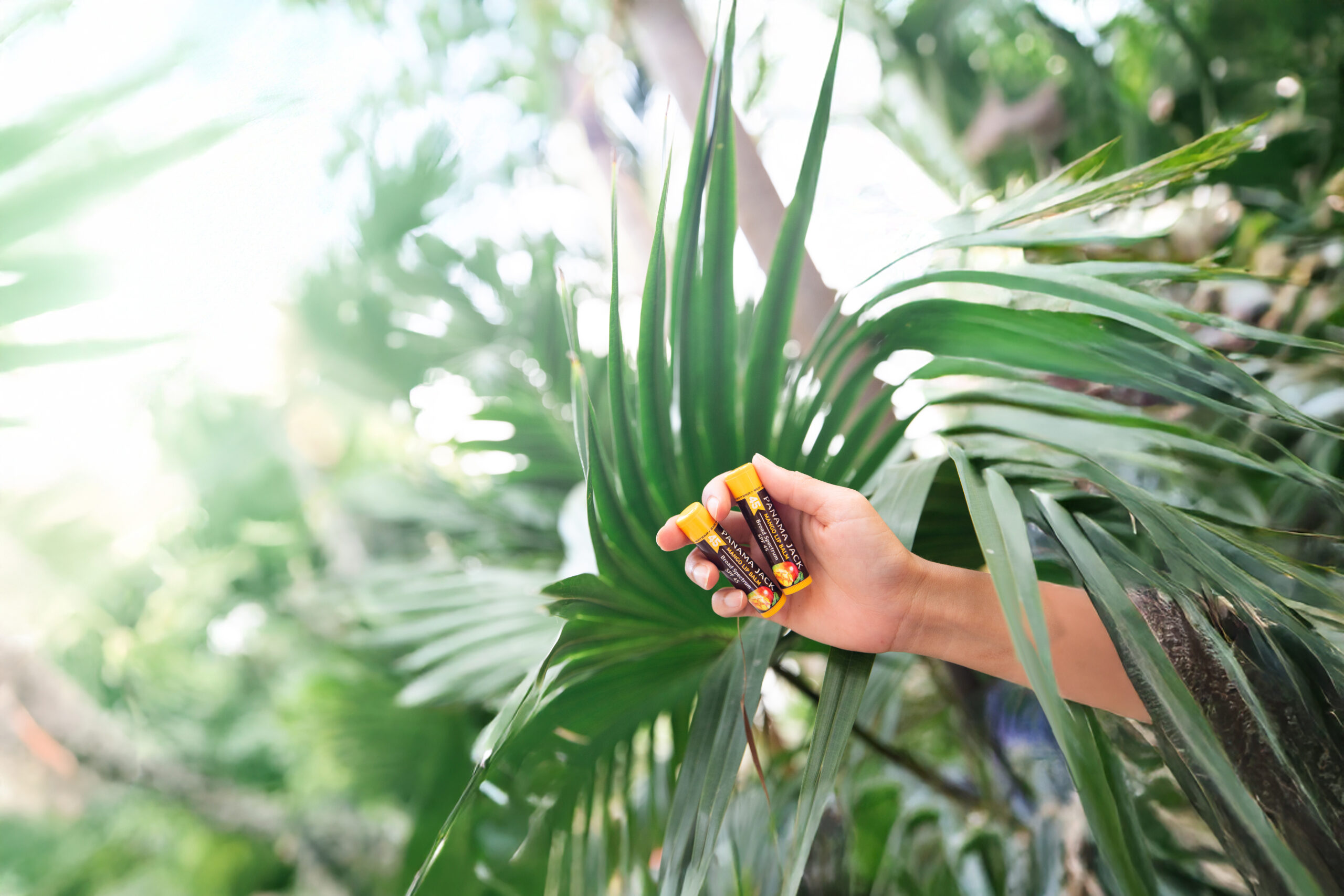
Panama Jack SPF 45 Lip Balm — apply as often as you need protection. The multi-pack makes frequent reapplication economical. Available on Amazon.
Frequently Asked Questions
Can your lips become ‘addicted’ to lip balm?
No — this is a persistent myth without scientific basis. Lip skin has no sebaceous glands and no capacity to reduce its own moisture production. The "dependency" users report is simply an awareness of how dry their lips naturally are without product support — something that would have been present regardless of previous lip balm use.
How many times a day should I apply SPF lip balm?
For outdoor use: every 2 hours minimum, and after every meal, drink, or swim. For indoor use: 2–4 times daily as needed for comfort. There is no evidence that any amount of quality lip balm use causes harm; the risk of under-use substantially outweighs any risk of over-use.
What ingredients should I avoid in lip balm?
Ingredients associated with irritation in sensitive users include: menthol, camphor, phenol, fragrance, and salicylic acid. If your lip balm has been causing dryness or irritation, Panama Jack Flavorless SPF 45 — a simple, fragrance-free formula — is worth trying.