
Lip Moisturizer With SPF: How to Keep Lips Plump and Protected
Lips are the most UV-vulnerable skin on your face — they're the only facial skin with no melanin, which means no natural UV defense whatsoever. They're also the driest, because they lack the sebaceous glands that produce oils keeping surrounding facial skin conditioned. These two vulnerabilities are related, and the product that addresses both at once is the SPF lip balm.
Why Lips Are Uniquely Vulnerable | The Moisture Problem | How UV Makes Moisture Loss Worse | Key Moisturizing Ingredients | SPF and Moisture as Synergistic Functions | FAQ
Why Lips Are Uniquely Vulnerable to Both UV and Moisture Loss
| Skin Characteristic | Facial Skin | Lip Skin |
|---|---|---|
| Melanin present | Yes — provides some UV protection | No — zero natural UV defense |
| Sebaceous glands | Yes — produce natural oils | No — no natural oil production |
| Epidermis thickness | Normal (protective) | Very thin (less protective) |
| UV sensitivity | Moderate | High — highest on the face |
The Moisture Problem: Why Lips Need Constant Hydration Support
The moisture barrier of lip skin depends almost entirely on environmental humidity and applied barrier products — there is no internal oil production to supplement it. When environmental humidity drops, lips lose moisture rapidly. In dry, hot, or windy conditions (exactly the conditions of a beach day), moisture loss accelerates. The visible result — dryness, tightness, flaking, and cracking — isn't just cosmetic discomfort. Dry, compromised lip skin is more vulnerable to UV damage because the protective barrier is thinner.
How UV Makes Moisture Loss Worse — The Combined Damage Cycle
- UV exposure causes direct DNA damage in lip skin cells and oxidative stress in the epidermal layers.
- UV-damaged lip cells are less effective at maintaining the moisture barrier function.
- With the moisture barrier compromised, transepidermal water loss increases, causing visible dryness.
- Dry, compromised lip skin is less effective at retaining lip balm, making UV filter actives less evenly distributed.
- Less evenly distributed UV protection leads to more UV damage — a self-reinforcing cycle.
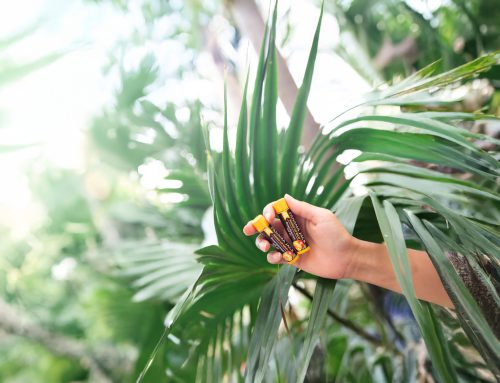
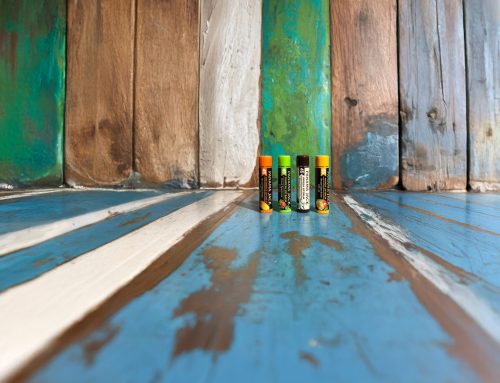
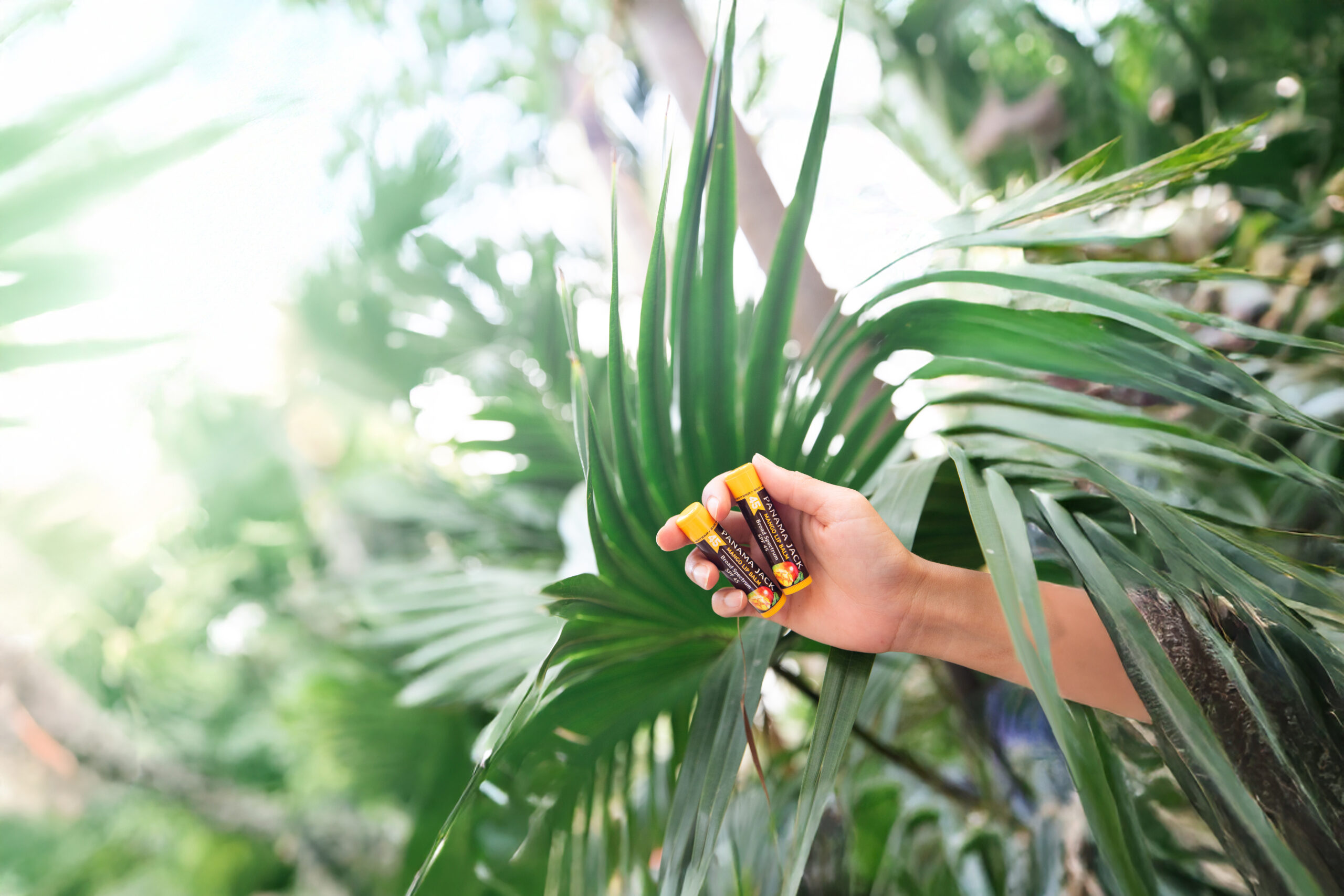
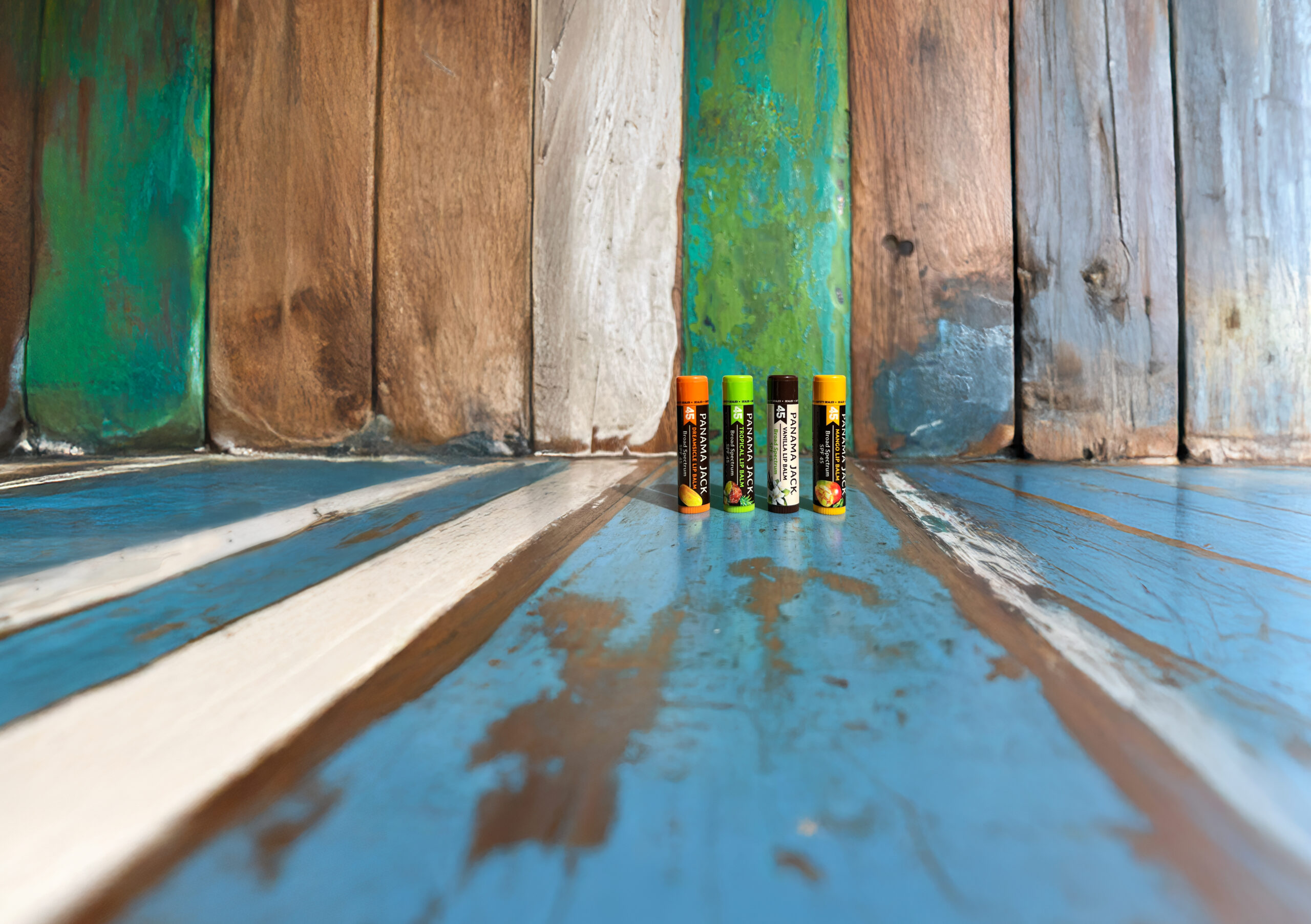
Panama Jack SPF 45 Lip Balm — UV protection and moisture conditioning in one formula. Available in five flavors on Amazon.
Shop Panama Jack SPF 45 on Amazon →
Key Moisturizing Ingredients in Quality SPF Lip Balm
- Beeswax: the primary occlusive barrier agent. Creates a breathable wax film that slows transepidermal water loss without occluding the lip surface.
- Vitamin E (tocopherol): a fat-soluble antioxidant that also functions as an emollient. Conditions lip skin, reduces visible signs of UV oxidative damage, and helps maintain the suppleness of the wax film.
- Coconut oil: a medium-chain fatty acid-rich emollient that penetrates the lip surface readily and provides immediate softening.
- Shea butter: a rich emollient with documented anti-inflammatory properties. Provides targeted conditioning that soothes existing dryness and prevents future moisture loss.
SPF and Moisture: Why Formulas That Do Both Are Better
- The wax film that holds UV filters in place on the lip surface is the same barrier that prevents moisture loss. One film serves both functions.
- Moisture-conditioned lip tissue maintains the barrier integrity that allows UV filters to distribute evenly. Cracked, dry lips compromise the UV filter film.
- The emollient feel that makes the product comfortable to use drives voluntary reapplication frequency — turning theoretical SPF protection into real protection.
Panama Jack SPF 45 Flavorless — the clean-formula moisture and protection option for sensitive lips. Available on Amazon.
Frequently Asked Questions
Can I use a face moisturizer with SPF on my lips?
Face moisturizers with SPF are not ideal for lips — they're not formulated for lip skin moisture needs and often contain ingredients (certain acids, retinoids, fragrances) that can irritate lip tissue. A dedicated SPF lip balm with both UV protection and lip-specific moisturizing ingredients is the appropriate choice.
Does drinking water hydrate lips?
Drinking water hydrates the body systemically, which indirectly helps all tissue. However, direct water contact on lips — licking lips — temporarily increases water content followed by rapid evaporation that leaves lips drier. Lip balm provides the occlusive barrier that keeps moisture in; water alone doesn't.
- Beeswax vs Carnauba Wax in Lip Balm: How the Base Affects Protection
- Vitamin E in SPF Lip Balm: What It Does and Why It Matters
- Can Your Lips Get Sunburned? Yes — Here's What to Do About It