The Science of Sun Damage: What UV Actually Does to Your Skin Over Time
Sun damage is the most common skin condition in the world — and also the most misunderstood. The visible effects of sun exposure (tanning, burning, long-term aging and pigmentation changes) are well-known. The mechanism that produces them — what UV radiation actually does at the cellular level — is much less understood, and that gap leads to the most common sun protection mistakes.
This guide covers the science of UV sun damage: how UVA and UVB affect skin cells differently, what cumulative exposure means for long-term skin health, and how SPF protection interrupts the damage cycle.
UVA vs UVB: Two Different Damage Mechanisms | What Happens Inside Skin Cells | The Cumulative Damage Concept | Why Tan Is UV Damage | How SPF Interrupts the Cycle | The 20-Minute Myth | FAQ
UVA vs UVB: Two Different Damage Mechanisms
UVA (320–400 nm): longest UV wavelength; penetrates to the dermis (deeper skin layer). Responsible for photo-aging — wrinkles, collagen breakdown, elastin damage, and long-term pigmentation changes. Accounts for approximately 95% of UV reaching earth's surface.
UVB (280–320 nm): shorter wavelength; primarily affects the epidermis (outer skin layer). Responsible for sunburn, acute photodamage, and the primary UV mechanism in skin cancer development. Accounts for approximately 5% of UV reaching earth's surface.
Broad-spectrum sunscreen addresses both. Products labeled only "SPF" without "broad spectrum" address UVB only.
What UV Radiation Does Inside Skin Cells
DNA Damage: The Primary Mechanism
UV radiation damages DNA in skin cells through two primary pathways. UVB directly damages DNA by causing pyrimidine dimers — abnormal bonds between adjacent thymine molecules in the DNA strand. When a cell with damaged DNA attempts to replicate, the mutation can be passed to daughter cells. Accumulated DNA mutations are the cellular basis of skin cancer development.
Oxidative Stress: The UVA Pathway
UVA radiation primarily damages skin through oxidative stress. UVA photons are absorbed by chromophores in the skin, generating reactive oxygen species (free radicals). These free radicals attack collagen fibers, elastin networks, and cell membranes — producing the visible signs of photo-aging: wrinkles, loss of elasticity, and uneven pigmentation.
Inflammatory Response: The Visible Signal
Sunburn is the skin's acute inflammatory response to UV damage. Damaged cells release cytokines that dilate blood vessels and increase blood flow to the area — the redness, heat, and pain of a burn. The burn is not the damage — it is the immune response to damage that has already occurred.
Cumulative Damage: The Concept That Changes Everything
| UV Exposure Type | Damage Produced | Reversibility |
|---|---|---|
| Single severe sunburn | Acute DNA damage; inflammatory response | Largely reversible if not repeated |
| Regular moderate exposure (no burn) | Gradual collagen breakdown; pigmentation | Partially reversible with treatment |
| Lifetime cumulative exposure | Accumulated DNA mutations; photoaging | DNA mutations: irreversible |
The critical insight in sun damage science is that damage is cumulative and largely irreversible at the DNA level. Each UV exposure adds to a lifetime total. The skin has repair mechanisms, but once mutations are established, they persist.
Why a Tan Is UV Damage — Not UV Adaptation
Melanin production (tanning) is the skin's protective response to UV damage — not evidence that the skin has successfully adapted. The signal that triggers tanning is DNA damage in the melanocyte itself. There is no tan without prior UV damage. A "base tan" provides approximately SPF 2–4 of natural UV protection — far below the SPF 30+ protection that actually interrupts the damage cycle.
How SPF Protection Interrupts the Damage Cycle
- Chemical sunscreens: UV filter actives absorb UV photons and convert them to heat. The UV energy is dissipated before it reaches skin DNA.
- Mineral sunscreens (zinc oxide, titanium dioxide): UV filter particles sit on the skin surface and physically reflect and scatter UV photons. Broad-spectrum zinc oxide coverage spans the full UVA and UVB range.
- SPF numbers: SPF 30 blocks 96.7% of UVB; SPF 50 blocks 98%. The fraction that passes through still reaches skin cells — which is why reapplication matters.
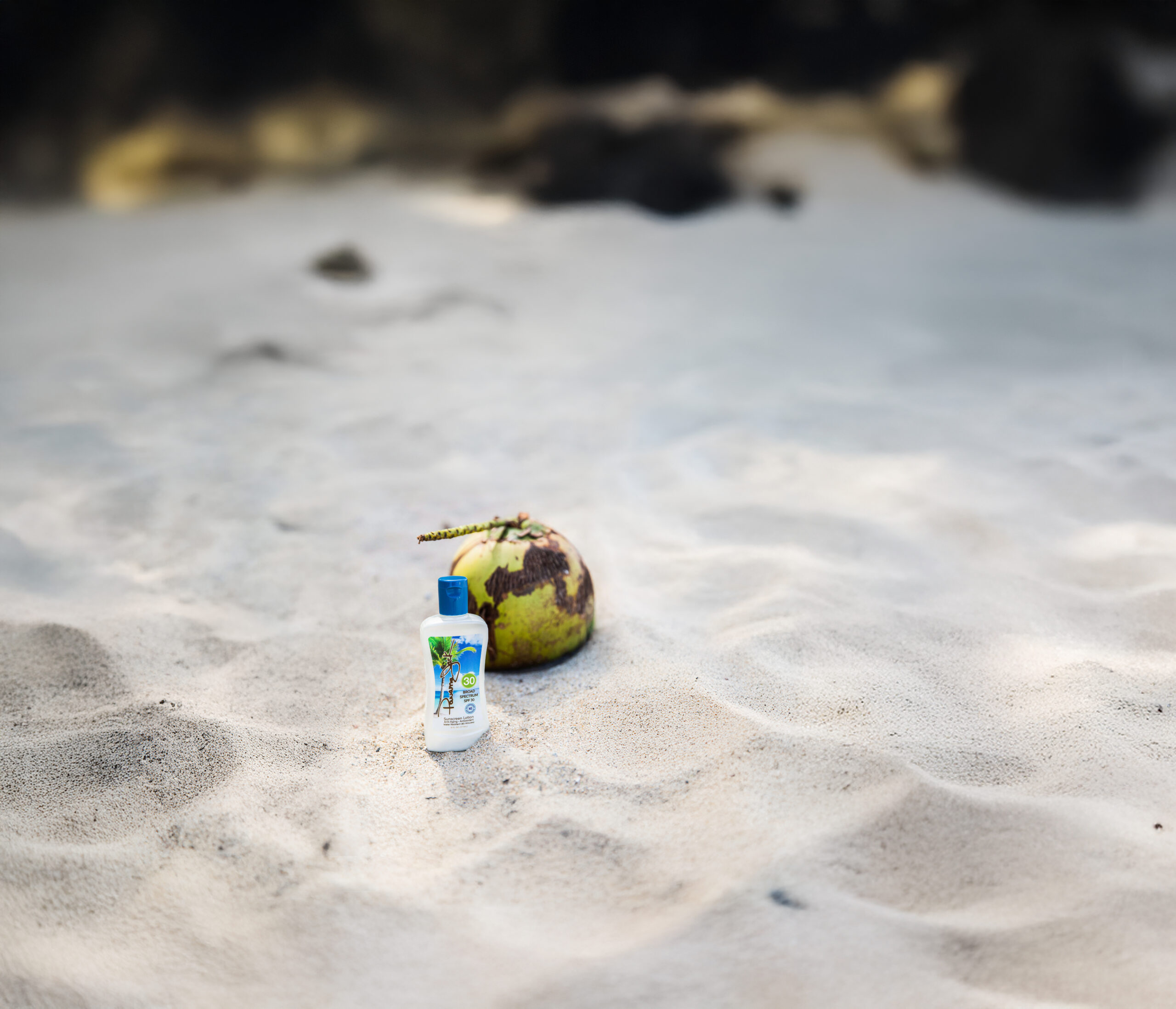
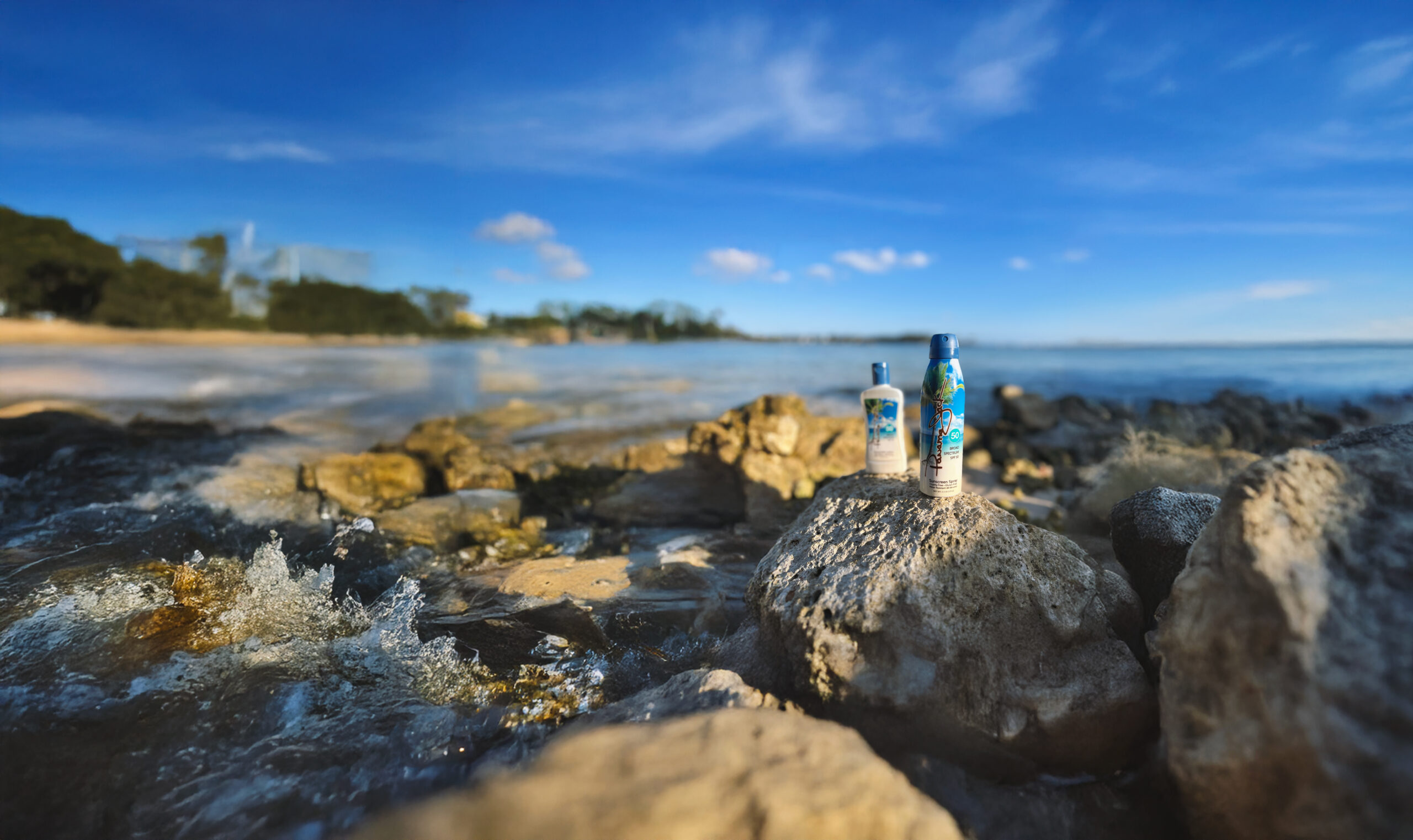
Panama Jack SPF 50 — broad-spectrum UVA+UVB protection that interrupts the damage cycle. Available on Amazon.
Shop Panama Jack SPF 50 on Amazon →
The 20-Minute Myth: The Most Common Misconception
The common belief — "SPF 30 means I can stay in the sun 30× longer" — is a mathematical abstraction, not practical guidance. Real-world problems: UV index varies by hour; sweat and swimming reduce sunscreen effectiveness over time; most people apply less than lab-test quantities.
The correct approach: reapply every 80 minutes regardless of SPF level; reapply immediately after swimming or heavy sweating; treat SPF as a filter that reduces UV exposure, not a timer that establishes a safe window.
Frequently Asked Questions
Does UVA cause more damage than UVB?
UVA and UVB cause different types of damage — neither is categorically worse. UVB causes more direct DNA damage (the primary skin cancer mechanism) and sunburn. UVA causes more photoaging (wrinkles, collagen breakdown, pigmentation) and penetrates more deeply. Both require protection; broad-spectrum sunscreen is essential.
Can you get sun damage on a cloudy day?
Yes. Approximately 80% of UV radiation penetrates cloud cover. Overcast conditions reduce UV index but do not eliminate UV exposure. SPF protection is appropriate on cloudy days, particularly for extended outdoor exposure.
Does sunscreen prevent all UV damage?
No — sunscreen significantly reduces UV exposure but does not eliminate it. SPF 50 filters 98% of UVB, allowing 2% through to skin. Protective clothing, shade, and limiting peak-UV-hour exposure are complementary strategies.
- 7 Sunscreen Myths It's Time to Stop Believing
- What SPF Should You Use? A Complete Guide to Sun Protection Factor
- Best Mineral Sunscreen 2026: Zinc and Titanium Formulas Ranked