
Aloe Vera Gel for Sun Relief: Why It’s the Ultimate After-Sun Remedy
If there is one product that transcends trends, dermatological debates, and the cycle of beauty industry innovation, it is aloe vera gel. It has been used for documented therapeutic purposes for over 6,000 years. Ancient Egyptians called it the "plant of immortality." And after every beach day, people still reach for it first — not because it's fashionable, but because it works.
The Science of Why Aloe Vera Works So Well on Sun-Damaged Skin
Immediate Surface Cooling
The high water content of aloe vera creates rapid evaporative cooling on warm skin — the same physics that makes sweating effective. Applied to a sunburned surface, this evaporation drops skin temperature measurably within 30–60 seconds.
Anti-Inflammatory Action
Aloe vera contains C-glucosyl chromone, a compound that inhibits cyclooxygenase — the enzyme responsible for producing prostaglandins, the chemical messengers that drive the inflammation, pain, and redness of sunburn. This is the same pathway targeted by ibuprofen and aspirin. The anti-inflammatory effect begins within minutes of application.
Barrier Repair
UV radiation degrades the lipid matrix that holds the skin's moisture barrier together. Aloe vera's mucilaginous polysaccharides form a temporary protective film on the skin surface that reduces transepidermal water loss while the barrier begins to repair itself from within.
Cell Repair Support
Acemannan, a long-chain polysaccharide unique to aloe vera, activates macrophages — the immune cells responsible for clearing damaged tissue and initiating repair. This mechanism explains why aloe vera has FDA approval for wound care: it genuinely accelerates the tissue repair process rather than just providing surface comfort.
Key Active Compounds — Simply Explained
| Compound | What It Does |
|---|---|
| Acemannan | Activates tissue repair, supports wound healing |
| Aloesin | Inhibits melanin overproduction, reduces dark spots |
| Aloin | Anti-inflammatory, reduces prostaglandin synthesis |
| Vitamins A, C, E | Antioxidant protection against UV-induced free radicals |
| Polysaccharides | Moisture retention, barrier film formation |
How to Use Aloe Vera Gel for Maximum Effect
Timing: The Earlier the Better
Apply aloe vera gel as soon as possible after coming indoors — within 30 minutes of sun exposure. The anti-inflammatory cascade begins immediately after UV exposure and peaks several hours later. Studies comparing early vs. late aloe vera application consistently show better outcomes with earlier application.
Temperature: Cold Amplifies the Effect
Refrigerating your aloe vera gel before use is optional but genuinely enhances effectiveness. The additional temperature differential amplifies the cooling sensation and the vasoconstriction that helps reduce redness.
Application Method
For body application: use clean palms with gentle pressing motions rather than rubbing. For face application: use fingertips in a light tapping motion. Allow to absorb fully (2–3 minutes) before dressing or applying anything else.
Layering
Aloe vera gel works as a first layer in a post-sun routine, not a standalone. Once absorbed, follow with an after-sun lotion in the evening for the additional barrier repair and deeper moisturization that aloe gel alone doesn't provide.
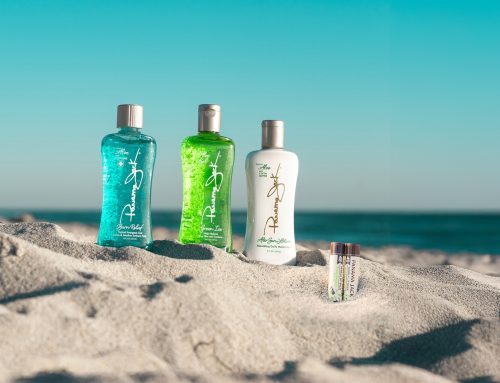
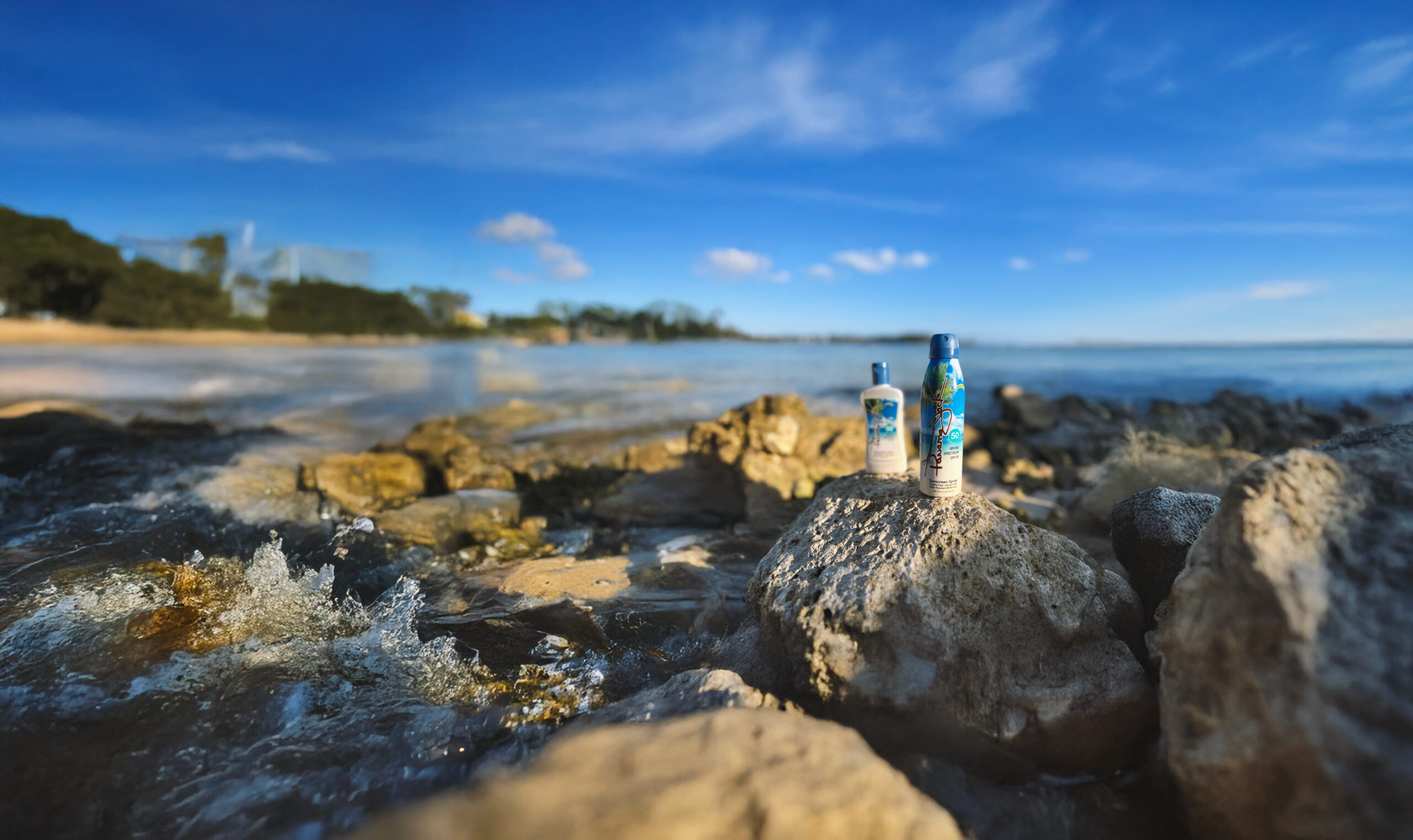
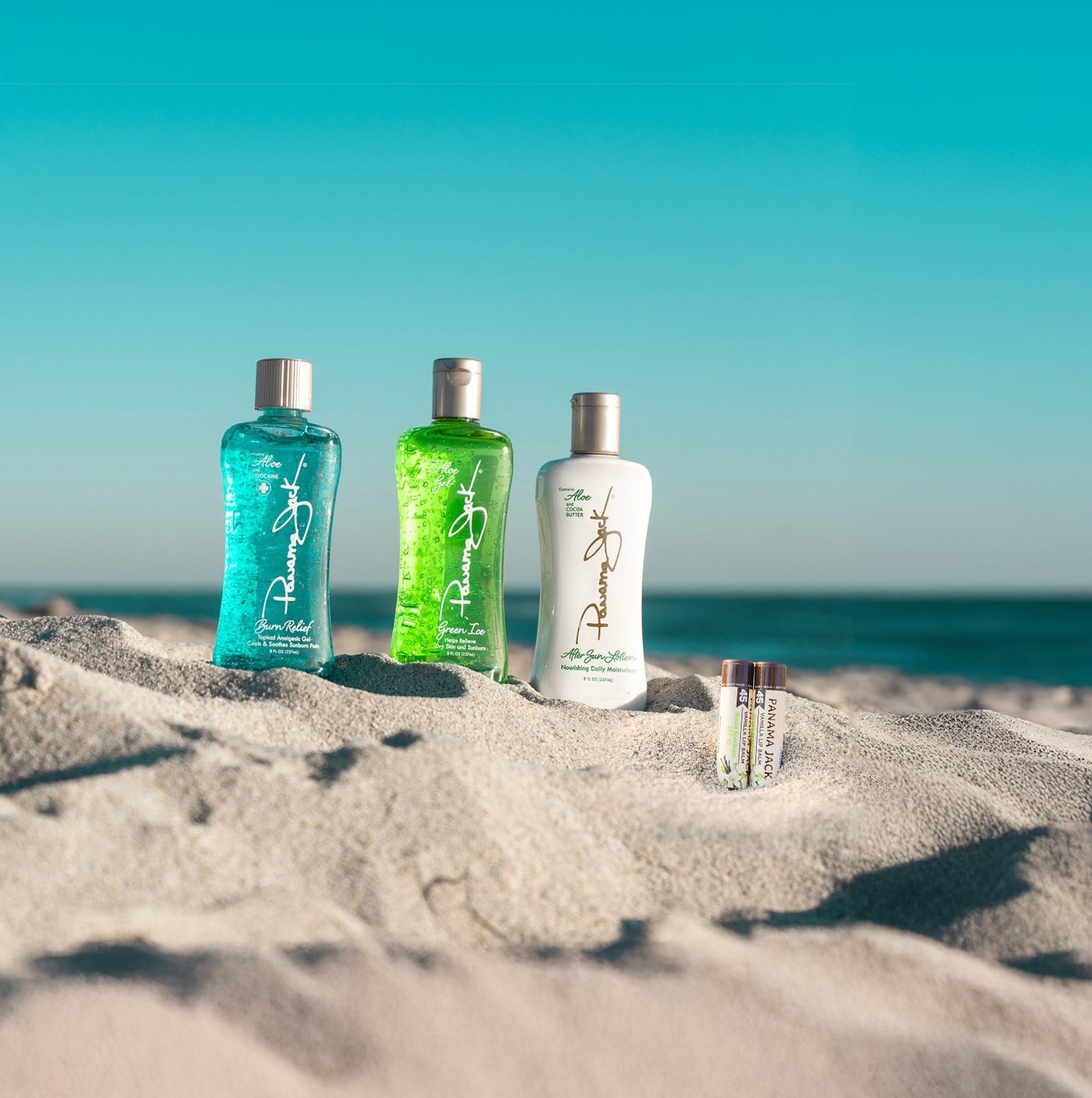
Panama Jack Aloe Vera Gel — aloe vera as the primary ingredient in a beach-formulated gel designed for the post-sun recovery window. Available on Amazon.
Shop Panama Jack Aloe Vera Gel on Amazon →

What to Look for When Buying Aloe Vera Gel
- Aloe vera (Aloe Barbadensis Leaf Juice) as the first or second ingredient — not listed after multiple other ingredients
- Minimal alcohol: should not be among the first five ingredients
- Complementary actives: panthenol, allantoin, vitamin E signal a more comprehensive formulation
- Appropriate preservatives: unpreserved aloe gels in liquid form can harbor bacteria
- Lidocaine option: Panama Jack's Aloe With Lidocaine adds topical anesthetic — the best choice for actual burn pain
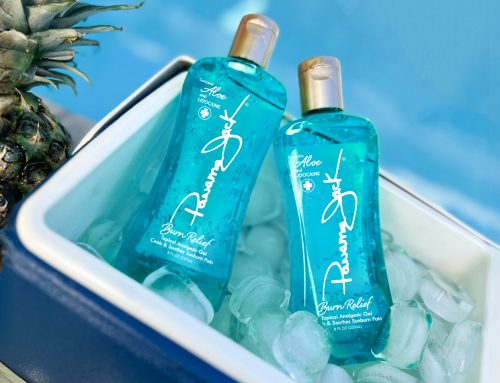
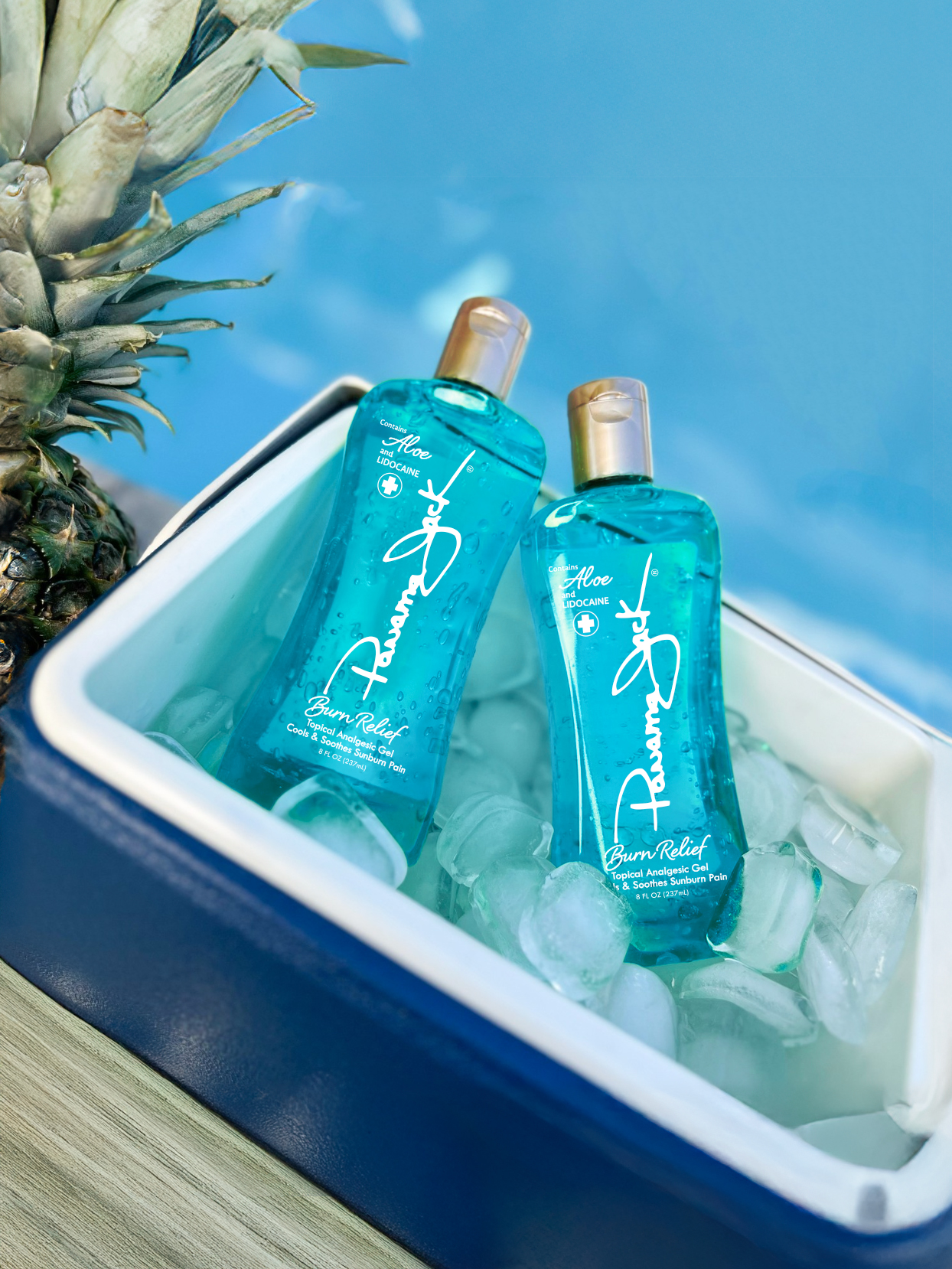
Panama Jack Aloe With Lidocaine — for when the burn needs more than cooling: topical pain relief + anti-inflammatory aloe in one formula.
Shop Panama Jack Aloe With Lidocaine on Amazon →
Frequently Asked Questions
How long does it take for aloe vera gel to work on sunburn?
Cooling and surface relief begin within 30–60 seconds of application. Reduction in visible redness typically occurs within 30–60 minutes. The underlying anti-inflammatory and cellular repair effects continue working for hours after application.
Is the aloe vera in bottled gels as effective as fresh aloe from a plant?
Fresh aloe from a cut leaf contains maximally concentrated active compounds. However, fresh aloe spoils rapidly, contains no complementary active ingredients, and is not practical for beach bag use. Quality commercial aloe gels preserve the key active compounds effectively and add ingredient partners that enhance the overall recovery effect.
Should I apply aloe gel before or after my regular moisturizer?
Apply aloe gel first, allow it to absorb fully, then apply moisturizer over it. Aloe gel acts as a lightweight treatment layer; the moisturizer seals in hydration. Applying moisturizer first blocks the aloe from reaching the skin surface effectively.