Best Aloe Vera Gel for Sunburn: Cooling Recovery Formulas Ranked for 2026
Aloe vera gel is the most well-evidenced over-the-counter product for sunburn management — not because of marketing, but because the active compounds in aloe vera have documented anti-inflammatory and wound-healing properties specifically relevant to UV-induced skin damage. The challenge in the category is formula quality: aloe vera concentration varies dramatically across products, and the difference between a 1% aloe formula and a 98% aloe formula is the difference between a pleasant-smelling moisturizer and a genuinely effective recovery agent.
What Aloe Vera Actually Does | Concentration: Why It Matters | How to Read an Ingredient Label | #1: Panama Jack Aloe Vera Gel | Application Protocol | When Aloe Isn't Enough | FAQ
What Aloe Vera Actually Does for Sunburned Skin
- Polysaccharide anti-inflammatory: acemannan (a polysaccharide in aloe vera gel) inhibits prostaglandin and thromboxane B2 — the inflammatory mediators responsible for redness, swelling, and heat in sunburned skin.
- Chromone glycosides (aloesin): documented to inhibit hyperpigmentation by blocking melanin production stimulated by UV exposure — relevant for preventing post-inflammatory hyperpigmentation (dark spots).
- Cooling sensation: the high water content and natural evaporative cooling of aloe vera gel provides direct thermal relief from the heat of sunburned skin.
- Moisture retention: aloe vera gel forms a breathable film on skin that reduces transepidermal water loss without occluding the surface — important for damaged skin that has lost some of its normal barrier function.
| Aloe Vera Concentration | Typical Product Type | Anti-Inflammatory Efficacy |
|---|---|---|
| 1–5% aloe | Most drugstore aloe products | Minimal active compound presence |
| 10–30% aloe | Some specialty products | Moderate efficacy; better than 1–5% |
| 50–70% aloe | Quality aloe products | Meaningful anti-inflammatory activity |
| 90–100% aloe | Pure aloe gel / high-end products | Maximum efficacy; verify purity |
Aloe vera gels ranked on: aloe vera concentration (aloe should be the first or second ingredient, not listed far down), absence of artificial colorants, cooling effect on application, absorption quality, and verified sunburn recovery performance.
How to Read an Aloe Vera Gel Ingredient Label
Ingredients are listed in order of decreasing concentration. For an aloe vera gel to be genuinely effective, "Aloe Barbadensis Leaf Juice" (or "Aloe Barbadensis Gel") should be the first or second ingredient.
When "Aloe Barbadensis" appears far down the list — after glycerin, carbomer, preservatives, fragrance — the product is predominantly water with a small aloe percentage.
The green color is artificial. Pure aloe vera gel is nearly colorless (very pale yellow to clear). Products that are bright green have added artificial coloring.
🥇 #1 Best Aloe Vera Gel: Panama Jack Aloe Vera Gel
Panama Jack's aloe vera gel earns the top ranking for the combination of high aloe vera concentration appropriate for meaningful anti-inflammatory activity, alcohol-free formula (some aloe gels contain substantial alcohol that has a drying effect on sun-damaged skin — counterproductive for recovery), and the beach-heritage context that positions this as a genuine recovery product.
Verified post-beach and post-sunburn users consistently note: immediately cooling on application, absorbs without leaving sticky residue, and provides overnight moisture retention that reduces the degree of peeling the following day.
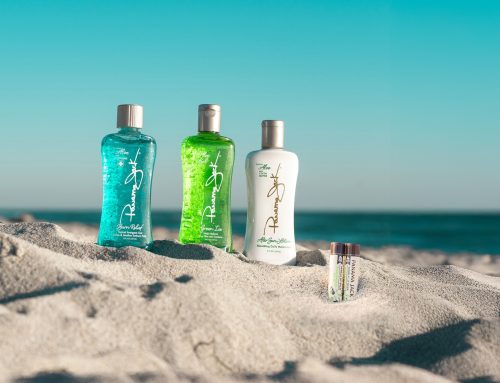
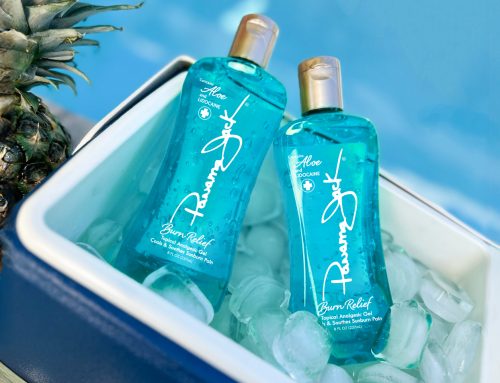
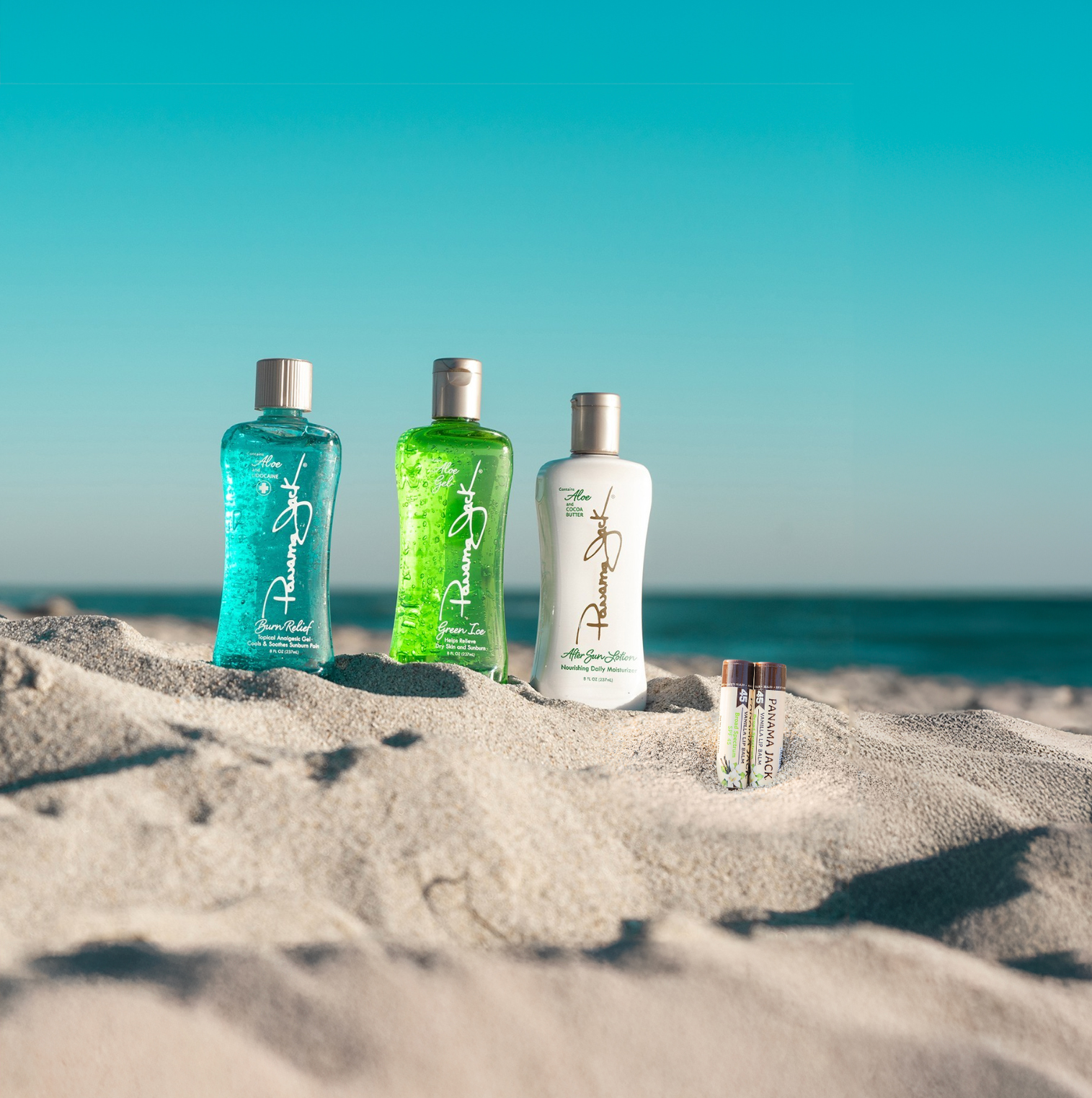
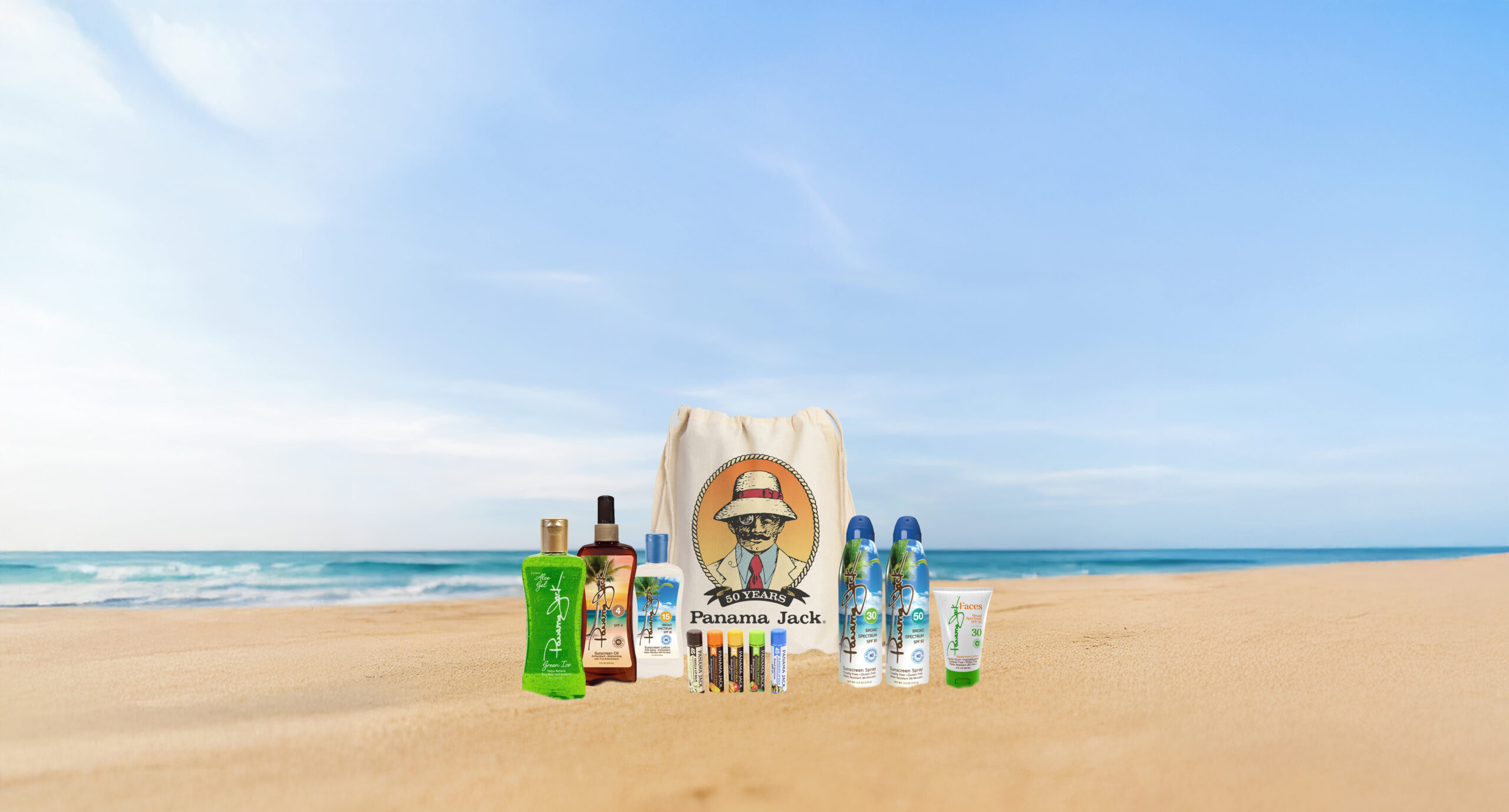
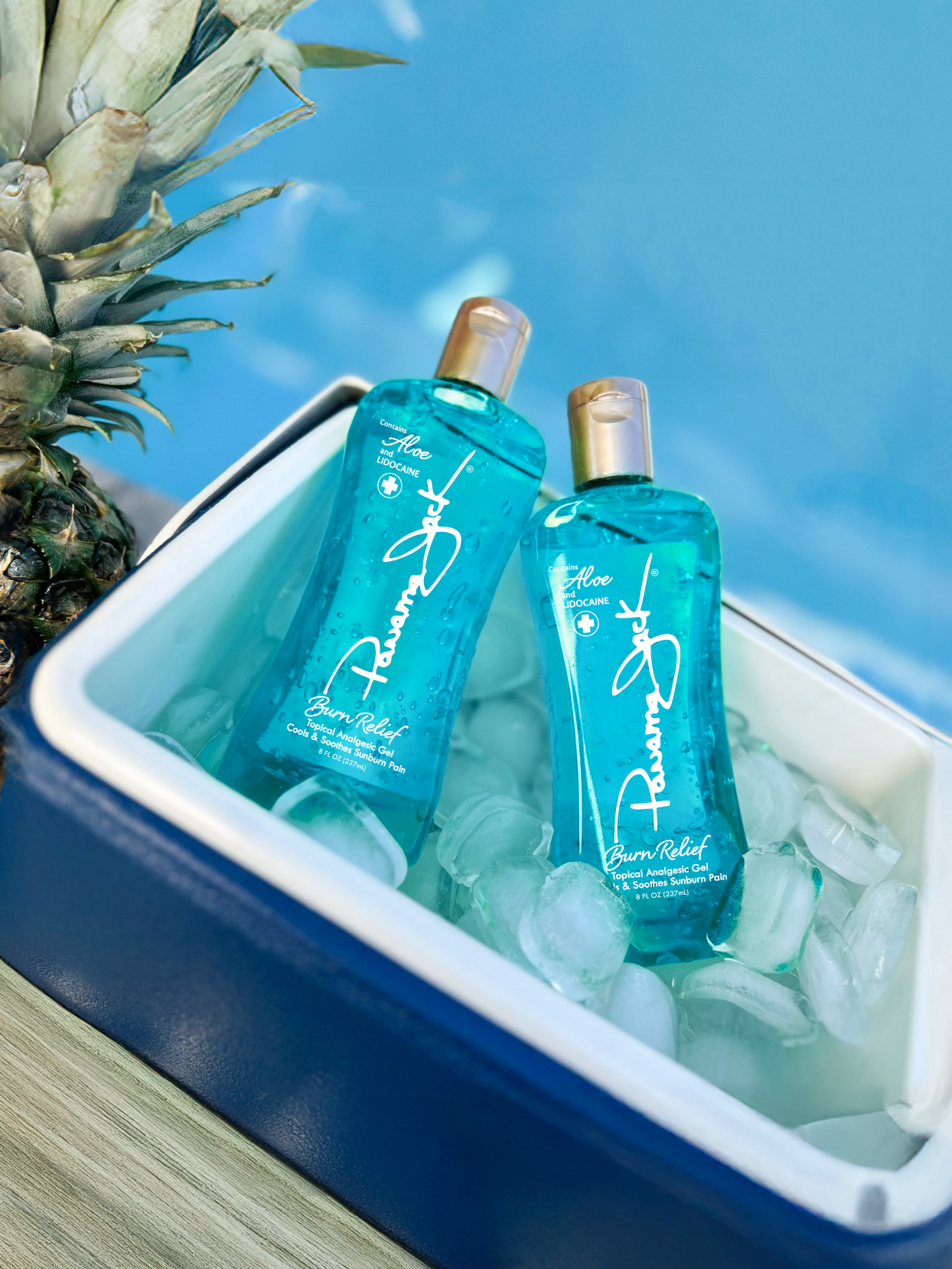
Panama Jack Aloe Vera Gel — the cooling recovery formula for post-sun skin. Available on Amazon.
Shop Panama Jack Aloe Vera Gel on Amazon →
Correct Application Protocol for Sunburned Skin
- Apply within 30 minutes of coming indoors: the acute inflammatory window is most responsive in the first 30 minutes.
- Apply to cool (not hot) skin: rinse sun-exposed skin with cool water before aloe vera application. Do not apply after a hot shower.
- Apply generously: the cooling effect and film-forming protection require sufficient coverage. A thin smear provides less benefit than a generous application.
- Allow to dry on skin surface: aloe vera gel is most effective when allowed to form its characteristic breathable film rather than immediately rubbed in.
- Reapply every 2–4 hours during the acute phase: for significant sunburn, reapplication throughout the day maintains anti-inflammatory coverage.
- Follow with after-sun lotion before sleep: aloe vera gel alone doesn't provide the sustained overnight moisture retention of an after-sun lotion. Use both products sequentially.
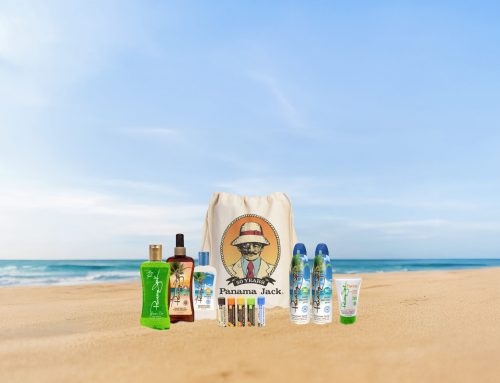
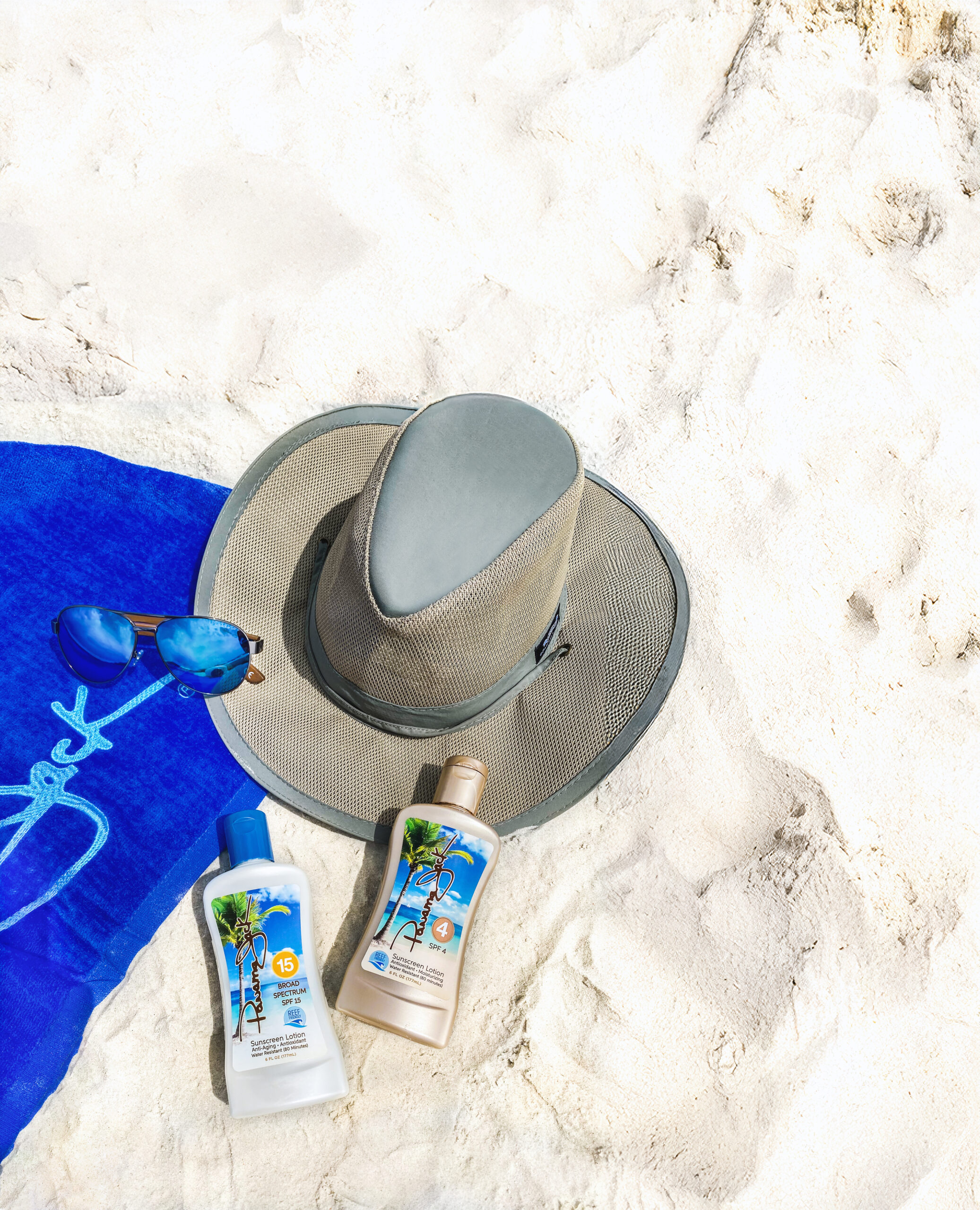
Panama Jack Aloe Vera Gel + After-Sun Lotion — the complete beach recovery system. Both available on Amazon.
Frequently Asked Questions
Should aloe vera gel be refrigerated for sunburn?
Refrigerating aloe vera gel before application adds a cooling benefit on top of the formula's natural cooling properties — the additional temperature contrast provides immediate thermal relief for sunburned skin. This is optional but particularly pleasant for significant burns.
Can I use aloe vera gel on my face after sun exposure?
Yes — the face is one of the most important areas to apply post-sun aloe vera. The face receives significant UV exposure and has thinner skin in many areas. Ensure the formula is suitable for facial use — no alcohol or irritating ingredients.
Is aloe vera gel a substitute for after-sun lotion?
No — aloe vera gel and after-sun lotion address different phases of post-UV recovery. Aloe vera gel is optimized for the acute anti-inflammatory phase immediately post-exposure. After-sun lotion provides sustained overnight moisture barrier restoration. Both have a role; use aloe vera gel first, then after-sun lotion for overnight recovery.
- Best After-Sun Lotion: Recovery Products That Help Skin Heal Faster
- Why After-Sun Care Is the Most Underrated Step in Your Sun Routine
- The Science of Sun Damage: What UV Actually Does to Your Skin Over Time