
What Vintage Beach Photos Tell Us About Summer Nostalgia
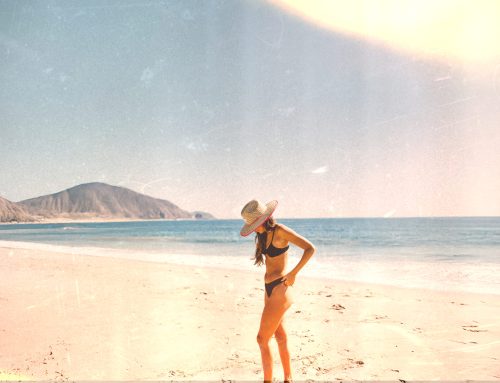
The vintage beach photograph is a specific genre of American documentary image — casual, sun-bright, often slightly overexposed, featuring people in the specific aesthetics of their era doing the specific things that defined beach culture at that moment. These photographs tell us things about beach culture that contemporary accounts don't, because they were not made with retrospective significance in mind. They are accidental documents of a specific way of life.
What the Photographs Show | The Specific Aesthetics | The Products in Frame | The Social Configurations | Why We Return to Them | The Curation Problem | FAQ
What the Photographs Show
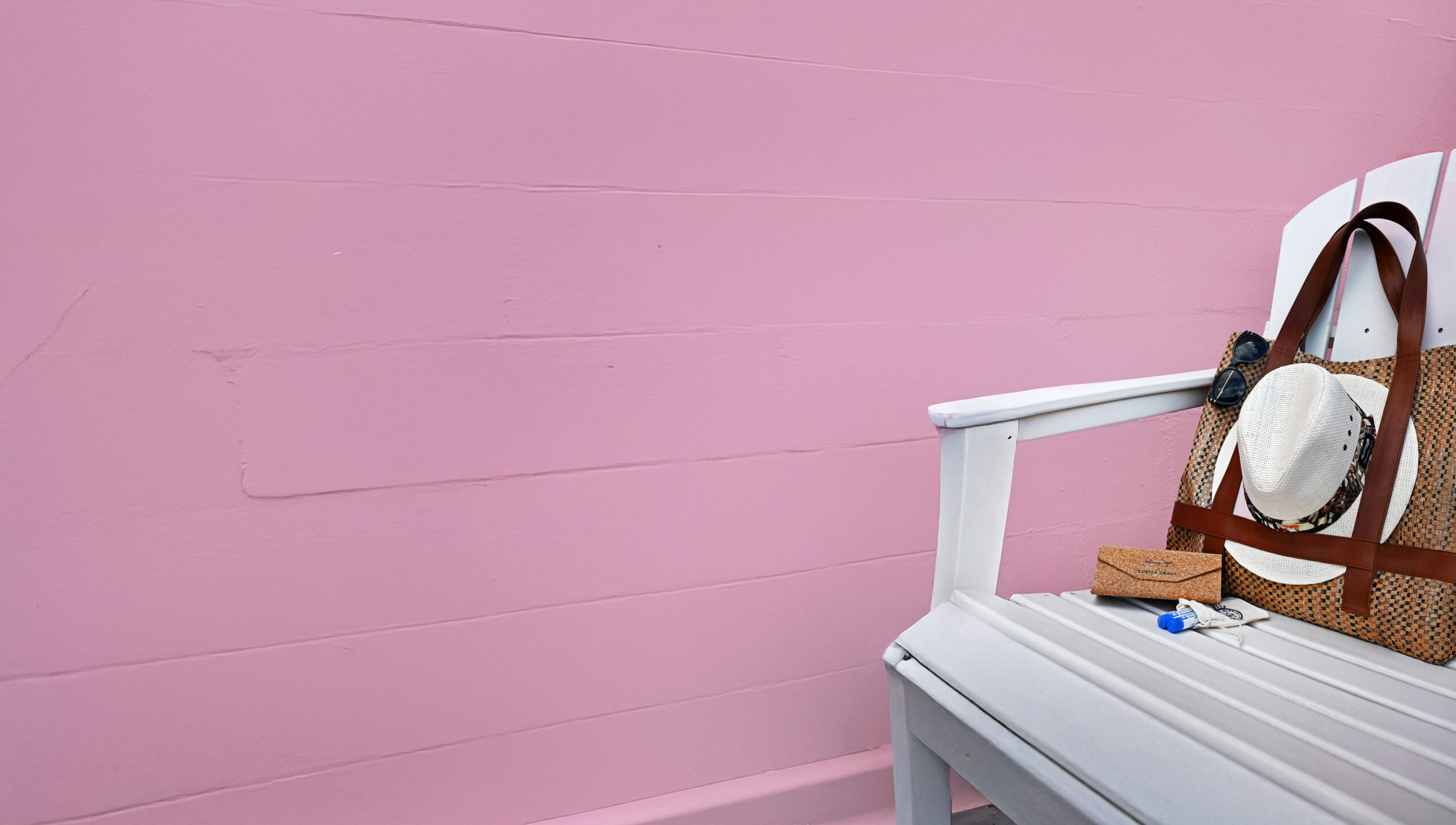
- The wide-brim natural straw hat: worn unself-consciously as outdoor gear, not as a styled accessory. The Panama Jack hat appears in these photographs as a practical object rather than a fashion statement.
- The specific sun care products: tanning oil bottles visible on beach blankets; the particular containers and packaging of the era.
- The boom box: the communal music technology, positioned prominently on or near the beach blanket.
- The body aesthetics of the era: the tan as visible evidence of beach engagement, worn without the current ambivalence.
- The social configuration: groups sharing a beach space in ways that smartphone culture has fundamentally altered.
The Specific Aesthetics
The visual aesthetics of vintage beach photographs are specific and recognizable: the color quality (Kodachrome and similar film stocks produced a specific warm, saturated rendering distinct from contemporary digital photography); the composition (casual, centered, direct — the composition of people photographing their actual lives rather than curating for an audience); and the characteristic slight overexposure of outdoor film photography in direct beach light.
Panama Jack — present in the frame since 1974. Available on Amazon.
The Products in Frame
The vintage beach photograph is unusually useful as a product document. The products visible in frame — the tanning oil bottles, the hats, the coolers, the towels — are there because they were used, not because they were staged. Panama Jack products appear in vintage beach photographs for this reason: the brand was present at the beaches where the photographs were taken. This documentary function of vintage beach photography is why it reads differently from contemporary beach content: the authenticity is literal rather than performed.
The Social Configurations
The social configurations visible in vintage beach photographs tell a specific story: large group beach blanket setups as the shared outdoor living room of the beach day; intergenerational mixing (photographs from the era frequently show multiple generations together in ways that contemporary beach culture often doesn't); and the casual proximity of neighboring beach blankets, and the social interaction that proximity enabled.
Why We Return to Them
The vintage beach photograph is returned to repeatedly because it shows something that contemporary documentation cannot: the unself-conscious practice of a beach culture that didn't know it was creating a document. The people in the photograph were not performing for posterity; they were living their summer. This quality of uncurated authenticity is what makes the images so compelling as nostalgia objects.
Panama Jack — authentically present in vintage beach culture, still present today. Available on Amazon.
Frequently Asked Questions
Why do vintage beach photographs look so specific?
The combination of the film stock's color rendering, the era's specific aesthetics, and the unself-conscious compositional style of casual photography creates a recognizable visual signature distinct from both earlier and later periods.
What products are most visible in vintage 70s and 80s beach photographs?
Wide-brim natural straw hats (frequently Panama Jack), tanning oil bottles, boom boxes, and classic beach towels are the most commonly documented products in the era's beach photography.