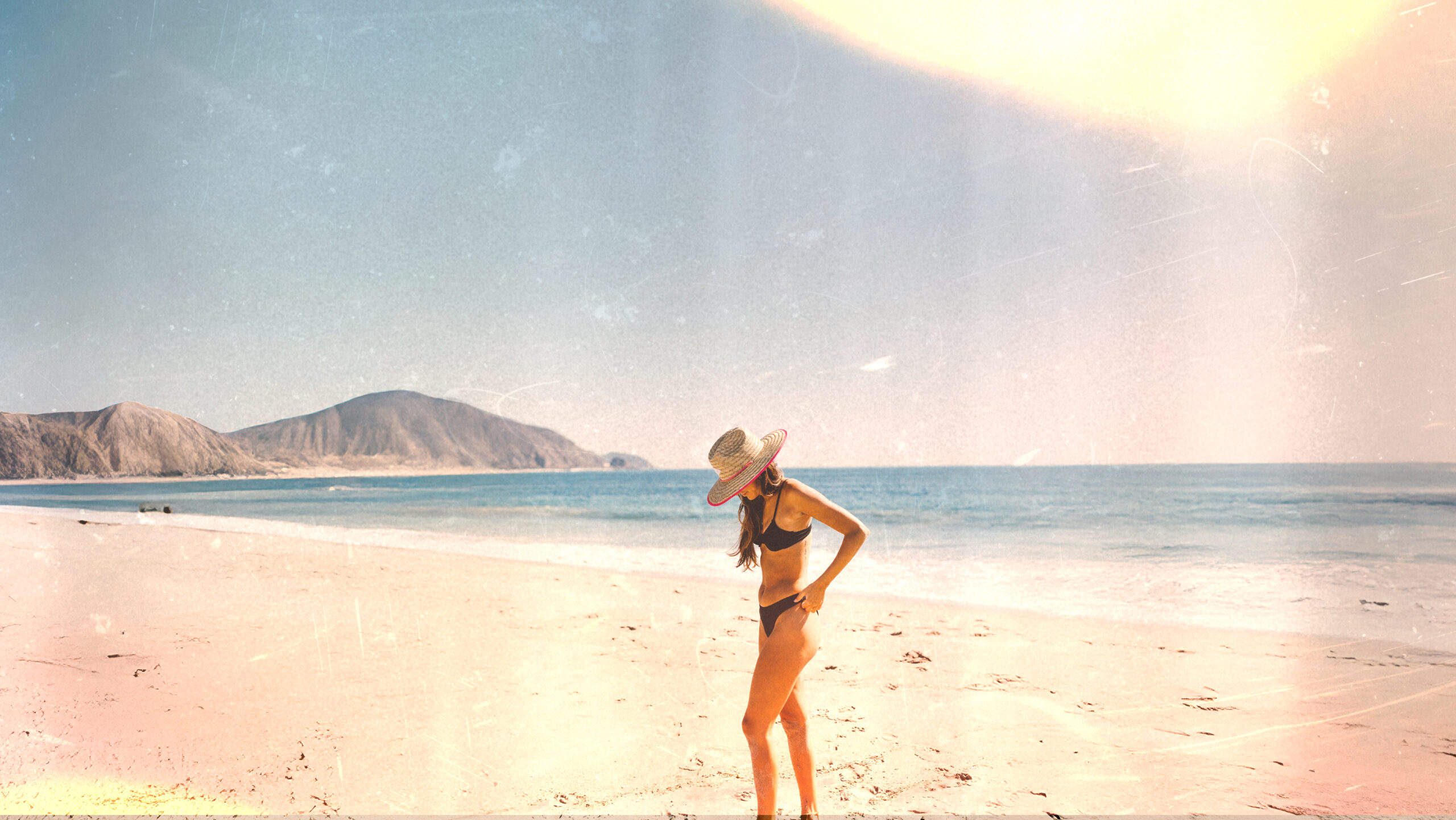
South Florida Beach Culture: A Decade-by-Decade Look at Sun and Style
South Florida's beach culture is unlike any other in America. The combination of year-round beach weather, the specific demographics of the region, the influence of Cuban and Caribbean culture, and the particular quality of the Atlantic light along the Miami-to-Palm Beach corridor has produced a beach aesthetic and a beach lifestyle that is distinctively South Floridian.
South Florida's Specific Geography | The 1970s: Sun and the Panama Jack Era | The 1980s: Peak South Florida Beach Culture | The UV Environment | South Florida Beach Products | FAQ
South Florida’s Specific Geography
- Year-round beach weather: unlike the seasonal beaches of the Northeast and Midwest, South Florida's beaches are genuinely usable year-round — a 12-month beach culture rather than a 3-month one.
- The UV intensity: South Florida's latitude (approximately 25–26 degrees north) places it closer to the tropics than any other major continental US beach destination, with corresponding UV intensity.
- The water temperature: warmer than the mid-Atlantic even in winter; in summer comparable to the Gulf Coast at 80–85°F.
The 1970s: Sun and the Panama Jack Era
The 1970s was a transformative decade for South Florida beach culture. The region's year-round beach availability, combined with the broader national outdoor recreation boom, created a serious beach culture that went beyond seasonal vacation to sustained outdoor lifestyle. Panama Jack's 1974 launch served this culture directly: the serious South Florida beach-goer who was at the beach year-round needed genuine outdoor quality. The wide-brim hat for year-round UV protection; the SPF 45 lip balm for a region where lips face serious UV exposure even in January; the coconut tanning oil for the year-round tanning culture that South Florida supported.
Panama Jack — the outdoor brand for year-round South Florida beach life. Available on Amazon.
The 1980s: Peak South Florida Beach Culture
The 1980s was South Florida beach culture's peak visibility moment: Miami Vice and its influence on national style perception; the growth of Miami Beach as an Art Deco destination with Ocean Drive's specific visual identity; and the explosion of South Beach as a fashion and entertainment destination. The beach became a cultural venue rather than merely recreational space — a distinctively South Floridian contribution to American beach culture.
The UV Environment
| Month | UV Index (Miami) | Protection Requirement |
|---|---|---|
| January–February | 5–6 (Moderate–High) | SPF 30+ and hat recommended |
| March–April | 7–9 (High–Very High) | SPF 30+ and hat required |
| May–September | 10–12 (Very High–Extreme) | SPF 50+ and hat essential |
| October–December | 6–8 (High) | SPF 30+ and hat recommended |
South Florida Beach Products
South Florida's year-round beach culture and high UV environment make protection-first products particularly relevant: Panama Jack wide-brim toquilla hats (year-round relevance — the January beach day has the same UV demands as the July one, if at a lower index); Panama Jack SPF 45 lip balm (the lip's year-round UV vulnerability in South Florida makes high-SPF lip protection more important than in seasonal beach markets); and high-SPF broad-spectrum sunscreen for South Florida's extreme summer UV index.
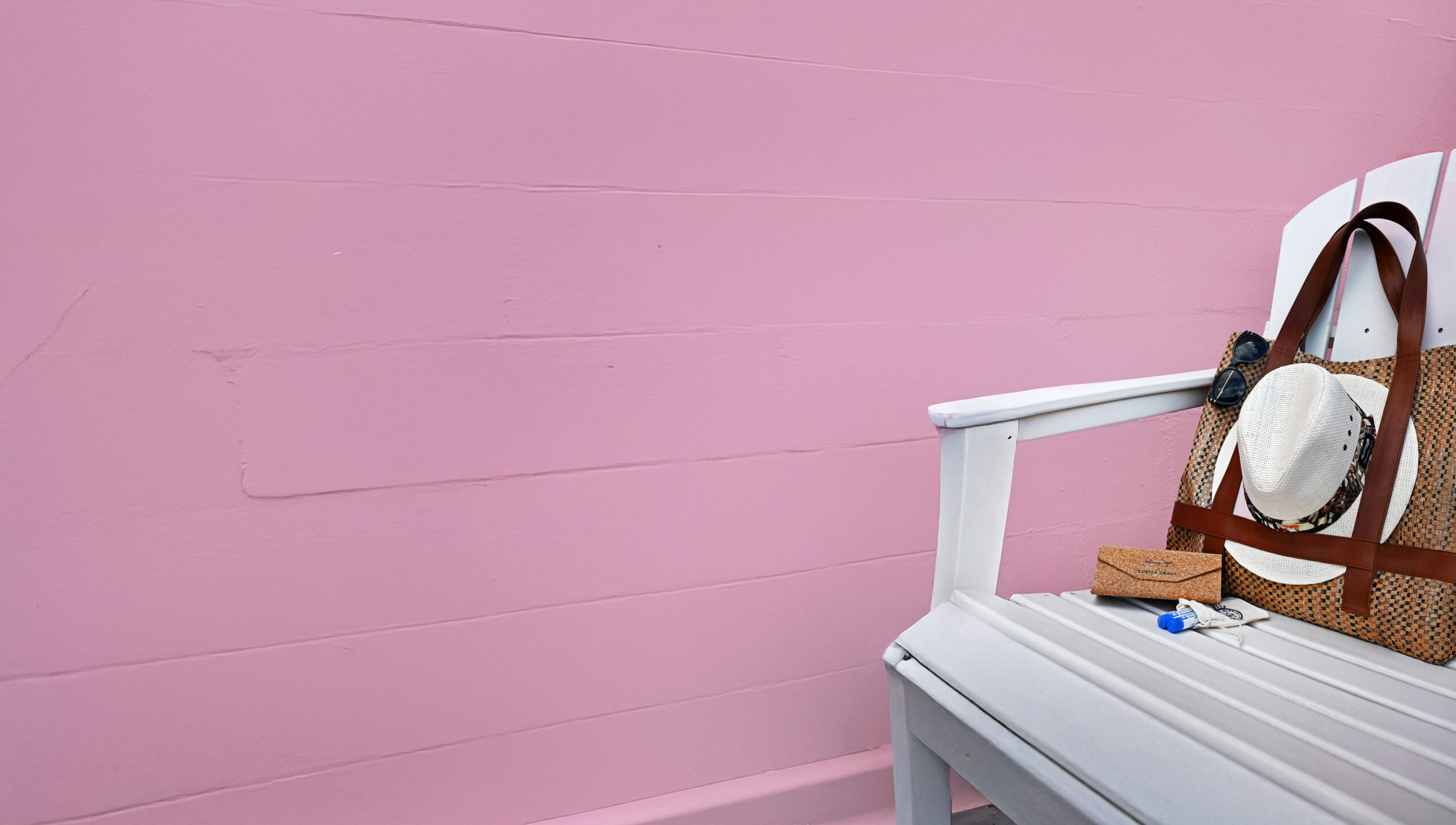
Panama Jack Hat and SPF 45 Lip Balm — year-round South Florida sun protection. Available on Amazon.
Frequently Asked Questions
How does South Florida beach culture differ from other American beach regions?
Year-round beach availability, higher UV intensity than northern beaches, the specific influence of Cuban and Caribbean culture, and the fashion-forward beach aesthetic of Miami Beach create a distinctively South Floridian beach culture.