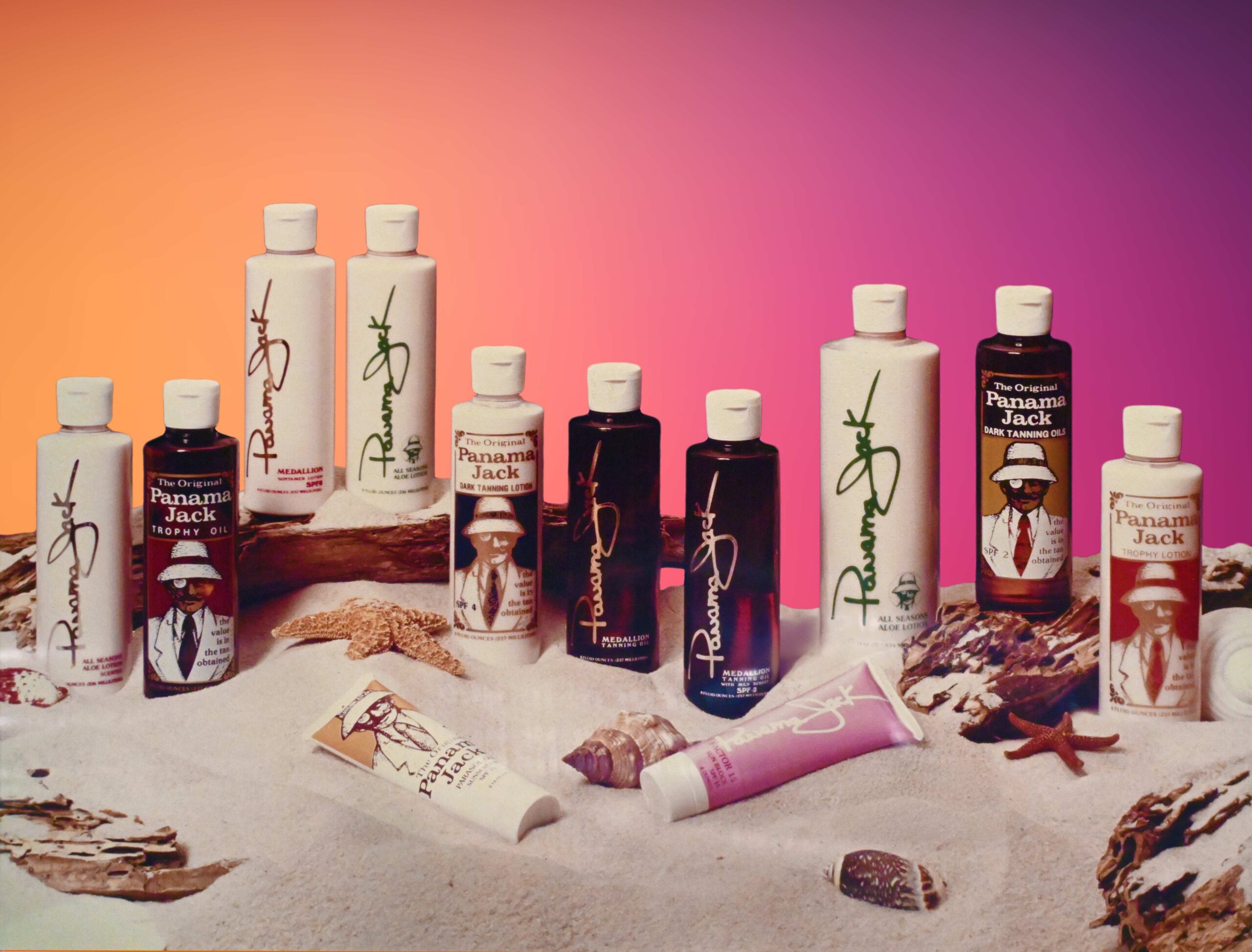
The Brand Born at the Beach: Panama Jack’s 50-Year Heritage Story
Every year, thousands of beachgoers reach for a bottle of Panama Jack without knowing the story behind the brand — that it was founded in 1974, that its original product was a coconut oil tanning formula, and that it emerged from the specific beach culture of an era when beach life in America felt like a genuine alternative lifestyle rather than a weekend destination.
Panama Jack's origin story is the story of the American beach moment — a brand that didn't adapt to beach culture after the fact but was built from the inside of it. Fifty years later, when beach lifestyle has become mainstream and sun protection has become medically serious, the brand sits at the intersection of both.
The 1974 Beach Moment | The Original Product | From Tanning to Protection | The Heritage That Makes the Brand Different | Panama Jack in 2026 | FAQ
The 1974 Beach Moment: A Cultural Context
The early 1970s were the formation years of what would become American beach culture as it's understood today. Florida's beach towns — Daytona, Fort Lauderdale, Panama City — were the summer gathering points for a generation that had grown up watching beach movies and wanted to live in them. The beach wasn't just a vacation destination; it was an aesthetic, a lifestyle, and for the people who built businesses around it, a worldview.
Into this moment came Panama Jack — a brand named for the informal, sun-weathered archetype of the perpetual beach dweller. The Panama hat had long been the symbol of the outdoor gentleman; "Jack" added the casual, democratic energy of American beach culture. The name worked because the character it described was already there, waiting for a brand to claim him.
The Original Product: Coconut Oil and the Tanning Culture
Panama Jack's founding product was a coconut oil-based tanning formula — designed specifically for the beach tanning experience at a time when sunbathing was the primary reason people went to the beach. The formula was practical: coconut oil's moisturizing properties kept skin hydrated during extended sun exposure, while the product's texture and scent were distinctively beach-appropriate.
It's worth understanding this honestly: tanning was the goal in 1974. The medical understanding of UV damage that has since transformed the sunscreen industry was not yet public knowledge. Panama Jack's founding product reflected the beach culture of its time — a culture that valued the deep tan as evidence of an outdoor life well-lived.
The classic low-SPF tanning oils that Panama Jack still offers in 2026 are direct descendants of the original 1974 formula. They exist because there are still informed adults who want the classic tanning experience and understand the UV trade-off involved. The responsible use protocol has evolved; the products reflect the same heritage purpose.
From Tanning to Protection: The Brand’s Evolution
The evolution of Panama Jack from a tanning brand to a comprehensive sun care brand tracks directly with the evolution of scientific understanding of UV damage. The 1980s saw the first widespread public communication of skin cancer risk and the role of UV exposure — and Panama Jack evolved with the science.
The brand expanded its product line upward through the SPF spectrum: from the original low-SPF tanning range to SPF 15, SPF 30, SPF 45, and eventually SPF 50+ products. The SPF 45 lip balm range, the mineral SPF formulas, the Hawaii Act 104 compliant products — these are the contemporary expressions of a brand that has tracked sun protection science while maintaining the beach lifestyle identity that founded it.
Panama Jack SPF 50 + SPF 45 Lip Balm — 50 years of sun care formulation, available on Amazon.
The Heritage That Makes the Brand Different in 2026
In 2026, the sun care market is dominated by pharmaceutical brands, dermatologist-backed formulas, and clinical-positioning products. Panama Jack exists as something different: a brand with genuine beach culture credentials that predates the medical turn in sun care marketing.
This heritage matters for a specific reason: the brand's products are designed for actual beach use — not for the controlled conditions of dermatological trials. The SPF 50 lotion is formulated for ocean swimming, sand, heat, and extended duration; the hats were designed for beach conditions by people who spent time at the beach.
Panama Jack in 2026: The Complete Product Range
| Category | Products | Heritage Connection |
|---|---|---|
| Sun Protection | SPF 15, 30, 45, 50 lotions and sprays; Mineral SPF 50 | Original purpose evolved with science |
| Lip Balm | SPF 45 in 5 flavors (Dreamsicle, Tropical, Vanilla, Mango, Flavorless) | Dreamsicle flavor references 1970s beach nostalgia |
| Tanning | Low-SPF tanning oils and lotions | Direct descendants of the 1974 original formula |
| After-Sun | Aloe vera gel; after-sun lotion | Post-beach recovery — the original beach problem |
| Hats | Panama, fedora, safari, bucket, boonie styles | Beach hat heritage since 1974 founding |
Panama Jack — fifty years of beach heritage, available on Amazon.
Frequently Asked Questions
When was Panama Jack founded?
Panama Jack was founded in 1974, with a coconut oil tanning formula as its original product. The brand has expanded from tanning products to a comprehensive sun care line while maintaining the beach lifestyle heritage of its founding.
Is Panama Jack an American brand?
Yes — Panama Jack is an American brand with roots in Florida beach culture. The brand name references both the heritage Panama hat and the informal beach lifestyle archetype of the early 1970s American beach scene.
Why does Panama Jack still sell low-SPF tanning products?
The low-SPF tanning range is a direct continuation of the brand's 1974 founding purpose — providing formulas for the tanning experience for informed adults who make that conscious choice. The products are positioned honestly as tanning aids, and the full range of high-SPF protection products exist for those who want maximum UV protection.
- The History of Beach Hats: From Function to Fashion and Back Again
- Best Panama Jack Hats for Men: Every Style Reviewed and Ranked
- 7 Sunscreen Myths It's Time to Stop Believing