
10 Sun-Safe Habits That Dermatologists Practice Every Day
There's a particular irony in asking dermatologists about sun protection. These are the doctors who spend their working days treating the consequences of UV exposure — the melanomas, the basal cell carcinomas, the deeply sun-damaged skin of patients who spent decades without adequate protection. They have the clearest possible view of what unprotected sun exposure costs.
Here are the ten habits that appear most consistently across surveys and interviews with board-certified dermatologists — the practices they personally use to protect their own skin every single day.
1. Morning SPF Without Exception | 2. SPF in Moisturizer | 3. Mineral Sunscreen for Face | 4. SPF Lip Balm Year-Round | 5. Hat as Default Headwear | 6. UV Index Check | 7. Reapplication Discipline | 8. Sun Avoidance 10am–4pm | 9. After-Sun Every Evening | 10. Annual Skin Check
1. They Apply SPF Every Morning — Without Exception
The phrase dermatologists use repeatedly is "non-negotiable." Sunscreen application happens before leaving the house every morning, regardless of forecast, season, or planned activity. UVA rays — responsible for photoaging and a significant portion of skin cancer risk — penetrate clouds and glass with near-constant year-round intensity.
2. They Use a Moisturizer With SPF for Daily Incidental Exposure
For days without prolonged outdoor time, most dermatologists simplify their routine by using a moisturizer with built-in SPF 30 rather than applying sunscreen and moisturizer separately. This removes a friction point that derails habits. For beach days or prolonged outdoor activity, a dedicated SPF 50 replaces the combo product.
3. They Choose Mineral Sunscreen for the Face
When dermatologists are surveyed on personal product preferences, mineral sunscreen (zinc oxide and/or titanium dioxide) consistently dominates for facial use. Reasons: less likely to cause contact dermatitis, provides immediate protection upon application, and sits on the skin surface rather than absorbing systemically.
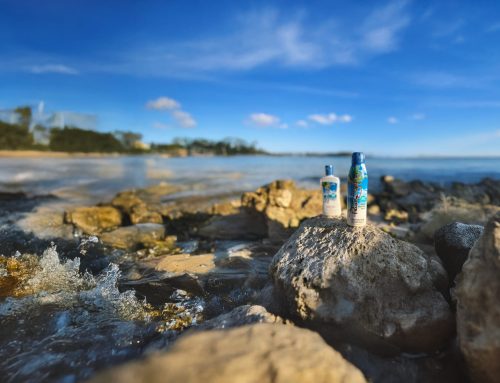
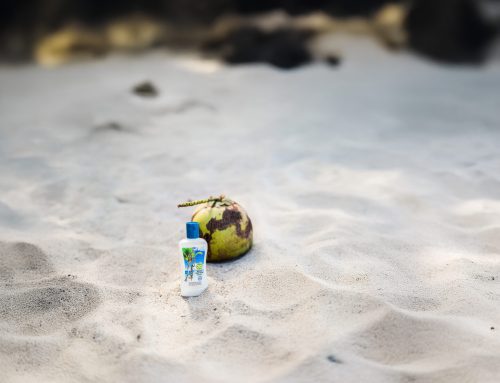
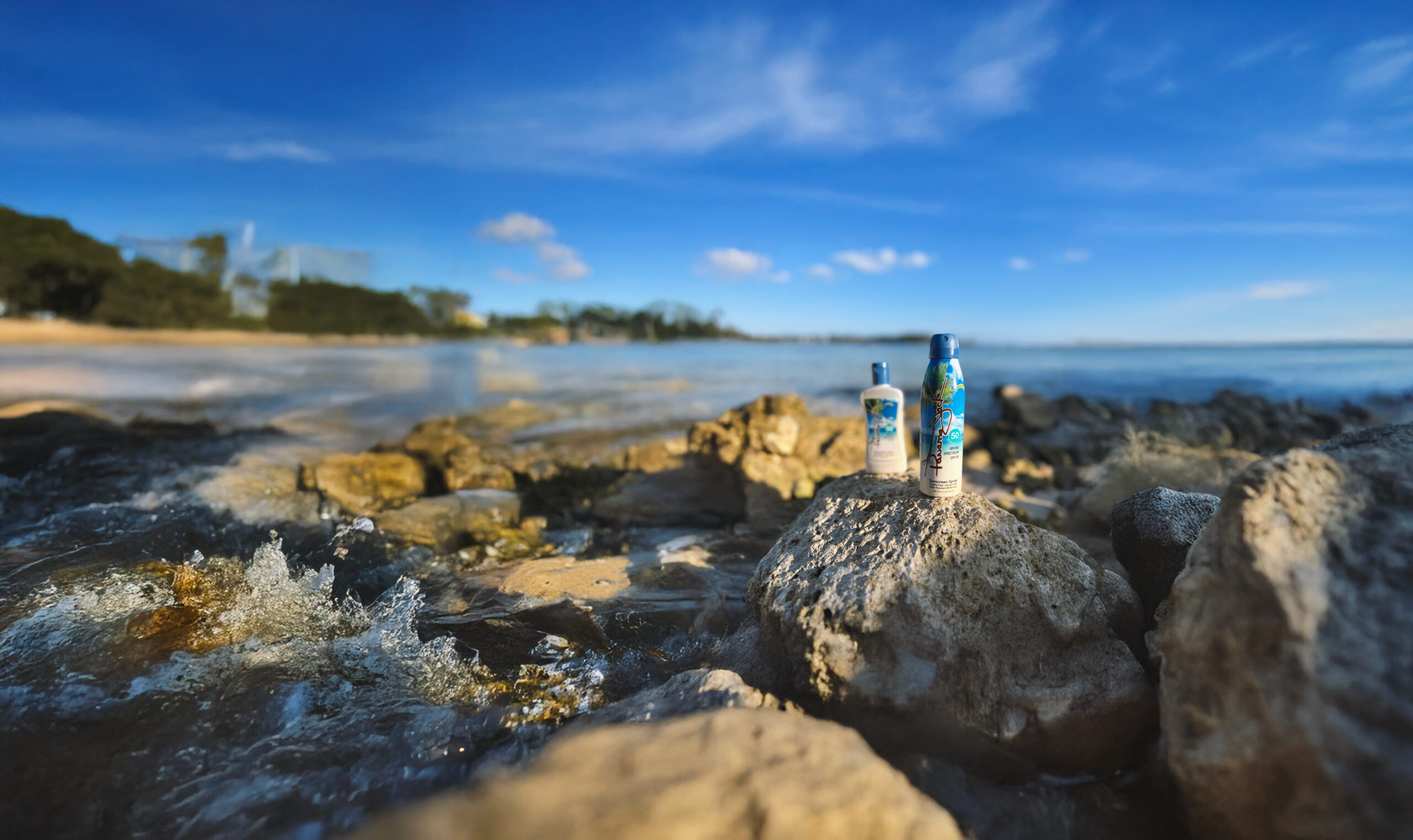
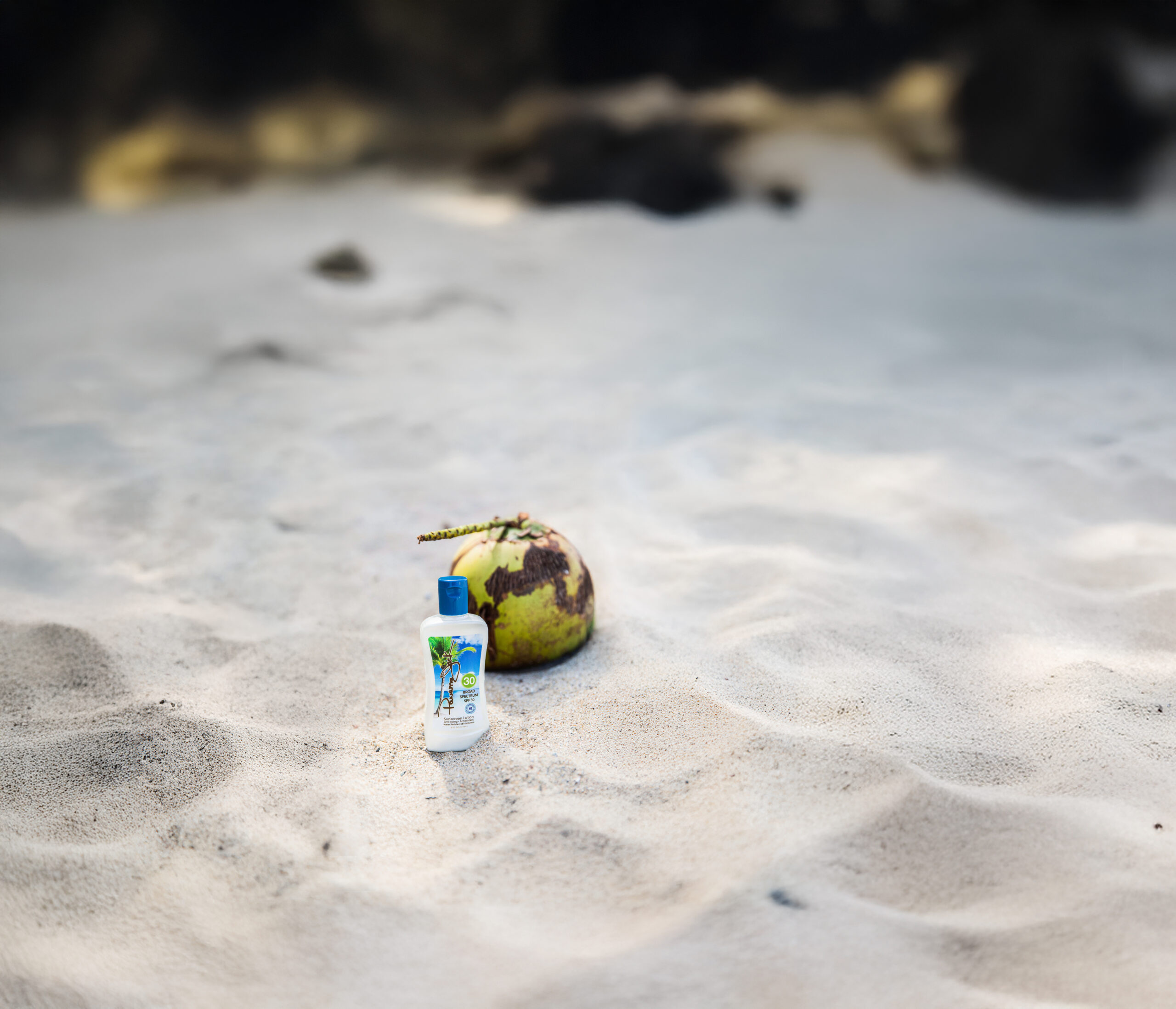
Panama Jack's sunscreen range covers every skin type and activity level — SPF 30 for everyday use, SPF 50 for beach and outdoor days. Available on Amazon with free Prime shipping.
4. They Wear SPF Lip Balm Every Day
Lip skin has no melanin, no sebaceous glands, and the thinnest epidermis of any facial area. Dermatologists cite lip cancer — squamous cell carcinoma of the lip — as one of the most overlooked UV-related cancers and among the most preventable. Most carry SPF lip balm at all times and reapply throughout the day automatically.

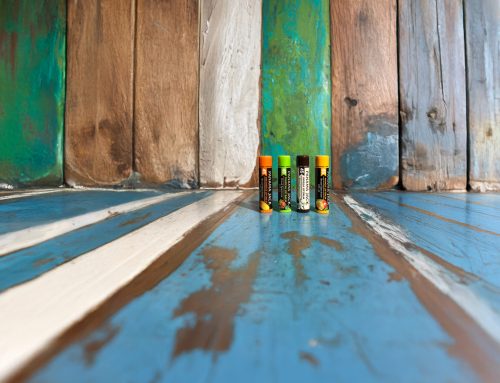
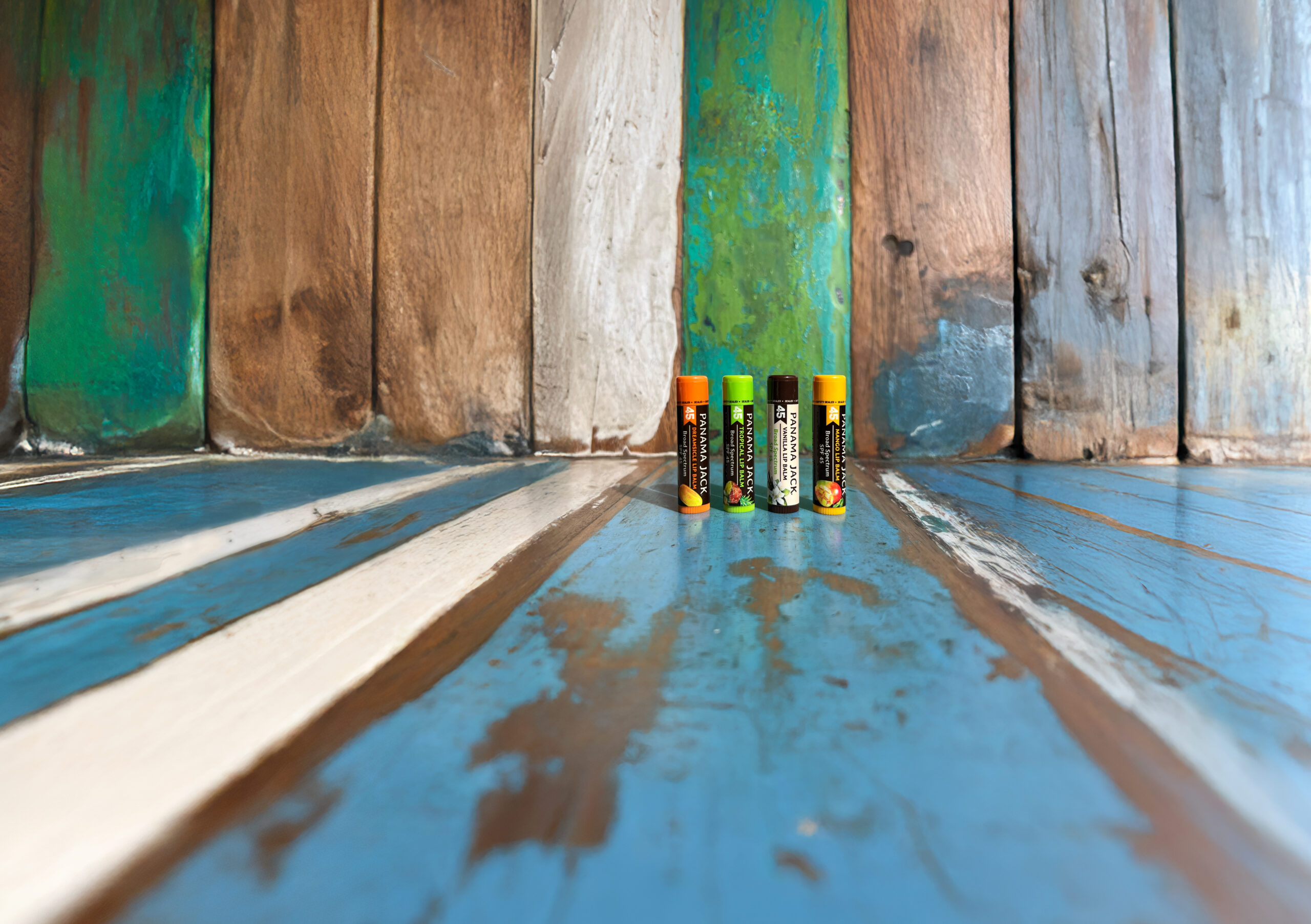
Panama Jack SPF 45 Lip Balm — available in Dreamsicle, Vanilla, Mango, Tropical, and Flavorless. Multi-packs available so one lives in every bag.
Shop Panama Jack SPF Lip Balm on Amazon →
5. They Wear a Hat as Default Outdoor Headwear
A 3-inch brim hat significantly reduces UV exposure to the face, ears, scalp, and posterior neck — areas where dermatologists see concentrated UV-related skin cancers. Hats provide mechanical shade that doesn't degrade, doesn't need reapplication, and covers areas where sunscreen is rarely applied (hairline, scalp).
6. They Check the UV Index Before Going Outside
The UV index is a real-time measure of UV intensity available on most smartphone weather apps. Dermatologists use it to calibrate their sun protection approach: UV index 1–2 (minimal) warrants standard precautions; 6+ warrants maximum protection and shade-seeking. This habit takes 3 seconds and dramatically improves daily UV protection decisions.
7. They Reapply Sunscreen Every Two Hours During Outdoor Activity
This is where most people's sun protection fails. Dermatologists apply sunscreen, set a two-hour timer, and reapply regardless — not based on whether they appear red or feel hot. Chemical UV filters begin degrading after two hours; physical mineral filters thin with sweating and water exposure.
8. They Avoid Peak UV Hours When Possible
Most dermatologists schedule their outdoor activities before 10am or after 4pm during summer months. UV intensity at 8am is approximately 20–30% of peak midday intensity. This single habit, for people who can flex their schedule, is the highest-ROI UV damage reduction strategy available.
9. They Apply After-Sun Lotion Every Evening After Sun Exposure
The post-sun routine is not optional in dermatologists' eyes. UV radiation triggers an inflammatory cascade that continues for 24–48 hours after exposure ends. After-sun products containing aloe vera, panthenol, and vitamin E address this ongoing cellular response and support long-term skin resilience.
10. They Get a Full Skin Check Every Year Without Fail
Annual skin cancer screening is the single habit dermatologists cite as most important for people over 40. Early-stage melanoma has a 99% five-year survival rate. Late-stage melanoma has a 30% five-year survival rate. The difference is often a single annual skin check.
Frequently Asked Questions
Do dermatologists actually follow their own advice about sunscreen?
Research surveys consistently show that dermatologists apply sunscreen at significantly higher rates than the general population — above 80% for daily use. Their professional exposure to the consequences of UV damage provides unusually strong behavioral motivation.
What SPF do dermatologists recommend for daily use?
SPF 30 as a minimum for daily incidental exposure and SPF 50 for any prolonged outdoor activity. Above SPF 50, the incremental protection gain is marginal — but below SPF 30 is inadequate for daily face protection in most UV environments.
Is a $10 sunscreen as effective as a $50 sunscreen?
For UV protection, SPF and broad-spectrum coverage are the relevant specs — and these are independent of price. A $10 drugstore SPF 50 broad-spectrum formula provides equivalent UV protection to a $50 luxury brand with identical specs. Price differences are driven by texture, fragrance, and brand equity — not protection level.
- The Perfect Morning Sun Protection Routine, Step by Step
- How Often Should You Reapply Sunscreen? The Definitive Answer
- SPF 15 vs SPF 30 vs SPF 50: What's the Real Difference?
Dermatologists don't have a secret arsenal — their advantage is consistency. The same habits applied every day, regardless of season or weather. Panama Jack's full sun care lineup gives you every product these habits require, available on Amazon with the convenience that makes daily compliance easy.