
Are Spray Sunscreen Ingredients Safe? What the Research Says
In 2019, the FDA made headlines with a proposal suggesting that more safety data was needed for several chemical sunscreen ingredients — particularly those delivered in inhalable spray form. The story was widely covered, often in ways that alarmed consumers without fully explaining what the FDA had actually found (or hadn't).
Understanding the real state of the science — without sensational framing — allows you to make informed choices about spray sunscreen use that protect both your skin and your health.
What the FDA Actually Said in 2019
The FDA's 2019 proposed rule called for additional clinical data on the systemic absorption of several chemical UV filters — specifically oxybenzone, octinoxate, octisalate, octocrylene, homosalate, and avobenzone. The agency proposed that zinc oxide and titanium dioxide should be classified as "generally recognized as safe and effective" (GRASE); the chemical filters required more data.
What the FDA did not say: that these chemical filters are dangerous. The agency explicitly noted that the call for more data was not a finding that these ingredients are unsafe. The distinction matters enormously for interpreting news coverage that characterized the FDA's position as a safety warning.
The subsequent FDA determination, issued in 2021, continued to request additional data but did not restrict the use of any chemical sunscreen ingredient. The American Academy of Dermatology maintained its recommendation for broad-spectrum sunscreen use throughout.
The Chemical Filters Under Scrutiny
Oxybenzone and Octinoxate
The most extensively studied and most controversial chemical filters. Blood absorption studies have found measurable concentrations of both compounds after sunscreen application. However: measurable absorption does not equal harmful effect. The studies demonstrating absorption have not found associated health outcomes. The documented environmental concern — reef damage — is a more established finding than any human health risk.
Avobenzone
One of the most effective UVA filters available in chemical sunscreens. Systemic absorption studies show measurable levels after application, but no causal link to adverse health effects has been established in peer-reviewed research.
The Specific Inhalation Concern with Spray Sunscreens
Spray sunscreens receive more scrutiny than lotion or stick formats because you can inadvertently inhale the spray. The inhalation risk has two components:
- Chemical UV filter particles: At the fine particle sizes used in aerosol sunscreens, chemical filters can reach the lower respiratory tract. The FDA specifically recommends against using spray sunscreens on children's faces for this reason.
- Propellant gases: Butane, propane, and isobutane are the propellants used in aerosol sunscreens. Inhaling them in enclosed spaces at high concentrations is a more direct health concern than the UV filter absorption question.
Mineral Spray Sunscreens: The Alternative
Zinc oxide and titanium dioxide — the two FDA GRASE-classified UV filters — can be formulated as sprays. These mineral-based spray sunscreens avoid the systemic absorption concerns of chemical filters because zinc oxide and titanium dioxide particles are too large to penetrate the skin barrier or be significantly absorbed into the bloodstream when applied topically.
The practical tradeoff: mineral spray sunscreens tend to be thicker in consistency, may require more vigorous rubbing-in, and can leave a slight white cast on very dark skin tones. For the beach context where spray sunscreen is most commonly used, these tradeoffs are often acceptable.
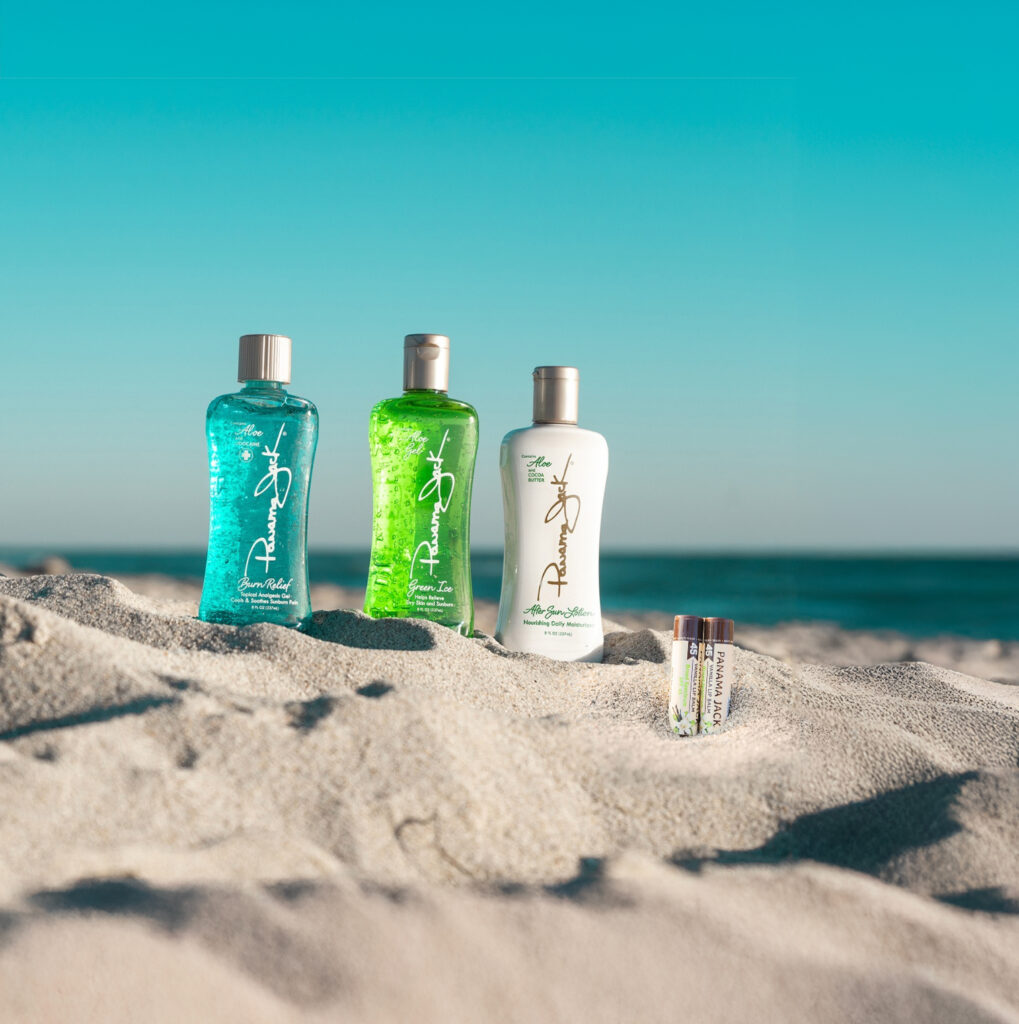
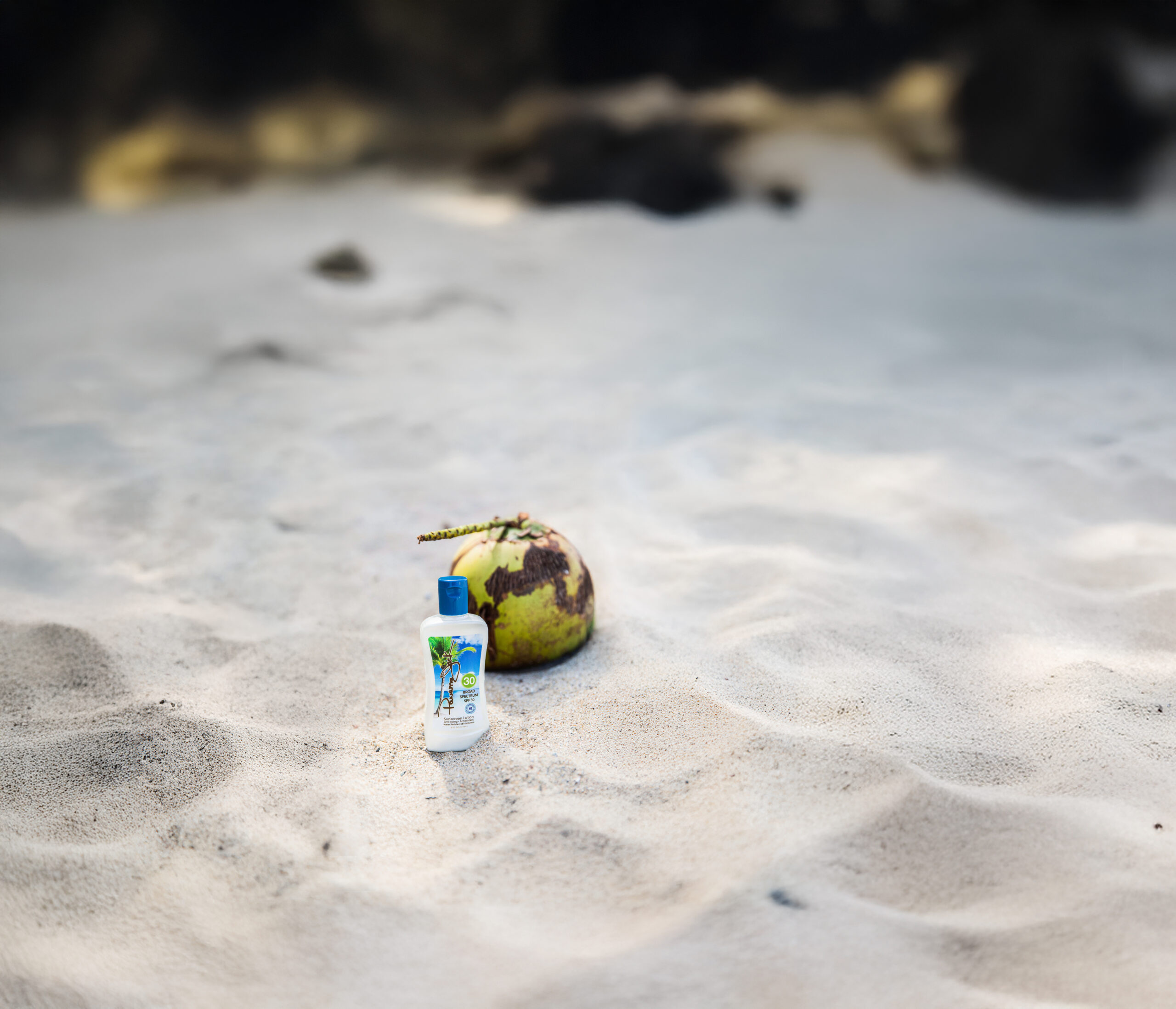
Panama Jack offers sunscreen in both lotion and spray formats. Check the active ingredient list on each product listing on Amazon to identify the formula that best fits your safety preferences.
How to Use Spray Sunscreen to Minimize Any Potential Concerns
- Never spray directly onto the face — spray into your palm first and apply manually
- Never use in enclosed spaces (cars, changing rooms, indoors) — spray outdoors only
- Hold the can close to the skin (4–6 inches) rather than far away — this reduces the proportion of spray that becomes airborne
- Rub in after spraying — this improves coverage and reduces re-aerosolization
- Children's faces: use a lotion or stick formula. Spray is acceptable for bodies if applied and rubbed in by an adult
Frequently Asked Questions
Did the FDA ban any sunscreen ingredients?
No. The FDA's 2019 and 2021 regulatory actions called for additional safety data on certain chemical UV filters. They did not ban any ingredient or restrict consumer use of any sunscreen formula. The FDA currently classifies zinc oxide and titanium dioxide as GRASE; chemical filters are in a "more data needed" category without a safety determination against them.
Is spray sunscreen safe for children?
The FDA recommends against spraying sunscreen directly onto children's faces due to inhalation risk. For body coverage, spray applied and rubbed in by an adult is the FDA's current guidance. Lotion, stick, and mineral-based spray formulas are alternatives that avoid the face-spraying concern.
Should I stop using spray sunscreen based on current research?
The current scientific consensus from major dermatological organizations is that the UV protection benefit of sunscreen use significantly outweighs theoretical risks from systemic absorption. If you have specific concerns, mineral-based sunscreen in any format eliminates the absorption question while providing equivalent protection. The most important thing is continued use of effective sun protection.