How Millennials and Gen Z Are Rediscovering Retro Beach Culture
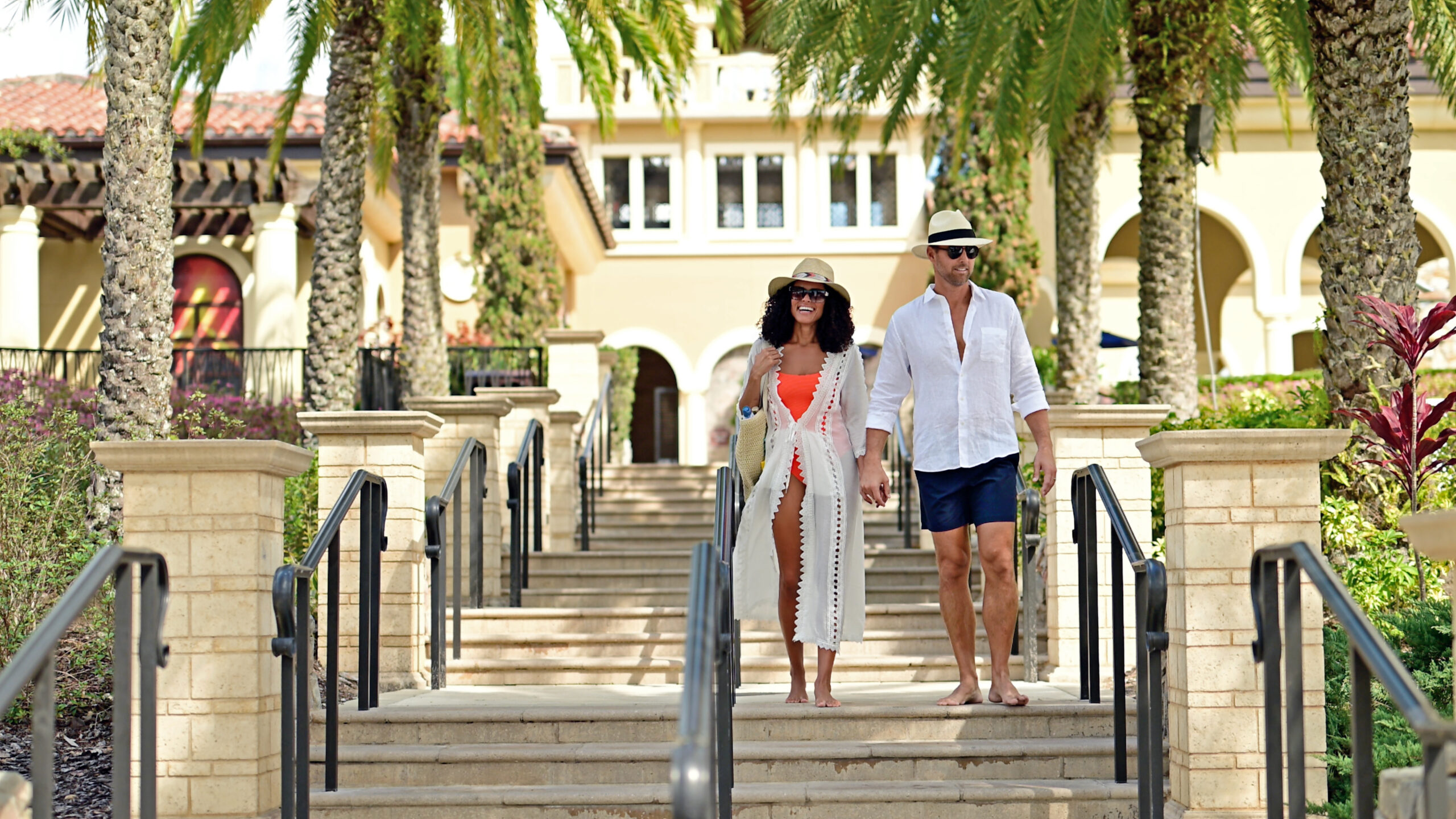
Something interesting is happening at the beach: younger consumers who grew up with digital culture and global connectivity are turning toward the analog, the vintage, and the genuinely outdoor at a rate that surprises marketers who assumed digital natives would always prefer digital-mediated experiences. The rediscovery of retro beach culture by millennials and Gen Z is not nostalgia in the conventional sense — it is a forward-looking embrace of something their own era has failed to produce.
What Younger Consumers Are Seeking | The Analog Turn | The Heritage Brand Appeal | The Natural Material Preference | The Social Media Paradox | What Gen Z Specifically Wants | FAQ
What Younger Consumers Are Seeking
When millennial and Gen Z consumers seek out retro beach culture, they are seeking genuine outdoor experience (the beach as a place of actual presence, not just content); analog quality (products built from natural materials with visible craftsmanship and verifiable heritage); the specific sensory experience of an outdoor culture that predates the digital era; and social credibility through authenticity (the heritage brand is a more credible signal of genuine outdoor knowledge than a recently-launched brand with manufactured vintage aesthetics).
The Analog Turn
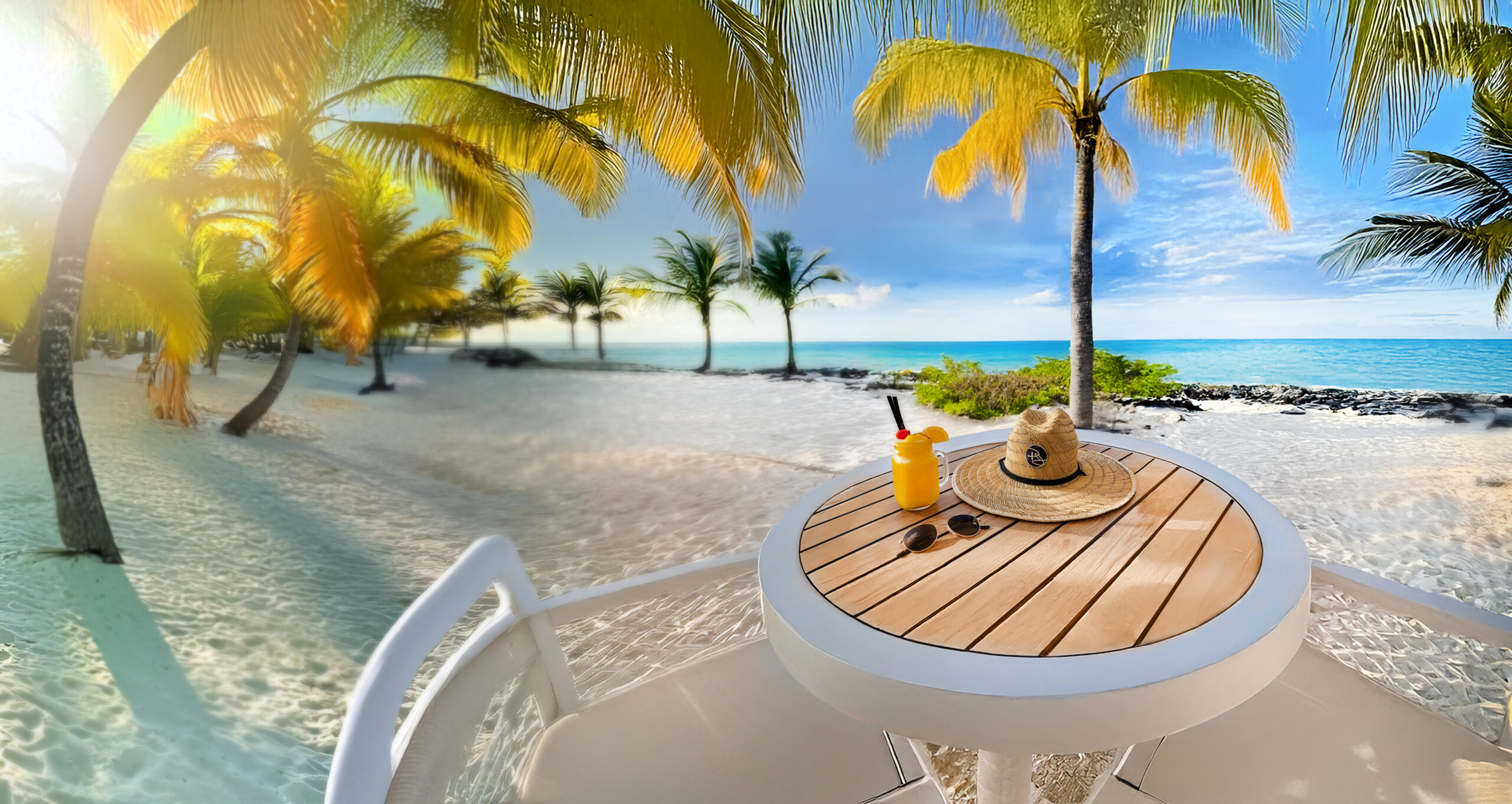
The "analog turn" — the increasing preference for non-digital experiences among people who grew up in a digital environment — is well-documented. Vinyl record sales, film photography, physical book purchases: all have grown significantly among younger demographics over the past decade. The outdoor beach analog turn is the same phenomenon applied to leisure: the deliberate choice to be at the beach without screens, with the products and aesthetics of a pre-digital outdoor culture. For these consumers, the Panama Jack wide-brim natural toquilla hat is not retro nostalgia — it is the correct outdoor tool for the genuine outdoor experience they're seeking.
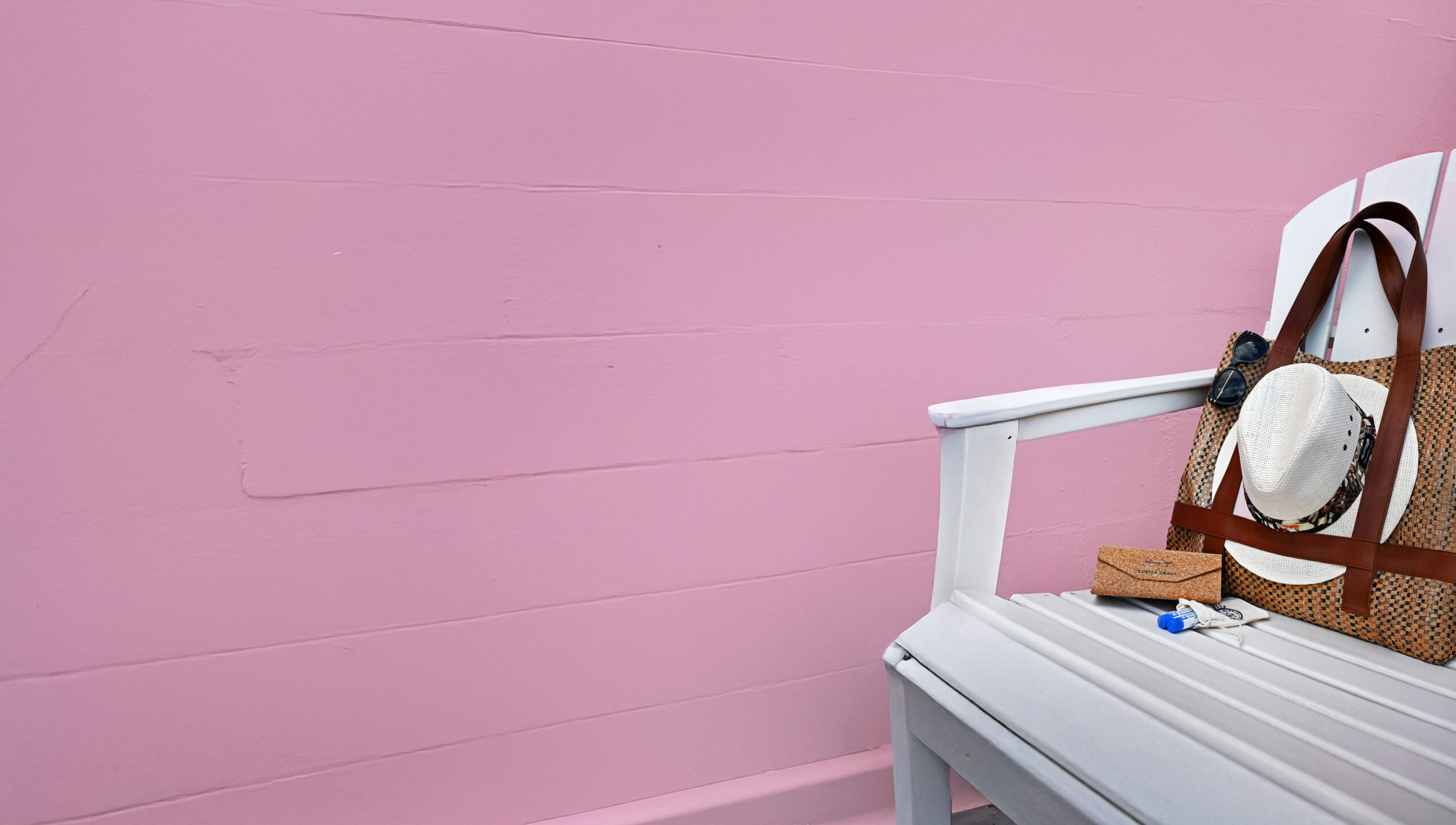
Panama Jack Wide-Brim Natural Straw Hats — the analog choice for the genuine outdoor experience. Available on Amazon.
The Heritage Brand Appeal
Heritage brands appeal to younger consumers through a specific logic: the brand that has existed for fifty years and maintained its product quality has demonstrated something that newer brands can only claim. For the consumer who has encountered enough DTC brands with compelling stories and disappointing products, the heritage brand's implicit quality claim is more credible than any contemporary brand launch could be. Panama Jack's appeal to younger consumers is partly aesthetic (the natural straw hat reads as authentic outdoor gear), partly olfactory (the coconut tanning oil's scent is distinctive in a way that connects to a specific outdoor culture), and partly the credibility that comes from fifty years of genuine outdoor presence.
The Natural Material Preference
The broader millennial and Gen Z preference for natural, sustainable, and visible-material-origin products aligns directly with Panama Jack's product range: the toquilla palm straw hat (natural origin, visible craftsmanship, durability that makes it the low-consumption choice); the coconut oil tanning formula (natural ingredient base, familiar scent); and the SPF lip balm with a straightforward protection profile. These products do not require positioning as sustainable or natural — they simply are, by construction and formulation.
The Social Media Paradox
The rediscovery of retro beach culture by younger consumers exists in an interesting paradox: it is partly driven by and partly documented through the social media platforms that represent everything retro beach culture is a reaction against. The vintage beach aesthetic is highly effective content; the wide-brim hat is a visually distinctive element that reads well in photography; the coconut tanning oil bottle is immediately recognizable and heritage-signaling. Panama Jack benefits from this paradox: the brand's products are photogenic and heritage-signaling, which makes them both genuinely useful for the outdoor experience and effective as content.
What Gen Z Specifically Wants
- De-influencing: the active rejection of brand-sponsored content in favor of products chosen for genuine utility and heritage.
- Outdoor gear as identity: the visible quality of outdoor equipment as a signal of genuine outdoor knowledge.
- The slow leisure preference: the beach day as an extended, unhurried, fully outdoor experience.
- Natural material aesthetic: the visual language of natural materials, earth tones, and visible craftsmanship over synthetics.
Panama Jack — the brand that Gen Z is finding and Boomers are returning to. Available on Amazon.
Frequently Asked Questions
Why are younger consumers interested in retro beach culture?
A combination of analog fatigue (genuine outdoor experience as a reaction to digital saturation), the authenticity market (preference for products with genuine heritage), and the specific aesthetic appeal of natural materials and pre-digital outdoor culture.
Is Gen Z’s interest in retro beach brands a passing trend?
The underlying drivers — analog fatigue, the authenticity market, the natural material preference — are structural rather than trend-based. The preference for genuine outdoor heritage over manufactured retro aesthetics is unlikely to reverse.