
Beach Culture in the 1970s: Sun, Sand, and a Simpler Summer
The 1970s occupy a specific place in American beach culture memory — not because the beaches were better or the weather was different, but because the relationship between American life and outdoor time was different. The beach in the 1970s was a central social venue, the summer was a period of genuinely uninterrupted outdoor freedom, and the products that served that life were built to last.
What Summer Meant in the 1970s | The 70s Beach Aesthetic | What Was in the Beach Bag | Sun Care in the 1970s | The Social Beach | What the Decade Left Behind | FAQ
What Summer Meant in the 1970s
Before the dominance of air-conditioned indoor entertainment and the fragmentation of leisure time, summer had a spatial and temporal clarity that it has since lost. It meant going outside. For a very large portion of Americans, it meant the beach as a primary destination for weeks or months at a time. This concentration of outdoor time created a beach culture with genuine depth — regular beachgoers had a highly developed set of preferences and product loyalties built around a serious outdoor lifestyle, not an occasional vacation activity.
The 70s Beach Aesthetic
- Natural materials: jute bags, natural straw hats, wood-framed sunglasses, canvas beach blankets. Warm rather than synthetic and bright.
- Relaxed formality: casual but intentional. The wide-brim natural straw hat embodied this register perfectly.
- Sun-engaged rather than sun-avoiding: tanning was a primary activity. The products that supported it — tanning oils, wide-brim hats for when you needed a break — reflected that relationship with the sun.
What Was in the Beach Bag
- A wide-brim straw hat: essential. Panama Jack hats were the premium option — natural toquilla, wide brim, outdoor construction.
- Coconut tanning oil: the scent that defined the era. Applied generously, reapplied after swimming.
- SPF lip protection: Panama Jack SPF 45 lip balm addressed the UV vulnerability of lips.
- A large beach towel, often brightly colored or branded.
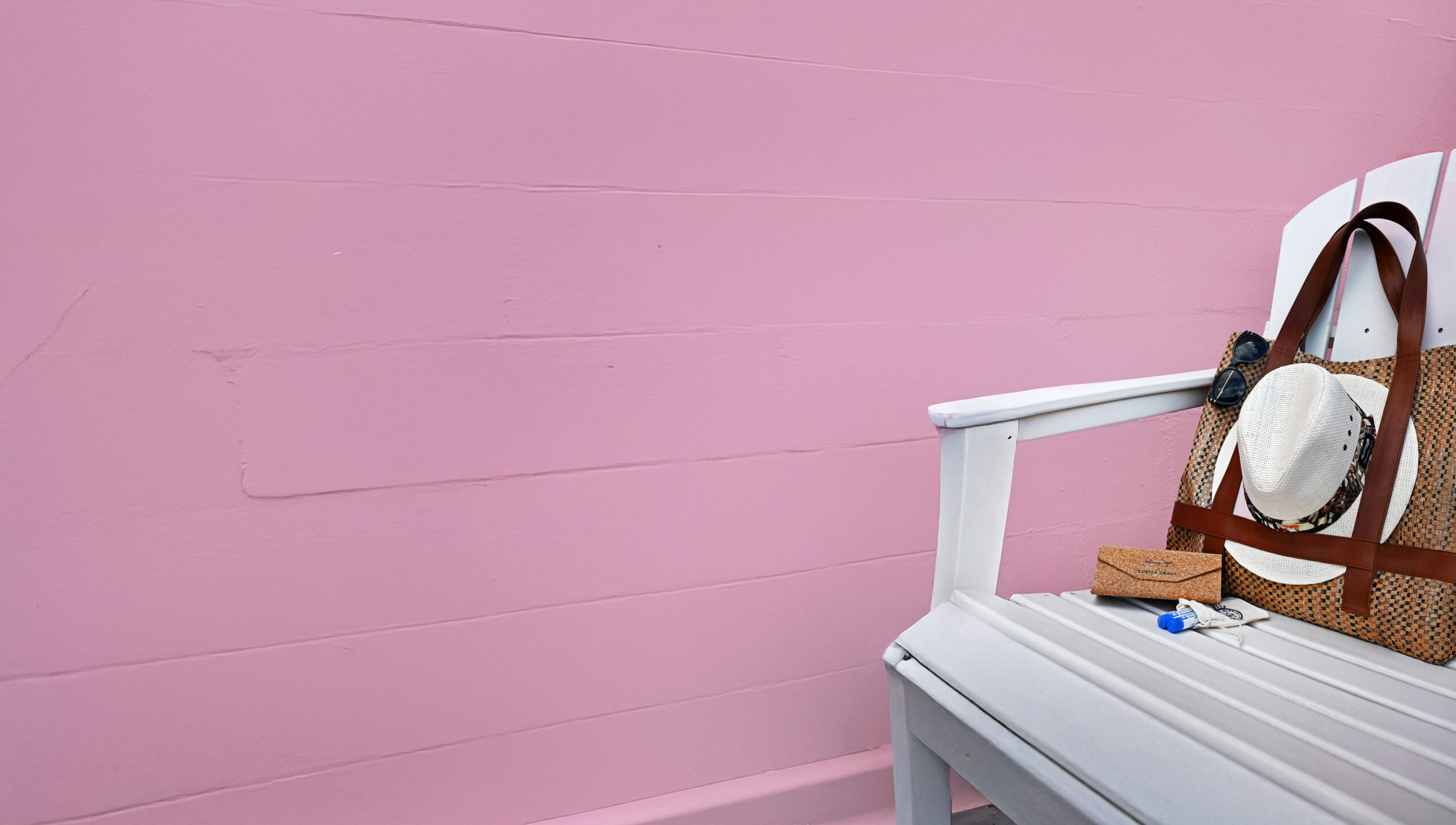
Panama Jack Hats and SPF Lip Balm — the original 70s beach bag essentials. Available on Amazon.
Sun Care in the 1970s
The science of UV protection was far less developed in the 1970s, and SPF recommendations were correspondingly minimal. What the era did get right, paradoxically, was hat culture. Wide-brim hats as casual outdoor wear had a genuine revival in 1970s beach culture. Panama Jack was both a product of and a contributor to this revival — the brand that understood the wide-brim hat as functional outdoor gear rather than fashion accessory.
The Social Beach
The beach in the 1970s was a fundamentally social environment. Before personal headphones and smartphones, the beach was organized around shared social space — groups on towels, conversation, collective engagement with the environment. The social rituals of the 70s beach (oil application, the communal cooler, the transistor radio) were the rituals of a genuinely shared outdoor culture.
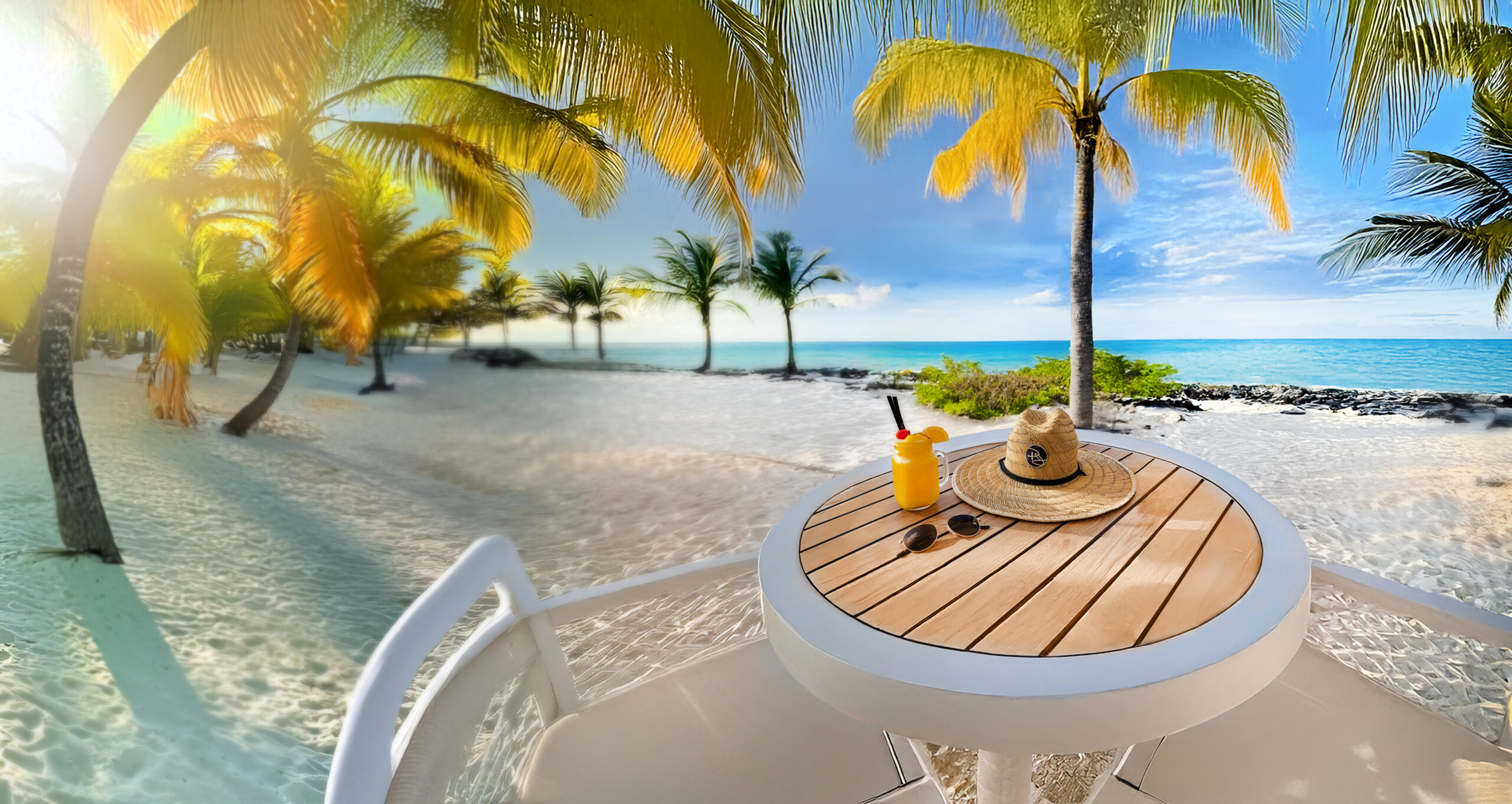
Panama Jack — the brand that's been part of outdoor culture since 1974. Available on Amazon.
Frequently Asked Questions
What was the most important beach product of the 1970s?
Coconut tanning oil was the era's defining product — its scent is the most persistent sensory memory of the decade for beach-goers. Wide-brim natural straw hats (Panama Jack being the premier brand) were the essential outdoor gear.
How did 70s beach culture differ from today?
Primary differences: sun engagement vs sun avoidance as the default; natural materials vs synthetic; beach as a primary social venue vs one of many entertainment options; longer, less fragmented outdoor time.
- Remember Summer? The Iconic Beach Products of the 70s and 80s
- Why Coconut Tanning Oil Was the Definitive Scent of Summer
- The Story of Panama Jack: An American Beach Icon Since 1974