
Baby Boomer Summer Memories: The Products That Made the Season
The Baby Boom generation — those born between 1946 and 1964 — is the generation that built American beach culture as we know it. The postwar prosperity, the expansion of the middle class, the demographic explosion that brought enormous numbers of people to American beaches simultaneously — all of these produced a generation with beach memories that are unusually rich, communal, and lasting.
The Postwar Beach Context | The Products That Defined Boomer Summers | The Panama Jack Era | The Sensory Catalogue | What Boomers Passed On | The Return | FAQ
The Postwar Beach Context
Baby Boomers grew up in a specific postwar context: unprecedented economic growth, expanding middle-class prosperity, the growth of automobile culture that made beaches accessible, and a cultural optimism about outdoor leisure that produced the greatest expansion of American beach culture in history. The beach of the Boomer childhood operated before the mainstream UV protection conversation that arrived in the 1980s — the beach was a place of pure outdoor pleasure, and the products that served it were built for that pleasure.
The Products That Defined Boomer Summers
| Era | Products | UV Relationship |
|---|---|---|
| 1950s–60s | Baby oil; early suntan lotions | Pure tan pursuit; no SPF awareness |
| 1970s | Panama Jack tanning oil; SPF 2–4 lotions | Tan culture at peak; Panama Jack launches |
| 1980s | Panama Jack full range; SPF expanding | Tan culture beginning to meet sun science |
The Panama Jack Era
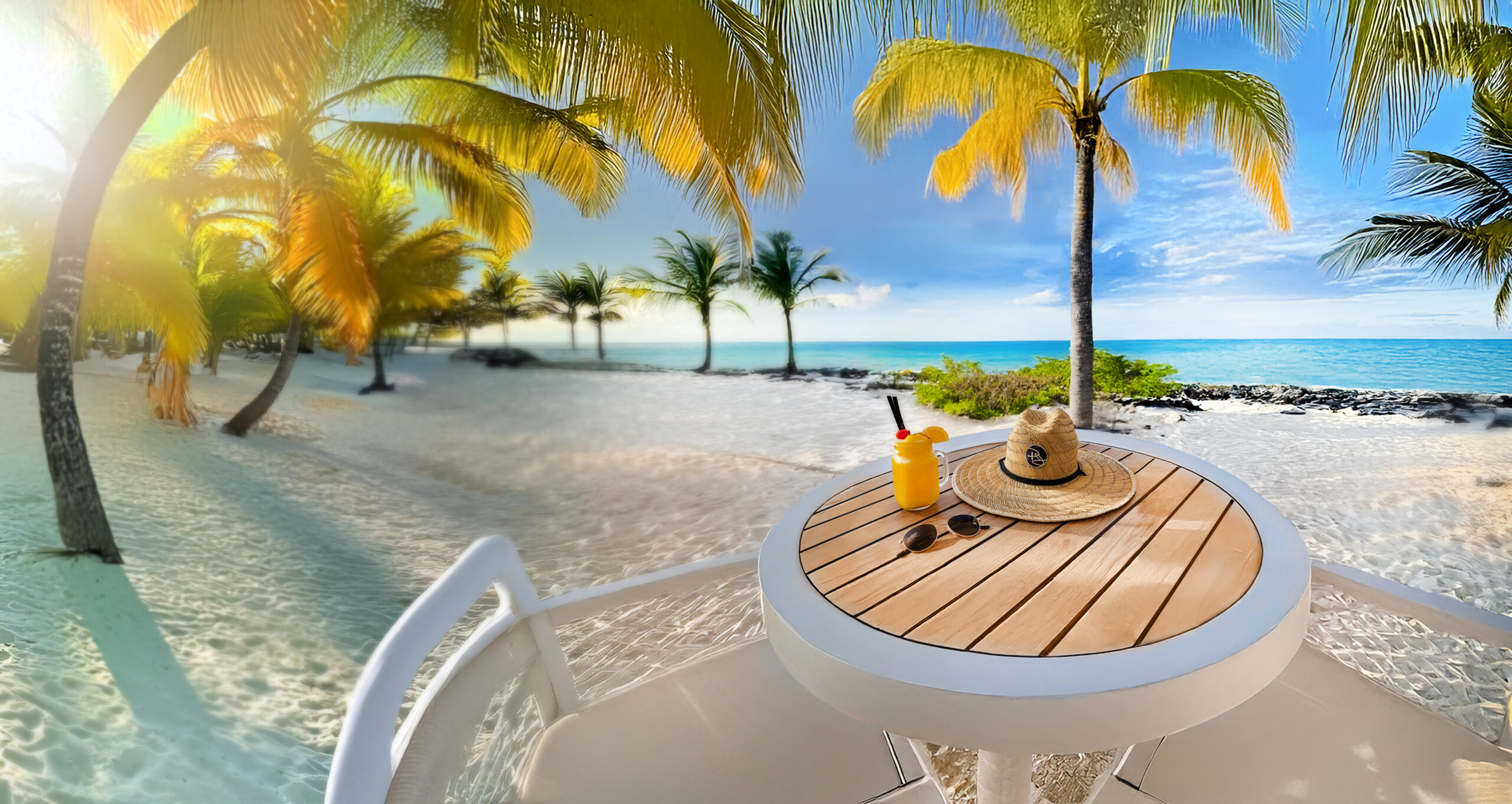
Panama Jack's 1974 launch came at the perfect moment for the Boomer consumer: the generation that had grown up with baby oil and primitive suntan lotions in the 1950s and 60s was in its prime beach-going years and ready for a premium outdoor brand. The wide-brim natural straw hat, the coconut tanning oil, the SPF lip balm — these were products for the serious beach-goer that the Boomer generation had become. For many Boomers, the Panama Jack brand was not just a product choice but a marker of the kind of beach person they were: serious about the outdoor life, choosing quality over novelty.
Panama Jack — the brand the Boomer beach chose. Available on Amazon.
The Sensory Catalogue
Baby Boomer summer beach memories are organized around a rich sensory catalogue: the smell of coconut tanning oil (Panama Jack's formula encoding as the definitive version for many Boomers); the feel of warm sand and the transition to cool water; the sound of AM radio transitioning to FM; the specific quality of postwar-era beach light; and the social experience of the communal beach, where neighboring blankets and shared music made the beach a genuinely social outdoor space.
What Boomers Passed On
The Baby Boom generation passed its beach culture to its children — primarily Gen X — in specific ways. The annual beach vacation. The beach bag stocked with quality products. The wide-brim hat as standard outdoor gear. The coconut tanning oil as the scent of summer. Panama Jack was part of this cultural transmission: the Boomer who chose Panama Jack for its quality passed that brand preference — and the specific sensory experience it represented — to the next generation.
The Return
Boomers returning to Panama Jack products decades later are experiencing a specific kind of memory retrieval: a return to a product that was chosen deliberately in the prime of their beach-going years. The product is the same. The beach is the same. The quality is the same. The summer is available.
Panama Jack — the Boomer beach brand, still at the beach. Available on Amazon.
Frequently Asked Questions
When did Baby Boomers first encounter Panama Jack?
Panama Jack launched in 1974, when the oldest Boomers were in their late 20s and the youngest were in their early teens — prime beach-going years for the full generational range.
How does the Boomer beach experience differ from later generations?
The Boomer beach was pre-UV awareness (no SPF 30+ mainstream recommendations), pre-digital (genuinely communal and screen-free), and part of an era of postwar prosperity that made the beach vacation a central American middle-class experience.
- The Brands Gen X Grew Up With — And Still Can't Let Go
- The Story of Panama Jack: An American Beach Icon Since 1974
- Why Coconut Tanning Oil Was the Definitive Scent of Summer