
Antioxidant-Enriched Sunscreen: Why Vitamin C + SPF Is a Power Combo
Sunscreen's job is to filter UV radiation. It does this well. But here's the part of sun protection that most sunscreens don't address: the UV that gets through anyway.
Even SPF 50 allows approximately 2% of UVB to reach your skin — and all sunscreens have limited UVA filtering compared to their UVB performance. That UV generates reactive oxygen species — free radicals — in skin cells that cause DNA damage, collagen degradation, and the oxidative stress that drives photoaging. Antioxidants added to sunscreen formulas address exactly this gap.
How UV Radiation Generates Free Radicals in Skin
When UV photons penetrate the skin, they destabilize molecules in skin cells — stripping electrons and creating unstable molecular fragments called reactive oxygen species (ROS). These free radicals immediately attack nearby structures: DNA strands, cell membranes, collagen and elastin fibers, and the enzymatic systems that manage skin repair.
SPF prevents UV from creating new free radicals by filtering radiation. But the UV that gets through generates free radicals that SPF cannot touch. Antioxidants are the intervention that neutralizes these radicals after they're formed.
What Topical Antioxidants Do in a Sunscreen Formula
Antioxidants work by donating electrons to free radicals — stabilizing them and preventing them from attacking skin cell structures. When antioxidants are included in a sunscreen formula, they work in the same skin layer where UV-induced free radicals are being generated, meaning the neutralization happens at the site of formation, before the radicals can migrate to vulnerable structures like collagen or nuclear DNA.
Why Vitamin C Is the Ideal SPF Partner
Mechanism Synergy
Vitamin C and UV filters address the sun protection problem from two completely different directions. UV filters (SPF) block the incoming radiation. Vitamin C neutralizes the reactive oxygen species generated by the radiation that gets through. They don't overlap — they cover different parts of the same problem.
Scientifically Documented Effect
Multiple peer-reviewed studies have demonstrated that topical vitamin C enhances the protective effect of sunscreen against UV-induced damage. A landmark 2001 study found that the combination of vitamin C and vitamin E was four times more protective against UV-induced skin damage than either antioxidant used alone — a synergistic effect that has been replicated in subsequent research.
Additional Skin Benefits
Vitamin C in a sunscreen formula provides benefits beyond the UV-protective mechanism: it inhibits tyrosinase, reducing post-sun hyperpigmentation development; it stimulates collagen synthesis, directly countering one of UV's most damaging effects; and it brightens overall skin tone through melanin-regulation properties.
Other Antioxidants Worth Looking For in Sunscreen
- Vitamin E (Tocopherol): The fat-soluble complement to vitamin C's water-soluble activity. The combination of vitamins C and E is more effective than either alone, as they work synergistically and can regenerate each other after electron donation.
- Niacinamide (Vitamin B3): Anti-inflammatory and tyrosinase-inhibiting antioxidant that also strengthens the skin barrier. Particularly valuable in daily-use sunscreens for UV-sensitive facial skin.
- Green Tea Extract (EGCG): Epigallocatechin gallate has demonstrated anti-inflammatory and antioxidant effects that complement UV filters in high-end daily sunscreen formulas.
- Centella Asiatica: Increasingly common in dermatology-oriented sunscreens — provides antioxidant protection alongside well-documented anti-inflammatory and wound-healing properties.
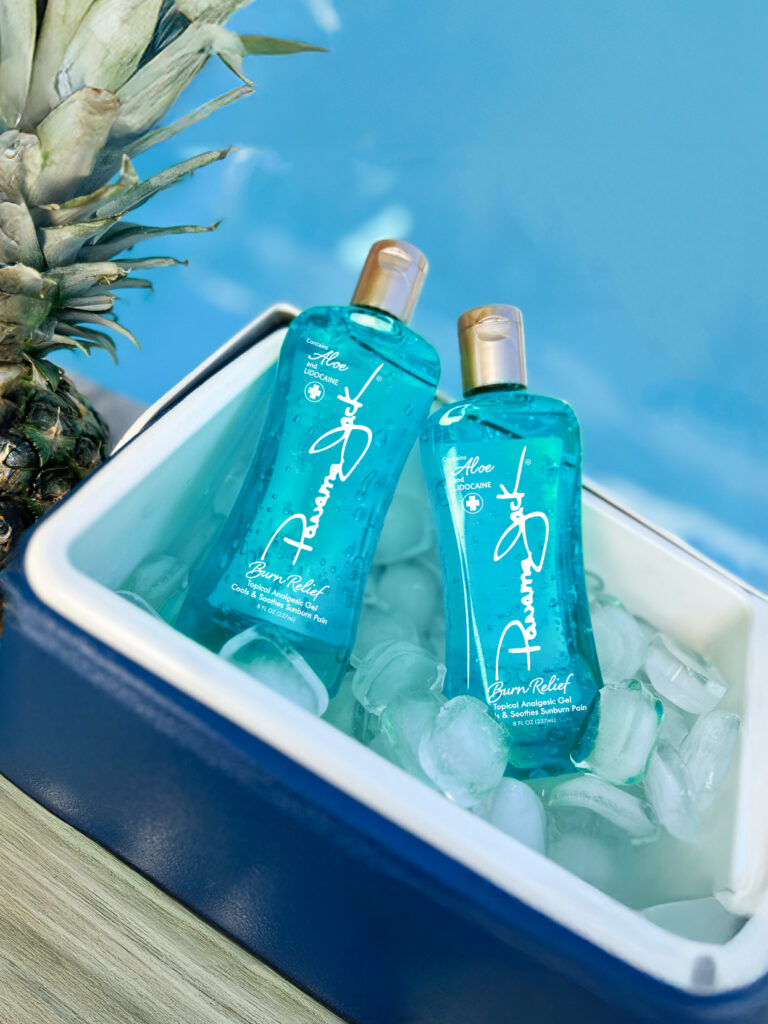
Panama Jack's sunscreen range is formulated with the beach environment in mind — check specific product listings on Amazon for full ingredient details, including antioxidant compounds in each formula.
How to Layer Antioxidants for Maximum Effect
The Ideal Morning Routine
- Cleanser — start with clean skin for maximum active ingredient absorption
- Vitamin C serum (L-ascorbic acid, 10–20%) — apply to bare skin before SPF. Allow 1–2 minutes to absorb.
- SPF 30 or 50 sunscreen — apply over absorbed vitamin C serum. The combination creates dual-mechanism protection.
- SPF lip balm — applied separately as the final step
The vitamin C works from inside the skin (where it was applied first and absorbed); the SPF works on the surface. Each operates in its optimal location.
Frequently Asked Questions
Can I just use vitamin C serum without sunscreen for UV protection?
No. Vitamin C alone does not provide the UV-filtering protection of sunscreen. It neutralizes reactive oxygen species generated after UV exposure but does not block UV radiation itself. Vitamin C without SPF is like having a fire extinguisher without a sprinkler system — useful when things go wrong, not a substitute for prevention.
Does vitamin C in sunscreen cause photosensitivity?
Topical vitamin C does not cause photosensitivity. The concern about vitamin C causing UV reactivity is a misconception — it applies to some forms of internal vitamin A (retinoids), not to topical vitamin C. Vitamin C specifically enhances UV protection rather than creating any UV risk.
Is antioxidant sunscreen worth the higher price?
For daily facial sunscreens in particular, an antioxidant-enriched formula is worth the price premium for people with photoaging concerns. For full-body beach coverage where you're applying large volumes, a standard SPF 50 with a separate vitamin C serum underneath is a more economical approach to the same dual-mechanism protection.