
Aloe Vera for Face Sunburn: Soothing Techniques for Sensitive Skin
A sunburned face is a specific kind of uncomfortable. The skin around your nose is the first thing you touch when you wake up and the first thing the world sees. When it's red, warm, and tight, you're aware of it constantly — and the temptation to treat it with whatever is available can lead to choices that extend the recovery rather than shorten it.
Facial skin requires a more thoughtful approach to sunburn care than body skin. It's thinner, more reactive, and more sensitive to both the products you apply and the techniques you use to apply them.
Why Facial Skin Burns and Recovers Differently
- Facial skin is 30–50% thinner than body skin, making it more vulnerable to UV penetration and more reactive to topical applications
- Higher density of sebaceous glands means heavier, occlusive products can trigger breakouts on UV-compromised skin
- Facial nerve endings are more densely distributed — which is why a face burn feels disproportionately intense relative to its visible severity
- The face has more pronounced micro-expression movement — smiling, squinting — that means any tightness or peeling is constantly being mechanically stretched
Choosing the Right Aloe Vera Formula for the Face
The ideal aloe vera product for face sunburn is: gel-format (not lotion), fragrance-free or very lightly fragranced, without alcohol in the first several ingredients, and with aloe vera as the primary ingredient by weight.
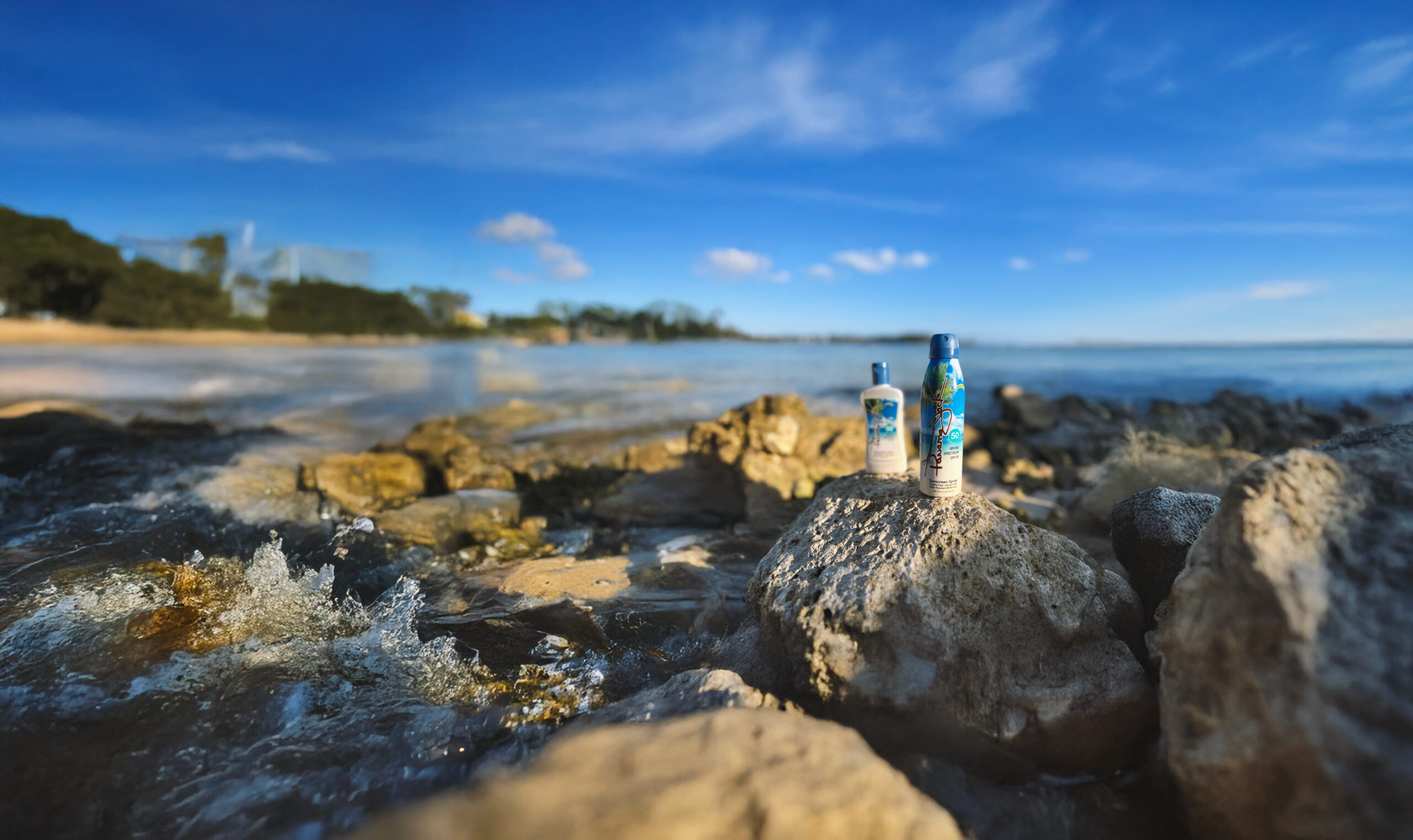
Panama Jack's aloe vera gel — with aloe vera as the primary ingredient and a light tropical fragrance — works well for the face for most skin types. For fragrance sensitivity or particularly reactive facial skin, a fragrance-free gel is preferable.
Panama Jack's Aloe With Lidocaine adds topical anesthesia to the aloe base. It is appropriate for facial use when there is genuine pain from a burn — apply a thin layer to the affected area, avoiding the eye area entirely.

Panama Jack Aloe Vera Gel and Aloe With Lidocaine — plain aloe for most facial use; the lidocaine formula when actual burn pain needs addressing. Both on Amazon.
Shop Panama Jack Aloe Vera Gel on Amazon →
The Correct Application Technique for Facial Aloe
Step 1: Cool the Skin First
Before applying aloe, reduce the skin temperature with a cool (not cold) compress — a clean cloth dampened with cool water pressed gently against the face for 2–3 minutes. Cold water causes vasoconstriction that can feel shocking on sensitive skin; cool water achieves the temperature reduction without the shock. Do not use ice directly on burned facial skin.
Step 2: Apply With the Fingertips, Not the Palm
The palmar application technique most people use for body moisturizer — pressing and spreading — applies too much friction and pressure to inflamed facial skin. Instead, dispense a small amount of aloe gel onto your fingertip pads and press it gently into the affected areas with a light tapping motion rather than a rubbing motion. Use significantly less product than you think you need.
Step 3: Let It Absorb Completely
Allow the aloe gel to absorb fully before applying anything else — 3–5 minutes minimum. Applying a moisturizer or SPF over incompletely absorbed aloe dilutes both products. A fully absorbed aloe layer creates a stable base for the next product in your routine.
Step 4: Apply a Minimal, Gentle Follow-Up
Once the aloe has absorbed, a lightweight, fragrance-free facial moisturizer — nothing with retinol, AHAs, or BHAs (avoid for 48–72 hours post-burn) — can be applied in the same tapping motion. This seals in the hydration delivered by the aloe.
What NOT to Do With a Facial Sunburn
- Don't apply hot water — washing with hot water after a burn increases inflammation. Cool or lukewarm only.
- Don't exfoliate — not physically or chemically. A burned face is already shedding damaged cells; adding exfoliation causes additional irritation without benefit.
- Don't pick at peeling skin — pulling away dead skin creates open micro-wounds that can scar or hyperpigment. Apply more aloe gel and let shedding complete on its own.
- Don't apply home remedies — toothpaste, milk, and similar remedies have no anti-inflammatory evidence base and some can cause contact dermatitis on compromised skin.
The 3-Day Facial Post-Burn Routine
Day 1 (Immediate): Cool compress → aloe vera gel → lightweight fragrance-free moisturizer → no other actives. Repeat morning and evening.
Day 2 (Acute Recovery): Continue aloe gel morning application. Add after-sun lotion at night over the aloe. Avoid prolonged sun exposure; if outdoors, wear a wide-brim hat and SPF 50 mineral formula.
Day 3 (Repair Phase): Resume gentle cleanser if skin is no longer painful. Continue moisturizing generously. Introduce SPF as the face begins to tolerate it. Avoid retinol or AHAs for a further 2–3 days.
Frequently Asked Questions
How long does a facial sunburn typically last?
A mild facial sunburn (pink, warm, slightly tight) typically peaks within 12–24 hours and resolves within 3–5 days. Moderate burns (bright red, significant pain) can take 7–10 days to resolve. Proper aloe vera and after-sun care from the start shortens these timelines.
Can I use Panama Jack’s aloe gel on my face?
Panama Jack's aloe vera gel is suitable for facial use for most skin types — aloe vera as the primary ingredient is well-tolerated and genuinely therapeutic for sunburned skin. Apply a thin layer with fingertips in a tapping motion. For fragrance-sensitive skin, test on a small area first.
How soon after a facial sunburn can I wear SPF again?
For outdoor sun exposure, you should wear SPF even on burned skin — a mineral sunscreen (zinc oxide or titanium dioxide) is the gentlest option on compromised facial skin. A matte, non-comedogenic mineral formula applied gently over moisturized skin is the right choice.