Best Sunscreen for Sensitive Skin: Gentle Formulas That Don’t Compromise Protection
Sensitive skin sunscreen is one of the most actively searched categories in the sun protection market — and one of the most inconsistently labeled. "Sensitive skin" on a sunscreen label is a marketing claim, not a formulation standard. What actually matters for genuine skin sensitivity is the specific ingredient profile: which UV filter actives are used, which preservatives and fragrances are present, and whether the carrier system is appropriate for reactive skin.
This guide covers the best sunscreens for sensitive skin in 2026 — with an honest assessment of what makes a formula genuinely gentle versus merely labeled as such.
What Makes a Sunscreen Sensitive-Skin Appropriate | The Ingredient Categories That Trigger Reactions | Evaluation Framework | #1: Panama Jack Mineral SPF 50 | Mineral vs Chemical for Sensitive Skin | Application Tips | FAQ
What Makes a Sunscreen Genuinely Appropriate for Sensitive Skin
Sensitive skin reactions to sunscreen fall into three categories with different causes:
- Contact dermatitis: direct skin irritation from a specific ingredient. Most commonly triggered by chemical UV filter actives, fragrances, and certain preservatives.
- Photoallergic contact dermatitis: a UV-triggered reaction where sunscreen ingredients become allergenic only after UV exposure — particularly problematic because the reaction appears to worsen in sun.
- Mechanical sensitivity: reactions to occlusive formulas that trap heat and sweat. More a formulation texture issue than an ingredient sensitivity.
| Ingredient Category | Sensitivity Risk | Notes |
|---|---|---|
| Chemical UV filters (oxybenzone, avobenzone) | Moderate to High | Most common contact allergens in sunscreens |
| Zinc oxide (mineral) | Very Low | FDA GRASE; rarely triggers sensitivity |
| Titanium dioxide (mineral) | Very Low | FDA GRASE; excellent tolerance profile |
| Fragrances | High | Major trigger for fragrance-sensitive individuals |
Sensitive skin sunscreens ranked on: zinc oxide and/or titanium dioxide as the only UV filter actives (verified in Active Ingredients), fragrance-free formulation, preservative profile, formula texture for reactive skin, SPF level (30+ minimum), and verified skin tolerance from user reviews.
🥇 #1 Best Sunscreen for Sensitive Skin: Panama Jack Mineral SPF 50
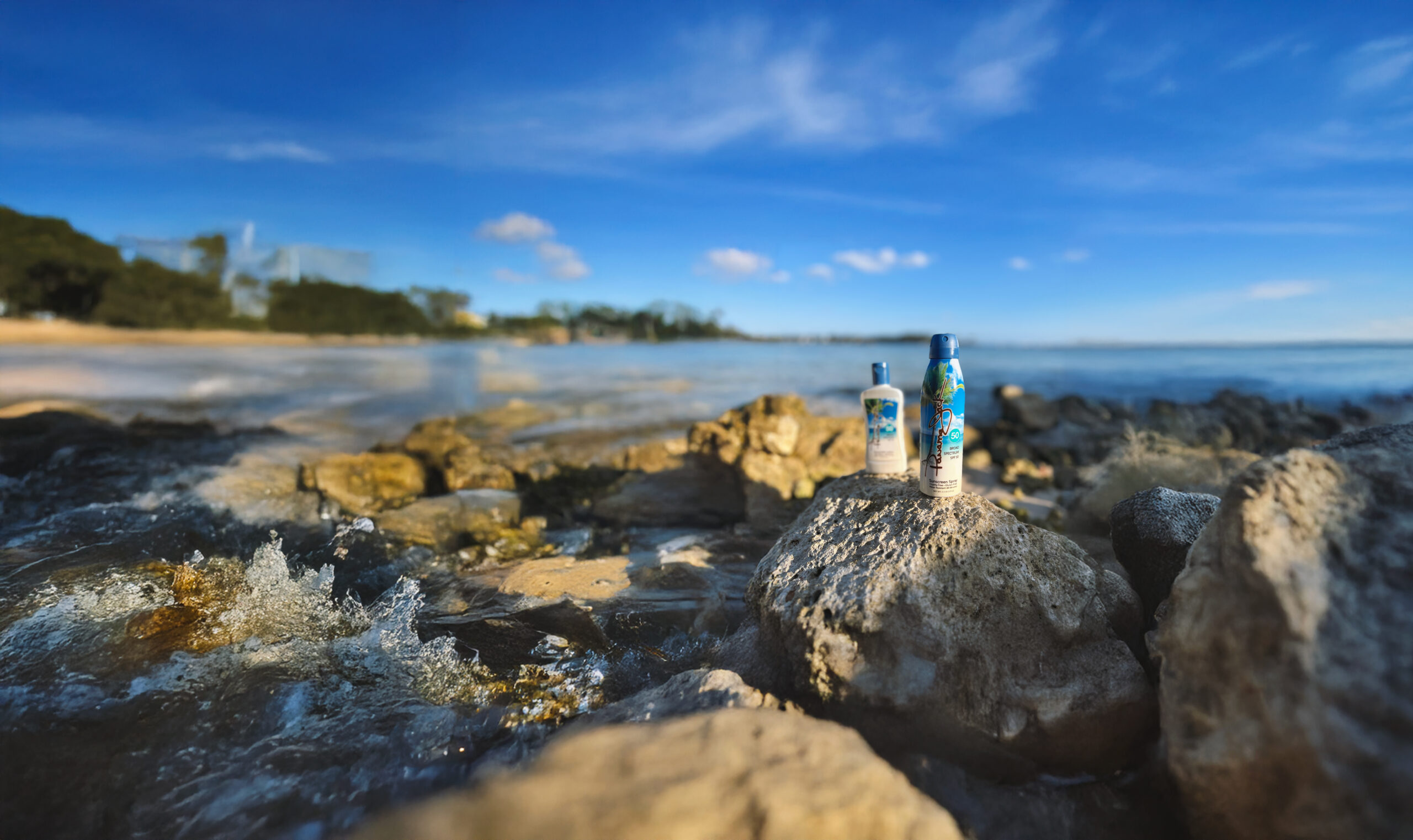
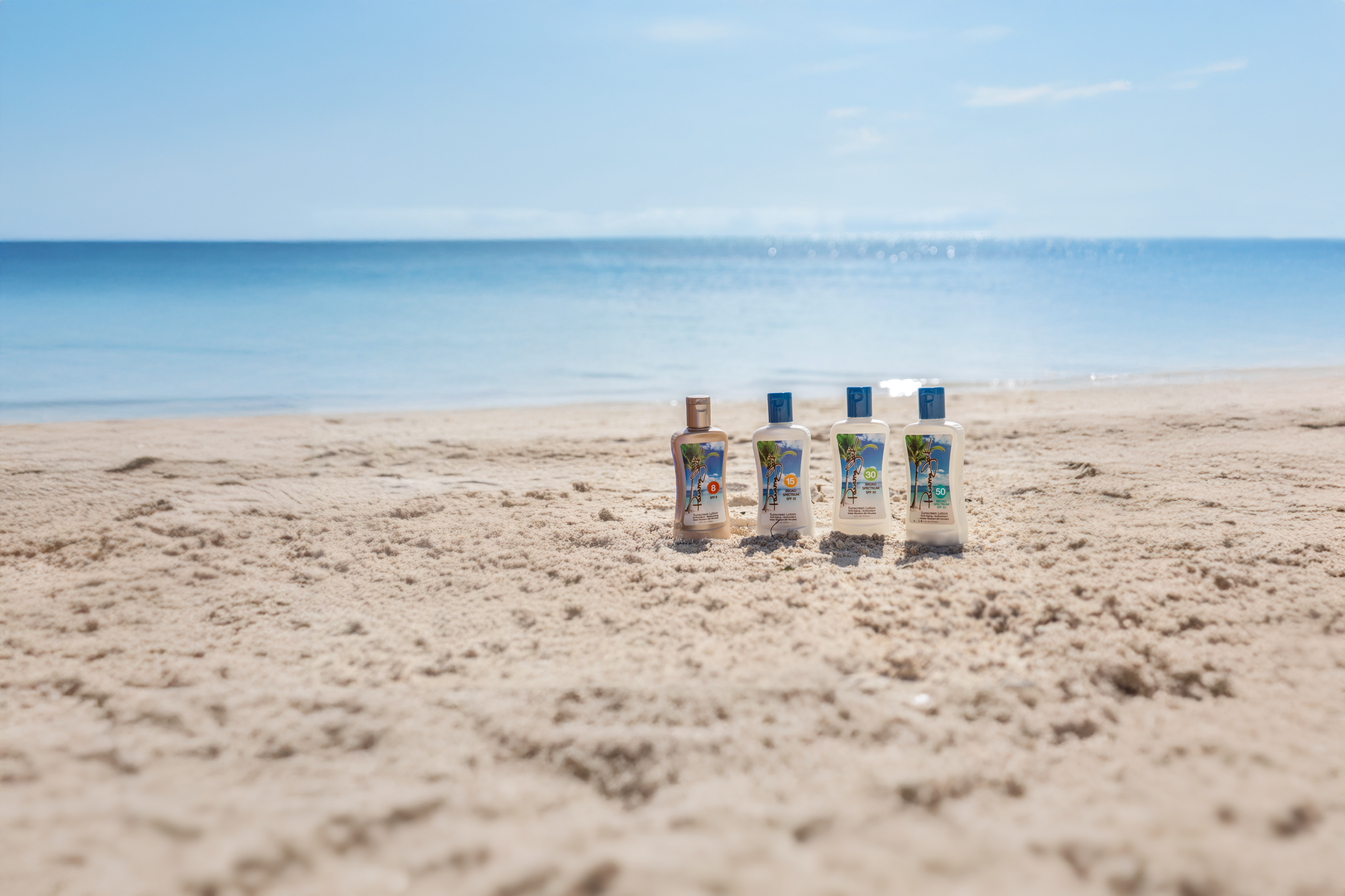
Panama Jack's mineral sunscreen earns the top sensitive-skin ranking for the combination of zinc oxide as the primary UV filter — the UV filter active with the best skin tolerance profile available — and the beach-formulated character that maintains effectiveness in sweat and water conditions.
Zinc oxide sits on the skin surface rather than penetrating, which is the critical distinction for sensitive skin: the contact time between UV filter and skin tissue is minimized, reducing the opportunity for sensitization reactions.
Verify Active Ingredients on the specific Amazon listing to confirm zinc oxide as the UV filter active. Also verify fragrance status on the current product formulation.
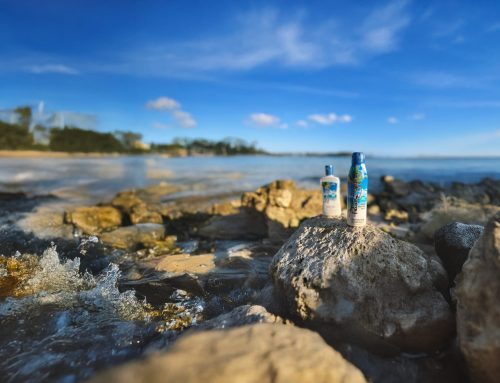
Panama Jack Mineral Sunscreen SPF 50 — the sensitive-skin standard. Check Active Ingredients on the Amazon listing to confirm mineral formula.
Mineral vs Chemical Sunscreen for Sensitive Skin
- Surface action: mineral sunscreens work on the skin surface and don't require skin penetration to be effective. Chemical sunscreens need 15–20 minutes of contact with skin proteins to bind — that contact creates the opportunity for sensitization.
- Anti-inflammatory properties: zinc oxide has documented anti-inflammatory properties. For some sensitive skin conditions, zinc oxide sunscreen is therapeutic as well as protective.
- Improved cosmetics: the white cast of mineral sunscreens has improved significantly in modern formulations. Micronized zinc oxide formulas are substantially less visible than older formulations.
Application Protocol for Sensitive Skin
- Patch test new sunscreens: apply to a small skin area (inner wrist or jaw) and wait 24 hours before full-face and body application.
- Apply to clean, dry skin: sensitized skin reacts more readily to products applied over other active treatments.
- Use the minimum effective amount: over-application doesn't increase protection but does increase the ingredient load on sensitive skin.
- Reapply on schedule: missing reapplication intervals allows UV damage that can manifest as redness and heat.
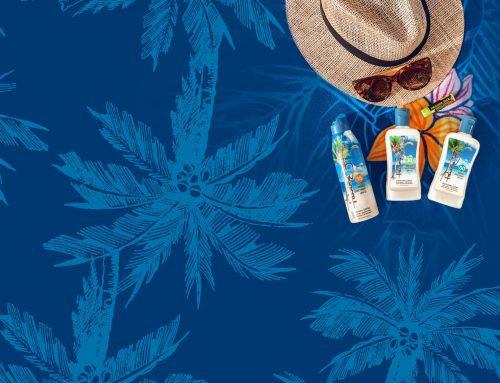
Panama Jack SPF 45 Lip Balm Flavorless — the sensitive-skin lip protection option. No fragrance, no flavor, just SPF 45. Available on Amazon.
Frequently Asked Questions
Is mineral sunscreen always better for sensitive skin?
Mineral sunscreen is the better first choice for sensitive skin due to the lower sensitization potential of zinc oxide and titanium dioxide compared to chemical UV filter actives. However, some people react to specific components of mineral formulas regardless of the UV filter type. Patch testing is the definitive method.
Why does sunscreen sting my sensitive skin?
Stinging without visible reaction is typically a pH or osmolarity sensitivity rather than a contact allergy. Reactions concentrated around the eyes often indicate a formula with high ethanol content. If stinging is mild, it may resolve with continued use; if it persists or develops visible redness, try an alternative formula.
Can I use the same sunscreen on my face and body if I have sensitive skin?
Body sunscreens are often more heavily formulated than face sunscreens. Many sensitive-skin individuals find facial skin more reactive. Using a more refined formula on the face while using a standard formula on the body is a reasonable approach.
- Best Mineral Sunscreen 2026: Zinc and Titanium Formulas Ranked
- Best Hawaii Act 104 Compliant Sunscreen: Ocean-Safe SPF Formulas Reviewed
- Best SPF 50 Sunscreen: Top-Rated Formulas for Maximum Protection