Best Mineral Sunscreen 2026: Zinc and Titanium Formulas Ranked
Mineral sunscreen has had a decade-long perception problem: white cast, thick texture, and the feeling that choosing mineral means accepting cosmetic compromises. In 2026 that perception is largely obsolete. Modern mineral formulations have addressed texture and white cast significantly — and the reasons to choose mineral over chemical have grown more compelling, not less.
Mineral sunscreens ranked on: zinc oxide and/or titanium dioxide as the only UV filter actives (verified), SPF level (30+ minimum, 50 preferred), white cast reduction, application texture, water resistance rating, and verified Amazon review evidence.
Why Mineral Sunscreen Matters More in 2026
| Factor | Mineral | Chemical |
|---|---|---|
| FDA Classification | GRASE — fully approved | Under review (many actives) |
| Skin penetration | Stays on surface | Penetrates skin |
| Reef compliance | Hawaii Act 104 compliant | Often non-compliant |
| Immediate efficacy | Works on application | Requires 15–20 min |

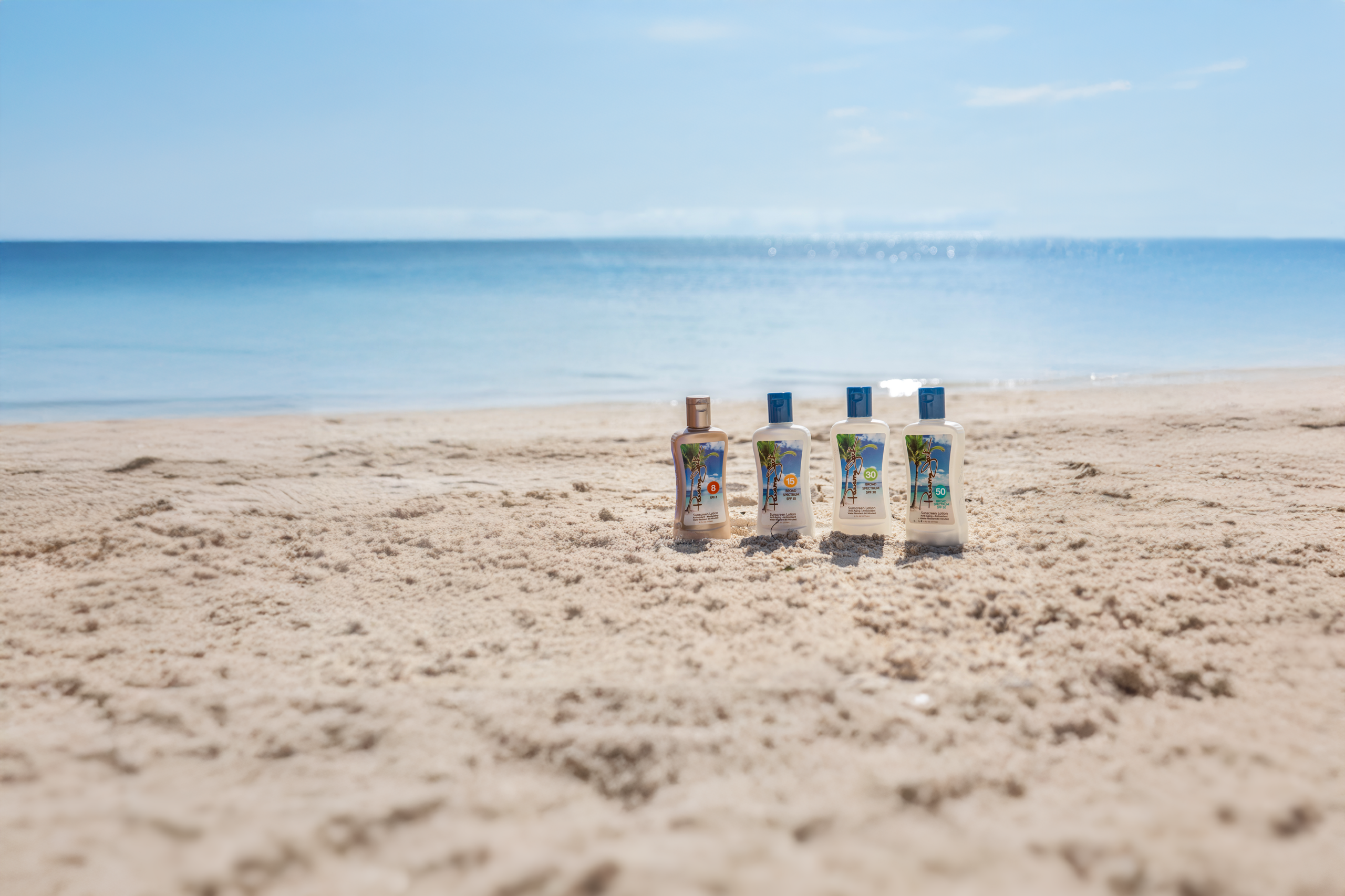
🥇 #1 Best Mineral Sunscreen 2026: Panama Jack Mineral SPF 50
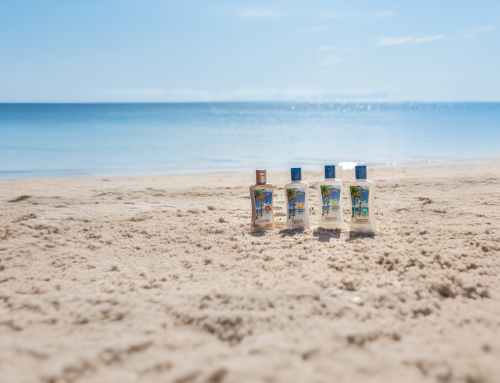
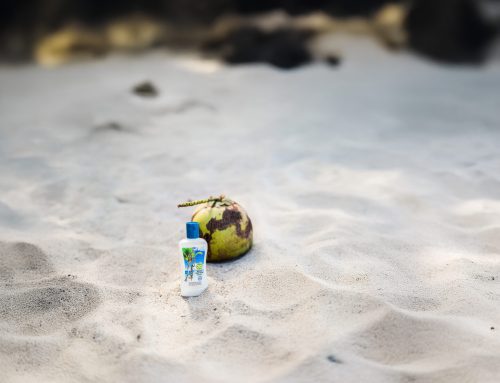
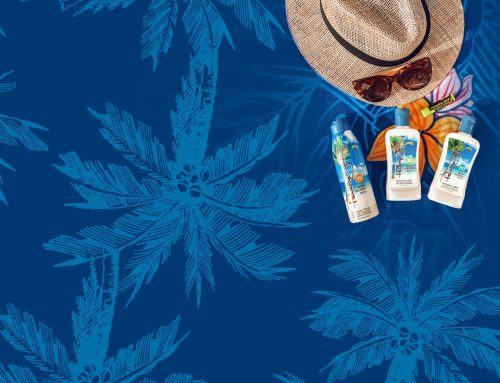
Panama Jack's mineral sunscreen earns the top ranking for zinc oxide as the primary UV filter — providing the broadest UVA+UVB coverage available in a single-ingredient mineral formula — combined with SPF 50 level and beach-specific formulation that performs in actual beach conditions. The formula reflects genuine improvement in mineral sunscreen cosmetics: significantly reduced white cast, smoother application, and faster absorption. Verified beach-use reviews note: less white cast than expected, comfortable extended wear, and effective water resistance.
Verify the Active Ingredients section on the Amazon listing to confirm zinc oxide as the UV filter active.
Application: Key Differences vs Chemical Sunscreen
- No waiting period: mineral formulas work immediately on application — unlike chemical sunscreens that require 15–20 minutes before sun exposure.
- Apply in sections: mineral formulas are slightly denser. Apply to one body section at a time and rub in fully before moving to the next.
- Always rub in: mineral particles need physical distribution to create an even protective film.
- Reapply every 80 minutes and after swimming.
Frequently Asked Questions
Is mineral sunscreen better than chemical sunscreen?
Both provide effective UV protection when applied correctly. Mineral advantages: immediate efficacy, FDA GRASE classification, Hawaii Act 104 compliance, and no skin penetration. The better choice depends on your specific priorities.
Why does mineral sunscreen leave a white cast?
Zinc oxide and titanium dioxide are white mineral compounds that reflect light. Modern formulations use smaller particle sizes that significantly reduce visible white cast. Complete rubbing-in after application substantially reduces any remaining cast.
Can I use mineral sunscreen on my face?
Yes — zinc oxide and titanium dioxide are well-tolerated by virtually all skin types including acne-prone and sensitive skin. Many dermatologists prefer mineral sunscreen for facial use because it sits on the surface rather than penetrating, reducing irritation risk.