
A Sustainable Beachgoer’s Guide: Products, Habits, and Responsibility
The beach is one of the most widely loved public spaces in the world — and one of the most fragile. The combination of millions of visitors, plastic packaging, chemical runoff, and the simple mechanics of a day spent at the edge of a marine ecosystem creates a cumulative environmental impact that most individual beachgoers never fully account for.
The good news: sustainable beach habits are largely about substitution — swapping one product or habit for a nearly equivalent one that does significantly less damage. Here is the complete guide.
1. Sunscreen and the Ocean: What You Need to Know
The most consequential single product choice a beachgoer can make for ocean health is sunscreen formula selection. Oxybenzone and octinoxate — two widely used chemical UV filters — have been shown in peer-reviewed research to cause coral bleaching, disrupt coral reproduction, and accumulate in marine organisms at harmful concentrations.
What “Hawaii Act 104 Compliant” Means
Hawaii Act 104 requires that sunscreens sold in Hawaii be free from oxybenzone and octinoxate. Products meeting this standard are sometimes informally called "reef-safe" — but that term has no legal definition and no regulated standard. The only legally meaningful claim is "Hawaii Act 104 compliant."
Look at the active ingredients list. If it contains oxybenzone or octinoxate, it is not Hawaii Act 104 compliant. Zinc oxide and titanium dioxide are the ocean-safe mineral alternatives. These protect your skin just as effectively and do not harm coral reef ecosystems.
2. Choosing Hawaii Act 104 Compliant Sun Care
Does switching to mineral sunscreen compromise your sun protection? No. Zinc oxide provides excellent broad-spectrum UVA and UVB protection. Modern mineral formulas have largely resolved the white cast problem that made earlier zinc-only products unpopular.
For SPF lip balm, most formulas use titanium dioxide or mineral-based filters rather than oxybenzone or octinoxate, making them inherently more ocean-compatible than many body sunscreens.
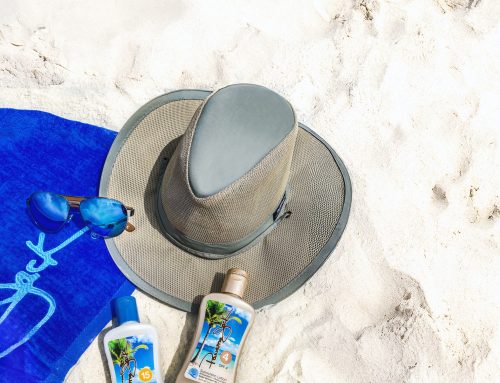
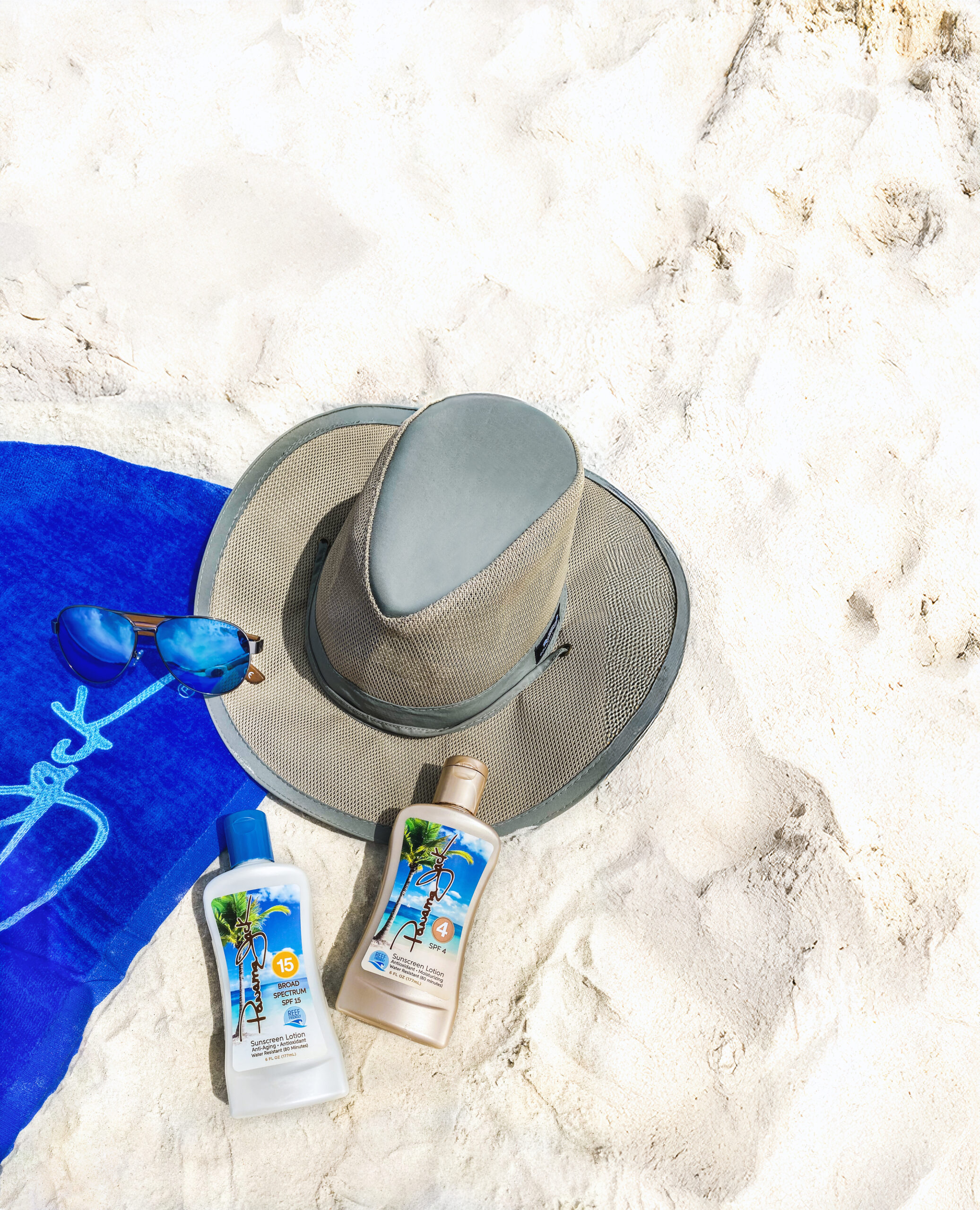
Panama Jack's sunscreen range includes formulas for ocean and beach use. Check the active ingredients on each product listing on Amazon to identify your ideal Hawaii Act 104 compliant option.

3. Packaging and Plastic: The Overlooked Impact
Sunscreen bottles are almost universally single-use plastic. Practical substitutions:
- Buy larger bottles: A 16oz sunscreen bottle uses approximately 60–70% less plastic per ounce than buying four 4oz bottles.
- Recycling: Many brands participate in Terracycle recycling programs that accept empty sunscreen containers.
- Reusable containers: Buy in the largest available size and refill smaller travel containers for beach bags and cars.
4. Waste Management at the Beach
- Pack out everything you pack in — including bottle caps, twist-ties, gum wrappers.
- Bring a dedicated trash bag on every beach visit. Fill it before you leave.
- Pick up what you find, not just what you brought.
- Use reusable food containers and cloth napkins for beach picnics.
- BYOB water — plastic water bottles are the single most common item found during beach cleanups.
5. Wildlife and Coastal Ecosystem Respect
- Respect roped nesting areas for shorebirds such as piping plovers and terns — beach-nesting birds are in genuine population decline.
- Leave sea creatures where they are — hermit crabs, starfish, and horseshoe crabs should be observed, not collected.
- Apply mineral-only sunscreen and wait 20 minutes after application before entering the water near reef ecosystems.
6. The Complete Sustainable Beach Kit
Sun care: Hawaii Act 104 compliant sunscreen (mineral preferred) + SPF lip balm
Containers: Reusable water bottle + food storage containers + cloth napkins
Waste: Dedicated trash bag
Towels: Quick-dry reusable microfiber
Hat: A quality wide-brim hat lasts many years and replaces sun protection that would otherwise require more sunscreen volume
Frequently Asked Questions
What does “reef-safe” mean on a sunscreen label?
"Reef-safe" is an unregulated marketing term with no legal definition or required standard. Any brand can claim it regardless of their formula. The legally meaningful alternative is "Hawaii Act 104 compliant" — which specifies that a product is free from oxybenzone and octinoxate, the two most documented reef-damaging UV filter chemicals.
Do mineral sunscreens protect as well as chemical ones?
Yes — zinc oxide provides excellent broad-spectrum UVA and UVB coverage and is considered by many dermatologists to be the single most effective UV filter available. Modern mineral formulas in SPF 30 and SPF 50 provide equivalent real-world protection to chemical alternatives while being Hawaii Act 104 compliant.
Is it realistic to be a fully sustainable beachgoer?
Full sustainability is a goal rather than an absolute standard — but the most impactful habits are straightforward: use Hawaii Act 104 compliant sunscreen, pack out all your waste, use a reusable water bottle, and buy the largest available packaging size for products you use regularly.
- Hawaii Act 104 Compliant vs Reef-Safe Sunscreen: The Important Difference Explained
- Mineral vs Chemical Sunscreen: Which Is Right for Your Skin?
- Avobenzone in Sunscreen: What It Does and Why It's Controversial