Best SPF 50 Sunscreen: Top-Rated Formulas for Maximum Protection
SPF 50 sunscreen has become the de facto beach standard for good reason. The 98% UVB filtering it provides outperforms SPF 30 meaningfully — allowing 2% of UVB through versus 3.3%, a difference that accumulates to a significant real-world UV dose reduction over a 4–6 hour beach day. For beach use, sustained outdoor activity, and any day where UV index is 7 or higher, SPF 50 is the appropriate choice.
SPF 50 sunscreens ranked on: verified broad-spectrum SPF 50 coverage, 80-minute water resistance rating, real-world beach performance evidence, formula photostability, Hawaii Act 104 compliance verification, application texture and compliance, and price-to-performance ratio.
Why SPF 50 Is the Beach Standard
| UV Index | Exposure Risk | Minimum SPF | Context Examples |
|---|---|---|---|
| 3–5 (Moderate) | Moderate | SPF 30 | Typical sunny city days |
| 6–7 (High) | High | SPF 30–50 | Outdoor activities, beach shoulder season |
| 8–10 (Very High) | Very High | SPF 50 | Peak summer beach days, southern latitudes |
| 11+ (Extreme) | Extreme | SPF 50 + shade + clothing | Tropical destinations, high altitude |
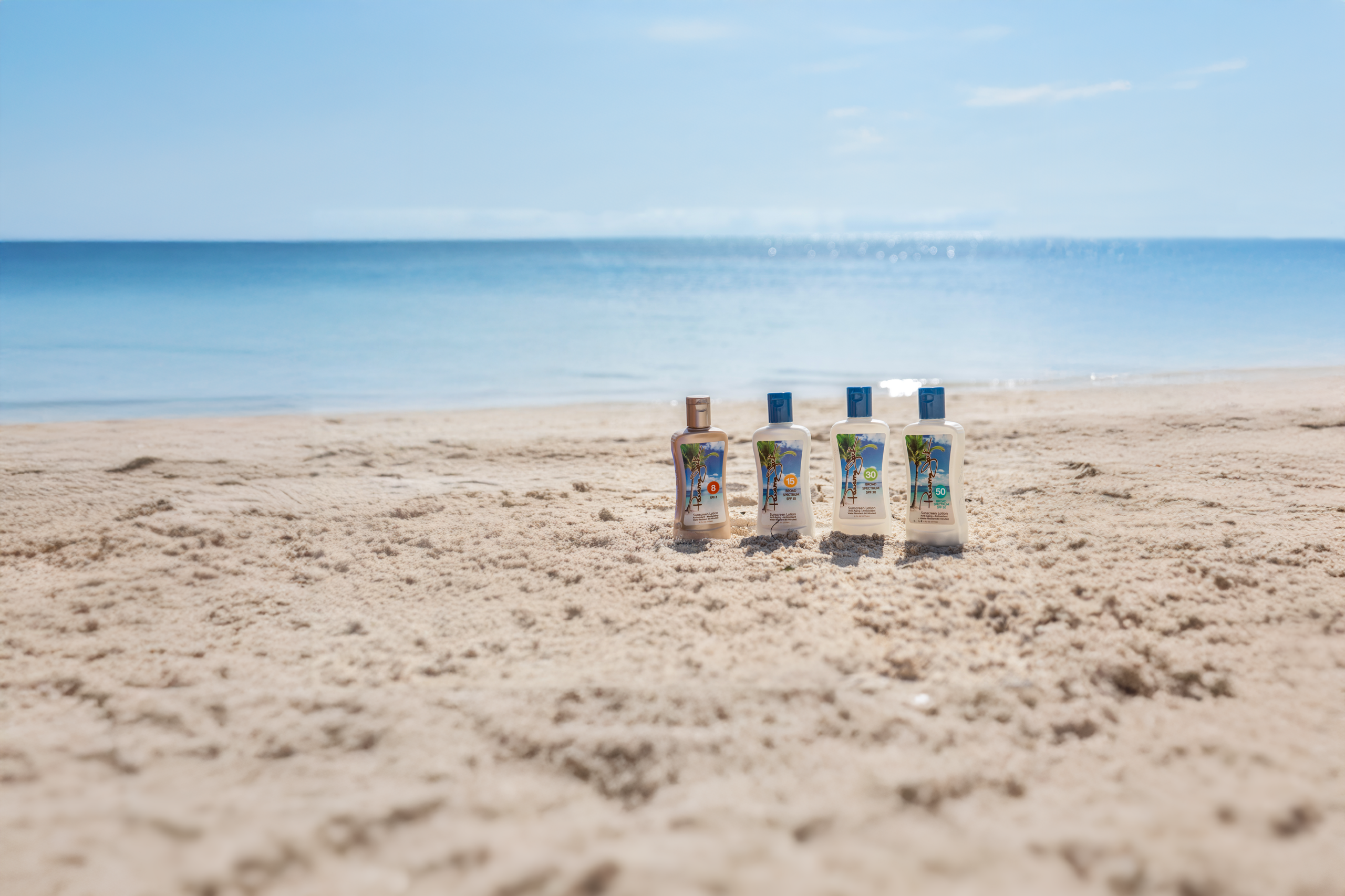
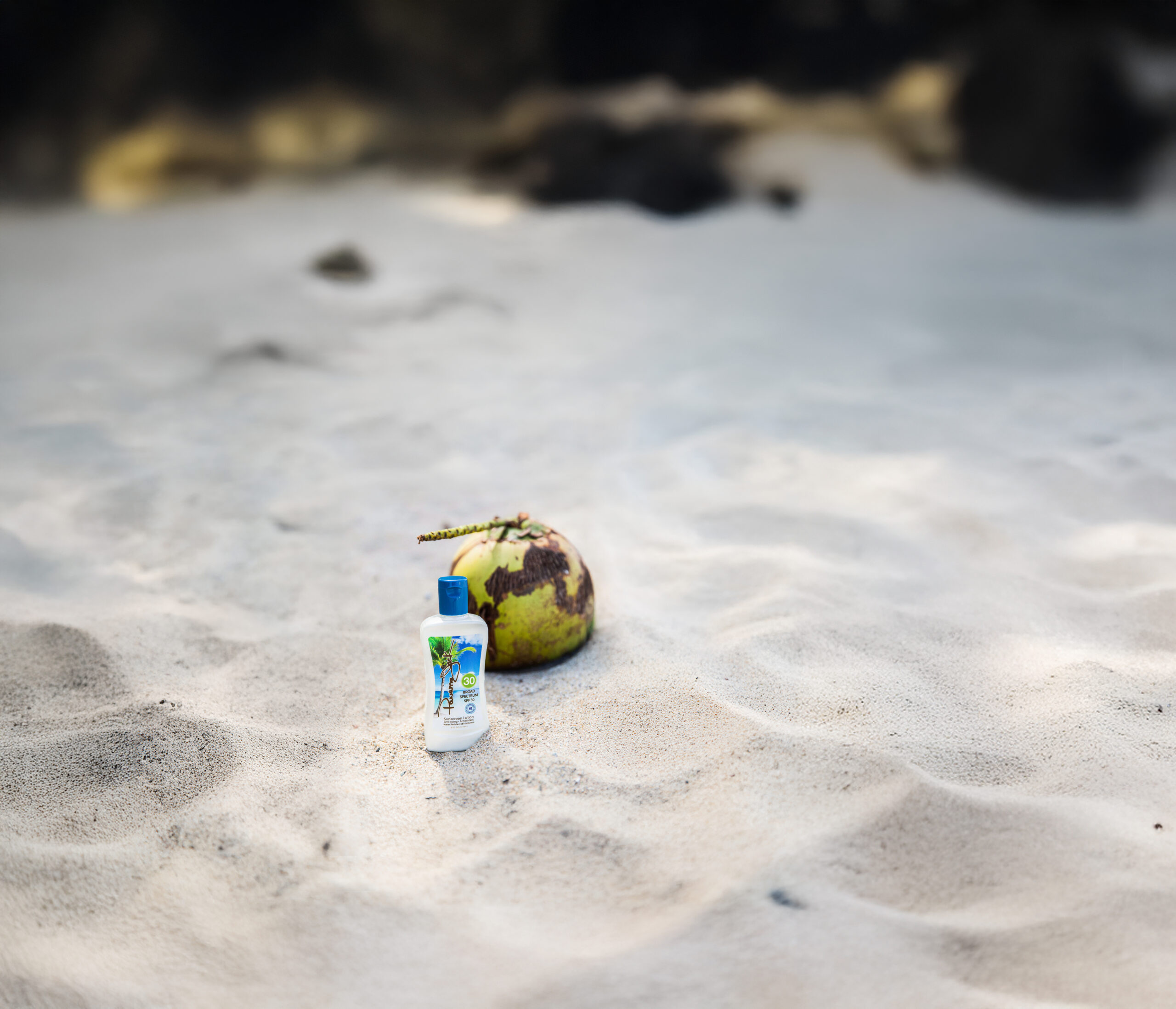
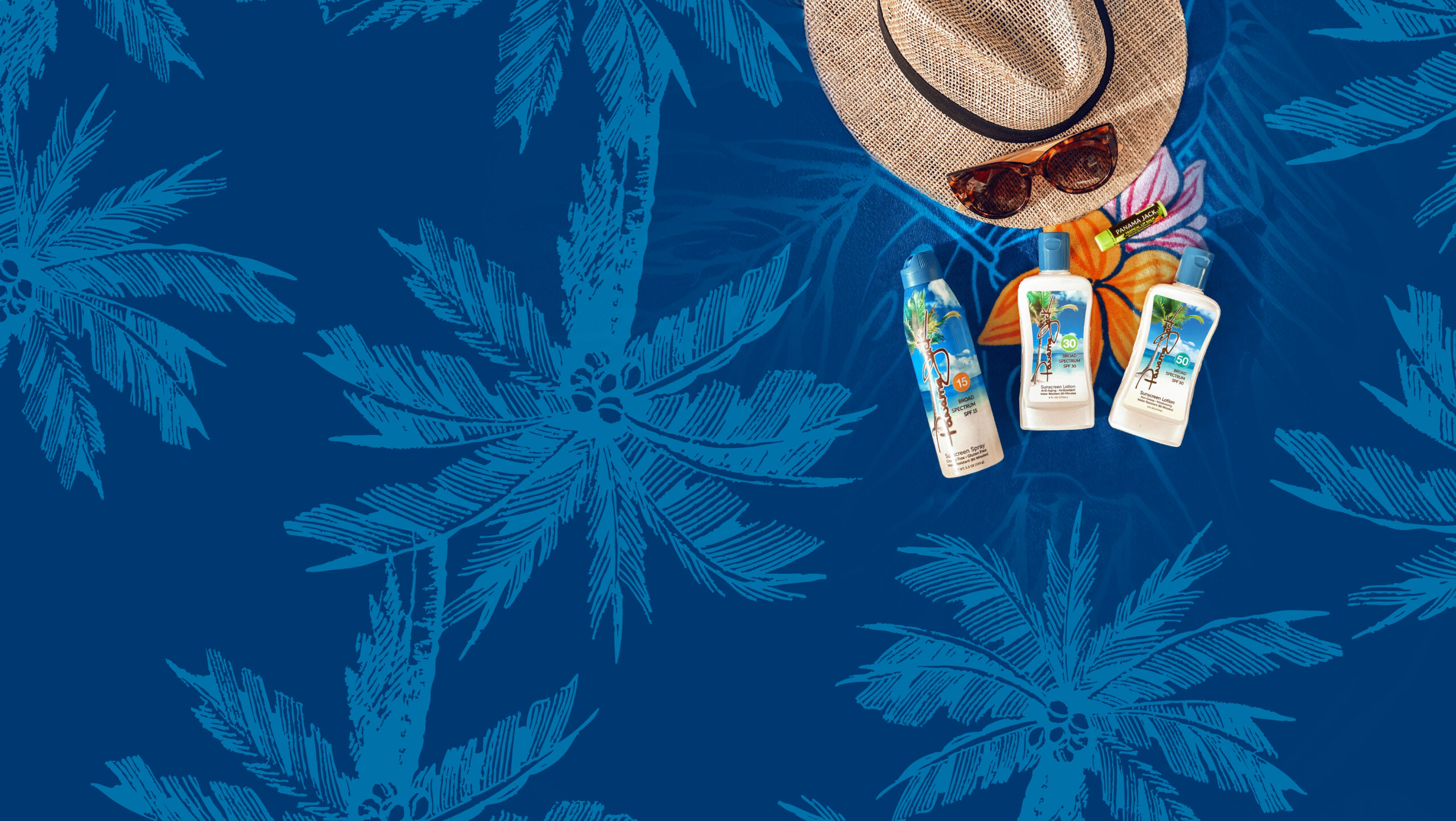
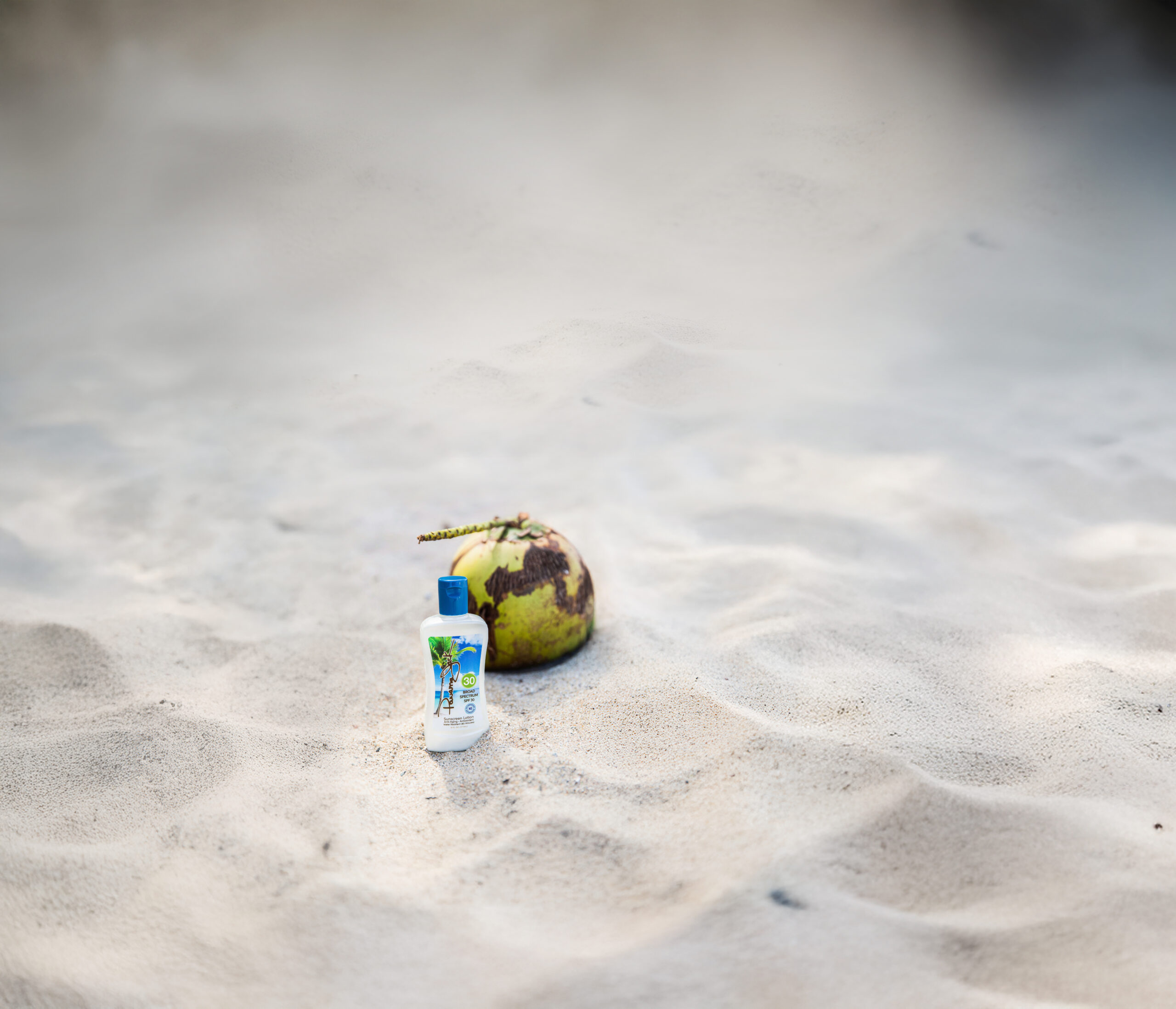
🥇 #1 Best SPF 50 Sunscreen: Panama Jack SPF 50
★★★★★ | SPF 50 | Broad Spectrum | 80-Min Water Resistant | Beach-Formulated | Heritage Since 1974
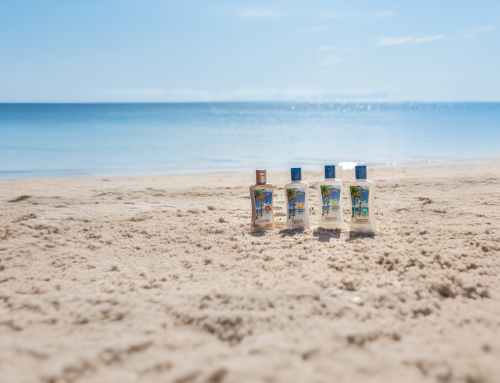
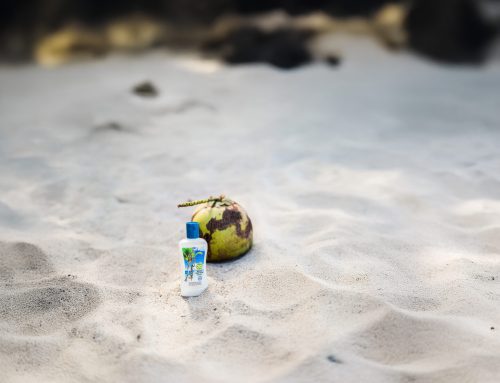
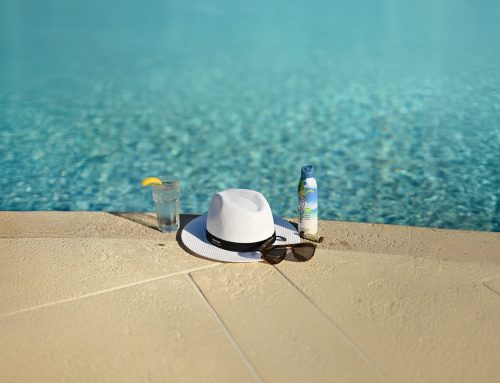
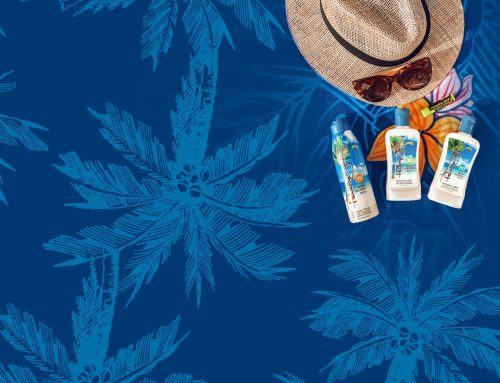
Panama Jack's SPF 50 sunscreen earns the top ranking in the most important test: real-world beach performance. The formula is beach-formulated — developed for ocean swimming, sand abrasion, heat, sweat, and extended duration. Verified Amazon reviews from beach users consistently note: does not leave a noticeable white cast on normal to darker skin tones, holds through swimming and reapplication cycles, and performs across a full 4–6 hour beach day when reapplication is observed at 90-minute intervals. Available in lotion and spray formats.
What Separates Real-World SPF 50 from Lab SPF 50
- Water resistance: 80-minute water resistance means the formula maintains meaningful SPF through 80 minutes of continuous water exposure. Each water entry removes sunscreen and resets the protection clock.
- Application quantity: the FDA test applies 2mg/cm² — approximately 1oz for full-body coverage. Most people apply 25–50% of this quantity, meaningfully reducing real-world SPF. Generous application is the single most impactful variable.
- Photostability: some UV filter actives degrade in UV light during the day even without water or sweat exposure. Look for photostabilized formulas.
SPF 50 vs SPF 30 Side-by-Side on a Beach Day
| Scenario | SPF 30 | SPF 50 |
|---|---|---|
| UVB filtered on application | 96.7% | 98% — 33% less UV reaching skin |
| Children's outdoor play | Use SPF 50 — higher standard applies | ✓ Appropriate choice |
| After water entry (both) | Reapply required | Reapply required — same rule |
Frequently Asked Questions
Is SPF 50 sunscreen significantly better than SPF 30?
SPF 50 allows 2% of UVB through versus 3.3% at SPF 30 — 33% less UV reaching the skin at equivalent application. Over a 4–6 hour beach day, this accumulates to a meaningful real-world UV dose reduction. For regular outdoor activities, SPF 30 is adequate. For beach days and sustained high-UV exposure, SPF 50 is the appropriate standard.
How often should I reapply SPF 50 sunscreen at the beach?
Every 90 minutes during outdoor activity, and immediately after any water entry regardless of elapsed time. Water removes the sunscreen film — the reapplication clock restarts at zero on each water exit.
What is the difference between SPF 50 and SPF 50+?
SPF 50+ is the label that appears on sunscreens that test above SPF 50 in laboratory testing. FDA regulations in many markets allow the specific tested number to appear in marketing materials even when the label shows 50+. Panama Jack's SPF 50 formulas are tested and labeled at SPF 50 with verified broad-spectrum performance.