
Best Hawaii Act 104 Compliant Sunscreen: Ocean-Safe SPF Formulas Reviewed
The most important thing to know about Hawaii Act 104 compliant sunscreens is also the thing most sunscreen marketing actively obscures: "reef-safe" is not a meaningful claim. It has no legal definition, no required standard, and no regulatory enforcement. Any manufacturer can print "reef-safe" on any product regardless of its ingredient list. "Hawaii Act 104 compliant" is different — it requires the verified absence of oxybenzone and octinoxate from the product's active ingredients.
On any sunscreen product page, find the section labeled "Active Ingredients" — not "Ingredients," not "Key Ingredients," not the product description. Read this section specifically. If oxybenzone (also labeled benzophenone-3) or octinoxate (also labeled ethylhexyl methoxycinnamate) appear, the product is NOT Hawaii Act 104 compliant regardless of any "reef-safe," "reef-friendly," or "ocean-safe" language anywhere on the product or packaging.
The Science: Why These Two Chemicals Specifically
- Oxybenzone: documented to induce coral bleaching at concentrations as low as 62 parts per trillion — achievable near popular reef swimming sites. Also documented to cause DNA damage in coral larvae and juvenile sea urchins, disrupting reproduction.
- Octinoxate: documented to cause coral bleaching at low concentrations and to accumulate in marine organisms. The compound undergoes photodegradation in water, producing metabolites with separate documented marine toxicity.
The UV Filter Compliance Table
| UV Filter | Hawaii Act 104 Status | FDA Classification | Reef Evidence |
|---|---|---|---|
| Zinc oxide | ✅ Compliant | GRASE — fully approved | None documented |
| Titanium dioxide | ✅ Compliant | GRASE — fully approved | None documented |
| Oxybenzone | 🚫 BANNED | Under review | Documented bleaching + DNA damage |
| Octinoxate | 🚫 BANNED | Under review | Documented bleaching; bioaccumulates |
| Avobenzone | ✅ Permitted | Under review | Research ongoing |

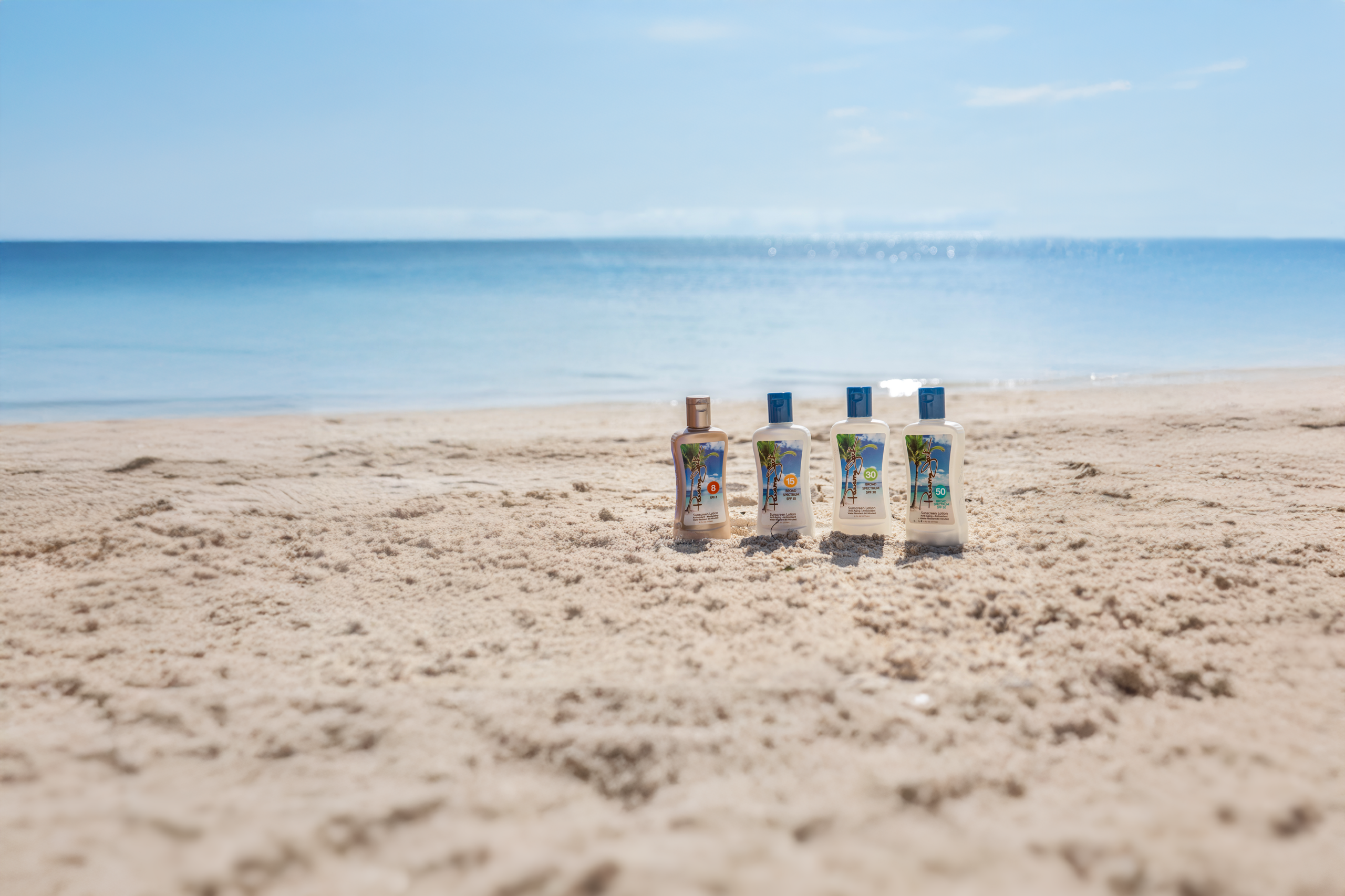
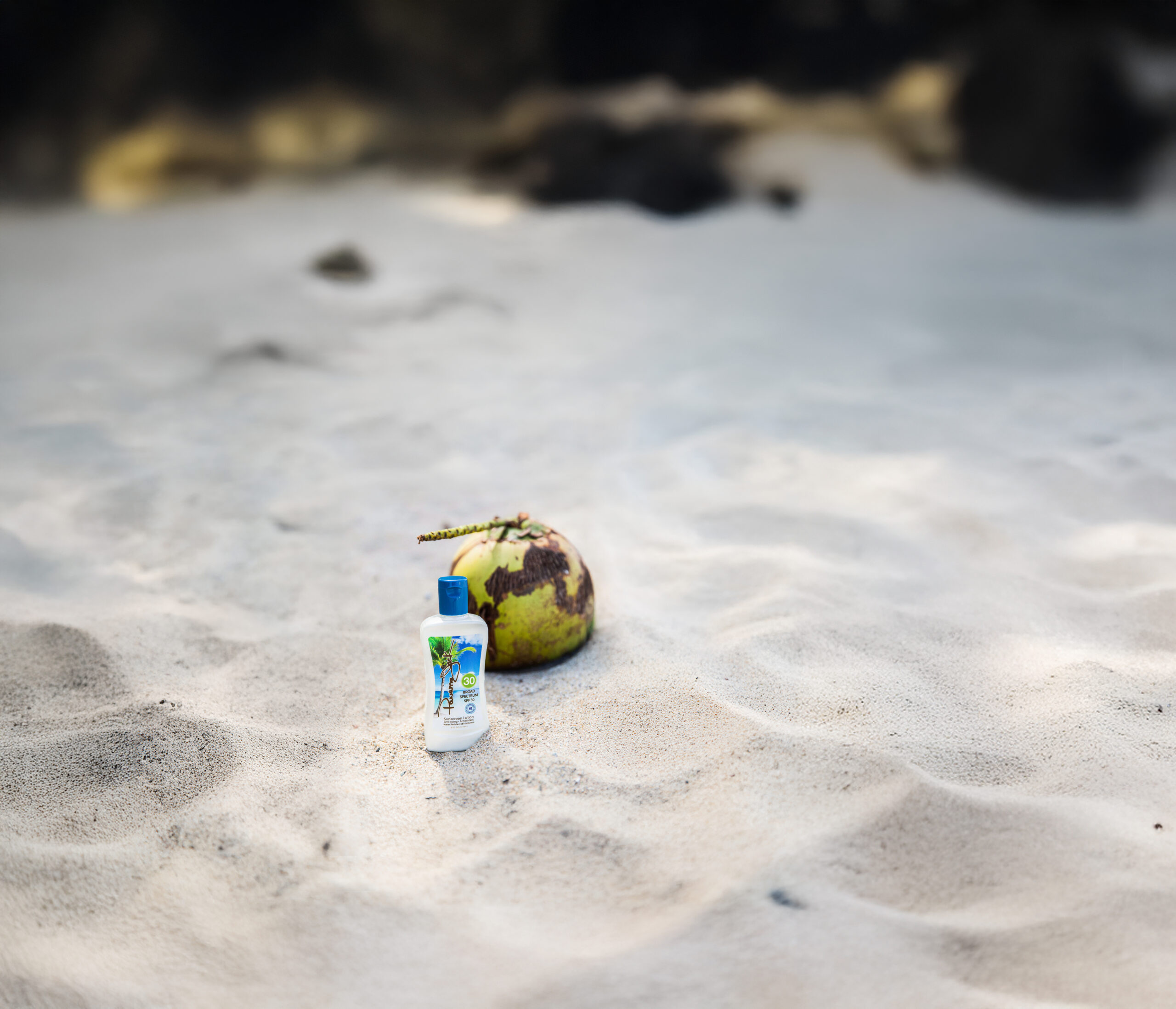
🥇 #1 Best Hawaii Act 104 Compliant Sunscreen: Panama Jack Mineral SPF 50
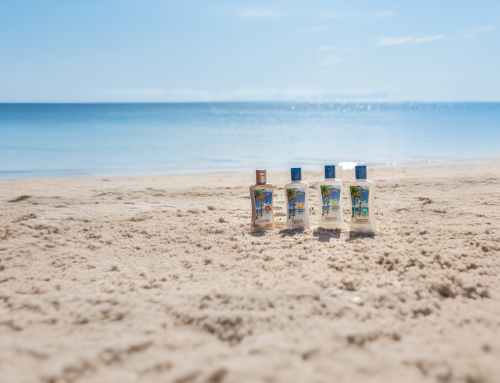
Panama Jack's mineral sunscreen formulations use zinc oxide as the primary UV filter — providing full-spectrum UVA and UVB coverage without oxybenzone or octinoxate. Zinc oxide is FDA-classified as "generally recognized as safe and effective" (GRASE) — the highest safety classification for sunscreen ingredients. It also has no documented coral reef toxicity at concentrations associated with recreational ocean swimming, making it the ideal UV filter for Hawaii Act 104 compliance in both the legal and environmental sense.
Verify compliance on the specific Amazon listing: check the Active Ingredients section to confirm zinc oxide and/or titanium dioxide as the only UV filter actives.
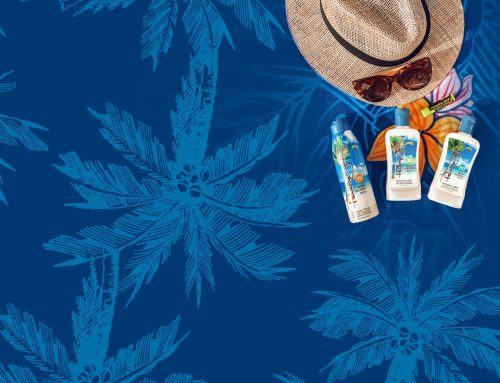
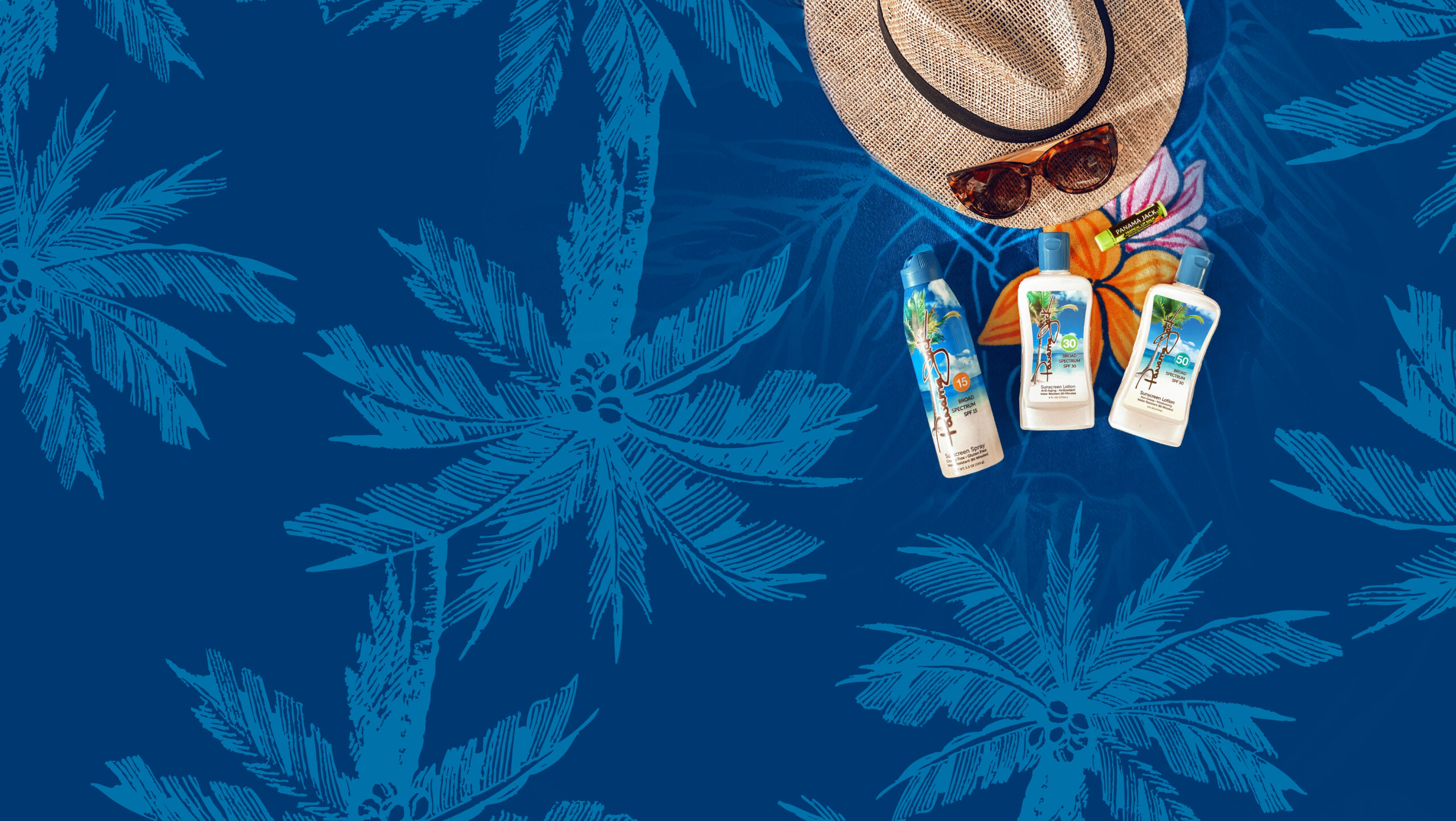
The Complete Compliant Beach Kit
| Product Category | Compliant Choice | Why |
|---|---|---|
| Body sunscreen | Panama Jack Mineral SPF 50 | Zinc oxide — GRASE + no reef toxicity |
| Reapplication spray | Panama Jack Spray (verify Active Ingredients) | Compliant formula convenience |
| Lip protection | Panama Jack SPF 45 Lip Balm | Ocean-compatible formula |
| After-sun | Panama Jack Aloe Vera Gel | Naturally active; land-applied |
Frequently Asked Questions
Is “reef-safe” the same as Hawaii Act 104 compliant?
No — "reef-safe" is an unregulated marketing term with no legal definition or required standard. Any brand can print it on any product. "Hawaii Act 104 compliant" has a specific legal meaning: no oxybenzone and no octinoxate in the active ingredients. To verify compliance, check the Active Ingredients section of the label — marketing language is not reliable.
Is mineral sunscreen as effective as chemical sunscreen?
Yes — zinc oxide provides excellent broad-spectrum UVA and UVB coverage at SPF 30 and SPF 50+ formulations. Many dermatologists consider zinc oxide the most effective single UV filter available due to its breadth of UVA coverage. The cosmetic challenge of mineral sunscreen (white cast) has significantly improved in modern formulations.
Should I use Hawaii Act 104 compliant sunscreen only in Hawaii?
The reasoning behind Hawaii Act 104 — oxybenzone and octinoxate's documented reef ecosystem damage — applies to any ocean environment with coral reef ecosystems, not only Hawaiian reefs. Anyone swimming near coral reefs anywhere in the world benefits from choosing compliant formulas.