California Beach Culture Through the Decades: A Nostalgic Journey
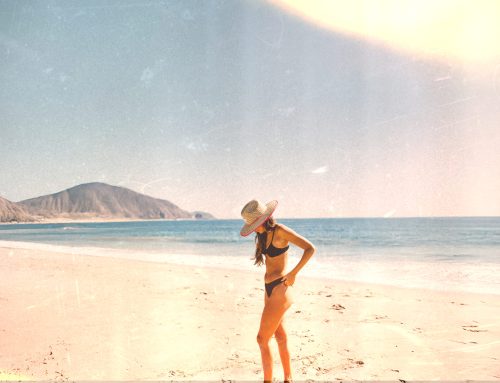
California beach culture is the most exported and most imitated beach culture in American history. From the Beach Boys' early 1960s sounds to the surf industry that grew into a global aesthetic force, California's specific relationship with its coast has shaped how the entire country thinks about what a beach should be and what a beach life should look like.
The Geography That Made It | The 1960s: The Sound Creates the Image | The 1970s: The Surf Culture Matures | The 1980s: Style Dominance | California vs East Coast Beach Culture | California and Panama Jack | FAQ
The Geography That Made It
- The Pacific coast faces west — morning shade and afternoon sun, a different beach day rhythm from east-facing Atlantic beaches.
- The water is colder than the Gulf or Atlantic south of the Carolinas: Southern California averages 65–68°F in summer. This cold water produced a specific surf culture that the warmer-water Atlantic coast didn't develop in the same way.
- The Pacific's swell dynamics produce consistently surfable waves, making surfing the defining outdoor sport of California beach culture.
The 1960s: The Sound Creates the Image
California beach culture's national prominence began with sound rather than image. The Beach Boys' early 1960s recordings created a specific sonic image of California beach life — the surfing, the sun, the girls, the cars — that spread across the country before most Americans had seen California beaches in person. The sound arrived before the visual, which meant that the visual expectations of California beach culture were already formed by music when people actually arrived.
The 1970s: The Surf Culture Matures
The 1970s was the decade when California surf culture matured from a regional subculture into an aesthetic force with national and international influence. The surf industry — board manufacturers, surf clothing brands, surf media — developed the visual language and the product culture that would define "California beach" as a global aesthetic. Panama Jack's products served the non-surfing dimensions: the wide-brim hat for spectators and non-surfers; the tanning oil and lip balm for anyone spending extended time in California sun.
Panama Jack — sun care for California's outdoor culture since 1974. Available on Amazon.
The 1980s: Style Dominance
The 1980s was the decade when California beach culture achieved its maximum style influence on national fashion and consumer culture. The specific visual language of California beach life — the bleached hair, the tan lines, the specific surf brand aesthetics — was aspirational for the entire country in a way that no other regional beach culture has been. This aesthetic dominance was mediated by surf magazines, fashion photography, and eventually MTV videos that used California beach settings as the backdrop for an entire decade's youth culture imagery.
California vs East Coast Beach Culture
| Element | California Beach | East Coast Beach |
|---|---|---|
| Primary activity | Surfing; beach volleyball | Swimming; sunbathing; boardwalk |
| Aesthetic | Active; athletic; sun-bleached | Social; relaxed; community-centered |
| Hat culture | Baseball cap; backwards cap | Wide-brim; Panama Jack territory |
| Tanning oil | Important but secondary to surf | Central beach product; peak Panama Jack use |
California and Panama Jack
Panama Jack's relationship to California beach culture is specific: the wide-brim toquilla hat serves the beach spectator and the non-surfer — the person at the California beach for the sun, the environment, and the outdoor experience rather than specifically for surfing. California's diverse beach culture (surfers, bodybuilders at Santa Monica, the resort beach at Malibu, the family beaches of San Diego) includes substantial populations of serious outdoor people for whom Panama Jack is exactly right.
Panama Jack — the outdoor brand for California beach culture's non-surf dimensions. Available on Amazon.
Frequently Asked Questions
What made California beach culture so influential nationally?
The combination of the Beach Boys' sonic image-creation in the early 1960s, the development of the surf industry as an aesthetic force in the 70s and 80s, and the media amplification of California beach aesthetics through photography, film, and television advertising.