Avobenzone in Sunscreen: What It Does and Why It’s Controversial
If you've ever read the active ingredients list on a chemical sunscreen, you've almost certainly seen avobenzone. It's the most widely used UVA filter in American sunscreen formulas — and it's also the ingredient that generates the most chemistry-adjacent controversy in the sunscreen world.
Understanding avobenzone — what it does, how it works, what its limitations are, and what the controversies are actually based on — helps you make better decisions about which sunscreens to choose.
What Avobenzone Does in a Sunscreen Formula
Avobenzone (butyl methoxydibenzoylmethane) is an oil-soluble chemical UV filter that absorbs UV radiation in the UVA spectrum — specifically the longer-wavelength UVA1 range (340–400nm) that penetrates deepest into skin tissue.
This matters because UVA radiation is the primary driver of photoaging — the deep wrinkles, loss of elasticity, and hyperpigmentation associated with cumulative sun exposure. Most other chemical UV filters in US-approved sunscreens focus primarily on UVB protection. Avobenzone is currently the only FDA-approved chemical filter capable of absorbing across the full UVA spectrum in the US market.
Why UVA Protection Matters More Than Most People Know
- UVA penetrates glass, clouds, and light clothing more effectively than UVB
- UVA is present at near-equal intensity throughout the day, not just at peak UV hours
- UVA is relatively constant year-round (unlike UVB, which varies seasonally)
- UVA reaches the dermis — the deeper layer where collagen and elastin live
- UVA is the primary UV wavelength responsible for immunosuppression in skin tissue
A high-SPF sunscreen without adequate UVA protection prevents burns while allowing the more damaging long-term UV effects to continue. This is why the FDA's broad-spectrum requirement — which mandates meaningful UVA coverage alongside UVB — was an important regulatory advance.
The Stability Problem: Why Avobenzone Is Controversial
Photodegradation
Avobenzone has a significant limitation: it degrades rapidly under UV exposure. Studies suggest that avobenzone can lose 36–90% of its UV-filtering capacity within 60 minutes of UV exposure in unstabilized formulas. This degradation rate is a legitimate technical concern — an unstabilized avobenzone formula provides significantly less UVA protection after 60 minutes of sun exposure than when freshly applied.
Stabilization Solutions
The sunscreen industry has developed stabilization approaches that significantly reduce avobenzone's photodegradation rate:
- Octocrylene: A UV filter that absorbs excess energy from avobenzone and prevents its degradation. This is why avobenzone and octocrylene almost always appear together in chemical sunscreen formulas.
- Helioplex technology: Neutrogena's proprietary stabilization system for avobenzone.
- Encapsulation systems: Microencapsulated avobenzone significantly improves photostability.
The Systemic Absorption Question
Avobenzone is one of the chemical UV filters that appears in blood at measurable concentrations after sunscreen application, as documented in FDA research. The FDA's response was to request additional safety data, not to restrict avobenzone use or issue a safety warning.
For those who prefer to avoid chemical UV filter absorption concerns, mineral sunscreens containing zinc oxide provide excellent UVA protection without systemic absorption, as zinc oxide particles do not penetrate the skin barrier when applied topically.

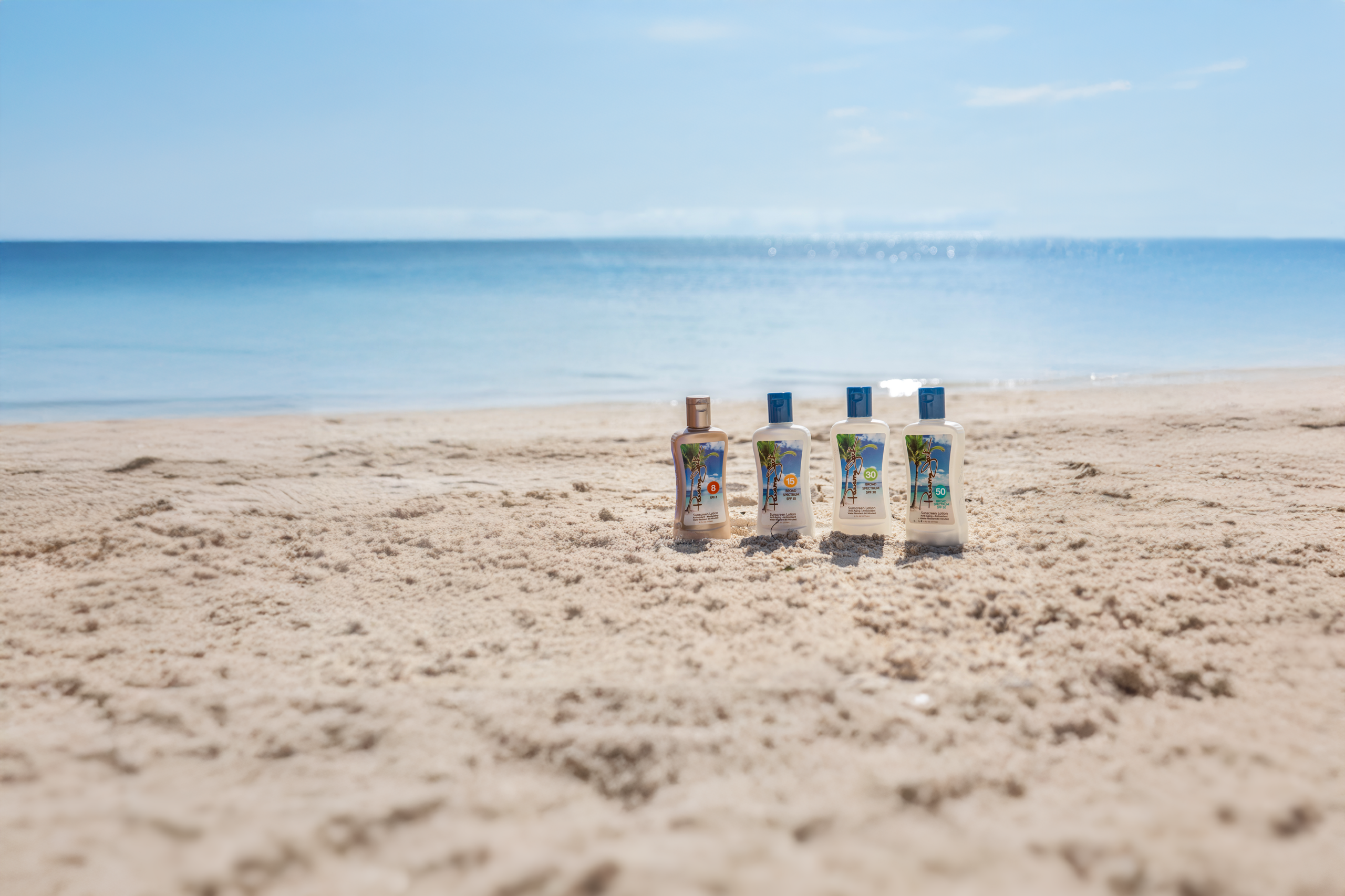
Panama Jack's sunscreen range gives you options across the SPF spectrum. Check specific product active ingredients on Amazon to identify which UV filter system each formula uses.
Avobenzone vs Zinc Oxide for UVA Protection
| Feature | Avobenzone | Zinc Oxide |
|---|---|---|
| UVA coverage | Full spectrum UVA (when stabilized) | Full spectrum UVA + UVB |
| Photostability | Degrades without stabilization | Highly stable, doesn't degrade |
| Skin absorption | Measurable systemic absorption | Minimal to no systemic absorption |
| Texture | Lightweight, invisible | Can leave white cast (varies by formula) |
| FDA classification | More data requested (not unsafe) | GRASE — generally recognized as safe |
Frequently Asked Questions
Is avobenzone safe to use every day?
The scientific consensus among dermatological organizations is that the UV protection benefit of avobenzone-containing sunscreens significantly outweighs any concern from systemic absorption based on current evidence. Daily use of broad-spectrum avobenzone sunscreen is actively recommended by the American Academy of Dermatology. Individuals with specific systemic absorption concerns can use zinc oxide-based formulas instead.
Does avobenzone break down in sunscreen?
In unstabilized formulas, avobenzone can degrade significantly under UV exposure. In well-formulated products containing stabilizers (octocrylene, specific emollient systems, or encapsulation technology), photostability is substantially improved. Reapplication every two hours remains important regardless of stabilization level.
What is the difference between avobenzone and oxybenzone?
Both are chemical UVA filters, but they cover different wavelength ranges. Oxybenzone covers UVA2 and UVB; avobenzone covers the full UVA spectrum including the deeper UVA1 range. Oxybenzone has stronger documented environmental concerns (reef damage) and is banned in Hawaii under Act 104. Avobenzone does not have the same reef damage documentation and is not restricted under Hawaii Act 104.
- Mineral vs Chemical Sunscreen: Which Is Right for Your Skin?
- Are Spray Sunscreen Ingredients Safe? What the Research Says
- Hawaii Act 104 Compliant vs Reef-Safe Sunscreen: The Important Difference Explained

news via inbox
Regular updates right into your inbox every week!