
Aloe Vera with Lidocaine: The Pain-Relieving After-Sun Gel Explained
Most after-sun conversations start and end with aloe vera — which makes sense, because aloe vera is genuinely excellent at what it does. But there's a product that does everything aloe vera does and adds something most people don't know they need until they really, suddenly, need it: lidocaine.
Aloe vera with lidocaine gel combines the anti-inflammatory and cooling properties of aloe with a topical anesthetic that physically interrupts the nerve signals that make a sunburn painful. Understanding how it works — and when to use it instead of plain aloe — makes the difference between managing a bad burn well and lying awake all night in unnecessary discomfort.
What Lidocaine Actually Does in a Topical Gel
Lidocaine is an amide-type local anesthetic used in medicine for everything from dental procedures to epidurals. In topical form at concentrations of 2–5% (typical in OTC after-sun products), it works by reversibly blocking sodium ion channels in the peripheral nerve endings of the upper layers of skin.
In plain language: it doesn't reduce inflammation, it doesn't cool the skin, and it doesn't repair tissue. What it does is physically interrupt the nerve signals that your skin is sending to your brain saying "this hurts." The effect begins within 2–3 minutes of application and lasts approximately 1–2 hours before the sodium channels begin recovering.
Why Aloe Vera + Lidocaine Is More Than the Sum of Its Parts
Addresses the root cause of inflammation — reduces prostaglandin synthesis, delivers antioxidant protection, provides evaporative surface cooling, and initiates the repair cascade. Aloe works on the biology of the burn.
Addresses the symptom of pain — blocks the nerve signal transmission that makes the burn painful. Lidocaine works on the sensory experience of the burn.
This is the key insight: aloe vera and lidocaine don't overlap — they work through entirely different mechanisms on different aspects of the sunburn experience. Used together, they address both the underlying inflammatory biology and the surface pain perception.
When to Reach for Aloe With Lidocaine vs Plain Aloe
| Situation | Best Product | Why |
|---|---|---|
| Mild sun exposure, no burn | Plain aloe gel | Lidocaine not needed; aloe's anti-inflammatory is sufficient |
| Visible redness, moderate burn pain | Aloe with lidocaine | Pain is present; lidocaine provides needed relief alongside aloe's healing |
| Significant burn, interfering with comfort | Aloe with lidocaine | Primary purpose: make it bearable while aloe initiates healing |
| Cannot sleep due to burn discomfort | Aloe with lidocaine before bed | Interrupts pain signal during critical first-night recovery window |
How to Apply Aloe With Lidocaine Gel Correctly
Preparation
Rinse the burned area gently with cool water to remove sunscreen, salt, sand, and sweat residue. Pat dry very gently — do not rub. Allow the skin to return to room temperature before application.
Application Amount
Apply a thin, even layer to the entire burned area. More product does not produce more numbness — lidocaine's effect plateaus at full nerve channel saturation, which a thin layer achieves.
Frequency
Reapply every 3–4 hours as needed for pain management. Do not apply to the same area more than 4–5 times in 24 hours without medical guidance.
Avoid
Do not apply to broken skin, open blisters, or any area where the skin surface is no longer intact. For the face, avoid the eye area entirely.

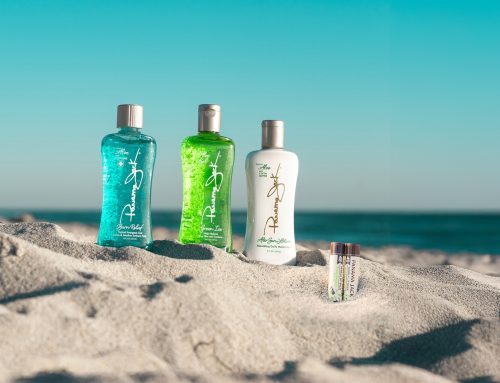
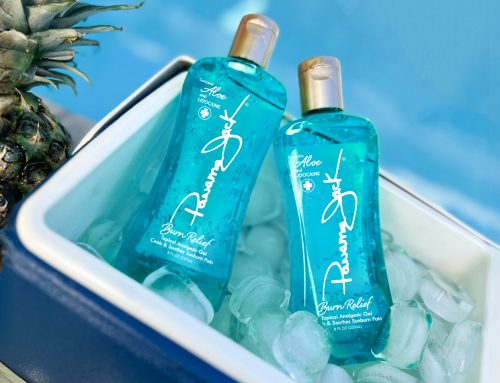
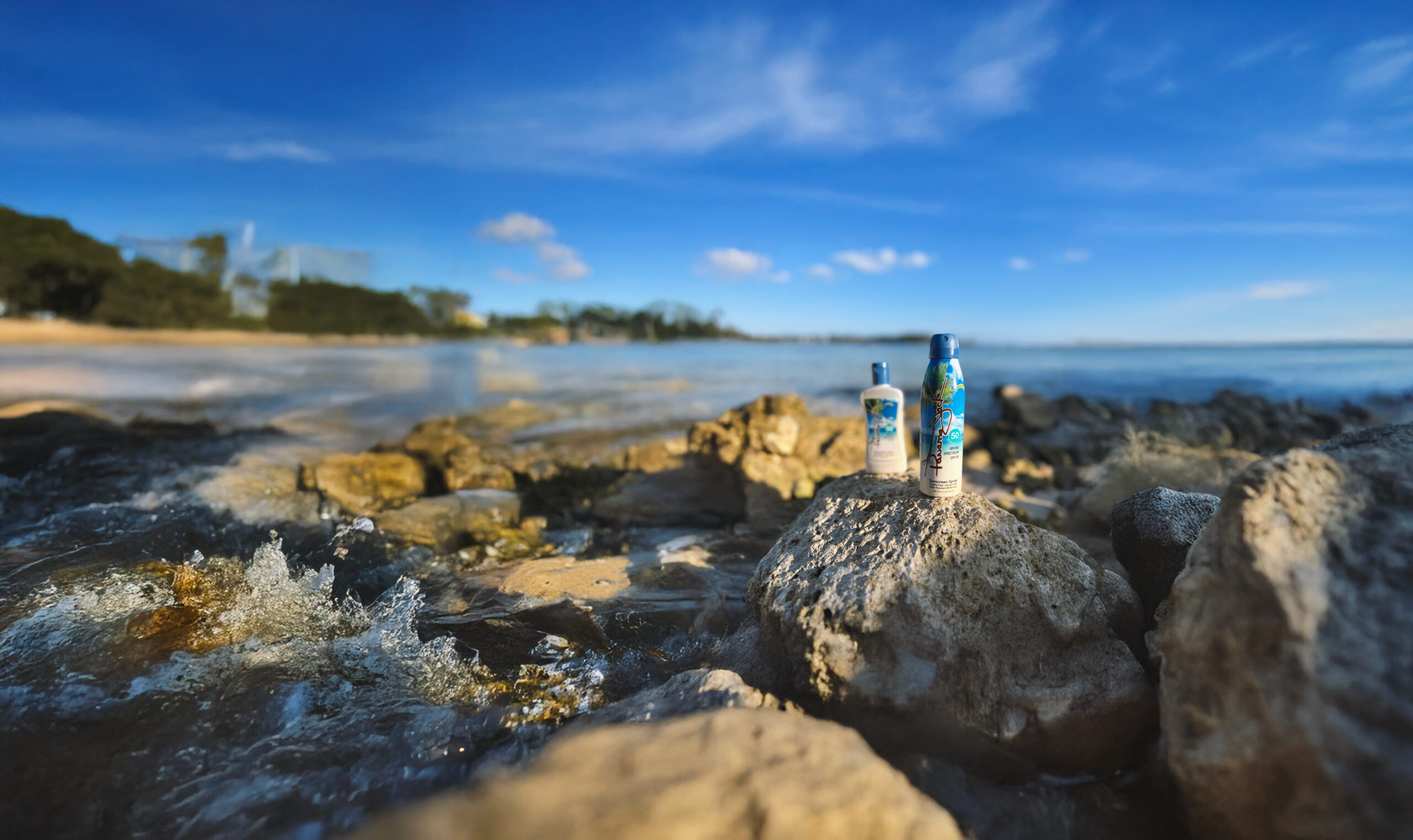
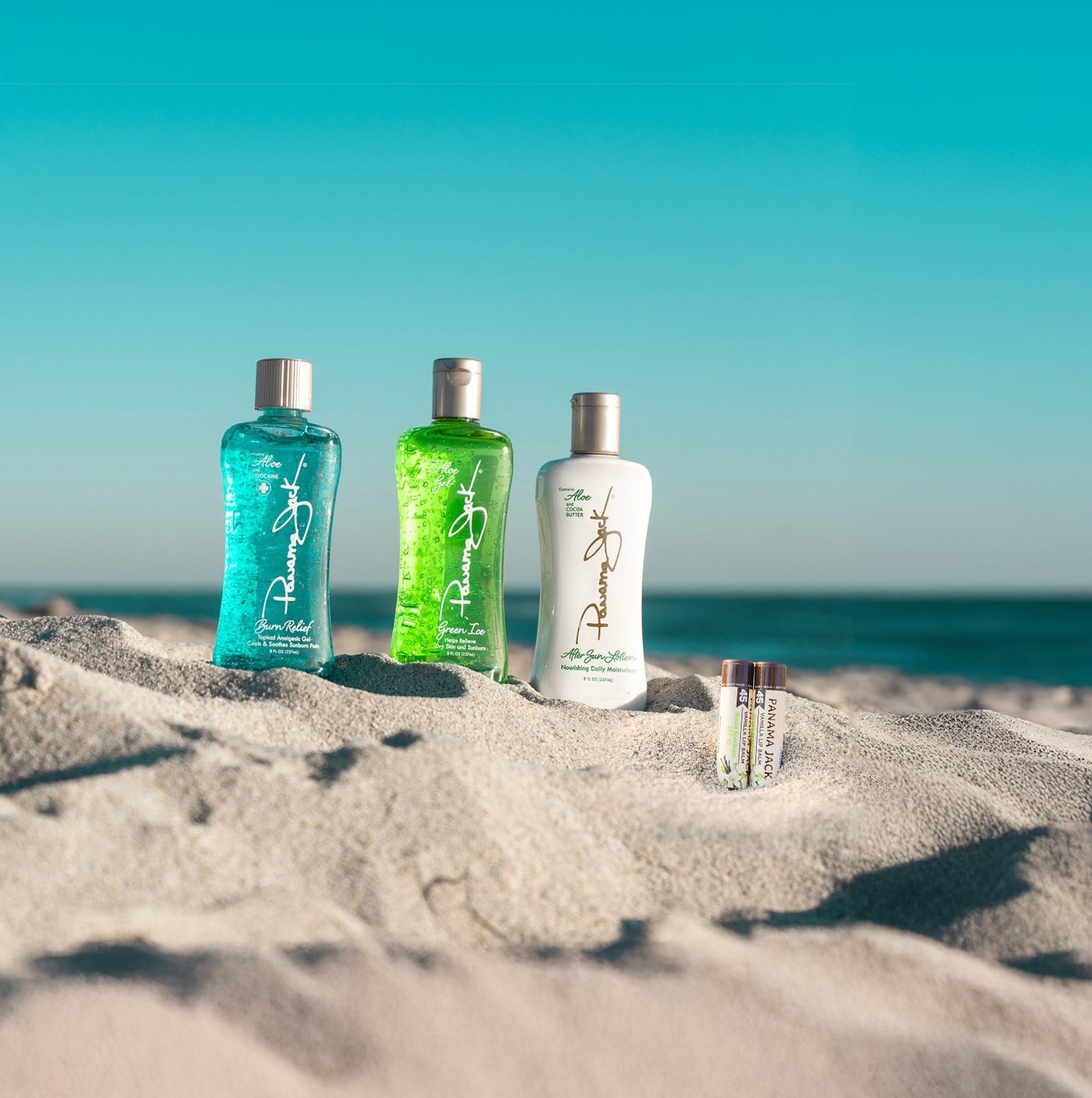
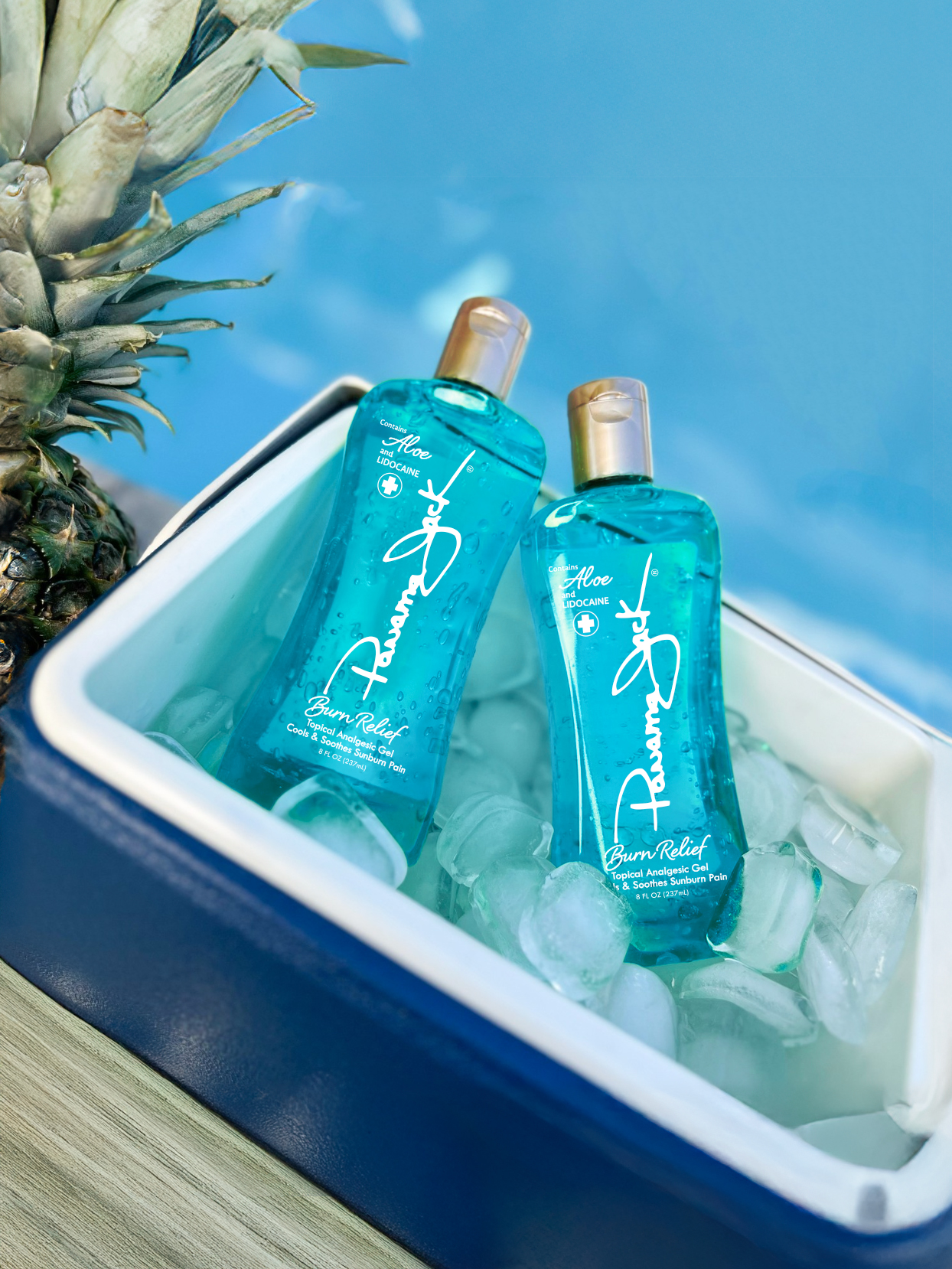
Panama Jack Aloe With Lidocaine — anti-inflammatory aloe + topical anesthetic pain relief in a beach-formulated gel. Available on Amazon.
Shop Panama Jack Aloe With Lidocaine on Amazon →
Safety and Who Should Exercise Caution
- Children under 2: Topical lidocaine should be used with pediatric guidance in very young children due to higher systemic absorption through infant skin.
- Lidocaine allergy: True lidocaine allergy is rare but exists. If you have known sensitivity to amide-type local anesthetics, do not use this product.
- Large surface area application: Applying over very large body areas simultaneously can result in measurable systemic lidocaine absorption. For burns covering a large percentage of body surface area, medical evaluation is appropriate.
- Lidocaine manages pain but does not speed healing: The pain relief can make a bad burn feel more manageable — but it should not be interpreted as a sign the burn has healed. Continue aloe and moisturization protocols even when pain is controlled.
Frequently Asked Questions
How long does the numbing effect of lidocaine last on sunburn?
Topical lidocaine at OTC concentrations typically provides pain relief for 1–2 hours per application. Reapplication every 3–4 hours is generally appropriate for ongoing pain management during the acute burn phase.
Does the lidocaine interfere with healing?
No — lidocaine is a reversible local anesthetic that blocks nerve signal transmission without interfering with the inflammatory and repair processes in underlying tissue. Aloe vera's healing mechanisms proceed normally alongside the lidocaine-mediated pain relief.
What is the difference between lidocaine gel and benzocaine gel for sunburn?
Both are topical anesthetics with similar pain-blocking mechanisms. Lidocaine is generally preferred in medical practice due to a lower rate of allergic reaction compared to benzocaine. Lidocaine-based formulas like Panama Jack's are considered the more reliable choice for most users.