
A Sun-Safe Beach Morning Routine: From Wake-Up to First Swim
There is a specific quality to a beach morning unlike any other kind of morning. The light is different. The air is already doing something to you before you've left the room. Most people squander those minutes — they grab sunscreen from the bag in the car, apply it standing on the sand, and are already in the water before the SPF has absorbed. By noon, they're paying for it.
A sun-safe beach morning routine is not a burden — it's a five-to-ten minute investment that determines how well the next eight hours go for your skin. Here it is, step by step.
Step 1: Hydrate First | Step 2: The Shower | Step 3: Body Sunscreen Timing | Step 4: Face SPF | Step 5: SPF Lip Balm | Step 6: Hat & Sunglasses | Step 7: Reapplication Kit | Step 8: First Swim Protocol
Step 1: Hydrate Before Anything Else
You lose water overnight. Skin that starts the day dehydrated is more susceptible to UV damage, tans less evenly, and shows more pronounced redness after sun exposure. Before sunscreen, before coffee, drink 16 ounces of water. A beach day makes this more consequential than most days because the combination of heat, sun, and salt air accelerates dehydration significantly.
Step 2: The Pre-Beach Shower
A shower before the beach washes off overnight oils, perfumes, or skincare products that may interfere with sunscreen adhesion — particularly fragrant oils or retinol products that can cause photosensitivity. The shower should be warm, not hot — hot water strips natural oils and causes vasodilation that makes skin more reactive to UV.
Step 3: Body Sunscreen — 20 Minutes Is Not Optional
Chemical sunscreens require approximately 15–20 minutes to absorb into the skin and become fully active. Applying them in the beach parking lot and walking directly onto sand means your first 20 minutes of direct sun exposure are essentially unprotected. Apply SPF 50 to all body areas that will be exposed — arms, legs, shoulders, back of neck, chest — at home, before you leave.
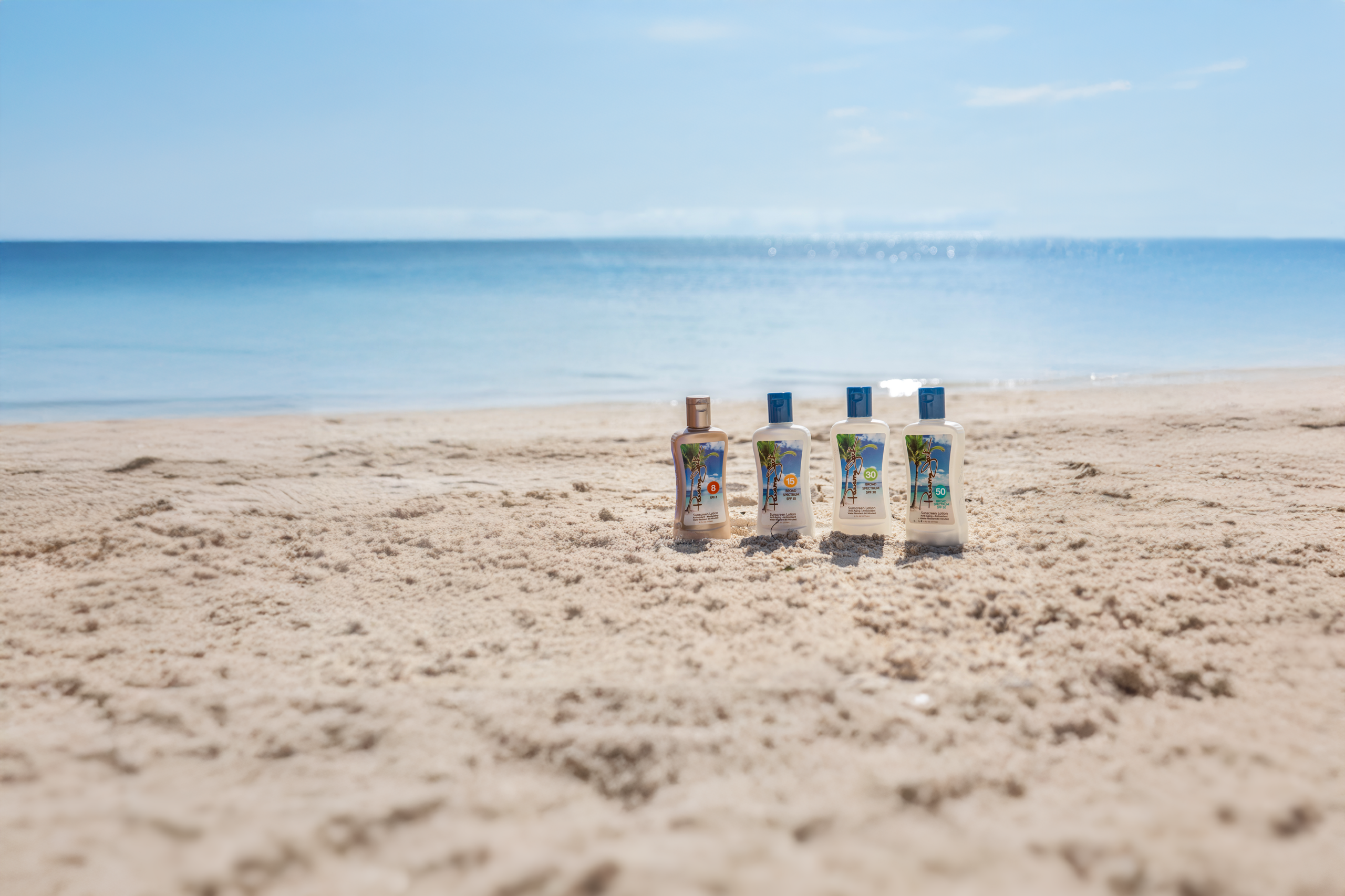
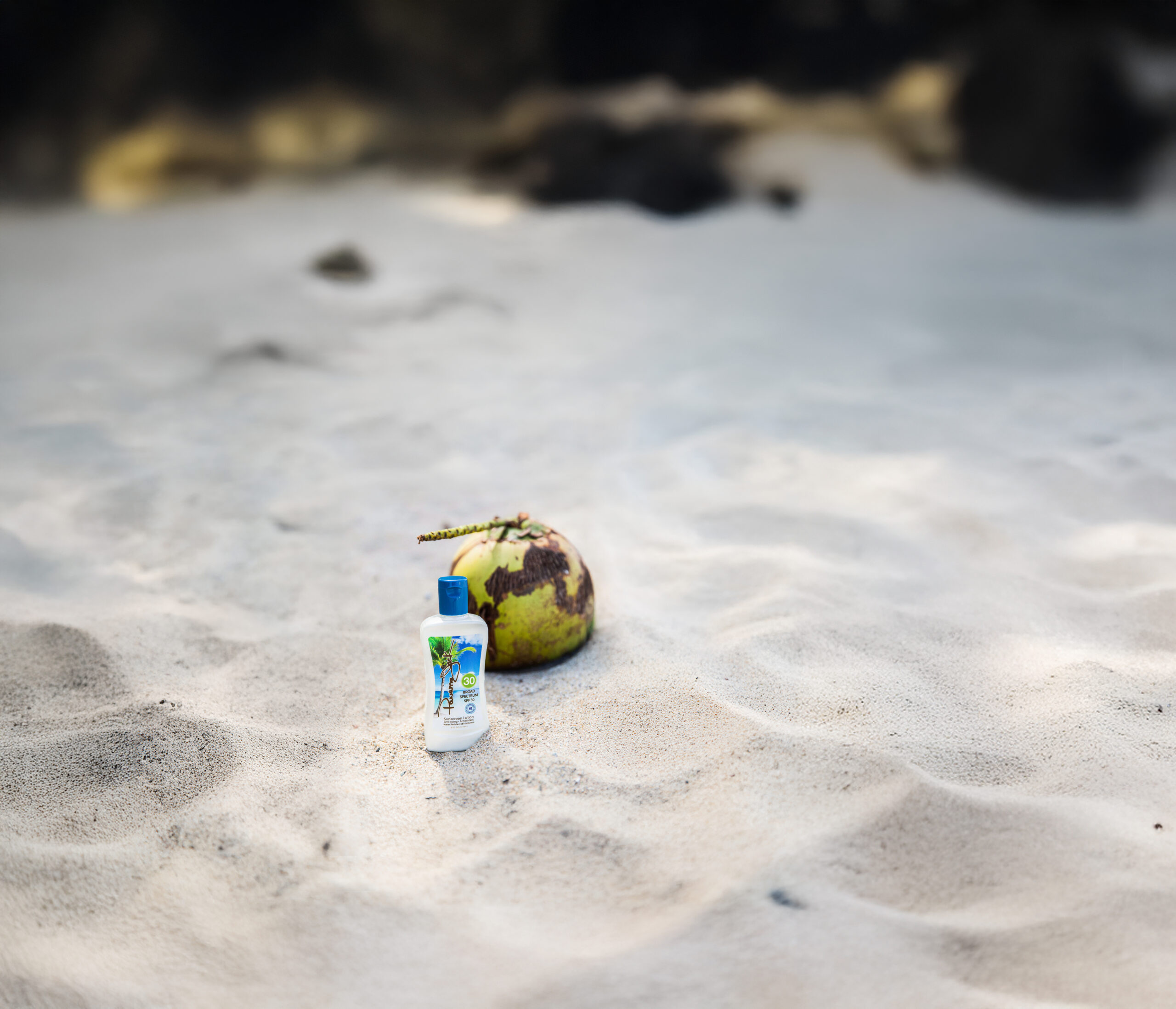
Panama Jack SPF 50 sunscreen — broad-spectrum protection formulated for beach conditions. Apply before you leave the house and give it the 20 minutes it needs to work properly.
Shop Panama Jack SPF 50 on Amazon →
Step 4: Face SPF — A Separate Step
Facial skin is thinner, more reactive, and more likely to be touched throughout the day (which degrades coverage). Apply a dedicated facial SPF 50 after your regular morning skincare. Don't forget the ears, hairline, and back of neck — consistently under-protected and over-damaged areas in dermatological assessments of regular beachgoers.
Step 5: SPF Lip Balm — Apply Before You Leave the House
Lips have no melanin and no sebaceous glands — the most UV-vulnerable area on your face and the most reliably forgotten. By the time you're at the beach thinking about lip balm, your lips have already received unprotected UV exposure during the drive and the walk from the car. Apply SPF lip balm at home, before your keys.
Panama Jack SPF 45 Lip Balm — apply at home before you leave, and keep a second one in your beach bag. Available in Dreamsicle, Tropical, Vanilla, Mango, and Flavorless. Multi-packs available on Amazon.
Shop Panama Jack SPF Lip Balm on Amazon →
Step 6: Hat and Sunglasses — Before You Walk Out the Door
Both hat and sunglasses provide UV protection that doesn't degrade, doesn't need reapplication, and covers areas where sunscreen is often missed. Put them on before leaving the house. The moment you step outside is the moment UV exposure begins. A wide-brim hat (3 inches or more) provides significant shade to the face, ears, and posterior neck.
Step 7: Pack the Reapplication Kit
- Full-size SPF 50 sunscreen — you will use more than you think
- Panama Jack SPF 45 lip balm — reapply every hour minimum, immediately after eating or swimming
- Panama Jack aloe vera gel — for the end of the day (and emergencies)
- A travel-size spray sunscreen for easy mid-day touch-ups on the back
- A phone reminder set for 90-minute intervals
Step 8: The First Swim Protocol
The first swim of the day is the event most likely to compromise your morning sunscreen application. Getting out of the water, drying off with a towel, and sitting back in the sun accelerates coverage loss significantly. Reapply sunscreen within 15 minutes of getting out of the first swim — face, shoulders, and chest especially. Reapply SPF lip balm immediately. Don't wait until you feel warm.
Frequently Asked Questions
When exactly should I apply sunscreen before the beach?
Apply chemical sunscreen 20 minutes before sun exposure — at home, before you leave, not at the beach. Mineral sunscreens (zinc oxide, titanium dioxide) are effective immediately upon application and can be applied closer to beach time, but the home application habit is the more reliable approach regardless of formula.
Can I skip face moisturizer and just use SPF 50?
Many SPF 50 formulas include moisturizing ingredients and can function as a standalone morning product for the beach context. For skin types that need more hydration, apply a lightweight moisturizer first and let it absorb for one minute before applying SPF over it.
Does applying sunscreen at home vs at the beach actually make a difference?
Yes, significantly for chemical sunscreens. The 15–20 minute absorption window means that beach application is either inadequate (not enough absorption time) or requires you to wait on the sand doing nothing — which most people don't do. Home application is simply the more reliable approach.
- The Ultimate Beach Packing List: Everything You Need for a Perfect Day
- How Often Should You Reapply Sunscreen? The Definitive Answer
- 10 Sun-Safe Habits That Dermatologists Practice Every Day

news via inbox
Regular updates right into your inbox every week!