A Day at the Lake: Sun Protection Tips for Fresh Water Adventures
Lake days occupy a specific place in the American summer imagination — the dock, the pontoon boat, the jump off the rope swing, the long afternoon doing very little in exactly the right way. They also have a specific sun protection challenge that most people underestimate: freshwater lakes combine full UV exposure with significant water surface reflection, often with limited shade and days that stretch from morning to sunset.
Why Lake Days Are Deceptively High-UV Environments
1. Water Surface Reflection
Fresh water reflects approximately 5–10% of incident UV radiation back upward. When you're sitting on a dock, on a boat, or floating in the water, you're receiving direct UV from above and reflected UV from below simultaneously. This creates a double-exposure effect particularly significant for the undersides of arms, chin, and nose.
2. Limited Natural Shade
Ocean beaches often have umbrellas and shade structures readily available. Lake environments — particularly at privately owned lakes — often offer limited shade outside of tree cover that may be a significant walk from the water.
3. Extended Informal Exposure
Lake days tend to be less structured than beach days. People drift between water, dock, boat, and lawn without the mental anchors that prompt sunscreen reapplication. Extended informal sun time without reminders is how lake days produce some of the summer's most significant burns.
Essential Sun Protection for a Lake Day
- SPF 50 sunscreen applied before leaving the house or cabin — give it 15–20 minutes to absorb before water contact
- A full 8oz bottle for a family day — lakes are unforgiving when you run out
- SPF lip balm is particularly critical at lake settings — wind off the water and combined direct/reflected UV makes lip burn surprisingly common
- Reapplication timer set on your phone for 90-minute intervals
- A rash guard or UPF-rated long-sleeve shirt for extended time near water
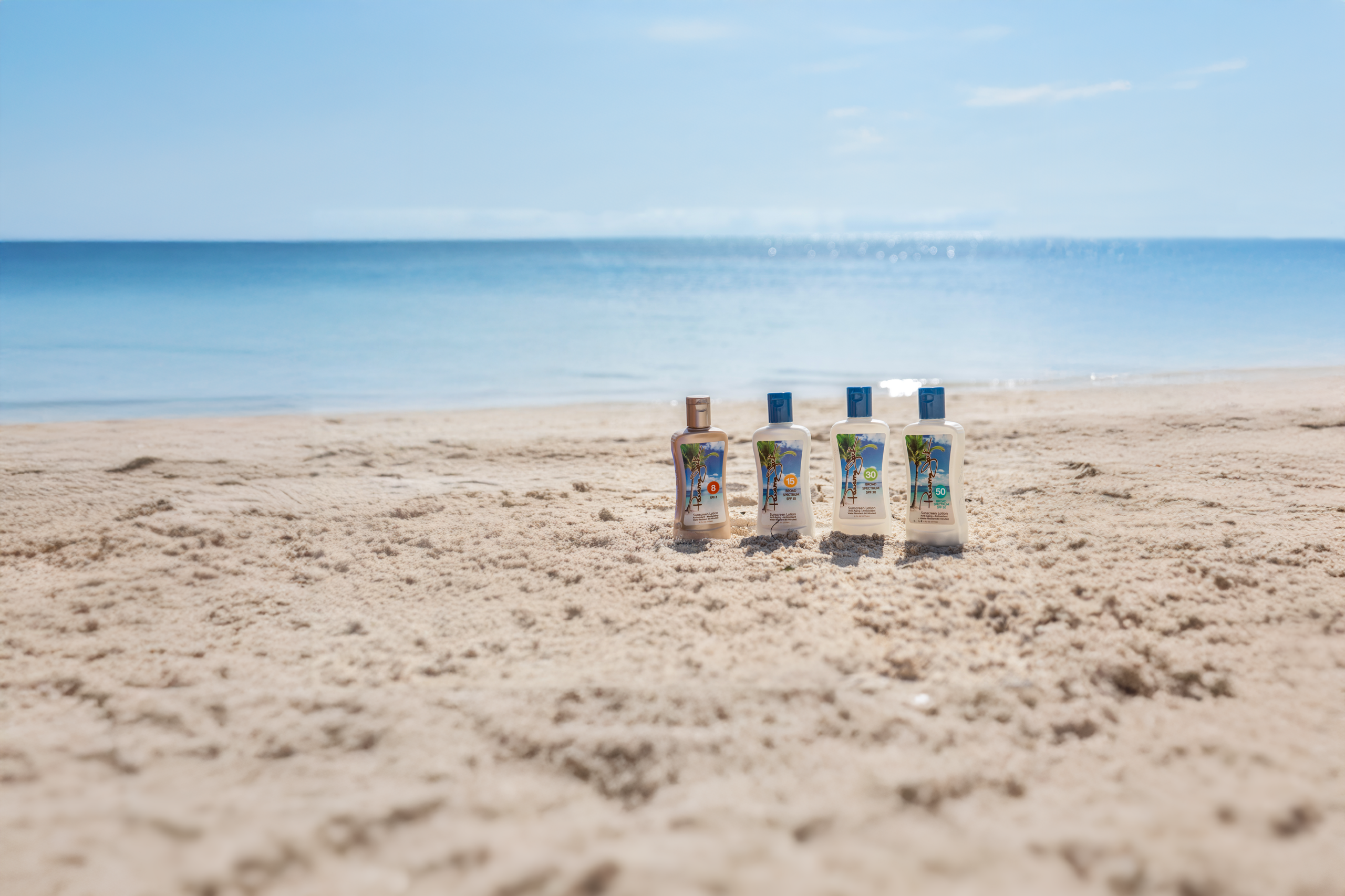
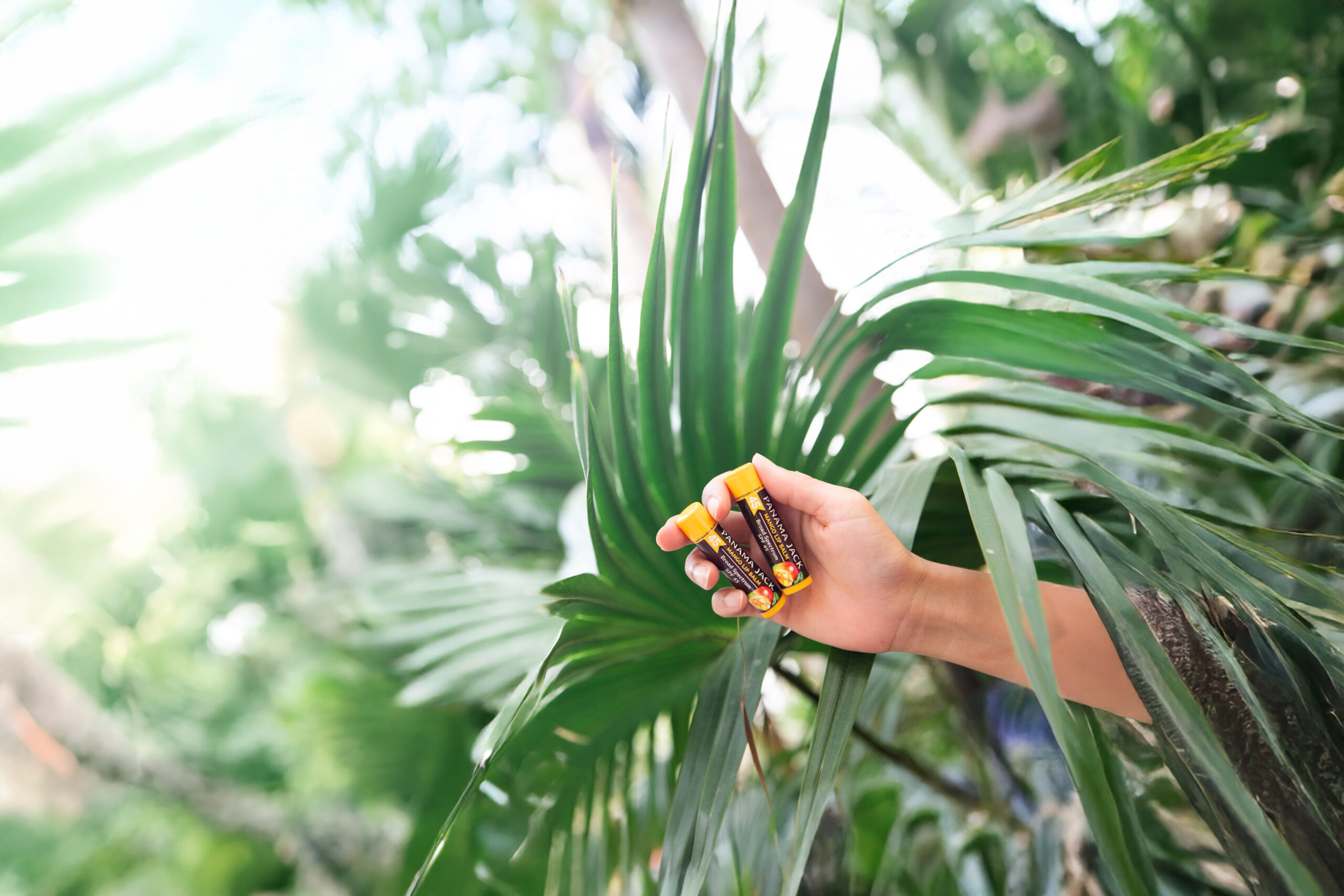
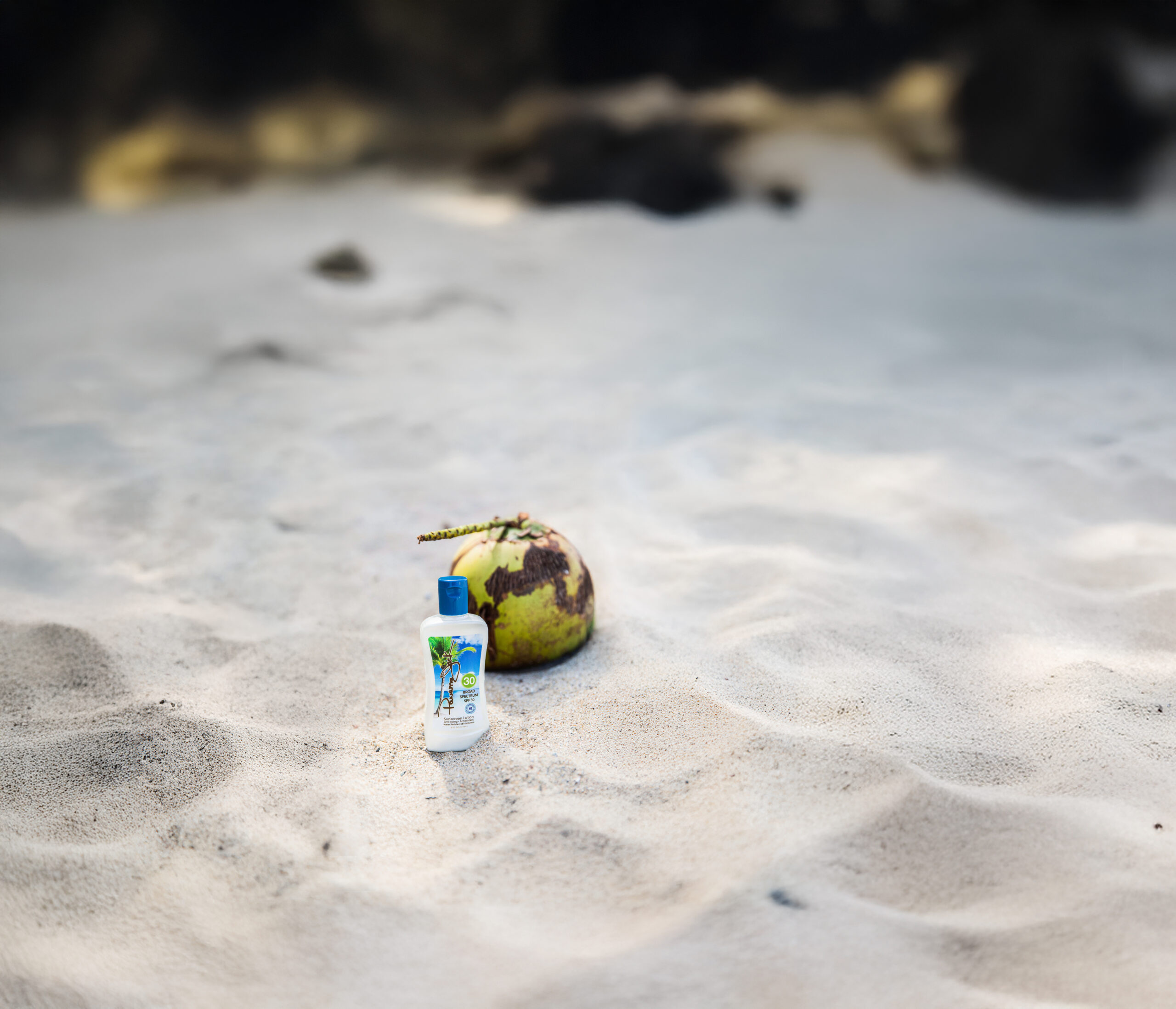
Panama Jack SPF 50 + SPF lip balm SPF 45 — the core of a lake day sun protection kit. Covers every surface exposed in a lake setting.
Shop Panama Jack SPF 50 + Lip Balm on Amazon →
Hat Selection for Lake Days
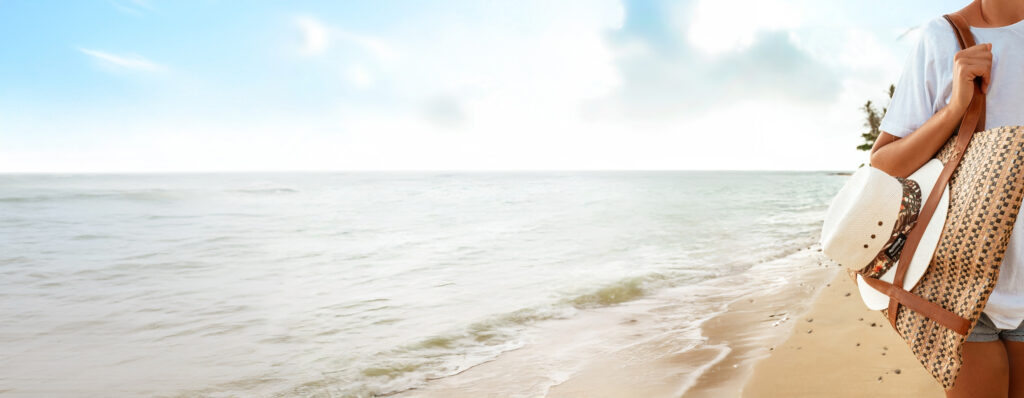
Lake breezes are often stronger and less predictable than beach conditions — particularly on open-water pontoon boat time. A hat with a chin cord is more practical than a loose-fitting wide-brim. The Panama Jack boonie hat and safari hat both offer chin cord options that make them the functional choice for on-water lake time.
Given the reflection factor, the back of the neck and ears receive elevated UV exposure at lake settings. A hat with a full-circle brim — rather than a front-only cap — provides the back-of-neck coverage that lake conditions specifically require.
Panama Jack's boonie hat and safari hat — with full-circle brims and chin cord options — are built for on-water conditions.
Sun Protection for Specific Lake Activities
On the Pontoon Boat
Pontoon boat time is the highest UV exposure scenario at most lakes — sitting in direct sun on a reflective water surface, for hours, with no shade and wind preventing you from feeling the UV load. Apply SPF 50 before boarding, bring sunscreen for reapplication, and wear a hat throughout.
Swimming and Rope Swing
After any swimming, apply fresh sunscreen within 15 minutes of exiting the water. Water resistance ratings are tested under controlled conditions that don't replicate real-world intermittent swimming and drying conditions.
Fishing From the Dock or Kayak
Fishing is among the highest cumulative UV exposure activities — hours of stationary time in direct sun. SPF 50, a wide-brim hat with chin cord, and SPF lip balm are non-negotiable for lake fishing days.
The After-Lake Skin Care Routine
- Shower with lukewarm water as soon as possible to remove sunscreen, lake residue, and salt
- Apply aloe vera gel to any sun-exposed areas within 30 minutes of coming inside
- Follow with after-sun lotion for extended overnight hydration and recovery
Panama Jack's aloe vera gel and after-sun lotion — the complete lake-day recovery kit.
Frequently Asked Questions
Is sun exposure at a lake as intense as at the beach?
Fresh water lakes reflect approximately 5–10% of UV, compared to ocean water's similar range and dry sand's 10–25%. The total UV environment at a lake is somewhat lower than an ocean beach with light-colored sand, but extended time without shade or reapplication routinely produces significant burns.
How often should I reapply sunscreen at a lake?
Every 90 minutes during active outdoor time, and immediately after any swimming. The combination of water activity and wind at most lake settings degrades coverage faster than the standard two-hour reapplication schedule assumes.

news via inbox
Regular updates right into your inbox every week!