A Complete Family Sun Protection Strategy for the Whole Summer
Sun protection for a family of four is not one strategy — it is four strategies that need to coordinate into something sustainable enough to actually get used all summer. The sunscreen that works for a 45-year-old does not necessarily work for a toddler. This guide builds a complete, age-appropriate family sun protection system from infants through adults.
Infants Under 6 Months: Shade and Clothing Only
The FDA recommends that sunscreen NOT be applied to infants under 6 months. Infant skin absorbs topical chemicals at significantly higher rates than adult skin. Sun protection for infants must rely on physical methods exclusively.
- Stay in shade during peak UV hours (10am–4pm)
- Dress in lightweight, full-coverage protective clothing: long sleeves, pants, and a soft-brim hat
- Use a UV-protective stroller cover or shade sail for outdoor time
Babies 6–12 Months: Introducing Mineral Sunscreen
From 6 months onward, mineral sunscreens containing zinc oxide or titanium dioxide are appropriate. Mineral formulas are preferred because they sit on the skin surface rather than absorbing — minimizing systemic exposure during rapid developmental change.
- Apply SPF 30+ mineral sunscreen to all exposed skin 15–20 minutes before outdoor time
- Reapply every 80 minutes during outdoor activity and after any water contact
- Continue using shade and protective clothing as primary protection
Toddlers (Ages 1–4): The Most Challenging Age Group
Toddlers are simultaneously the most UV-vulnerable and the most resistant to sunscreen application. Key tactics:
- Make application a game or ritual — a specific song, a reward system for compliance
- Apply before getting dressed — once swimwear is on and beach excitement kicks in, compliance drops sharply
- Use continuous-spray SPF 30+ that can be applied quickly to a moving target. Always rub it in.
- Invest in rash guards and UPF swim shirts — fewer square inches of exposed skin to manage
- A toddler sun hat with a chin strap that snaps is significantly more likely to stay on
Panama Jack's kids' straw hats are designed for the specific challenge of keeping sun protection on active children.
School-Age Children (Ages 5–12): Building Lifelong Habits
This is the age group where sun protection habits form that will influence behavior for life. By age 7–8, most children can apply sunscreen to their own arms and legs with supervision — building both competence and habit.
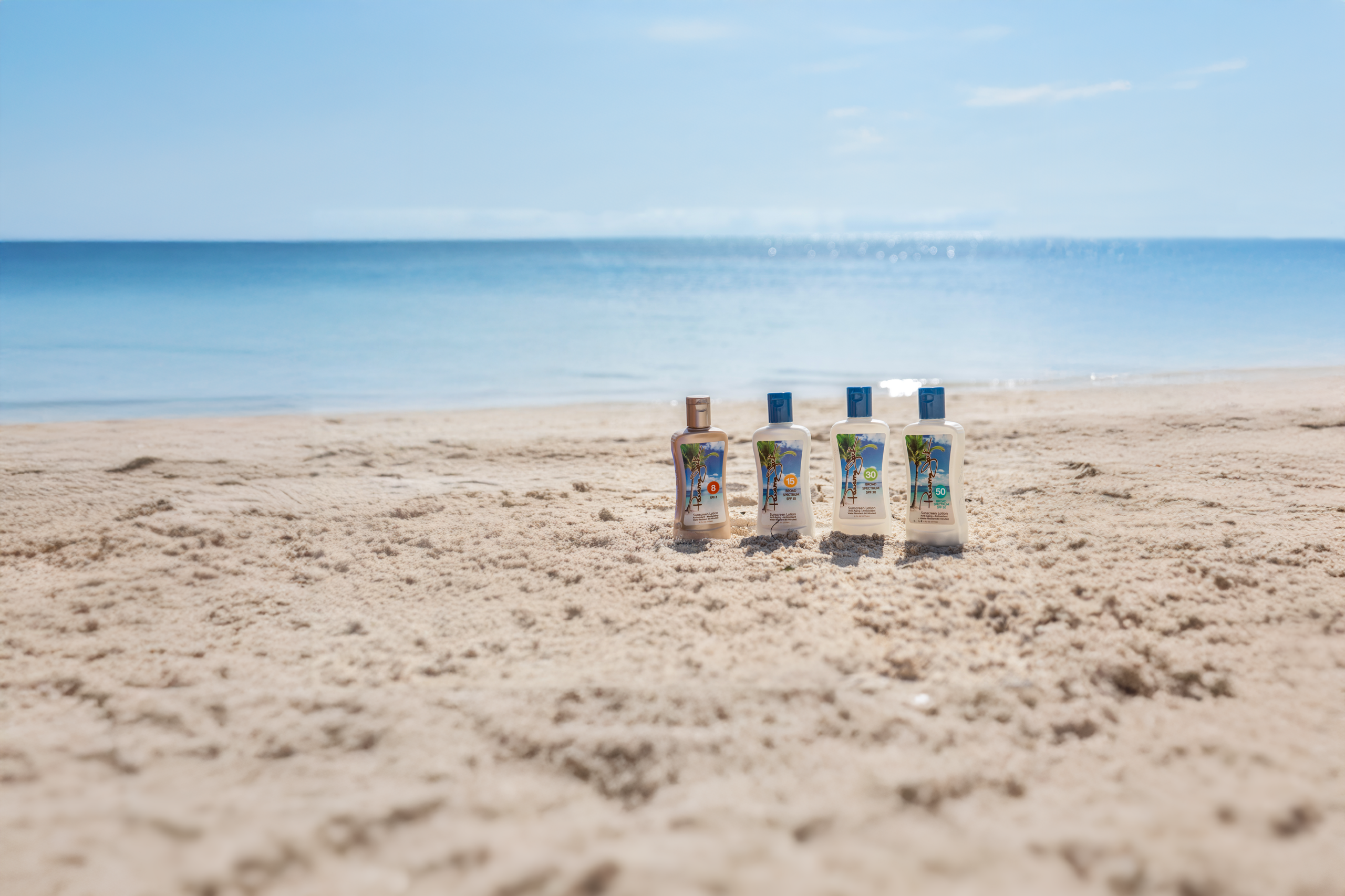
- SPF 50 for all outdoor activities — fair-skinned children burn quickly
- SPF lip balm should be introduced as its own step, distinct from body sunscreen
- Wide-brim hats with adjustable chin cords for active outdoor play
- Reapplication after swimming — make this a non-negotiable rule
Teenagers: The Hardest Sun Protection Audience
Teenagers understand sun protection intellectually and resist it practically. The strategy that works: don't fight the tanning goal — address it. Higher-SPF products still allow tanning; they just reduce burn risk. Framing SPF 50 as "how you get a better, longer-lasting, non-peeling tan" is more effective than generic health messaging.
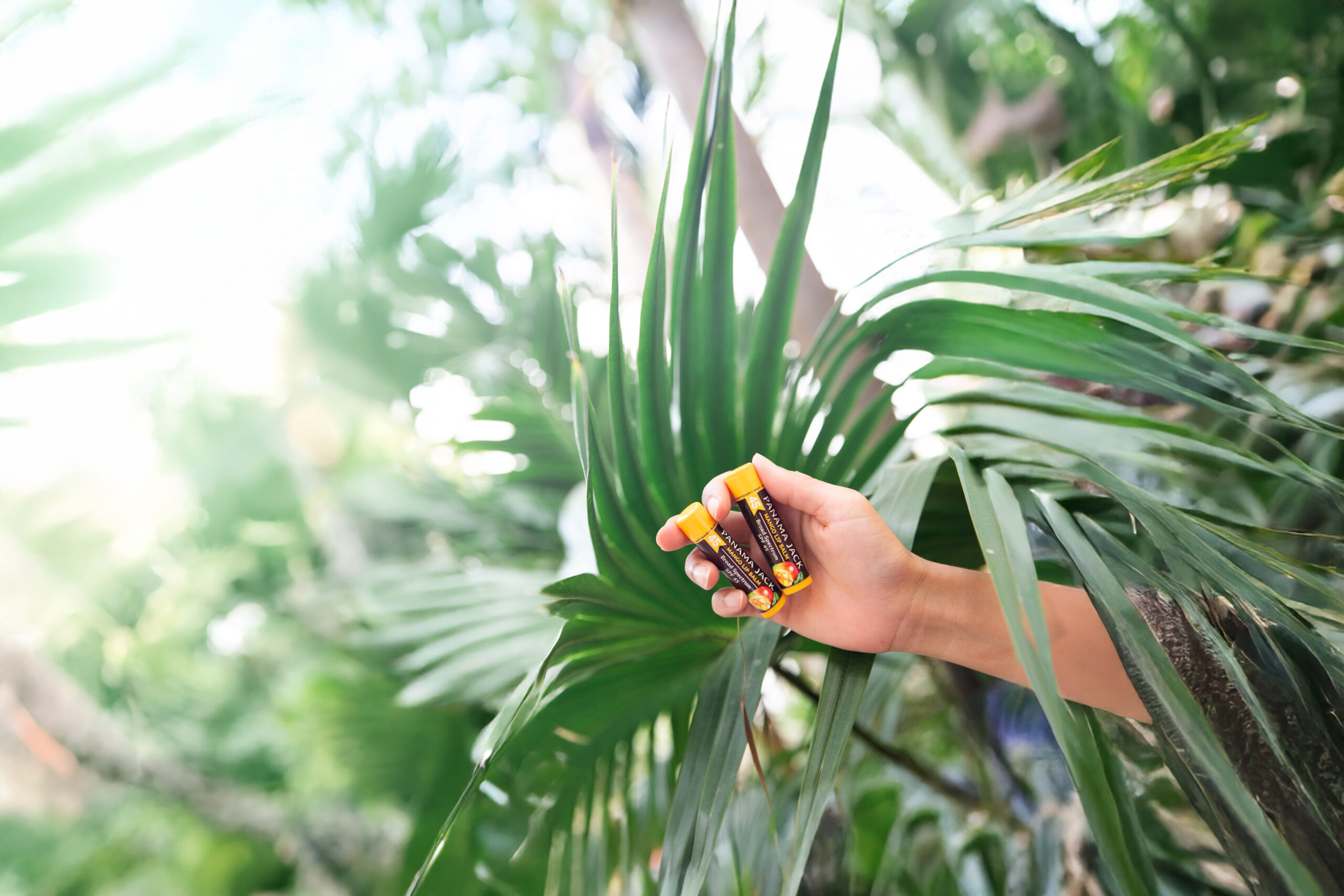
Panama Jack SPF 45 Lip Balm in flavored formulas makes lip sun protection a choice rather than a chore — Dreamsicle and Tropical flavors land well with younger users.
Shop Panama Jack SPF Lip Balm on Amazon →
Adults: The Foundation of the Family System
Adult sun protection in a family context serves two functions: protection for the adult and modeling for the children. Children whose parents apply sunscreen visibly and consistently develop more reliable sun protection habits than those whose parents skip it.
The Complete Family Beach Kit
For children: SPF 50 mineral-based formula + SPF lip balm + UPF swim shirt + kids' sun hat with chin cord
Shared: Panama Jack aloe vera gel for after-sun relief
Backup: Second tube of sunscreen — families run out faster than anyone expects
Frequently Asked Questions
When should I start using sunscreen on my baby?
The FDA recommends avoiding sunscreen on infants under 6 months, relying instead on shade and protective clothing. From 6 months onward, mineral sunscreens (zinc oxide or titanium dioxide) in SPF 30+ are appropriate. Always consult your pediatrician for guidance specific to your baby's skin type and health.
How do you get a toddler to wear a hat?
Start at home, not at the beach — introduce hat-wearing in a calm, familiar environment as a normal part of getting dressed. Choose hats that fit well and use soft, comfortable fabrics. Chin cords that snap (rather than tie) are more toddler-tolerant. Positive reinforcement consistently outperforms negative consequences.
How much sunscreen does a family of four need for a full beach day?
A family of four will typically use at least one full 8oz bottle for a six-hour beach day, applying the recommended amount and reapplying twice. Budget for more than you think you need — the second bottle you didn't bring is the one you always need.

news via inbox
Regular updates right into your inbox every week!