8 SPF Sunscreen: When Lower SPF Products Make Sense
Walk into any drugstore in 2026 and you'll notice that SPF 30 is now effectively the minimum for anything calling itself sunscreen. Against this backdrop, SPF 8 — which once stood in the middle of the protection range — now looks practically antiquated.
But SPF 8 products haven't disappeared. They're still on shelves, still in beach bags, and still in the beach heritage of brands like Panama Jack, which built part of its identity around low-SPF tanning products in the 1970s and 80s. Understanding when someone would choose SPF 8 requires understanding what SPF actually measures.
What SPF 8 Actually Filters
SPF 8 blocks approximately 87.5% of incoming UVB rays, allowing 12.5% to pass through. For comparison: SPF 15 blocks about 93.3%, SPF 30 about 96.7%, and SPF 50 about 98%.
For a fair-skinned person who burns in 10 minutes without protection, SPF 8 theoretically extends that to 80 minutes — assuming perfect application, no sweating, no swimming, and no wind degradation. In real conditions, that window is shorter.
When SPF 8 Makes Legitimate Sense
1. For Highly Pigmented Skin With a Specific Tan Goal
People with naturally very deep skin tones (Fitzpatrick types V–VI) have a natural SPF equivalent of approximately 13. Adding SPF 8 brings total protection to roughly SPF 21 equivalent — adequate for moderate UV exposure with a deliberate, gradual tanning goal when applied carefully and combined with hat protection.
2. For Early Morning or Late Afternoon Low UV Index Exposure
UV index below 3 presents minimal burn risk even for moderately fair skin. During these windows — typically before 9am or after 5pm in summer — SPF 8 provides sufficient protection against the limited UV available. It is not the appropriate product for midday beach exposure in the same location.
3. As Part of a Layered Protection Strategy
Some beachgoers use SPF 8 tanning lotion on areas where they want color, while applying SPF 50 to the face, chest, and other burn-prone areas. This is a deliberate, informed strategy requiring understanding of your skin type, monitoring your time in the sun, and accepting higher exposure on covered areas.
4. The Heritage Tanning Experience
Panama Jack's low-SPF tanning formulas are purchased by millions of people who understand exactly what they're choosing — the closest available modern version of the beach experience they grew up with. These are not ignorant choices. They are deliberate ones made by informed adults who accept the tradeoff.
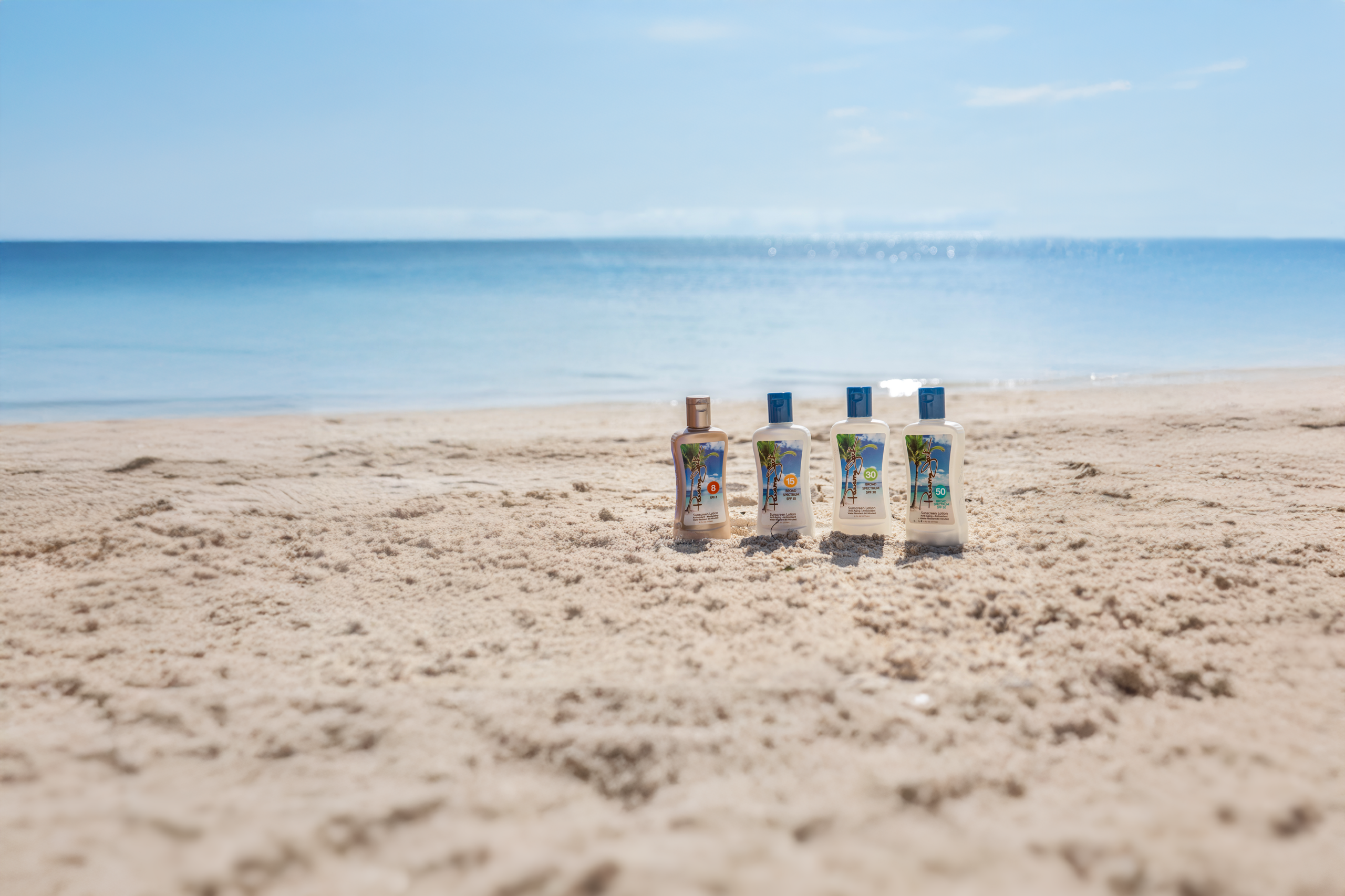
Panama Jack's tanning lotion range includes both classic low-SPF formulas and fully protective SPF 50 options — the choice of the tanning experience you want.
When SPF 8 Does NOT Make Sense
- As primary protection for fair skin (Fitzpatrick types I–III) during midday beach exposure
- For children of any skin tone — children's sun care should use SPF 30 minimum
- At high altitude, near water, or during athletic activity where UV exposure is amplified
- As sole protection for the face — facial skin benefits from SPF 30+ regardless of body choice
- During UV index 6+ peak hours of summer
The Responsible SPF 8 Protocol
- Apply SPF 50 to your face, ears, and the back of your neck — regardless of what you're using elsewhere
- Wear a wide-brim hat for additional mechanical shade
- Limit low-SPF exposure to before 10am and after 4pm when possible
- Apply SPF lip balm — lips have no melanin and are not candidates for low-SPF products
- Apply after-sun lotion every evening
Frequently Asked Questions
Can SPF 8 tanning lotion prevent a sunburn?
SPF 8 significantly extends burn time — approximately 8x the burn threshold under ideal conditions. However, in real-world conditions (sweating, swimming, wind) and with the application amounts most people actually use, practical protection is lower. Fair-skinned individuals should not rely on SPF 8 as their only protection during peak UV hours.
Why did Panama Jack start with low-SPF products?
Panama Jack launched in 1974 in an era when the primary beach goal was maximizing color. SPF 4 and SPF 8 formulas were considered adequate protection. The brand's heritage formulas remain available for consumers who value the experience, while Panama Jack has expanded to include the full modern SPF range.

news via inbox
Regular updates right into your inbox every week!