7 Sunscreen Myths It’s Time to Stop Believing
Sunscreen is one of the most scientifically studied consumer products in existence — and yet misconceptions about how it works persist. Some of these myths are harmless; others lead people to apply less protection than they need or to avoid sunscreen entirely. Here's the definitive debunking — with the science to back it up.
Myth 1: SPF 50 is Overkill — SPF 30 is Plenty ✗
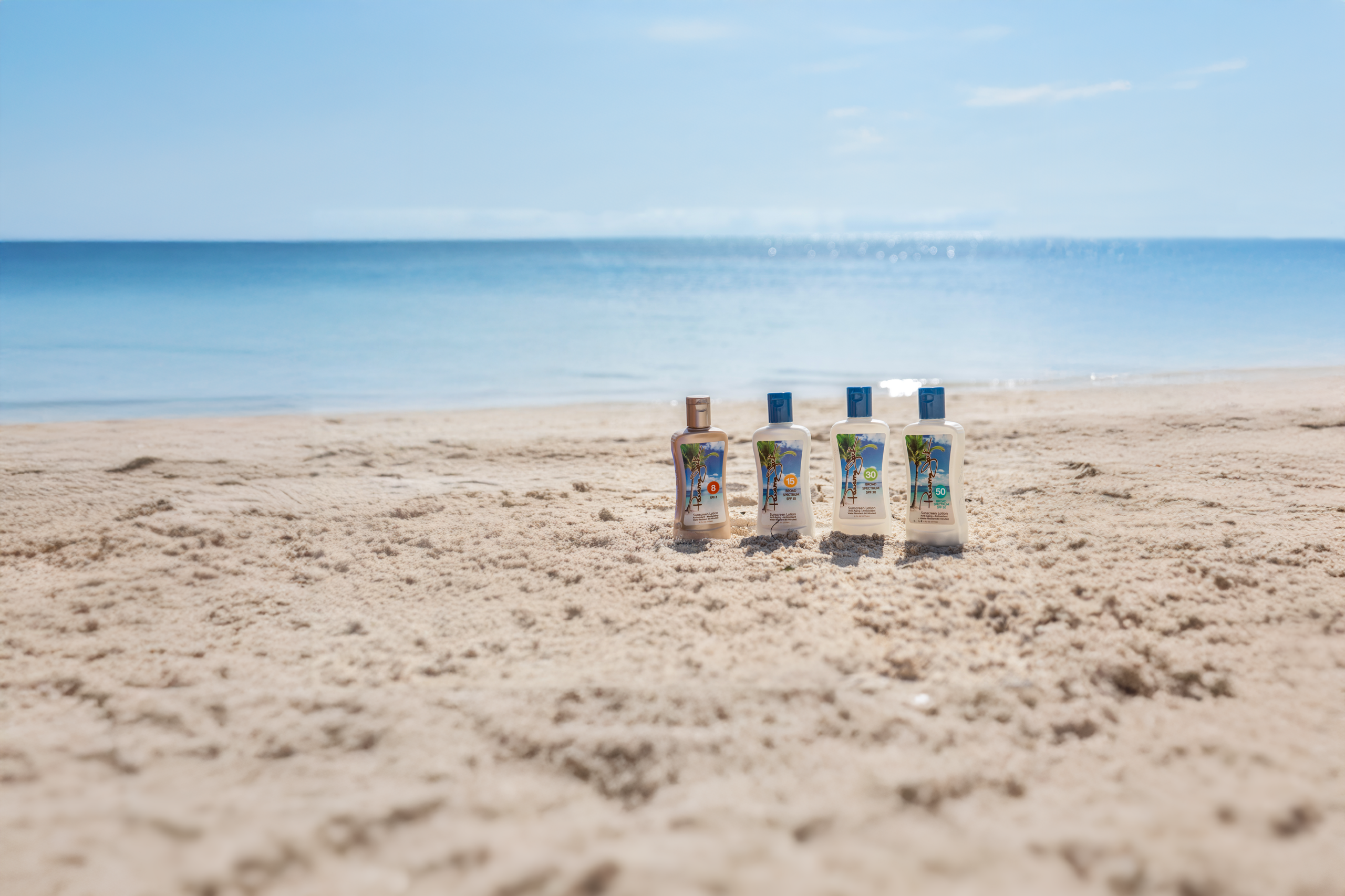
SPF 30 filters approximately 97% of UVB rays. SPF 50 filters approximately 98%. That 1% difference seems small until you consider it in cumulative terms: over a full beach day, that additional filtering represents a meaningful reduction in UV-induced DNA damage, particularly for fair-skinned individuals. For daily incidental use, SPF 30 is often sufficient. For beach days and outdoor activities, SPF 50 is worth the minimal cost difference.
Myth 2: One Morning Application is Enough All Day ✗
This is the myth that causes the most preventable burns. Chemical UV filters begin breaking down under UV exposure — by two hours of direct sun, most chemical sunscreens have lost significant protective capacity. Water and sweat accelerate this degradation further. One morning application is appropriate for indoor days with incidental exposure. Beach days require reapplication every two hours minimum.
Myth 3: Sunscreen Prevents You From Getting Enough Vitamin D ✗
Multiple studies have found no clinically significant difference in vitamin D levels between sunscreen users and non-users in normal daily life conditions. Most people don't apply enough sunscreen, don't cover every exposed surface, and have gaps in application that allow more than adequate UV for vitamin D synthesis. If you have genuine vitamin D deficiency concerns, supplementation is a far more reliable solution than UV exposure.
Panama Jack's full sunscreen range — from SPF 30 for everyday use to SPF 50 for beach and outdoor days — is available on Amazon. The brand that's been protecting skin since 1974.
Myth 4: Dark Skin Doesn’t Need Sunscreen ✗
Melanin provides some natural UV protection — melanin-rich skin has a natural SPF equivalent of approximately 13. However, this does not eliminate UV damage, skin cancer risk, or photoaging. Research shows that people with darker skin tones develop skin cancers less frequently but are diagnosed at later, more dangerous stages — partly because this myth leads to delayed examination and treatment. Broad-spectrum sunscreen is recommended for all skin tones.
Myth 5: Sunscreen on Cloudy Days is Overkill ✗
Clouds filter visible light effectively but are relatively poor UV blockers. On lightly overcast days, as little as 10–20% of UV is filtered. On moderately cloudy days, approximately 30–50% is filtered — meaning 50–70% of peak UV still reaches the ground. Some of the worst sunburns in dermatological case studies occur on overcast beach days when people assumed the clouds meant protection.
Myth 6: Sunscreen Ingredients Cause Cancer ✗
This concern, which gained traction around 2019 based on FDA research into blood absorption of chemical sunscreen filters, has been widely mischaracterized. The FDA study found that certain chemical filters absorb into the bloodstream — but did not find that this causes harm. The American Academy of Dermatology's position remains unchanged: the documented risk of skin cancer from unprotected UV exposure is real and significant. For those with ongoing concerns, mineral sunscreens (zinc oxide, titanium dioxide) provide an alternative with no systemic absorption.
Myth 7: More Expensive Sunscreen Provides Better Protection ✗
SPF and broad-spectrum protection are regulated, standardized metrics — they don't correlate with price. A drugstore SPF 50 broad-spectrum formula from a reputable manufacturer provides equivalent UV protection to a luxury brand with identical specs. Price differences in sunscreen are driven by texture, fragrance, cosmetic elegance, and brand positioning — not by meaningfully different protection levels.
Frequently Asked Questions
What is the most important thing about sunscreen application?
Coverage and reapplication. Most people apply 25–50% of the amount needed to achieve the stated SPF, and don't reapply. Using enough sunscreen (about a shot glass for the full body) and reapplying every two hours produces dramatically better real-world protection than SPF selection alone.
Does SPF in makeup actually work?
SPF in makeup provides some additional UV protection, but rarely in sufficient quantity. Most people apply foundation far more thinly than the tested amount. SPF makeup is a useful supplement to dedicated sunscreen but is not a replacement for it.
- How to Apply Sunscreen Correctly: Most People Miss These Steps
- SPF 15 vs SPF 30 vs SPF 50: What's the Real Difference?
- Mineral vs Chemical Sunscreen: Which Is Right for Your Skin?

news via inbox
Regular updates right into your inbox every week!