
10 Tanning Tips From Lifeguards Who Spend All Day in the Sun
Nobody knows beach sun like a lifeguard. They spend entire summers on exposed stands in the harshest UV conditions imaginable — full direct sun, sand reflection, water reflection, and wind that strips sunscreen faster than swimming. Over the years, they've developed practical, tested approaches to tanning and sun protection that balance real color goals with skin health.
1. Build Your Base Tan Before Intense Exposure
The most common mistake first-time beach visitors make is going from minimal sun exposure to six hours on a reflective beach. Experienced lifeguards build tolerance gradually — starting with 30-minute sessions in week one, then 45 minutes, then an hour. A base tan provides modest natural protection for subsequent exposure. Skipping this step is how people get the worst burns of their lives on vacation day one.
2. SPF 30 is the Absolute Floor — SPF 50 for Pale Skin
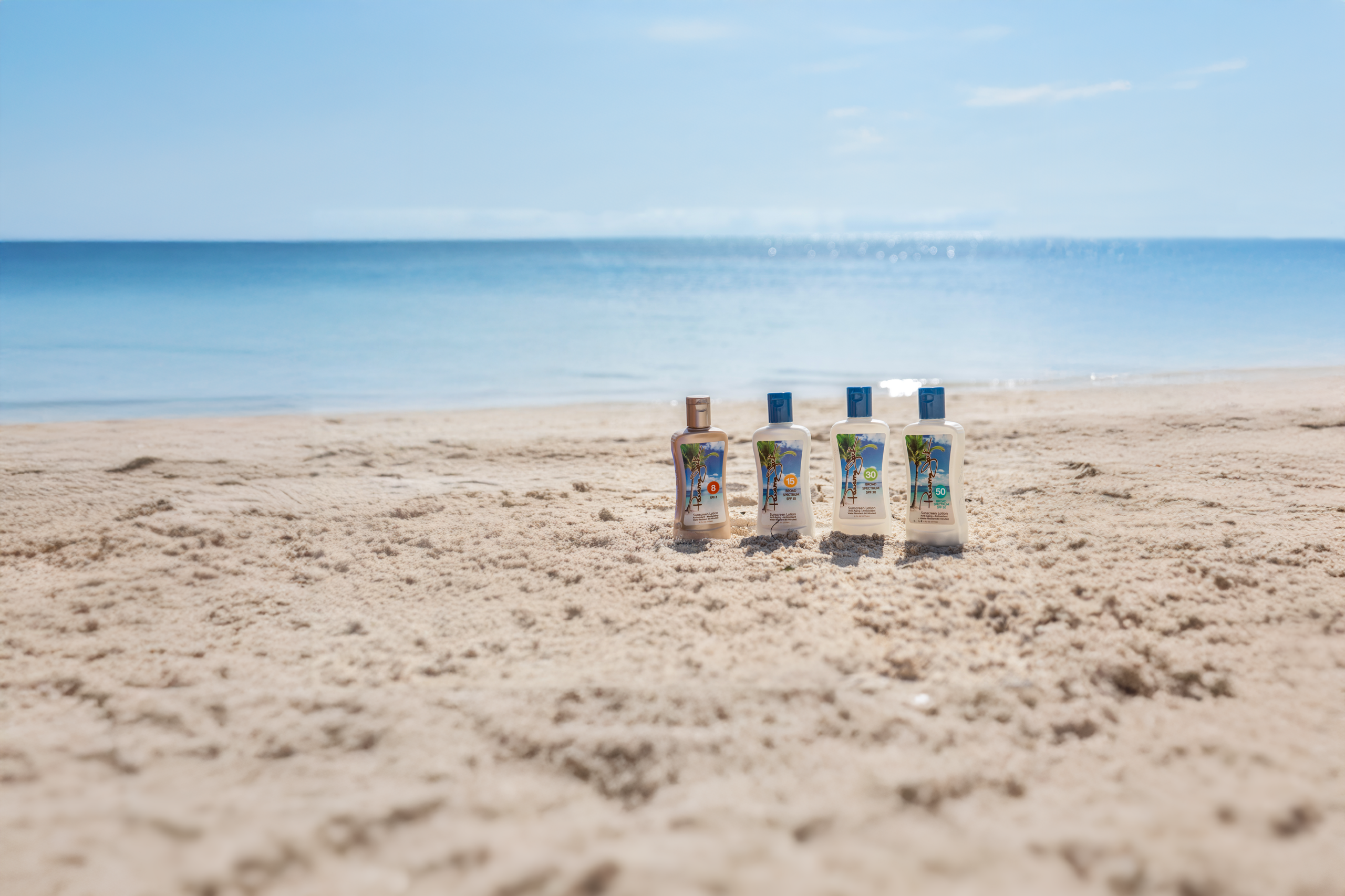
Lifeguards don't use SPF 4 or SPF 8 as their primary protection. The standard among experienced ocean guards is SPF 30 as the daily minimum, with SPF 50 for fair skin or peak UV hours. The misconception they encounter constantly: that high SPF prevents tanning. It doesn't — it slows the burn-versus-tan race. You can still develop significant color wearing SPF 30 or 50. You just don't fry the skin in the process.
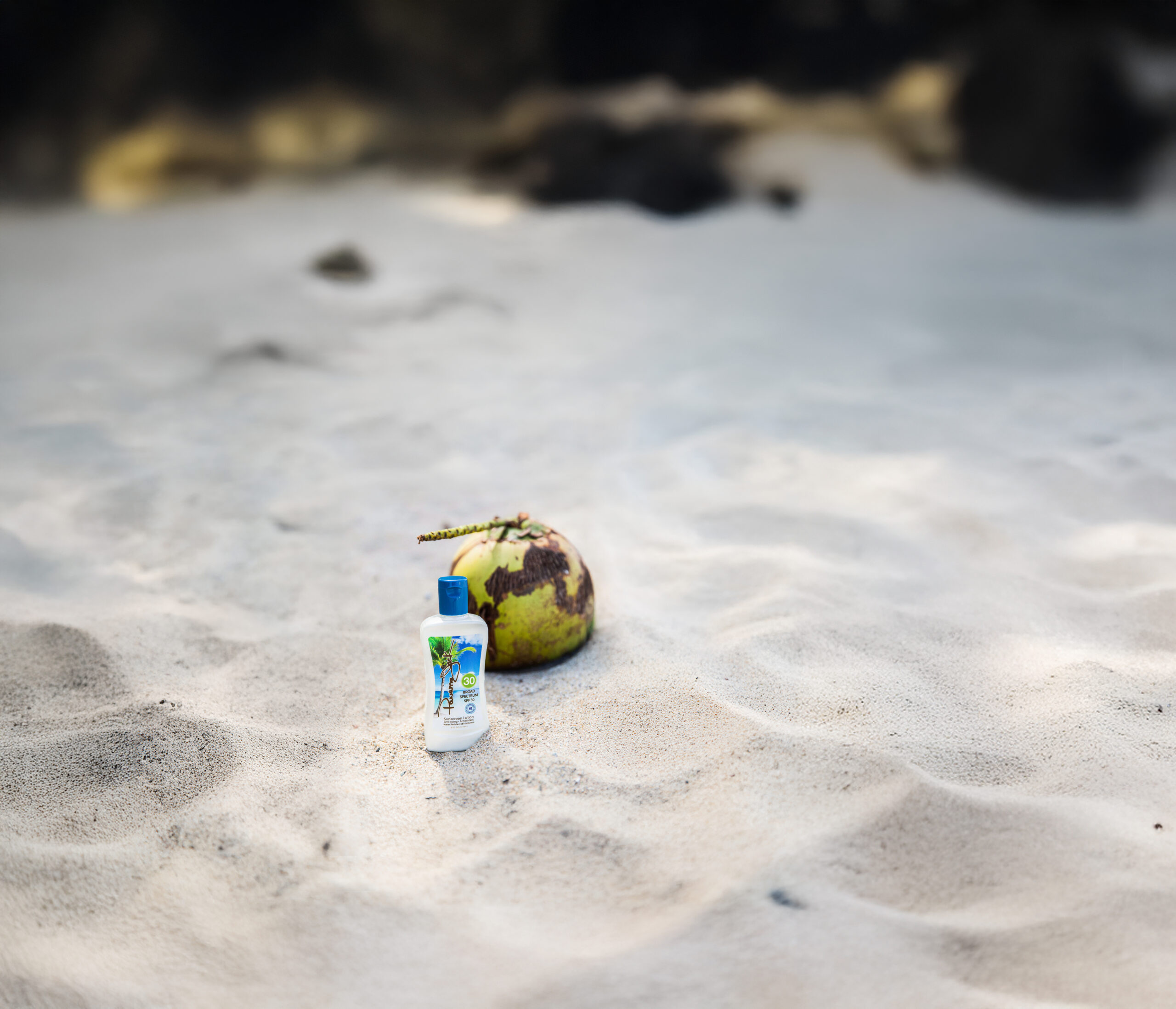
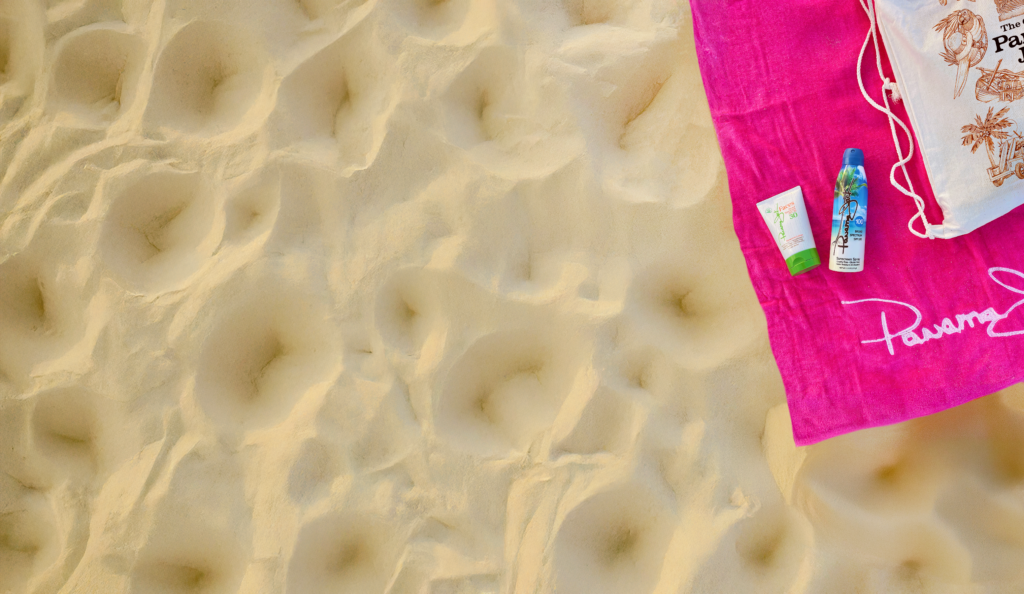
Panama Jack's tanning lotion and sunscreen range gives you exactly what lifeguards reach for — SPF 30 protection that doesn't prevent color, just prevents the burn.
3. Reapply Every 90 Minutes, Not Every Two Hours
The FDA says two hours. Experienced lifeguards say 90 minutes — and their reasoning is sound. On a beach, you're dealing with wind evaporating product, sand exfoliating sunscreen off skin, constant water contact, and intense sweating. Setting a 90-minute reapplication habit gives you a safety buffer for real-world conditions.
4. Use Physical Zinc on Your Nose and Lip Area
Every lifeguard's signature look is the white zinc stripe across the nose — and it's not aesthetic tradition. The nose, upper lip, and cheekbones are the areas with highest cumulative UV exposure on the face. Chemical sunscreens get wiped off by sweat and facial touch within an hour. Thick zinc oxide paste stays put and provides visible confirmation that coverage is maintained.
5. Hydration is Half the Tanning Strategy
Sun exposure dehydrates skin both topically and systemically. Dehydrated skin browns unevenly, peels more aggressively, and accumulates UV damage at higher rates. Experienced lifeguards drink water continuously throughout a shift and apply moisturizer to dry areas before the morning session begins. The most consistent, even tans belong to people with consistently hydrated skin.
6. Begin Your Day in Partial Shade
The smartest lifeguards position themselves thoughtfully in the first two hours of the day. Morning sun — before 10am — has a lower UV index, which means the same tanning benefit with lower burn risk. Spending the first couple of hours in light or partial shade allows melanin production to begin without the oxidative stress of peak UV intensity.
7. The 10-2 Rule is a Real Rule
The window between 10am and 2pm concentrates approximately 50% of a full day's UV radiation into four hours. Lifeguards who have scheduling flexibility consistently take breaks during this window. For recreational beachgoers: plan water activities or boardwalk exploration during peak hours, and your sun days will be both safer and more sustainable.
Panama Jack's tanning oil and lotion formulas are the classics lifeguards have reached for since the 1970s — the coconut-scented legacy formula and the full SPF-protected range.
Shop Panama Jack Tanning Oil & Lotion on Amazon →
8. After-Sun Lotion is Not Optional — It’s Recovery
Every experienced beach lifeguard has an after-sun routine as non-negotiable as morning sunscreen. Aloe vera gel and after-sun lotion are applied within 30 minutes of the end of each shift. UV damage continues to develop in skin cells for up to 24 hours after exposure ends. The after-sun routine interrupts that cascade with anti-inflammatory and repair-supporting ingredients.
9. Lip Protection is the Most Commonly Neglected Step
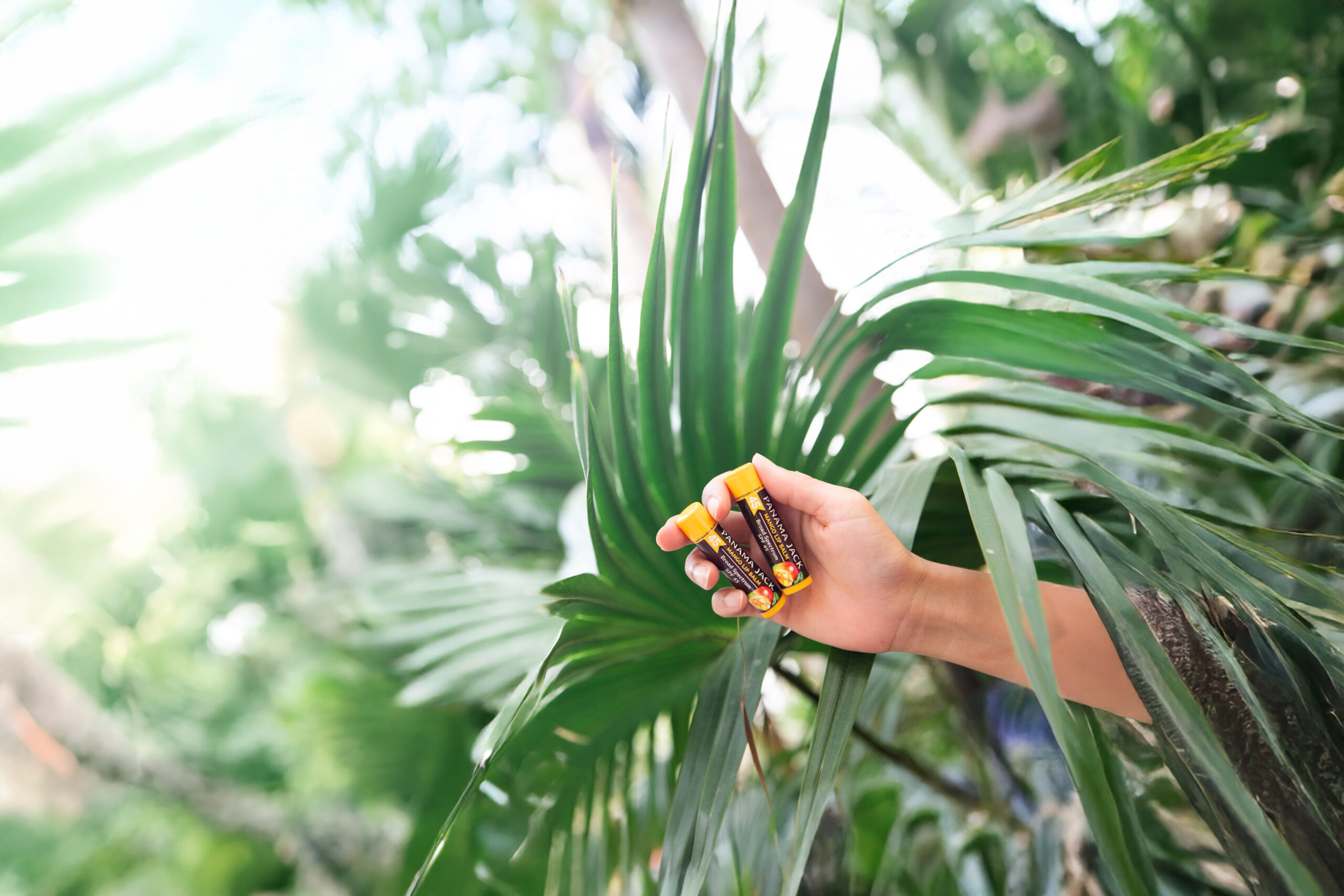
Ask any lifeguard what they forget most often: lip balm. Lip skin has no melanin and no ability to tan — it only burns. Consequences include not just painful chapping but a meaningfully elevated risk of actinic cheilitis, a precancerous condition caused by cumulative UV exposure to the lip border. Experienced guards apply SPF lip balm as automatically as they check their watch.
10. The Wide-Brim Hat is the Most Underused Tool on the Beach
A wide-brim hat provides more consistent UV coverage to the face, neck, and ears than any product you can apply — and it doesn't need reapplication. Lifeguards who adopt a wide-brim hat early in their career maintain noticeably better facial skin than those who don't. Combined with sunscreen, it closes every gap in your sun protection coverage.
Panama Jack's wide-brim hat collection has been the lifeguard's choice since the brand launched in 1974 — classic straw, safari, mesh, and boonie styles on Amazon.
Frequently Asked Questions
Can you still get a tan while wearing sunscreen?
Yes. SPF 50 filters approximately 98% of UVB rays, meaning 2% still reaches the skin — enough to trigger melanin production and develop color over time. The tan develops more gradually and safely than without sunscreen.
Is tanning oil safe to use?
Tanning oil with low SPF is safe for people who understand the tradeoff: it allows more UV penetration for faster color development at the cost of higher burn risk. Use low-SPF oils during early morning or late afternoon when UV intensity is lower. Panama Jack offers multiple SPF levels to match your skin type and sun tolerance.
- How to Tan Safely Without Damaging Your Skin
- Tanning Oil vs Tanning Lotion: What's the Difference?
- 10 Sun-Safe Habits That Dermatologists Practice Every Day

news via inbox
Regular updates right into your inbox every week!