Best After-Sun Care for Your Face: Gentle Formulas That Restore Glow
Your face gets more cumulative sun exposure than almost any other part of your body — and the skin there is thinner, more reactive, and significantly more prone to showing the effects of a long day in the sun. Redness, tightness, dehydration, and that vaguely crispy feeling are all signs that your skin is asking for something specific.
Regular after-sun body lotion doesn't always cut it for facial skin. The face needs gentler, more targeted formulas that calm inflammation without clogging pores, restore moisture without breaking out oily or acne-prone skin types, and support the delicate barrier that keeps your complexion looking healthy long-term.
Here's exactly what to do — and use — for your face after a day in the sun.
Why the Face Needs Its Own After-Sun Strategy
Facial skin has a higher density of sebaceous glands, more sensitivity to fragrance and active ingredients, and a thinner epidermal layer than body skin. It's also the area most likely to be partially unprotected throughout the day — even SPF-wearers often miss the hairline, ears, and lips.
The other factor: facial skin shows UV damage faster and more visibly. Redness, pigmentation changes, and accelerated fine lines all appear here first. A dedicated facial after-sun routine is one of the highest-return skincare habits you can build.
The 4-Step Facial After-Sun Routine
Step 1: Rinse With Cool Water
Before reaching for any product, rinse your face with cool (not cold) water. This removes salt, sweat, chlorine, and sunscreen residue while reducing surface temperature. Avoid hot water — it vasodilates and increases flushing in already-inflamed skin.
Step 2: Apply an Aloe-Based Facial Gel or Essence
The first product layer should be lightweight, water-based, and packed with anti-inflammatory ingredients. Look for formulas with aloe vera, centella asiatica, or cucumber extract as the primary active ingredients. Apply while skin is still slightly damp — this helps humectants draw moisture into the skin rather than pulling it out.
Step 3: Lock in Hydration With a Facial After-Sun Cream
After the first gel layer absorbs (2–3 minutes), apply a lightweight moisturizer containing panthenol, niacinamide, or hyaluronic acid. For the face, lightweight textures are key — heavy creams can trap heat and lead to milia or breakouts on already-stressed skin.
Step 4: Don’t Forget Lips
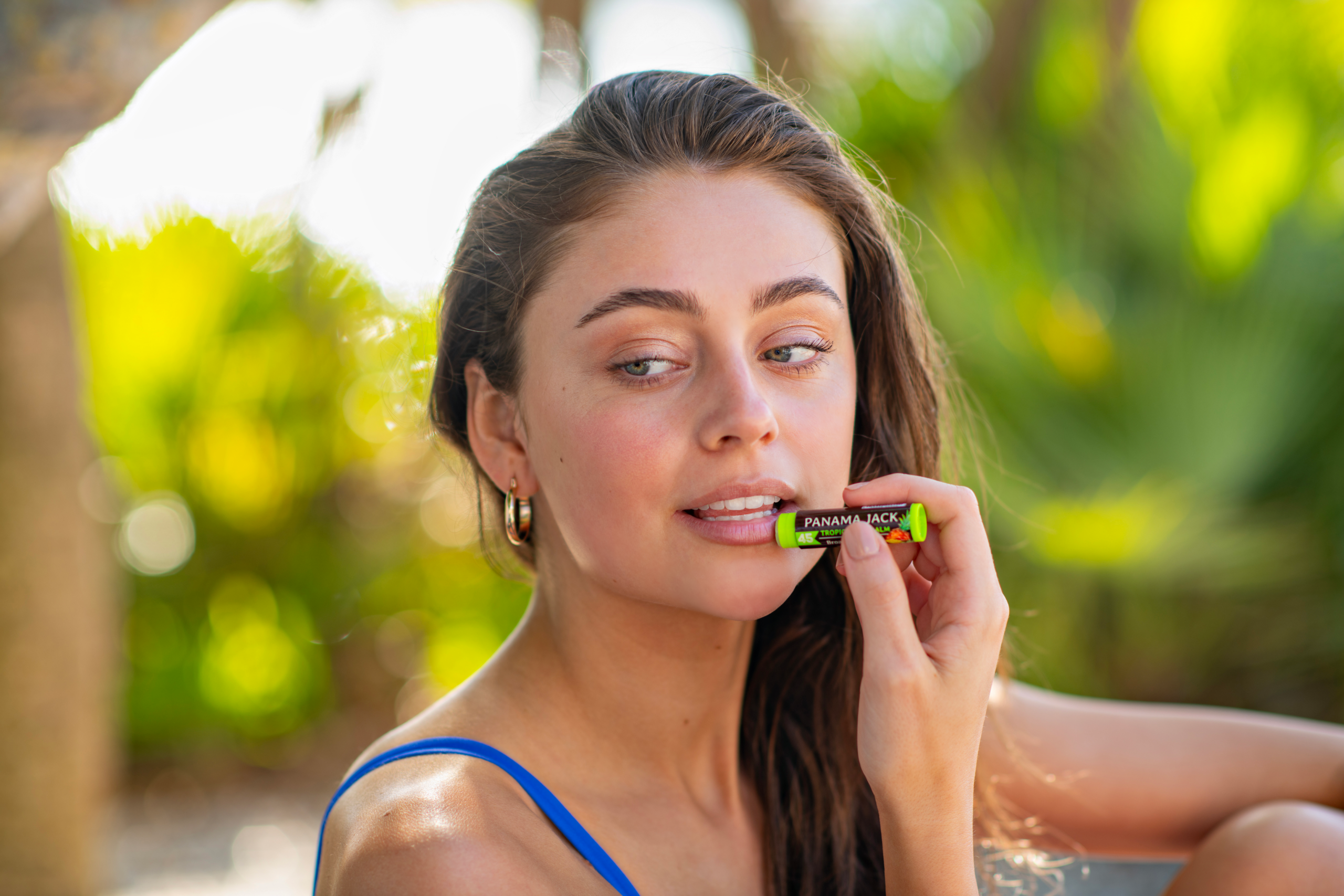
Lip skin has no melanin and no sweat glands — it's uniquely vulnerable to UV damage and uniquely quick to show dryness and damage after a sun-heavy day. Apply a nourishing SPF lip balm or a plain lip treatment with vitamin E immediately after sun exposure, and again before bed.
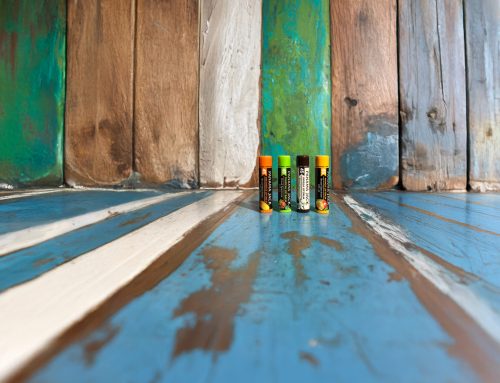
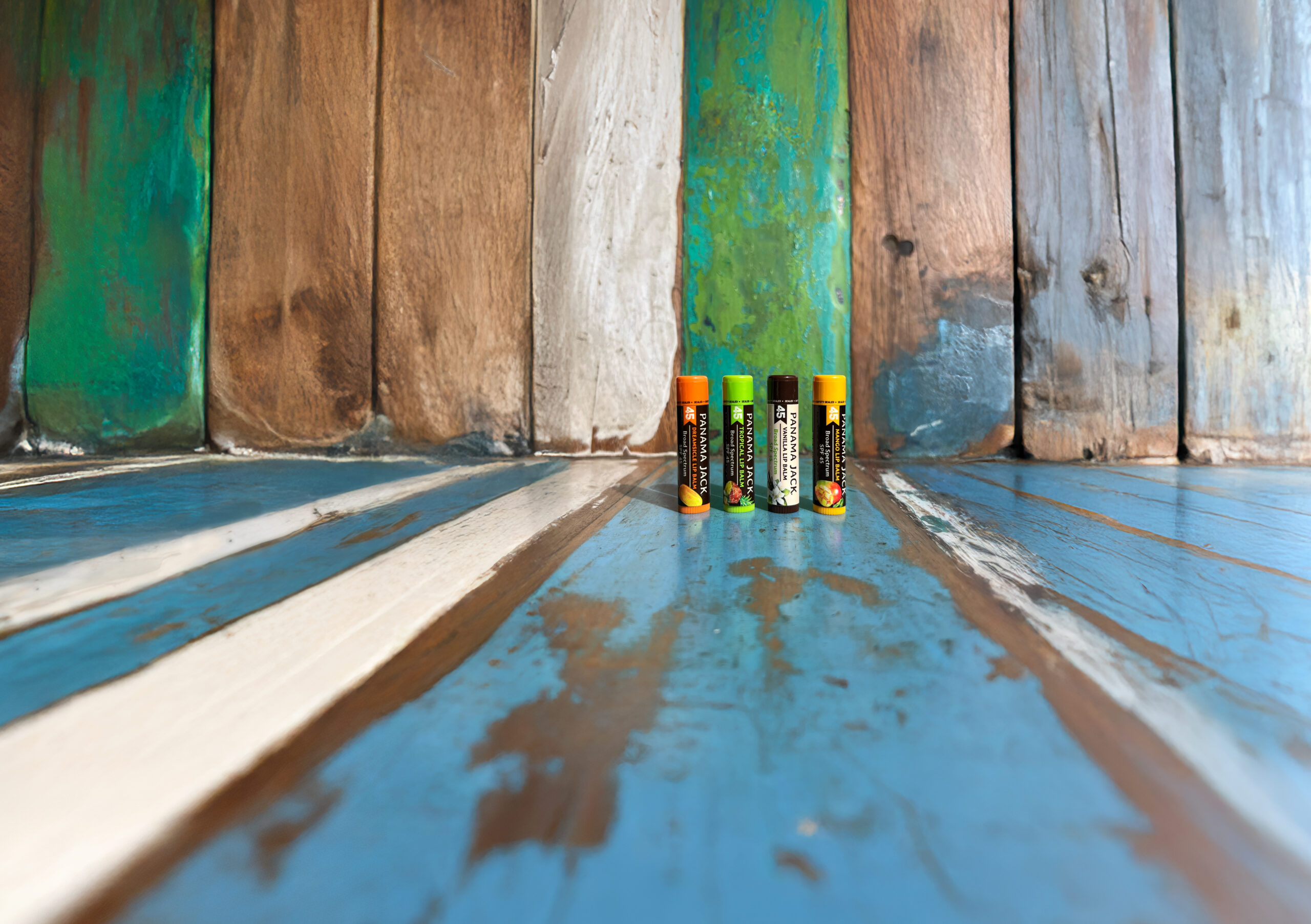
| Panama Jack SPF Lip Balm SPF 45 is the perfect companion to your facial after-sun routine — it protects and restores lip skin simultaneously. Available in a range of flavors including Dreamsicle, Vanilla, and Tropical on Amazon.
Shop Panama Jack SPF Lip Balm on Amazon → |
Ingredients Your Facial After-Sun Products Should Have
- Aloe vera (Aloe Barbadensis Leaf Juice) — immediate cooling and inflammation reduction
- Niacinamide — reduces post-sun redness and prevents pigmentation from sun exposure
- Centella Asiatica / Cica — supports skin repair and barrier reinforcement
- Hyaluronic Acid — deep rehydration without heaviness
- Panthenol (B5) — cell repair and moisture retention
- Ceramides — barrier restoration for compromised post-sun skin
What to Avoid on Your Face After Sun Exposure
- Retinol and AHAs/BHAs — these exfoliating and cell-turnover actives can cause severe irritation on UV-stressed facial skin. Skip them for at least 48 hours after significant sun exposure.
- Heavy, occlusive creams with mineral oil or petrolatum — these can trap heat and cause breakouts on already-stressed skin.
- Fragrance-heavy formulas — fragrances are one of the leading triggers of contact dermatitis, and the risk increases on post-sun skin with a compromised barrier.
- Exfoliating scrubs — absolutely contraindicated immediately after sun exposure. Sun-exposed skin is already turning over more rapidly; manual exfoliation adds unnecessary inflammation.
| Panama Jack's Aloe Vera Gel is a gentle, fragrance-forward formula that works beautifully as a first-layer facial after-sun product — just apply a small amount and let it absorb before layering your regular moisturizer on top. Shop on Amazon.
See Panama Jack Aloe Vera Gel on Amazon → |
A Word on Post-Sun Glow vs Damage
There's a reason people say they feel like they're 'glowing' after a sunny day — UV exposure briefly increases blood flow to the skin surface, creating that warm, flushed appearance many people associate with health and vitality. But that glow is, in part, an inflammatory response — the visible evidence of your skin working hard to manage the UV load it received.
Proper after-sun care doesn't dull the glow. It redirects the skin's energy from managing damage toward genuine restoration — which produces the kind of healthy radiance that lasts past the next morning.
| Frequently Asked Questions |
| Q: Can I use regular body after-sun lotion on my face?
A: You can use a small amount of a gentle, fragrance-free body after-sun lotion on your face in a pinch. However, formulas with fragrance, heavier emollients, or high alcohol content can cause breakouts or irritation on facial skin, especially after sun exposure has compromised the skin barrier. |
| Q: Should I apply after-sun care before or after my regular moisturizer?
A: Apply after-sun gel or treatment first, then follow with your regular lightweight moisturizer if needed. For heavily sun-exposed days, the after-sun formula often provides enough hydration on its own. |
| Q: How long should I wait after sun exposure before using active skincare?
A: Wait at least 24–48 hours before reintroducing retinol, AHAs, BHAs, or prescription actives like tretinoin to your facial routine. Stick to gentle, calming, hydrating products during this recovery period. |
| Q: Is it okay to put SPF on sunburned facial skin?
A: Yes — if you need to go outside the day after a burn, you absolutely should still apply SPF. Choose a gentle mineral formula (zinc oxide or titanium dioxide) to minimize the risk of further irritation on compromised skin. |
| Conclusion
Your face sees the most sun and shows its effects first. Give it the dedicated after-sun attention it deserves — a cool rinse, an aloe-based first layer, a lightweight hydrating second layer, and never forget your lips. Panama Jack's SPF lip balm range and aloe vera gel are both built for this routine. Find them on Amazon. |