Beach Sun Protection: The Complete Guide to Staying Safe in the Sun
Beach sun protection is one of the areas where good intentions most consistently fail in practice. People bring sunscreen to the beach, apply it once, and believe they are covered for the day. The reality — sweating, swimming, sand abrasion, and the simple fact that most people don't reapply on the 90-minute schedule — is that beach sun protection without a system produces significant UV exposure despite good intentions. This guide outlines a complete beach sun protection approach that actually works.
The Beach UV Environment | The System Approach | The Wide-Brim Hat | Sunscreen at the Beach | Lip Protection | The Reapplication Schedule | Shade Strategy | FAQ
The Beach UV Environment
Several factors combine to make the beach a high UV-accumulation environment that standard urban sun protection habits do not adequately address:
- UV intensity: peak beach hours (10 AM to 3 PM) coincide with the highest UV index of the day
- Sand reflection: dry sand reflects 15-25% of UV upward, creating reflected UV exposure from below in addition to direct overhead UV
- Water reflection: ocean and pool water reflects 10% of UV upward — relevant for anyone near the water
- Duration: beach days typically run 4-8 hours, accumulating UV over a period that far exceeds most urban outdoor exposure
- Physical activity: swimming and beach activities remove sunscreen faster than the 90-minute reapplication window assumes
The System Approach
Effective beach sun protection requires a system of overlapping protections rather than a single product:
- Wide-brim hat: passive, continuous UV reduction to face and neck; works regardless of reapplication timing
- SPF 30-50 sunscreen: applied 20-30 minutes before sun exposure; reapplied every 80-90 minutes and after swimming
- SPF 45 lip balm: applied before beach arrival; reapplied after eating, drinking, and swimming
- UPF-rated swim or cover-up fabric: for extended beach days, a UPF 50 rash guard reduces the total body area requiring sunscreen reapplication
- Shade timing: using umbrella, canopy, or natural shade during peak UV hours (11 AM to 2 PM) reduces cumulative dose without requiring any product application
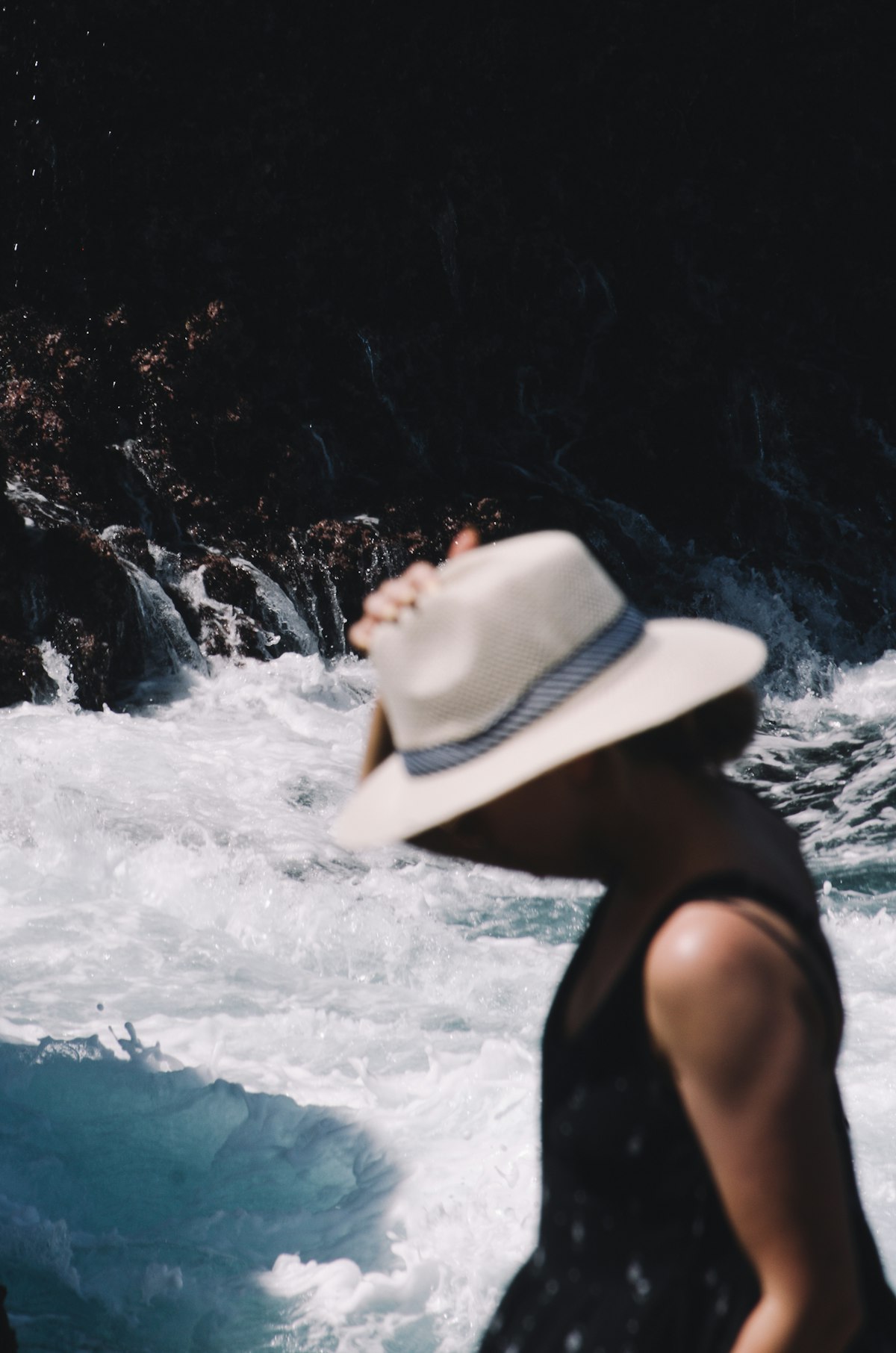
Panama Jack Wide-Brim Hat + SPF 45 Lip Balm + Sunscreen — the complete beach sun protection system. Available on Amazon.
The Wide-Brim Hat at the Beach
The hat's beach sun protection role is unique among the system components: it is the only element that works passively and continuously without any reapplication. A 3.5-4 inch all-around brim reduces face UV by 55-70% throughout the entire time it is worn. Even if the wearer fails to reapply sunscreen on schedule, the hat maintains its UV reduction function from first wear to end of day. For the face and neck specifically, consistent hat wearing over a beach day provides more reliable UV reduction than sunscreen applied once and not reapplied.
Sunscreen Application at the Beach
- Apply SPF 30+ (SPF 50 for high-UV days, fair skin, or children) 20-30 minutes before sun exposure
- Cover all exposed skin including ears, back of neck, back of hands, tops of feet if barefoot
- Use approximately 1 ounce (a shot glass amount) for full body coverage — most people apply 25-50% of the needed amount
- Reapply every 80-90 minutes and immediately after swimming or heavy sweating
- Water-resistant formulas rated for 80 minutes maintain protection through swimming better than standard formulas
SPF Lip Balm: The Gap That Most People Miss
Lips are one of the most UV-sensitive areas of the face and one of the most frequently unprotected at the beach. The lip area has less natural melanin protection than the rest of the skin; the lower lip is exposed to both direct overhead UV and reflected UV from sand and water; and lips are frequently in contact with food, drinks, and swimming that remove any applied product quickly. Panama Jack SPF 45 lip balm applied before beach arrival and reapplied after every meal, drink, and swim session provides 97.8% UVB protection — the most easily overlooked high-value step in a complete beach sun protection approach.
Panama Jack SPF 45 Lip Balm Multi-Pack — one in the beach bag, one in the cooler, one at the towel. Available on Amazon.
Frequently Asked Questions
Is it possible to get a sunburn while wearing sunscreen at the beach?
Yes, and it is common. Sunscreen at the beach fails primarily through inadequate initial application (not enough product), non-reapplication after swimming, and delayed application (putting it on after arriving in the sun rather than 20-30 minutes before). A wide-brim hat reduces the impact of these gaps by providing continuous passive face protection regardless of sunscreen application status.
What SPF level should I use at the beach?
SPF 30 is the minimum dermatologist recommendation for beach use (blocks 96.7% of UVB). SPF 50 (blocks 98%) is appropriate for fair skin, children, high-UV days, and any situation involving prolonged beach time. The difference between SPF 30 and SPF 50 is meaningful in beach conditions; above SPF 50, incremental gains are minimal.
- The Best Sun Hat for the Beach: What to Look For and How to Choose
- Hat + Sunscreen: How to Build the Ultimate Two-Part Sun Defense
- When to Reapply SPF Lip Balm: After Eating, Swimming, and More