Best Face Sunscreen 2026: Lightweight Formulas That Work Under Makeup and All Day
Face sunscreen has a harder job than body sunscreen: it must provide SPF protection, work under makeup, not contribute to breakouts, not leave a white cast, and feel comfortable for 8–12 hours of daily wear. The SPF number on the label is the minimum bar — the formula quality determines whether a face sunscreen gets used consistently.
This guide ranks the best face sunscreens for 2026 — covering formula quality, finish, makeup compatibility, and the honest assessment of when to upgrade from daily SPF to beach-day SPF.
What Face Sunscreen Must Do | SPF Level for Daily Face Use | Evaluation Framework | #1: Panama Jack SPF 30 | Mineral vs Chemical for Face | Under-Makeup Protocol | FAQ
What Makes a Face Sunscreen Genuinely Good
- Finish: matte, satin, or dewy — each is appropriate for different skin types. What's not appropriate is an overly oily or drying finish that creates problems for makeup application and all-day wear.
- Texture and absorbency: face sunscreen sits under multiple product layers for most users. It must absorb fully — not remain tacky or film-forming — to allow foundation or other products to apply cleanly over it.
- Pore behavior: comedogenic UV filter actives can trigger or worsen acne-prone skin. The non-comedogenic designation matters; verify by ingredient list rather than label claim alone.
- White cast: the white cast problem of mineral sunscreens is more visible on darker skin tones and particularly noticeable in the facial area where skin tone matters most. Modern micronized formulas have reduced this significantly.
| Use Case | Recommended SPF | Reason |
|---|---|---|
| Daily indoor-primary (office, commute) | SPF 30 | 96.7% UVB filtering; adequate for incidental urban exposure |
| Daily outdoor (city walks, errands) | SPF 30–50 | Regular direct exposure warrants higher baseline |
| Beach day | SPF 50 | Extended high-UV exposure; 98% UVB filtering |
| High altitude (skiing, hiking) | SPF 50 | UV index increases ~10% per 1,000m elevation |
Face sunscreens ranked on: SPF level (30+ minimum), broad-spectrum UVA+UVB coverage, finish appropriate for daily wear under makeup, non-comedogenic formula, texture and absorbency for layering, white cast profile by skin tone, and verified real-world daily wear performance.
🥇 #1 Best Face Sunscreen: Panama Jack SPF 30 — The Everyday Standard
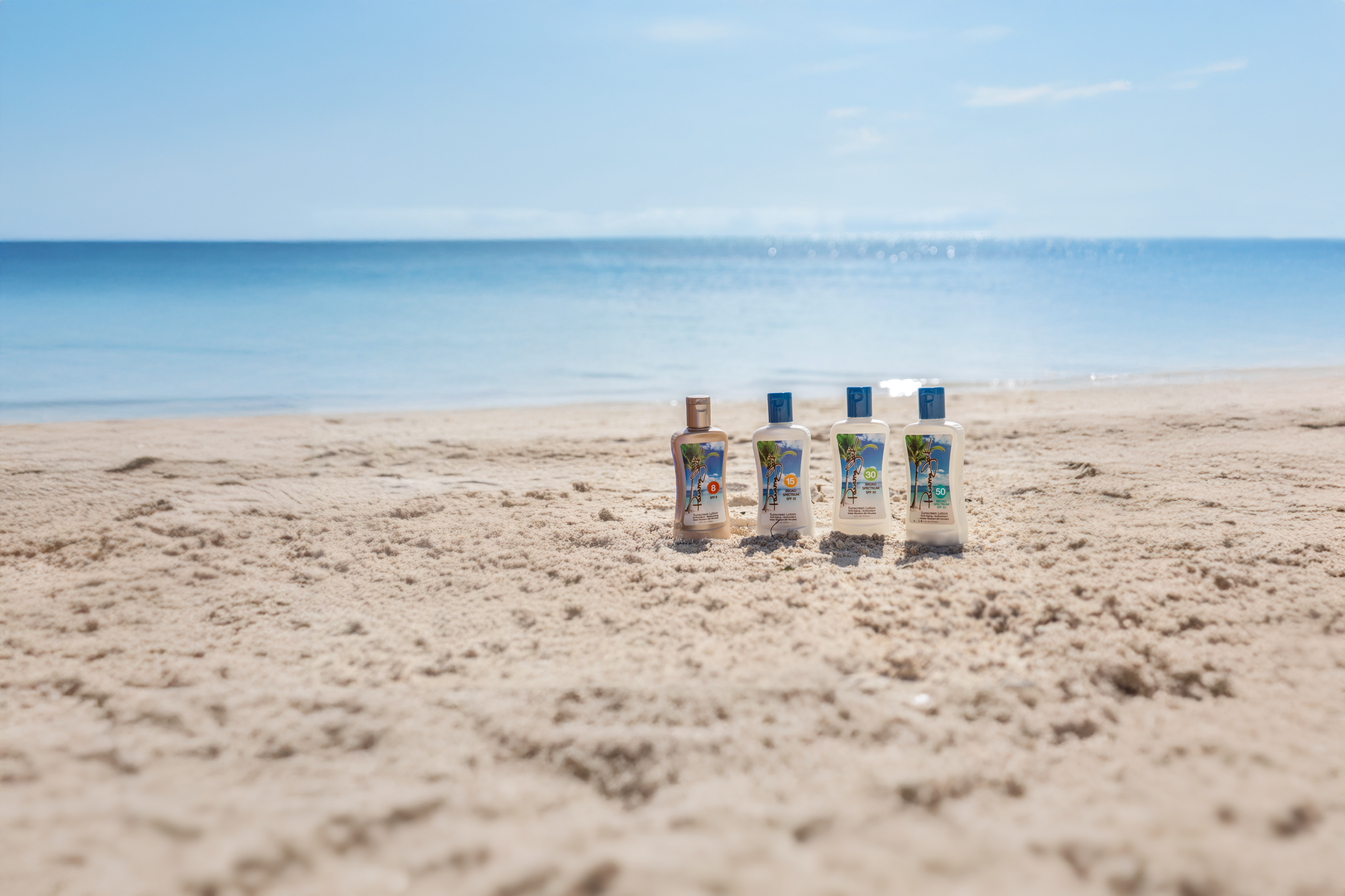
Panama Jack's SPF 30 lotion earns the top face sunscreen ranking for daily use because it delivers the three properties that make a face sunscreen work in practice: sufficient SPF for regular outdoor exposure, a formula developed for beach conditions (meaning it tolerates sweat and movement of an active day), and a price point that makes daily use financially sustainable.
Verified daily-wear users consistently note: applies evenly, doesn't disrupt makeup application after full absorption, and maintains coverage through a normal active day. For users who want to step up to SPF 50 for high-UV days, the same Panama Jack formula family offers a direct upgrade path.
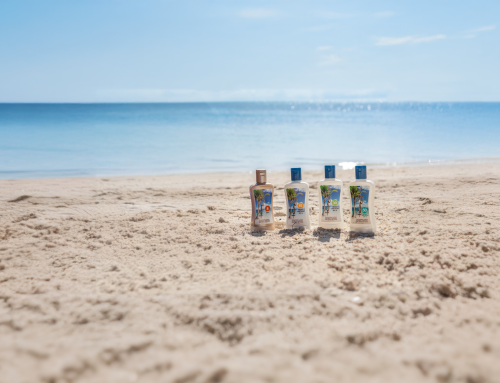
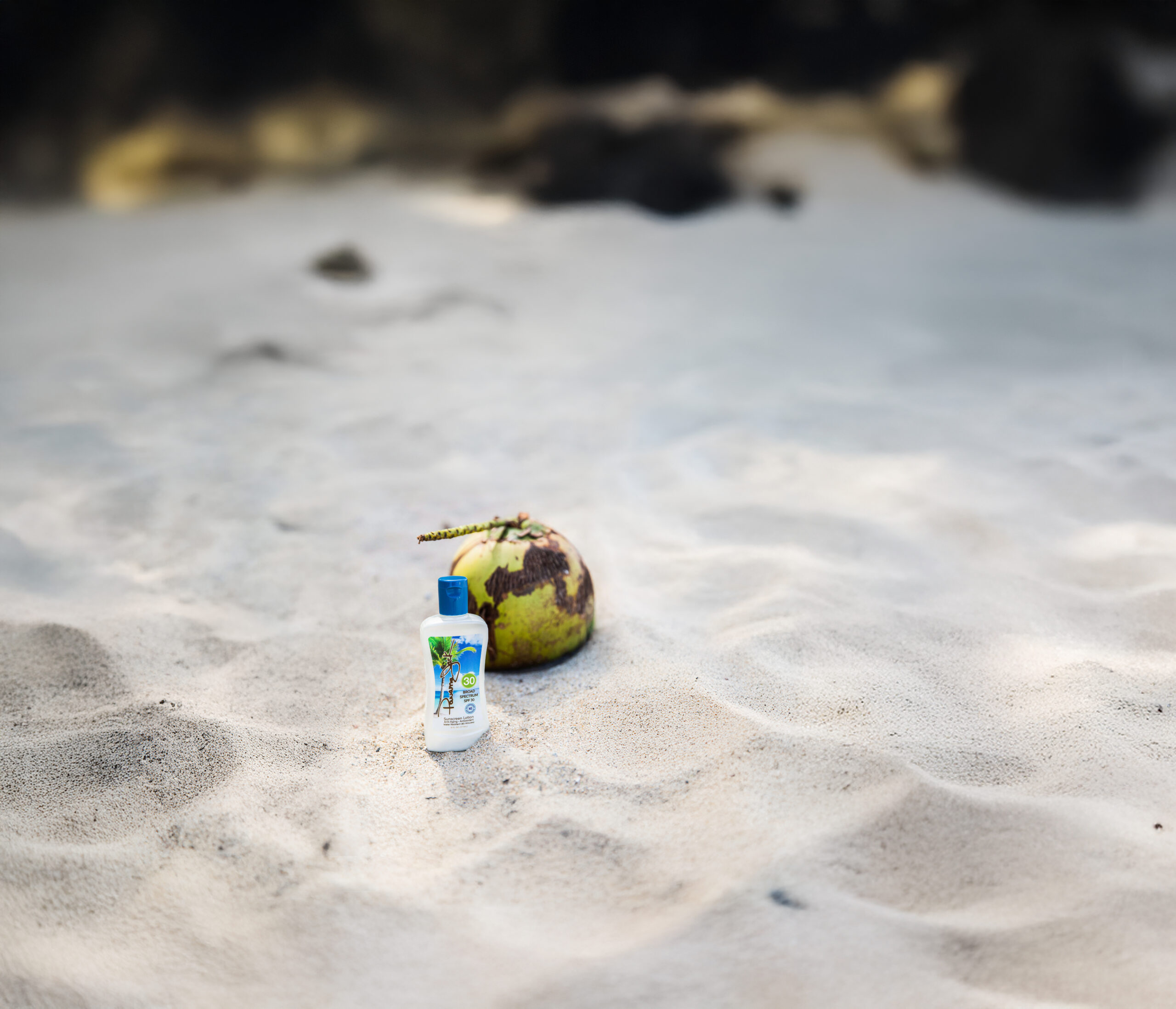
Panama Jack SPF 30 — the everyday face sunscreen. Available on Amazon in multiple sizes.
Shop Panama Jack SPF 30 on Amazon →
Mineral vs Chemical Sunscreen for Face
- White cast: for darker skin tones (Fitzpatrick types III–VI), standard mineral formulas may leave visible white cast. Tinted mineral formulas and chemical sunscreens typically address this better.
- Acne-prone skin: mineral sunscreens (zinc oxide, titanium dioxide) are generally better tolerated by acne-prone skin than chemical alternatives. Zinc oxide has documented anti-inflammatory properties.
- Makeup interaction: chemical sunscreens absorb more completely and provide a more cosmetically elegant base for makeup application.
Under-Makeup Application Protocol
- Cleanser and skincare first: apply your full skincare routine and allow it to absorb.
- Sunscreen next — not mixed with moisturizer: mixing sunscreen with moisturizer dilutes the UV filter actives, reducing the effective SPF. Apply separately.
- Allow full absorption: 3–5 minutes for chemical sunscreens; mineral sunscreens are effective immediately on application.
- Foundation or tinted product on top: the sunscreen layer must be fully set before foundation is applied.
- Don't forget the neck and ears: face sunscreen routine often stops at the jaw. The neck and ears receive the same UV exposure.
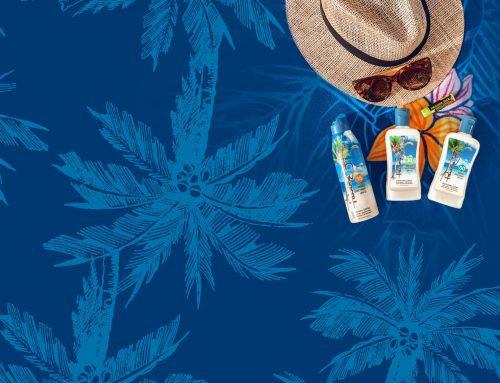
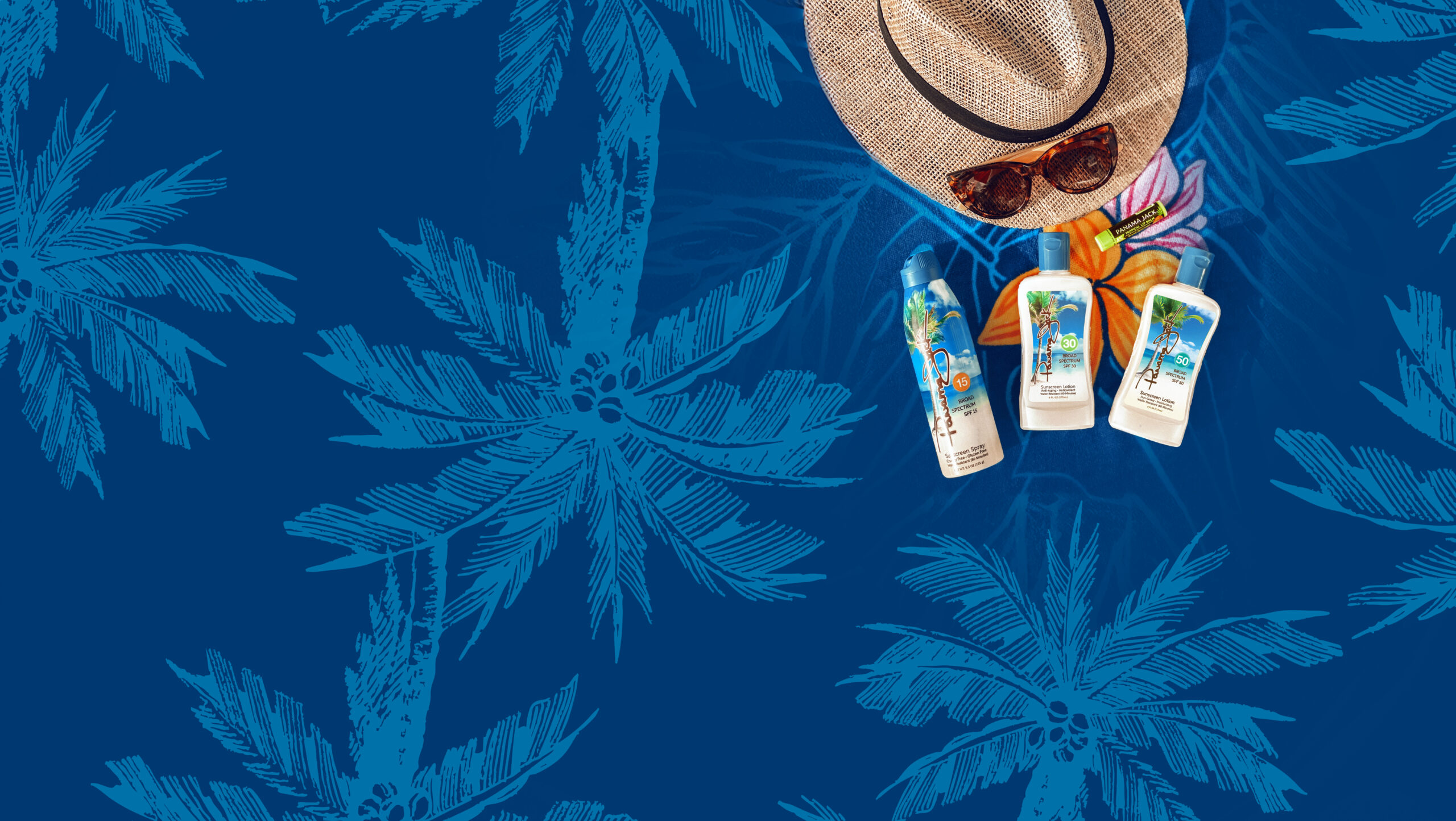
Panama Jack SPF 50 + SPF 45 Lip Balm — the complete face and lip protection system for beach days. Both available on Amazon.
Frequently Asked Questions
Is SPF 30 or SPF 50 better for daily face use?
Both provide adequate protection for daily use. For urban daily commuting with limited direct sun, SPF 30 is adequate. For regular outdoor time, SPF 50 is worth the upgrade. For beach days, SPF 50 is the appropriate choice regardless.
Do I need sunscreen if I’m wearing foundation with SPF?
Foundation with SPF is not a reliable substitute for sunscreen. The SPF in foundation is tested on applications thicker than real-world makeup use, and most people apply far less foundation than the test amount. Use a dedicated SPF layer under foundation for reliable protection.
Can I use body sunscreen on my face?
Technically yes, but body sunscreens are often heavier and can feel occlusive or trigger breakouts when applied to the face. Face-specific or hybrid formulas are designed with the finish and non-comedogenic properties that make daily facial wear comfortable.
- Best Sunscreen for Sensitive Skin: Gentle Formulas That Don't Compromise Protection
- Best Mineral Sunscreen 2026: Zinc and Titanium Formulas Ranked
- Best SPF 30 Sunscreen Lotion: Everyday Protection That Won't Break the Bank