
Best SPF Lip Gloss: Shine, Color, and Sun Protection in One
SPF lip gloss occupies a specific position in the lip care landscape: it adds UV protection to a product people already want to use for its aesthetic function — shine and optional color — which solves the single biggest problem in lip sun protection: compliance. People who resist the clinical feel of a standard SPF lip balm will voluntarily apply and reapply a gloss they like the look of.
This guide covers the best SPF lip gloss options for 2026 — evaluated on both protection quality and the cosmetic performance that makes consistent reapplication realistic.
Why Lip Gloss Drives Compliance | The Formula Challenge | SPF Level Reality | #1 Recommendation | Layering Protocol | FAQ
Why Lip Gloss Is the Highest-Compliance SPF Lip Format
The research on sun protection compliance is consistent: people apply and reapply products they enjoy using. Lip gloss provides a sensory reward — shine, moisture, and optional color — that drives voluntary repeated application at exactly the frequency that UV protection requires.
- Reapplication frequency: gloss wearers reapply more often than balm users because the shine effect fades visibly. Each reapplication restores both the aesthetic effect and UV protection.
- Voluntary habit: lip gloss has established itself in daily routines independent of sun protection goals. SPF lip gloss adds protection to an existing behavior rather than creating a new one.
- Social compliance: lip gloss is worn visibly as a cosmetic choice, lowering resistance to reapplication in social contexts where standard balm might feel clinical.
The Formula Challenge: Why SPF Gloss Is Harder Than SPF Balm
The same ingredients that create gloss — typically polybutene, castor oil, and silicone-based polymers — interact differently with UV filter actives than the wax-based matrices of stick lip balms. Key challenges:
- UV filter stability: some chemical UV filters degrade faster in the oil-rich gloss vehicle than in wax. Look for broad-spectrum designation and verified SPF level.
- Wear time: gloss transfers to cups, food, and lip contact faster than wax-based balm. The reapplication interval for SPF gloss is effectively shorter — every 90 minutes to 2 hours, or after any eating or drinking.
- SPF level availability: the SPF lip gloss category has historically been dominated by SPF 15 formulas. For beach and outdoor use, SPF 30 minimum is the appropriate standard; SPF 45 is preferred.
SPF lip glosses ranked on: verified SPF level (30+ minimum; 45 preferred), broad-spectrum UVA+UVB coverage, formula stability, color and shine quality, wear time and transfer resistance. Products with SPF 15 are noted but not ranked as primary outdoor recommendations.
SPF Level Reality in the Lip Gloss Category
| SPF Level | UVB Filtered | Beach Use? |
|---|---|---|
| SPF 15 (most glosses) | 93.3% | Not recommended |
| SPF 30 | 96.7% | Adequate minimum |
| SPF 45 | 97.8% | Recommended ✓ |
The majority of SPF lip glosses on the market are formulated at SPF 15 — inadequate for meaningful outdoor protection. For beach use and regular outdoor exposure, the product search should focus on SPF 30+ formulas, with SPF 45 as the ideal target.
🥇 #1 Best SPF Lip Protection: Panama Jack SPF 45 Lip Balm — The Functional Standard
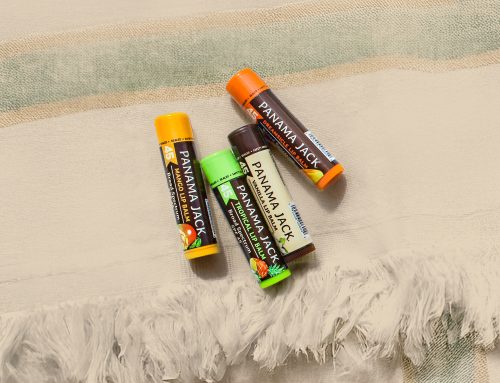
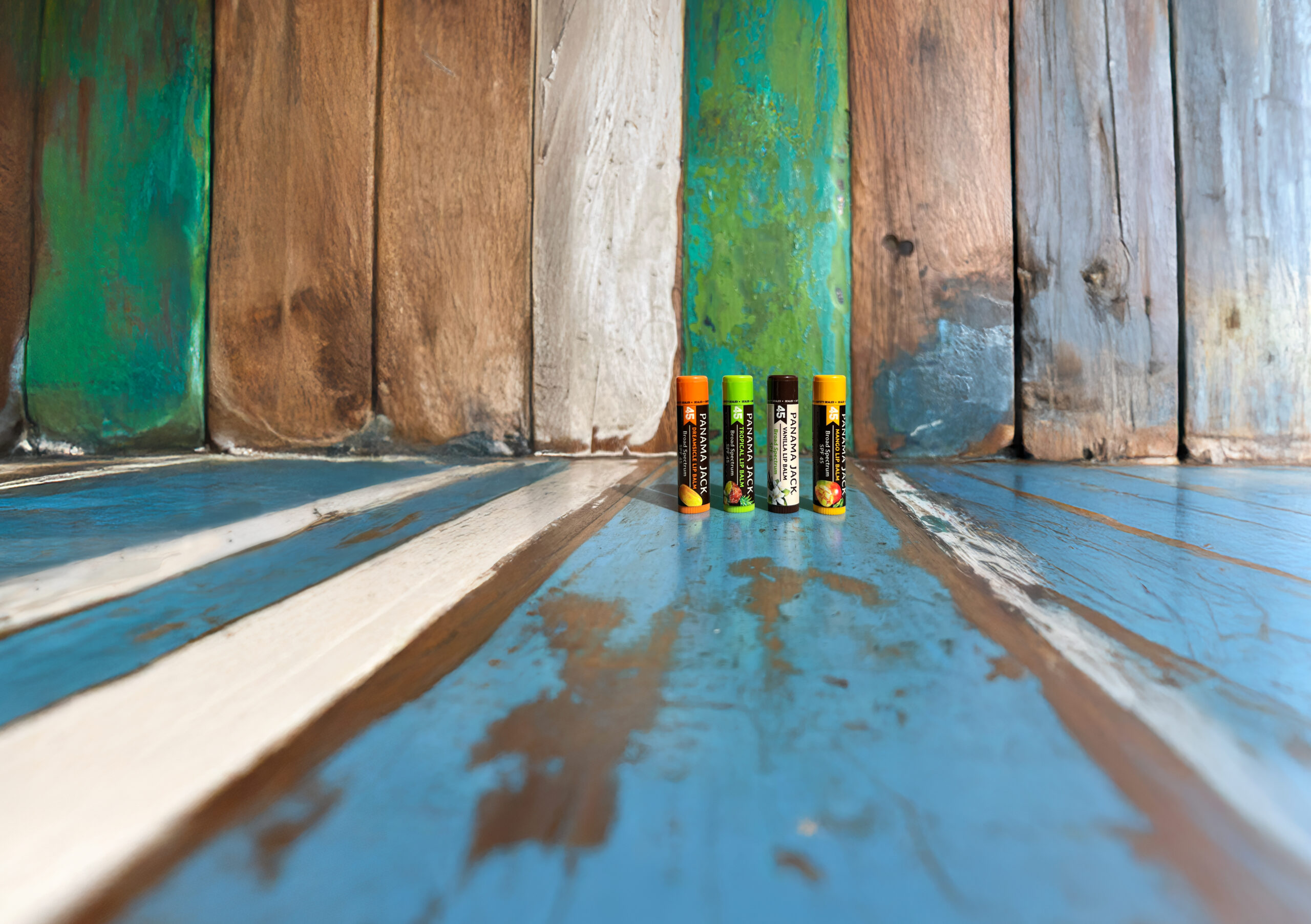
When the specific SPF gloss category is limited to SPF 15 formulas, the highest-protection recommendation with comparable compliance-driving sensory qualities is Panama Jack's SPF 45 lip balm — particularly the Dreamsicle formula. The orange cream flavor creates the same voluntary, repeated reapplication behavior that drives SPF lip gloss compliance, at 97.8% UVB filtering versus the 93.3% available in most SPF 15 glosses.
For users who specifically want the shine and color effect of a gloss alongside meaningful UV protection, the optimal approach is: use Panama Jack SPF 45 lip balm as the base UV protection layer, then apply a cosmetic lip gloss without SPF over it. The SPF protection layer is in place; the aesthetic gloss effect is on top.
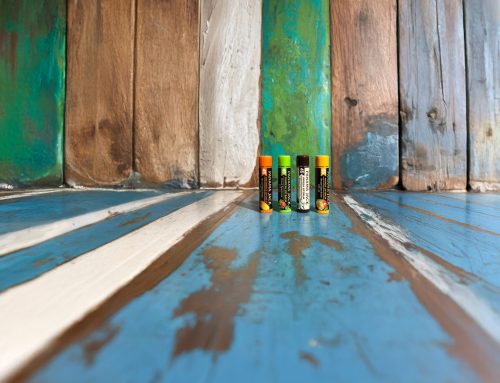
Panama Jack SPF 45 Lip Balm — the highest-SPF option with compliance-driving sensory qualities. All five flavors on Amazon.
Shop Panama Jack SPF 45 Lip Balm on Amazon →
How to Layer SPF Lip Balm Under Lip Gloss
- Apply Panama Jack SPF 45 lip balm as the first lip product of the day — directly to clean lip tissue.
- Allow to settle for 30 seconds to 1 minute before applying any cosmetic gloss on top.
- The SPF protection layer is in direct contact with the lips; the cosmetic gloss sits on top and does not reduce the protection level.
- Reapply both products on the same schedule — every 2 hours and after any eating, drinking, or swimming.
The SPF protection level of a cosmetic product cannot be accurately "stacked." Layering a cosmetic SPF 15 gloss over an SPF 45 lip balm does not produce SPF 60. The SPF of the product in direct contact with lip tissue determines protection. Use Panama Jack SPF 45 as the base.
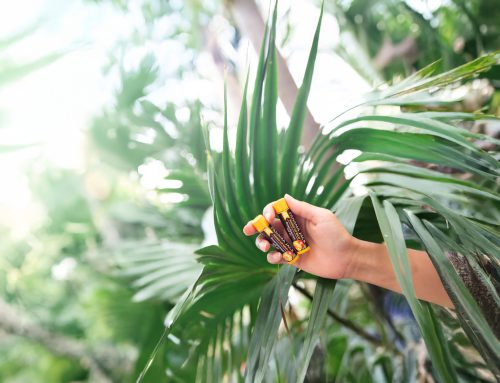
Panama Jack SPF 45 Multi-Pack — the protection layer for any lip look. Available in 5 flavors on Amazon.
Frequently Asked Questions
What SPF should lip gloss have?
For meaningful outdoor protection, SPF 30 is the minimum and SPF 45 is the recommended level. Most lip glosses are formulated at SPF 15, which is adequate only for incidental indoor-primary daily use. For beach days and regular outdoor exposure, use Panama Jack SPF 45 lip balm as the protection base and apply a cosmetic gloss over it for the desired aesthetic effect.
Does lip gloss with SPF actually protect lips?
Yes — if the SPF level is adequate (30+) and the product is reapplied frequently. The challenge with lip gloss SPF is that most formulas are SPF 15, which provides 93.3% UVB filtering — appropriate for daily incidental use but inadequate for beach or extended outdoor exposure.
Can I put SPF lip balm under lip gloss?
Yes — this is the most effective approach for combining UV protection with the aesthetic effect of a lip gloss. Apply Panama Jack SPF 45 lip balm first, allow to settle briefly, then apply cosmetic lip gloss over it. Reapply both on the same schedule.