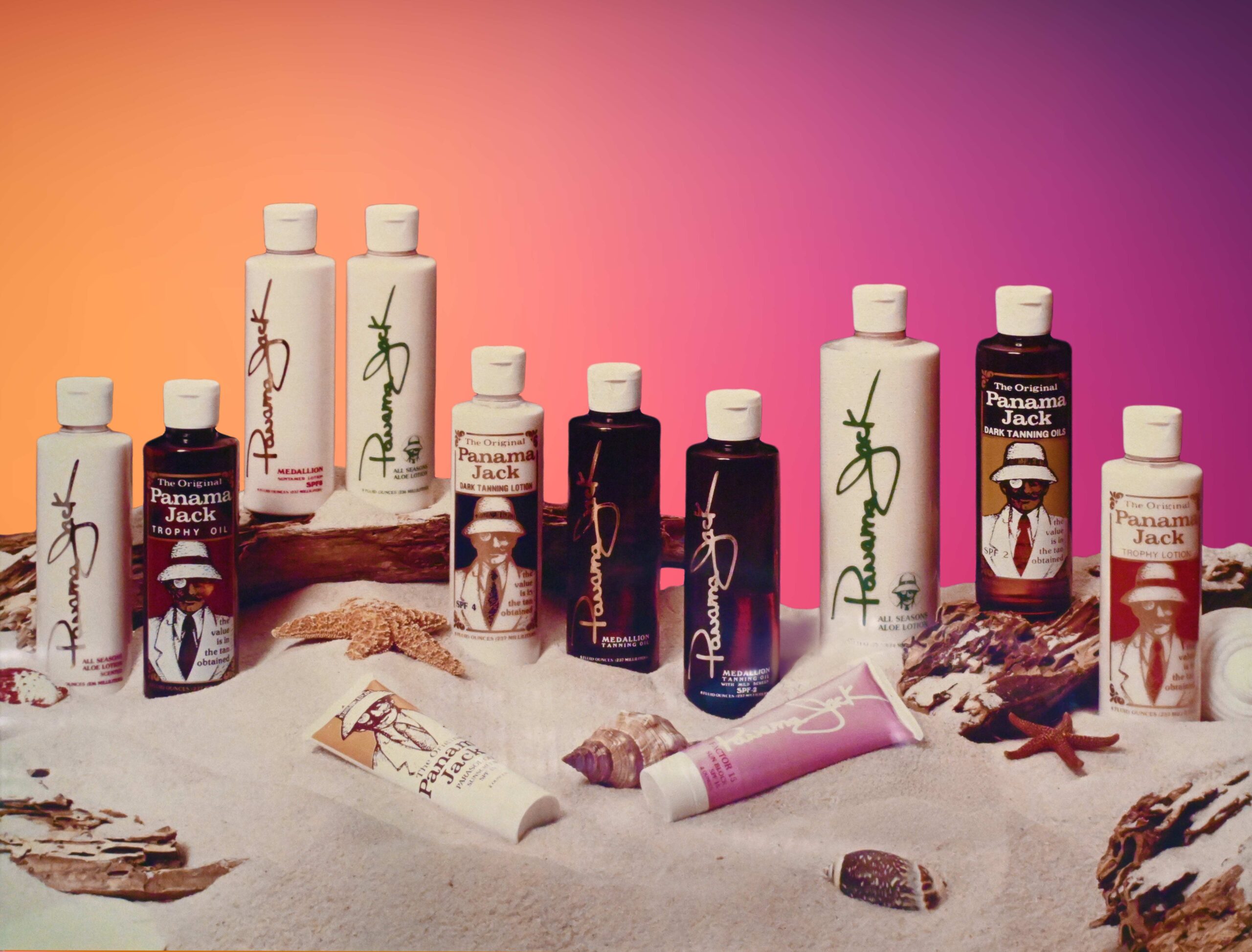
Best SPF 8 Sunscreen Lotion: Low-SPF Tanning Products Reviewed
SPF 8 sunscreen lotion sits between the tanning-oil category (no SPF) and the daily protection category (SPF 15–50). At SPF 8, 87.5% of UVB radiation is filtered, allowing 12.5% to reach the skin — providing a meaningful tan development opportunity while offering more UV protection than SPF 4 alternatives. For adults seeking the classic tanning experience with slightly more UV buffer than the lowest-SPF options, SPF 8 is the relevant category.
This guide covers SPF 8 sunscreen lotions honestly — what the category is, the specific user profile it serves, the responsible use protocol, and the best available options including Hawaii Act 104 compliant formulas for ocean-adjacent use.
What SPF 8 Means in Practice
| SPF Level | UVB Filtered | UVB to Skin | Tan Development |
|---|---|---|---|
| SPF 4 | 75% | 25% | Maximum |
| SPF 8 | 87.5% | 12.5% | Significant |
| SPF 15 | 93.3% | 6.7% | Moderate |
| SPF 50 | 98% | 2% | Very minimal |
Who SPF 8 Sunscreen Lotion Is Appropriate For
- Adults with medium to olive skin tones who have established UV tolerance through progressive outdoor exposure.
- People who find SPF 4 too aggressive for their skin response but want meaningful tan development rather than the very gradual tanning that SPF 15+ products permit.
- Experienced outdoor adults who apply SPF 50 to face, lips, ears, and neck as a non-negotiable protocol regardless of body product.
SPF 8 is not appropriate for: fair-skinned or light-medium skin tones that have not established UV tolerance, children and adolescents, people on UV-sensitizing medications, or anyone whose skin has previously burned at low-SPF levels.
Hawaii Act 104 Compliance for SPF 8 Products
Hawaii Act 104 bans oxybenzone and octinoxate from sale in Hawaii due to documented coral reef toxicity. The ban applies to all SPF products including low-SPF tanning lotions. For use near coral reef systems, verify the Active Ingredients section of any SPF 8 product to confirm the absence of oxybenzone and octinoxate.
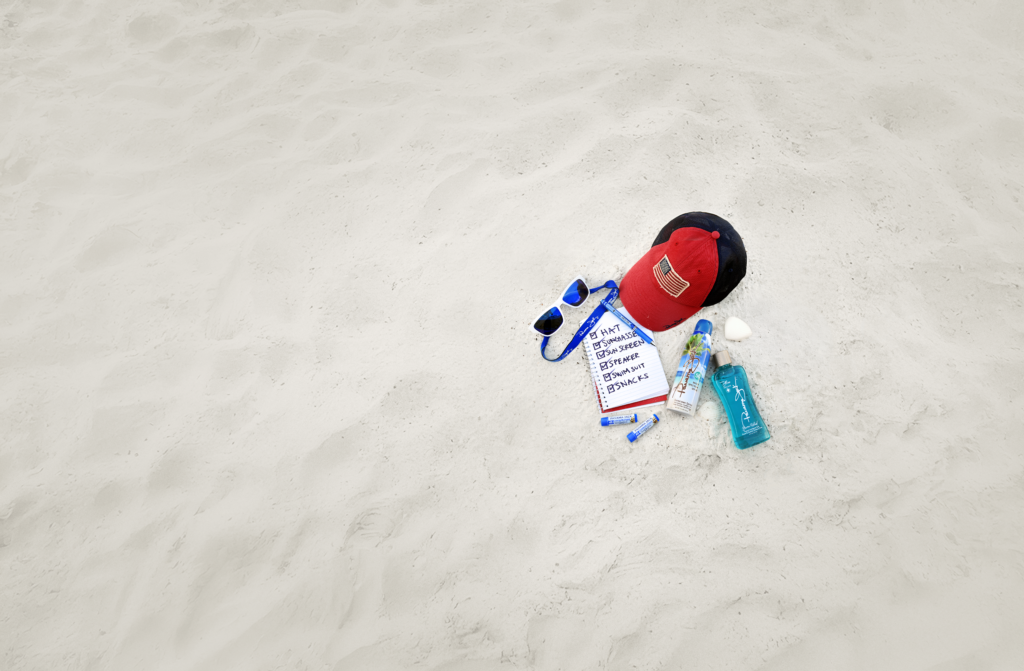
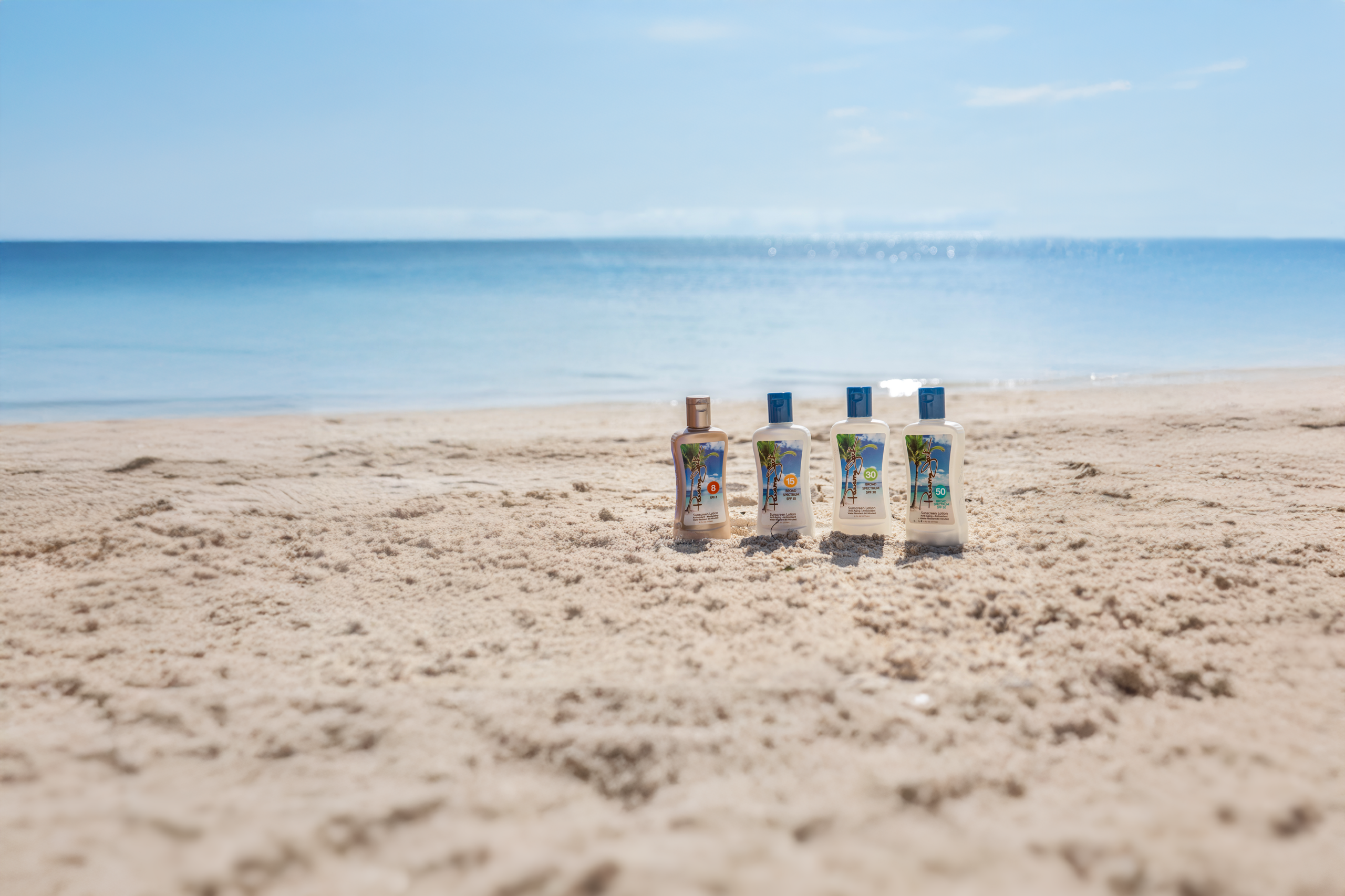
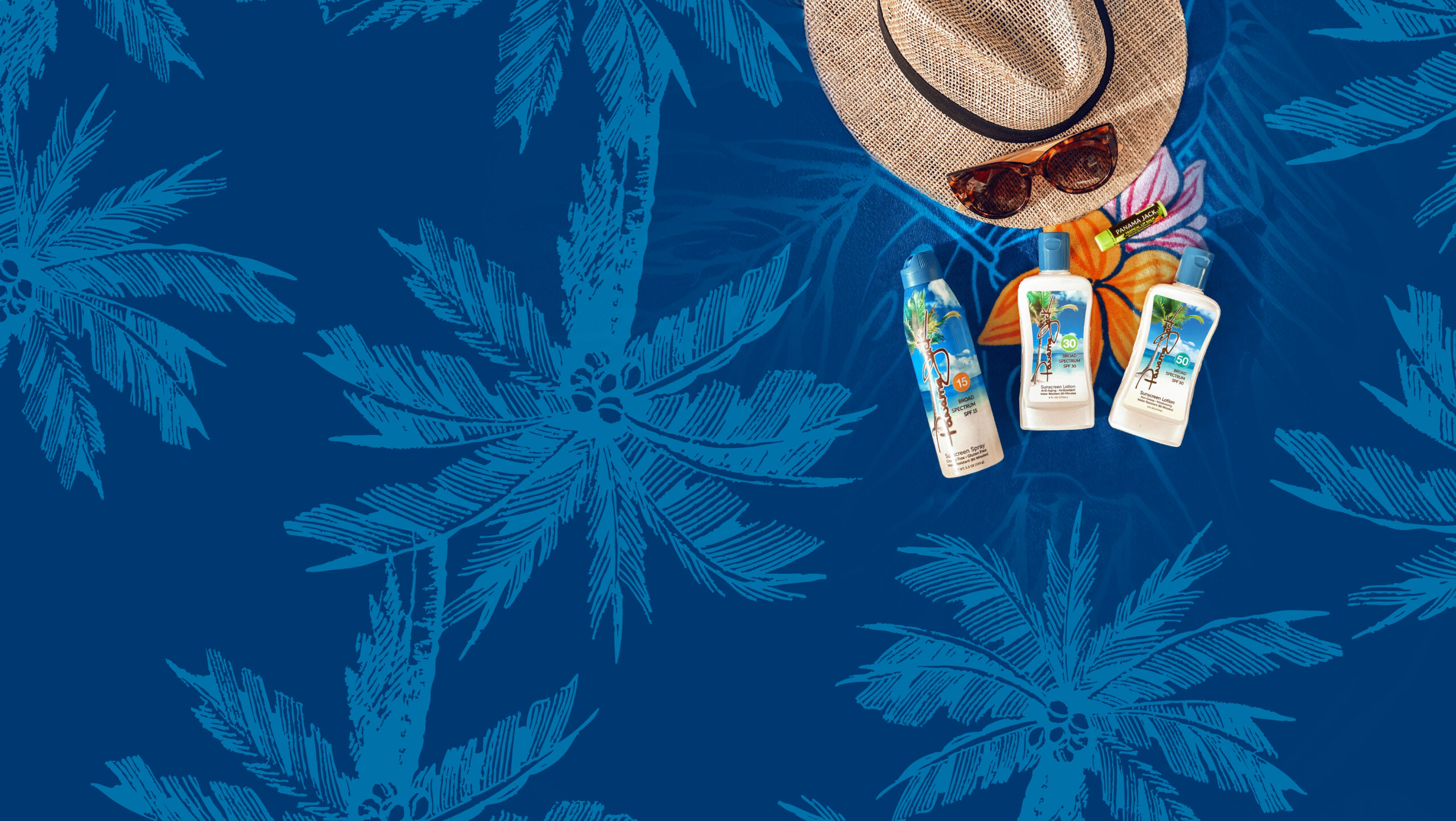
Panama Jack SPF 8 Tanning Range
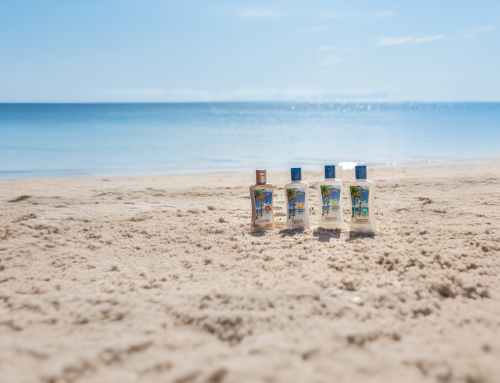
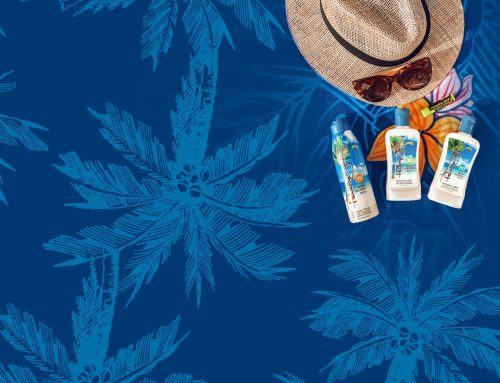
Panama Jack's SPF 8 tanning range earns the top ranking for the combination of genuine beach heritage (Panama Jack has formulated tanning products since 1974), appropriate SPF 8 protection for its stated use case, and the beach-specific formulation that performs in ocean, sand, and heat conditions. The range includes both classic lotion and tanning oil formats at SPF 8.
Important: verify Hawaii Act 104 compliance on the specific product listing by checking Active Ingredients before purchase for beach use near coral reef environments.
Responsible SPF 8 Use Protocol
- Face and neck are SPF 50 zones: apply Panama Jack SPF 50 to the full face, ears, lips (SPF 45 lip balm), and nape of neck — regardless of SPF 8 body product.
- Establish base exposure first: limit initial SPF 8 sessions to 30 minutes per side. Increase gradually based on skin response.
- Reapply after every swim — SPF 8 lotion washes off exactly as SPF 50 does.
- Exit at first sign of burning: burning means the SPF 8 UV dose exceeded your skin's tolerance threshold for that session.
- Daily after-sun recovery: Panama Jack Aloe Vera Gel immediately after the beach, After-Sun Lotion before bed.
Frequently Asked Questions
Is SPF 8 enough sun protection?
SPF 8 is not a sun protection product in the conventional sense — it provides minimal UV filtering (87.5% UVB filtered) designed to allow tan development while offering some buffer against burning. It is appropriate for adults seeking low-level tan development with their eyes open to the UV exposure that entails.
What is the difference between SPF 8 lotion and SPF 8 tanning oil?
SPF 8 lotion typically has a more moisturizing, lotion-like formula that absorbs into the skin. SPF 8 tanning oil has a traditional oil finish — glossier and with a heritage aesthetic that many tanning enthusiasts prefer. Both provide SPF 8 UV filtering. The choice is primarily about finish preference.
Can I use SPF 8 on my face?
Not recommended. The face is the highest-consequence area for UV-induced skin damage. Even in low-SPF tanning scenarios, the face should receive SPF 50 protection.